Toro Ultra Leaf Blower Review: Features, Pros, Cons, and Buyer Advice
The Toro Ultra 12-amp variable-speed electric blower/vacuum is a corded yard tool for homeowners who want to move leaves, collect them, and shred them without buying separate machines. Its blower, vacuum, and leaf-shredding functions make it a practical fit for routine cleanup around a house with accessible outdoor power.
The appeal is flexibility: the motor offers variable speed, the listing gives a maximum air speed of 235 mph, and a metal impeller handles the shredding job. A cord-lock system is also included to help keep the power connection from slipping loose as you work.
The trade-off is the cord. You’ll need a suitable outlet and enough reach to cover the work area, and switching between blowing and vacuuming means dealing with different attachments and the collection bag.
Below, you’ll find what the listed specifications do—and don’t—tell you, what setup is likely to involve, and which yard-work situations suit this Toro. I’ll also point out the checks worth making before you buy.
amp Variable-Speed Up to 235 Electric Blower/Vacuum

Features and Specifications
The product is listed as the Toro 51609 Ultra 12 amp Variable-Speed Electric Blower/Vacuum. Its specifications point to a versatile corded tool, but they don’t answer every performance question. In particular, the listing provides a maximum air-speed figure without a CFM rating—the volume of air moved—so that number alone can’t predict how quickly it will clear a broad area.

- 12-amp electric motor: This is a cord-powered machine, not a battery model. You won’t need to manage a rechargeable pack, but you will need an appropriate power source and cord setup; check the operating manual for electrical and extension-cord requirements.
- Variable speed, up to 235 mph: The listing describes an adjustable motor and a maximum air speed. Variable control can help you use a gentler stream near beds or loose debris and more force for tougher cleanup, though the listing doesn’t provide airflow volume or a guarantee of results on particular materials.
- Three functions: It can blow, vacuum, and shred leaves. That gives you options for moving debris into a pile or collecting it directly, rather than relying on a blower alone.
- Metal impeller: The impeller is the rotating part that helps break down material during vacuuming. A metal component is specified, but the listing does not give a shredding ratio or say that every kind of yard debris is suitable for it.
- Cord-lock system: This feature is intended to hold the power cord in place at the tool. It can help reduce nuisance disconnections, but it doesn’t remove the need to route the cord carefully as you move.
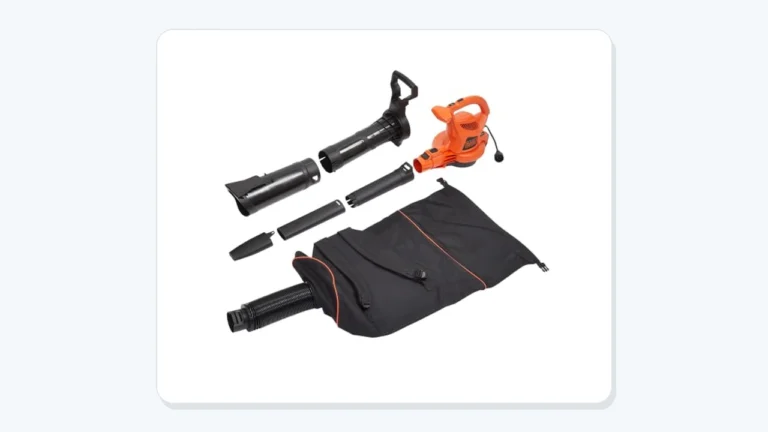
- Included parts: The listed package includes the power unit, blower tubes, vacuum tubes, a vacuum bag, and an operating manual. Confirm that those items are present when buying, especially if the product is not being sold as new.
One useful distinction: 235 mph is an air-speed figure, not a measure of the amount of air moved. That means it’s a helpful headline specification, but not enough to compare complete clearing performance with another blower. If you’re weighing models, look for both speed and airflow information when available, along with the power source and included attachments.
Everyday Use and Performance
Think of the Toro as a tool for ordinary property cleanup, not an all-purpose answer to every leaf problem. With the blower setup, you can expect to move loose leaves and similar debris toward a pile or away from a walkway. How well that works on wet, matted leaves, heavy debris, or a large area can’t be established from the listed specs alone.

Variable speed is potentially useful when the job changes from one patch to another. A lower setting may be easier to manage near gravel, mulch, or lightweight decorations, while a stronger stream is intended for more stubborn clearing. Keep the outlet, cord route, and nearby people or pets in mind as you work; the listing doesn’t provide a noise rating or a detailed operating range.
Vacuuming changes the task. Instead of pushing leaves into a pile, you feed debris into the vacuum system and collect it in the included bag. The metal impeller is there to shred leaves as part of that process, which may reduce how bulky the collected material is, but Toro’s listing extract doesn’t provide a reduction ratio or bag capacity. Don’t base a cleanup plan on a specific number of bags or a particular mulch volume.
Expect a cord-management task alongside the yard work. The cord lock can help keep the connection seated, but the cord still needs to reach the area and stay clear of the blower path. On a small yard with accessible outlets, that may be a reasonable compromise. On a wide or divided property, repeatedly repositioning the cord could make the job feel less convenient than a cordless tool.
The blower and vacuum configurations also serve different purposes, so this isn’t simply a matter of leaving one attachment in place for every job. Expect to consult the manual when changing setups, and allow some time to fit the correct tubes and bag. The product data doesn’t specify how long conversion takes, so it’s better to treat it as a setup step than assume instant switching.
Design, Fit, and Setup
Before buying, picture the entire route from the outlet to the farthest cleanup spot. The listing gives no cord length, so you’ll need to check the package details or manual rather than assume the tool reaches across your yard by itself. If you use an extension cord, follow Toro’s instructions for the appropriate type and electrical requirements; don’t guess based on a cord you already own.
The included blower tubes and vacuum tubes are intended for their respective functions, with the bag used for collection. That means you should have a place to store the parts you aren’t using. If your shed is already crowded, the extra attachments are worth considering—not because they’re unusual for a combination tool, but because they take up space and need to be easy to find when the season changes.
For setup, use the operating manual to identify which components belong in the selected mode and how they attach. Disconnect the tool from power before changing attachments or inspecting the impeller area. That’s a sensible safety precaution for any corded tool with moving parts, not a claim about a special safety feature.
After vacuuming, check the collection bag and the intake area for accumulated material, and follow the manual’s cleaning and storage guidance. The listing identifies a metal impeller but doesn’t state a maintenance interval, replacement-part details, or whether specific debris should be avoided. Keep those questions in mind if you expect to vacuum more than dry leaves.
Also consider where the bag will be emptied and how you’ll handle the debris afterward. Shredding can make leaves more compact, but it doesn’t make yard waste disappear. If you already have a composting or municipal yard-waste routine, the vacuum function may fit it; if you prefer to leave leaves as ground cover, blowing may be the more useful mode.
What Works Well (pros)
- Three jobs in one tool: Blowing, vacuuming, and shredding give you more than one way to manage leaves, which can be handy when a property has both open areas and tighter cleanup spots.
- Adjustable speed: The variable-speed control offers a way to tailor the airflow to the task instead of treating every patch of debris the same.
- Metal impeller is specified: Buyers who want a vacuum-and-shred function can see that a metal impeller is part of the listed design, rather than having to infer it from a generic “mulching” label.
- Cord lock addresses a real annoyance: A connection that stays more securely in place can help reduce interruptions from the cord working loose, though careful cord handling still matters.
- Core attachments are included: The listing names blower tubes, vacuum tubes, and a collection bag, so the basic modes aren’t described as requiring separate purchases.
Where It Falls Short (cons)
- It needs a power cord and accessible outlet: The cord limits where you can work and has to be managed around trees, garden features, and walkways. A cord lock helps at the connection; it doesn’t provide cordless reach.
- The performance picture is incomplete: The listing gives a maximum of 235 mph but no CFM figure, so buyers can’t use the supplied data alone to judge airflow volume or compare clearing capacity directly.
- Vacuuming adds parts and handling: The tubes and bag need to be fitted, carried, emptied, and stored. That extra process may be more trouble than simply blowing leaves into a pile for a quick cleanup.
- Some practical details aren’t supplied: The listing extract doesn’t state cord length, weight, noise level, bag capacity, or a shredding ratio. If any of those affect your comfort or routine, verify them before ordering rather than filling in the blanks.
Who Should Buy It?
This Toro makes the most sense for a homeowner who wants a corded machine for regular leaf cleanup and values having both blowing and vacuuming options. It’s especially worth considering if the work area is close enough to power that the cord won’t dictate every move.
It may also suit someone who prefers to collect and shred leaves instead of raking them into a pile. The included bag and vacuum tubes make that use part of the product’s stated design, while the variable-speed motor gives you some control over the blower function. Just don’t assume the listing promises a particular mulch ratio or collection capacity.
Before buying, check the details that determine whether the tool fits your property:
- Reach: Can the outlet and a properly specified cord cover the areas you want to clean?
- Cleanup style: Will you mostly blow leaves, or do you expect to use the vacuum and bag regularly?
- Storage: Do you have room for the tubes and bag when they’re not attached?
- Comparison data: Can you find a CFM rating, weight, and cord information for the exact listing if those numbers matter to you?
Those checks matter more than the headline air-speed figure if your main concern is convenience. A tool can have several functions and still be the wrong fit if the cord can’t reach the far side of the yard or you don’t want to empty a collection bag.
Who Should Skip It?
Skip this Toro if your yard has no convenient outdoor power access, or if you need to move freely across a large area without managing a cord; a battery-powered blower is a more suitable type to compare. That trade-off is fundamental to a corded model, and the cord-lock feature doesn’t change it.
You may also want a simpler blower if you never plan to vacuum leaves. The vacuum tubes, bag, and mode change add equipment and steps that won’t help much if your routine is only to push leaves into a pile. Conversely, if you need a machine for demanding cleanup, don’t decide based on 235 mph alone; find a model with performance details that match the debris and area you need to handle.
Finally, consider another option if exact weight, noise, cord length, or bag capacity is a deal-breaker and you can’t verify those details for this listing. The available product information doesn’t settle those questions, and comfort is too personal to guess at from a feature list.
FAQs About Amp Variable-Speed Up to 235 Electric Blower/Vacuum
Is the Toro 51609 cordless?
No. It’s listed as a 12-amp electric blower/vacuum, so it needs a power cord and a suitable outlet. The cord-lock system helps secure the cord connection but doesn’t make the tool cordless.
Does it blow and vacuum leaves?
Yes. The product is listed as a blower, vacuum, and leaf shredder, with blower tubes, vacuum tubes, and a collection bag included. Follow the manual when fitting the parts for each mode.
What does “up to 235 mph” tell me?
It’s the listed maximum air-speed figure. It doesn’t tell you how much air the tool moves because the supplied information doesn’t include a CFM rating.
Does the listing state the shredding ratio or bag capacity?
No. It identifies a metal impeller and includes a vacuum bag, but the provided product details don’t specify a reduction ratio or bag size.
Final Verdict: Is It Worth Buying?
The Toro 51609 is a reasonable choice if you want one corded tool for blowing, vacuuming, and shredding, and your yard is close enough to power for the cord to stay manageable. Its variable speed, metal impeller, and included vacuum parts make the combination useful on paper for more than one kind of leaf cleanup.
The compromises are just as clear: cord reach, mode changes, and missing comparison details such as CFM and bag capacity. My practical take on a toro ultra leaf blower review is this: buy it when the three functions suit your routine and you can verify the setup details; choose a cordless blower or a simpler blower-only model if reach and ease matter more than vacuuming.

I’m Maya L. Greenwood, a lifelong plant lover who believes anyone can grow something beautiful with the right guidance. After years of testing soil mixes, pruning methods, irrigation tricks, and pest-safe solutions, I started EasyGardenTips.com to turn hard-won lessons into step-by-step advice. From seed starting and container gardens to composting and seasonal checklists, my goal is to make gardening simple, sustainable, and fun.