Black and Decker 20v Leaf Blower Review: Features, Pros, Cons, and Buyer Advice
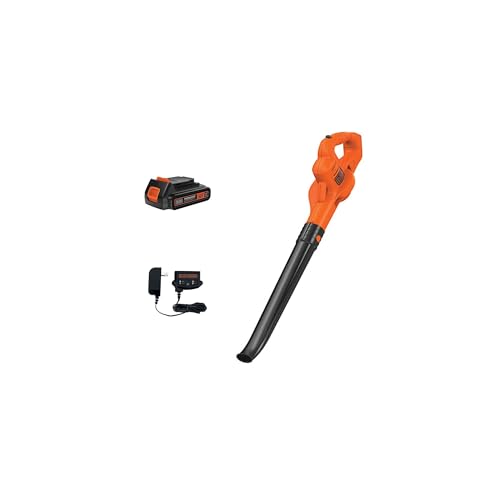
The BLACK+DECKER Cordless Leaf Blower with Battery and Charger 20V MAX, model LSW221, is a compact battery-powered blower for clearing loose debris from hard surfaces. It makes the most sense for someone tidying a driveway, deck, garage, or sidewalk—not for someone who needs a blower for heavy leaf piles or a large property.
Its listed 130 mph air speed and 3.7-pound weight point to a straightforward, handheld cleanup tool. The included 20V MAX 1.5Ah battery means you can work without a cord, and the battery is listed as holding its charge for up to 18 months.
The trade-off is that air speed alone doesn’t tell you how much air the blower moves, and the product information doesn’t give an airflow figure or a runtime. That makes it harder to judge how it will handle dense, damp, or extensive yard debris.
Here’s what the specifications mean in ordinary yard work, where the model’s limits may matter, and what to check before you buy. The aim is a practical fit check, not a promise that one small blower can replace every yard tool.
BLACK+DECKER Cordless Leaf Blower with Battery and Charger 20V MAX
Features and Specifications
The LSW221 is designed for clearing debris with moving air rather than collecting it. That distinction matters: you’ll need somewhere to push leaves and clippings, and the tool won’t bag or vacuum them for you.

- Up to 130 mph air speed: This is the listed maximum speed of the air leaving the blower. It can help sweep loose debris across hard surfaces, but it doesn’t establish how much air moves overall or guarantee performance on wet, packed material.
- 3.7-pound weight: The listed weight makes this a relatively light handheld option on paper. Lower weight can make brief jobs and frequent repositioning easier, though how comfortable it feels will also depend on your grip and how long you work.
- 20V MAX 1.5Ah lithium-ion battery: The included battery supplies cordless power and has a 1.5 amp-hour capacity. That capacity is useful context, but it isn’t a runtime figure; the available product information doesn’t say how many minutes you can expect per charge.
- Battery holds a charge for up to 18 months: This is helpful for a tool that may sit between seasonal cleanups. It describes charge retention, not how long the blower runs while in use or how long a full recharge takes.
- Low-noise design: The listing describes the design as low noise, but it provides no decibel rating or comparison. Treat that as a design feature, not a guarantee that it’s silent or suitable at any hour.
- Battery and charger included: The listed package includes both, so a first-time buyer doesn’t have to source those separately. If you already own BLACK+DECKER 20V MAX equipment, check the specific battery and tool compatibility details rather than assuming every item in the system is interchangeable.
One useful spec is also one buyers can overread: 130 mph describes air speed, not total clearing power by itself. Air volume, debris condition, nozzle position, and the area you’re clearing all affect the job. The listing doesn’t provide a CFM figure for this model, so there isn’t enough information here to compare its airflow directly with blowers that do.
The stated use is especially clear for hard surfaces such as driveways, decks, and garages. That’s a narrower promise than “handles every yard cleanup,” and a more helpful way to judge whether this model fits your routine.
Everyday Use and Performance
For a small cleanup after mowing, the expected routine is simple: gather grass clippings and loose debris into a pile, then sweep them toward a bin or compost area. A cordless blower can be convenient when the cleanup spot is away from an outlet, while the light listed weight may be welcome if you’re moving between a driveway and a deck.

On a garage floor or paved path, the 130 mph maximum air speed suggests a tool intended to move loose debris rather than scrub or lift it mechanically. If dirt has been ground into a surface or leaves have become wet and matted, don’t assume the speed figure means they’ll come away easily. A broom or rake may still be the better answer for stubborn material.
For leaves on grass, expectations should stay modest. The available specifications emphasize hard surfaces and don’t give an airflow rating, so there’s no solid basis to promise quick clearing of a thick lawn layer. It may suit light, scattered leaves; a large fall cleanup is a different workload.
Battery planning is the main practical question. A 1.5Ah battery is included, but without a stated runtime, it’s hard to know whether one charge will cover your property. If you expect to clean multiple areas in one session, check the return policy and product documentation, and consider whether you have access to a compatible spare battery if the manufacturer confirms compatibility.
Noise expectations deserve the same care. “Low noise” may make the design appealing compared with a louder tool, but the listing gives no measured sound level. If you live close to neighbors, work early, or have a noise-sensitive household, don’t treat that phrase as proof that operation will be unobtrusive.
In practical terms, this model looks best for short, routine sweeps rather than a long, uninterrupted clearing session. That’s not a flaw if your job is a few clippings on the patio. It becomes a mismatch if you’re planning around acreage, heavy leaves, or a precise runtime requirement.
Design, Fit, and Setup
At 3.7 pounds, the listed weight is a meaningful part of the LSW221’s appeal for people who dislike hauling a heavier yard tool out for small jobs. Still, a product’s scale alone can’t tell you how it balances in your hand. Consider your grip, arm strength, and whether you’ll need to hold the blower at an angle while reaching around steps or furniture.
Before using it, follow the manual for assembly, battery installation, and operation. The supplied product data confirms a battery and charger are included, but doesn’t detail assembly steps or all package contents. Check the current listing and manual for the exact included pieces, especially if you’re expecting a particular tube or accessory.
Charging setup is straightforward in principle: the package includes a charger, so you don’t need to shop for one separately to get started. The available information doesn’t state charge time, so plan around the manual’s instructions rather than assuming a quick turnaround. Store the battery according to the manufacturer’s guidance, particularly if the blower will sit unused between seasons.
For a cordless tool, the key “fit” question is less about a physical connection to the property and more about whether the battery setup suits your work. This model comes with a 20V MAX battery, but if you’re buying it to share batteries with another tool, confirm compatibility for that exact tool and battery. A shared platform can reduce clutter, but only when the specific components are approved to work together.
Keep the blower’s use area clear of objects that could be displaced, and avoid aiming moving air toward people, pets, open doors, or fragile items. Use the protective equipment and operating practices described in the manual. Those simple checks matter with any blower, especially when small debris can move unpredictably.
Cleaning and storage also shape how convenient a small tool feels over time. The listing doesn’t describe a special maintenance system or weather protection, so don’t assume it can be left outdoors or used in conditions the manual doesn’t allow. Put the tool and battery away clean and dry, and use the manufacturer’s care instructions.
What Works Well (pros)
- Light listed weight: At 3.7 pounds, it’s an appealing option for brief sweeps when a heavier machine would feel like more trouble than the mess.
- Cordless convenience: The included battery lets you work away from an outlet, which can simplify cleaning a driveway, deck, or garage entrance.
- Useful stated air speed: Up to 130 mph is a clear maximum-speed specification for moving loose debris on hard surfaces.
- Starter package includes battery and charger: New buyers can begin with the basic power components rather than needing to source them separately.
- Charge retention for occasional use: The listed claim of up to 18 months of charge retention may suit seasonal or intermittent cleanup better than a tool that needs constant attention between uses.
The biggest strength is the combination of modest weight and a self-contained battery setup. For someone who wants to clear a small paved area without dragging out a cord, that’s a useful, uncomplicated proposition.
Where It Falls Short (cons)
- No runtime or recharge-time figure is provided: You can’t confidently plan a longer cleanup around the 1.5Ah battery without checking the manual or learning how it performs for your workload. Buyers with a large area may find that uncertainty inconvenient.
- No airflow figure is listed: The 130 mph maximum sounds specific, but without CFM there’s less information for comparing how much air the blower moves against other models.
- Its stated strengths center on hard surfaces: If your routine involves thick, damp leaves or a broad lawn, the published details don’t establish that this is the right tool for the job.
- “Low noise” isn’t quantified: There’s no decibel figure, so buyers with strict noise needs can’t use the listing to confirm how quiet it will be in their setting.
These are fit limitations, not proof of defects. The important point is that the listing leaves some buying questions unanswered, especially around runtime and air volume. If either will decide whether the blower works for you, check the manufacturer’s current documentation before ordering.
Who Should Buy It?
The LSW221 is worth considering if your normal cleanup is small and specific: grass clippings on a sidewalk, loose leaves on a deck, or dust and debris near a garage. Its listed 3.7-pound weight and included battery make it easier to imagine grabbing for a short task than setting up a corded tool.
It may also suit a homeowner who wants a simple cordless blower for occasional use and values charge retention between jobs. The listed battery claim of up to 18 months is relevant here, though the battery still needs to be stored and maintained as directed. Don’t confuse sitting charged between uses with running for 18 months on a charge.
Before buying, check three things: whether your main surfaces are hard and relatively easy to clear; whether the battery’s capacity is a reasonable starting point for your job; and whether you need a stated runtime or airflow rating. If you already use BLACK+DECKER 20V MAX tools, confirm exact battery compatibility rather than relying on the platform name alone.
Also consider where debris will go. A blower moves leaves and clippings; it doesn’t collect them. If you have no easy place to sweep material, or you need to remove packed debris from cracks, a broom, rake, or different cleanup tool may be more useful for at least part of the job.
Who Should Skip It?
Skip this model if you regularly clear large areas, heavy or wet leaf piles, or need a guaranteed long runtime; look instead at a higher-capacity blower with published airflow and runtime information, or a two-speed model that lets you adjust output to the task.
One documented alternative in the same brand family is the BLACK+DECKER BCBL700D1. Its listing gives a 320 CFM airflow figure, up to 90 mph air speed, two speed settings, and a 3.8-pound weight, along with a battery and charger. Those specs offer different comparison points—especially airflow and speed control—but they still don’t establish a particular runtime or guarantee better results for every yard.
Skip the LSW221, too, if you need a measured noise level, exact recharge time, or a stated CFM figure to meet a specific requirement. The available product details don’t supply those answers. In that case, choose a model whose documentation provides the numbers you need rather than trying to infer them from the 130 mph maximum.
FAQs About BLACK+DECKER Cordless Leaf Blower with Battery and Charger 20V MAX
What is the model number?
The product is identified as the BLACK+DECKER LSW221. Check the model number on the current listing before ordering, especially if you’re comparing it with other BLACK+DECKER 20V MAX blowers.
Does it come with a battery and charger?
Yes. The product name and listing identify a battery and charger as included. The battery is listed as a 20V MAX 1.5Ah lithium-ion pack.
How long does the battery run?
The available product details don’t state a runtime. The listed claim that the battery can hold a charge for up to 18 months refers to charge retention while stored, not operating time during a cleanup.
Is 130 mph enough for wet leaves?
The listing doesn’t promise performance on wet leaves. It highlights clearing debris from hard surfaces, and air speed alone doesn’t tell you the volume of air or how well it will move material that’s damp or stuck down.
Is this blower suitable for a large yard?
It’s difficult to recommend for a large yard based on the published information: no runtime or CFM figure is provided, and the stated use emphasizes hard surfaces. For extensive cleanup, compare models with published airflow and runtime details.
Final Verdict: Is It Worth Buying?
The BLACK+DECKER LSW221 makes the clearest case for itself as a light, cordless option for quick cleanup on a driveway, deck, sidewalk, or garage. Its included 20V MAX battery and charger make the package approachable, and the 3.7-pound listed weight fits the grab-and-go use case.
The uncertainties are just as important: there’s no published runtime or CFM figure, and “low noise” isn’t backed by a decibel measurement. Buy it if your jobs are brief and mostly involve loose debris on hard surfaces; choose a blower with more complete performance specifications if you need to plan for bigger or tougher cleanups.

I’m Maya L. Greenwood, a lifelong plant lover who believes anyone can grow something beautiful with the right guidance. After years of testing soil mixes, pruning methods, irrigation tricks, and pest-safe solutions, I started EasyGardenTips.com to turn hard-won lessons into step-by-step advice. From seed starting and container gardens to composting and seasonal checklists, my goal is to make gardening simple, sustainable, and fun.