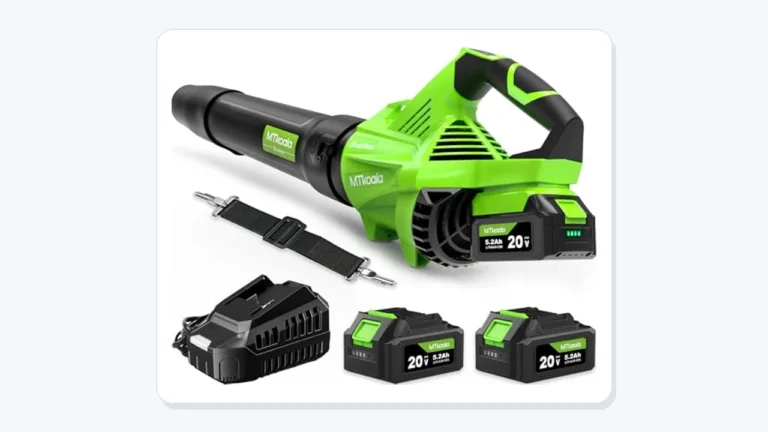
Tornado Pro Leaf Blower Review: Features, Pros, Cons, and Buyer Advice
The Jet Blower 2.0 Pro 2026 Upgraded Cordless Leaf Blower 160 is a handheld blower for people who want to clear small outdoor areas, dry a car without dragging a towel over the paint, or tidy a garage. Its battery-powered design is aimed at owners of compatible DeWalt batteries, rather than shoppers looking for a complete, ready-to-run kit.
The listing gives two headline figures—160,000 RPM and 200 mph—and says the blower works with DeWalt 18V–21V batteries rated at 4Ah or higher. Those details may appeal if you already have the right battery and want a compact tool for quick cleanup jobs.
There’s a practical catch: no battery is included, and the listing doesn’t provide key details such as runtime, weight, or airflow in CFM. The product data also doesn’t establish that the Jet Blower is a Tornado-branded model, so it’s worth checking the exact listing identity before you buy.
This review explains what the listed specifications do—and don’t—tell you, what to check for battery fit, and which jobs seem like a reasonable match. It also covers the situations where a conventional yard blower would be a safer bet.
Jet Blower 2.0 Pro 2026 Upgraded Cordless Leaf Blower 160

Features and Specifications
The central question with a small cordless blower is not just how fast the air is said to move. You also want to know how much air it moves, how long the battery lasts, how it feels in your hand, and whether it can handle the debris you actually need to clear. The available listing gives only some of that picture.

| Listed detail | What it means for you |
|---|---|
| 160,000 RPM | The stated motor speed is high, but it doesn’t tell you by itself how effectively the blower clears a particular area. |
| 200 mph | This is the listed maximum air speed. It may help shift loose debris, but no CFM figure is provided to show the volume of air behind that speed. |
| DeWalt 18V–21V battery, 4Ah or higher | You’ll need a compatible battery rated at least 4Ah; one is not included. |
| PETG and carbon fiber construction | These are the listed materials. The product data doesn’t specify weight, impact testing, or a durability rating. |
Maximum air speed and airflow volume are different measurements. Miles per hour describes how fast air moves at a measurement point; CFM, or cubic feet per minute, describes how much air moves. Since this listing doesn’t state CFM, you can’t use the advertised 200 mph alone to predict how quickly it will clear a broad lawn or move a deep layer of leaves.
The listing also describes uses including car drying, dust removal, leaf cleanup, snow removal, inflating items, and campfire ignition. Those are use claims, not independent performance results. There are no supplied runtime figures or test conditions to show how long a task takes, how much snow it can shift, or what inflatables it can handle.
Likewise, “4Ah or higher” tells you a minimum battery capacity, not a guaranteed amount of working time. The actual runtime may depend on the battery, operating conditions, and how the blower is used; the listing doesn’t give a duration to plan around. If you need predictable coverage for a large yard, that missing information matters.
Everyday Use and Performance
For a patio or a few steps, the size and cordless format may suit quick jobs where fetching a broom feels like more effort than the cleanup. A blower can move loose leaves and dust without the repeated sweeping motion, though this listing doesn’t establish how wide an area the Jet Blower handles efficiently.

On a lawn, the 200 mph claim sounds forceful, but it doesn’t answer the main buying question: can the tool move a large volume of leaves across grass without taking ages? Without a CFM figure, a runtime estimate, or a stated clearing width, it’s hard to judge its usefulness for a seasonal leaf fall. Think of it as a possible spot-cleaning tool, not a proven replacement for a full-size yard blower.
For car drying, the noncontact approach may appeal if you’d rather avoid dragging a towel across wet paint. The listing specifically mentions non-ceramic-coated cars, but it doesn’t provide a measured drying time or details about the airflow at the nozzle. Keep the nozzle clear of the paint, and don’t assume that “paint-safe” means the tool can’t push grit across a surface.
Dust and debris in a garage or workshop may be another reasonable use, provided the material is loose and you can direct it somewhere safe. Blowing debris can spread it into corners, onto other equipment, or toward people and pets. For a job where dust containment matters, a vacuum with suitable filtration may be a better fit.
Snow is the least convincing use to treat as a sure thing. The listing mentions clearing sticky snow in 30–60 seconds, but it doesn’t explain the snow depth, area, temperature, or battery used. That claim isn’t enough to plan on the blower clearing a walkway after a storm.
The same caution applies to inflating items and starting campfires. The listing names these uses, but gives no attachment details, compatible item types, or safe operating guidance. Check the product instructions for your intended task rather than assuming the blower includes the right nozzle or can safely be used in every setting.
Design, Fit, and Setup
The product is described as a portable handheld blower, but the available specifications don’t give its weight, dimensions, grip shape, or nozzle configuration. That makes it difficult to tell how comfortable it will be for one-handed use or whether it will fit neatly on a crowded garage shelf. If you have trouble holding tools for long periods, don’t infer “lightweight” from “portable.”
Battery compatibility deserves a careful check before checkout. The listing says the tool is designed for DeWalt 18V–21V batteries rated at 4Ah or more, and that the battery is not included. Confirm that the exact battery you own fits the tool’s connection and meets the stated capacity; a familiar brand name alone doesn’t prove every pack or configuration will work.
Also check what’s in the box. The supplied product details don’t confirm whether a charger, nozzle, adapter, or other accessory is included. If your existing battery needs a charger, or your intended task depends on a particular attachment, check the full listing and seller information rather than assuming those items come with the blower.
The shell is listed as PETG and carbon fiber. That identifies the stated materials, but it doesn’t establish how the tool will hold up to drops, rain, prolonged use, or storage in a hot vehicle. Treat it like an electric tool: keep it dry unless the instructions say otherwise, remove loose dirt after use, and inspect the housing and battery connection before operating it.
There’s no stated noise rating or safety certification in the supplied product information. That doesn’t prove a problem, but it leaves two useful checks unanswered. Read the current instructions for eye and hearing protection guidance, and consider neighbors or household members before using any blower early or late in the day.
What Works Well (pros)
- Cordless setup: A compatible battery avoids managing a power cord across a patio or driveway.
- Useful stated speed figures: The 160,000 RPM and 200 mph figures give you a starting point for comparing advertised specifications, even though they don’t establish airflow volume.
- Existing DeWalt battery option: If you already own a compatible 4Ah-or-higher pack, you may not need to buy another battery. Confirm the exact fit first.
- Several possible jobs: The listing identifies yard cleanup, car drying, and workshop dust as intended uses, which may suit someone after one compact tool for occasional tasks.
Those advantages are most useful when the buyer has a compatible battery and a modest, specific cleanup routine. The cordless format matters less if you have to buy a battery and charger just to try an otherwise sparsely documented tool.
Where It Falls Short (cons)
- No battery included: You’ll need a compatible 4Ah-or-higher battery, so this isn’t a ready-to-use purchase for someone without one.
- No CFM or runtime figure: You can’t confidently estimate broad-area clearing ability or how much work one charge will cover.
- Limited fit and comfort details: Weight, dimensions, and nozzle information aren’t supplied, making it harder to judge handling and storage before buying.
- Broad use claims lack conditions: The snow, drying, and inflation descriptions don’t include enough detail to set reliable expectations for those tasks.
These are information gaps, not proof that the blower performs poorly. They do, however, make it a less certain choice if you need to clear a large yard, work for long stretches, or depend on it for a time-sensitive job.
Who Should Buy It?
This blower may suit a homeowner who already has a compatible DeWalt battery and wants a handheld tool for occasional cleanup on a patio, driveway, or around a vehicle. It could also make sense for someone who values cordless convenience more than having published runtime and airflow figures.
Before buying, verify the exact battery fit, the minimum 4Ah capacity, and whether the battery and charger you need are included. Check the current listing for the tool’s dimensions, weight, accessories, return terms, and operating instructions. Those details could change whether the tool suits your grip, storage space, and planned jobs.
For car care, ask yourself whether the main goal is moving water from crevices without touching the paint. That’s an advertised use, but the product information doesn’t establish a drying result for your vehicle or water conditions. Use care around grit and follow the vehicle and tool guidance rather than relying on the listing’s “paint-safe” language alone.
For yard work, consider the size of the area and the kind of debris. A few leaves on a small hard surface are a more modest expectation than wet, matted leaves across a lawn. Since airflow volume and runtime aren’t stated, buyers with bigger cleanup jobs should compare those figures on other models before deciding.
Who Should Skip It?
Skip this blower if you need a documented, long-running tool for a large yard, regularly move heavy or wet leaf piles, or don’t own a compatible DeWalt battery. A corded or full-size cordless yard blower with published CFM and runtime specifications is a more sensible alternative type for those needs.
It’s also a poor match if you need a certain tool weight, verified noise rating, or a supplied charger and attachments. Those details aren’t established by the available product data. Choose a model whose manufacturer clearly lists the specifications and included parts you rely on.
FAQs About Jet Blower 2.0 Pro 2026 Upgraded Cordless Leaf Blower 160
Is this the Tornado Pro leaf blower?
The supplied product information identifies it as the Jet Blower 2.0 Pro 2026 Upgraded Cordless Leaf Blower 160. It doesn’t establish that the product is made or branded by Tornado, so check the exact seller listing and model identity before purchasing.
Does it come with a battery?
No battery is included in the provided listing details. The blower is stated to use DeWalt 18V–21V batteries rated at 4Ah or higher, so confirm your pack’s fit and capacity.
Is 200 mph enough for a large yard?
The listing states 200 mph, but doesn’t provide CFM or runtime. Air speed alone can’t tell you how much debris the blower can move across a large area or how long it can work per charge.
Can it dry a car without scratching the paint?
The listing describes noncontact car drying, but doesn’t provide test conditions or a guaranteed result. Keep the nozzle off the paint and take care not to blow grit across the surface.
Final Verdict: Is It Worth Buying?
The Jet Blower 2.0 Pro has a clear potential advantage: cordless handheld cleanup for buyers who already own a compatible battery. Its listed speed figures and range of intended uses may make it worth considering for occasional, smaller jobs.
But the missing battery, absent CFM and runtime figures, and limited fit details leave real questions for anyone planning regular yard work. This tornado pro leaf blower review comes down to a cautious recommendation: consider it only after confirming the product identity and battery fit, and choose a model with published airflow and runtime if you need dependable coverage for a larger area.

I’m Maya L. Greenwood, a lifelong plant lover who believes anyone can grow something beautiful with the right guidance. After years of testing soil mixes, pruning methods, irrigation tricks, and pest-safe solutions, I started EasyGardenTips.com to turn hard-won lessons into step-by-step advice. From seed starting and container gardens to composting and seasonal checklists, my goal is to make gardening simple, sustainable, and fun.