What Does a Lawn Roller Do? Explained for Beginners
Figuring out what does a lawn roller do can seem tricky at first, especially if you’re new to lawn care. The idea of rolling your lawn might sound odd, so you’re probably curious. Don’t worry, many people are unsure about this tool. We’ll break down the basics in easy steps. You’ll learn the purpose of a lawn roller and how it can help you get a healthier, more beautiful lawn. Then, we’ll examine different scenarios in which a lawn roller helps.
Understanding the Basics of Lawn Rolling
Lawn rolling is a landscaping practice involving a heavy cylinder, the lawn roller, that’s pulled or pushed across your grass. Its primary goal is to flatten the surface and firm up the soil. This can bring several advantages for your lawn, especially in certain situations. The practice provides more even ground, improves seed-to-soil contact, and helps reduce the effects of frost heave. Many homeowners are surprised to learn about the various benefits of this technique.
The Purpose of a Lawn Roller
The main job of a lawn roller is to create a level and consistent lawn surface. Think of it like ironing your lawn. The roller smooths out bumps and irregularities. It’s especially useful after winter, when frost can push soil up, creating an uneven surface. It can also help settle newly laid sod or grass seed, ensuring good contact with the soil. By eliminating dips and mounds, lawn rolling offers a better look and offers a safer surface for activities.
- Smoothing Uneven Surfaces: Lawn rollers are great at flattening small bumps and settling the soil, which helps to even out the surface of your lawn, which is more pleasant.
- Improving Seed-to-Soil Contact: If you’ve just seeded your lawn, a roller helps push the seeds into the soil. This encourages germination and gives the seeds a better chance to grow.
- Reducing Frost Heave Effects: In colder climates, frost heave can cause the soil to expand and contract, which results in an uneven lawn. Rolling can help to push the soil back down and even out the surface.
- Settling Sod: When you lay new sod, the roller helps press it into the soil. This improves contact and helps the sod establish roots more quickly.
Types of Lawn Rollers
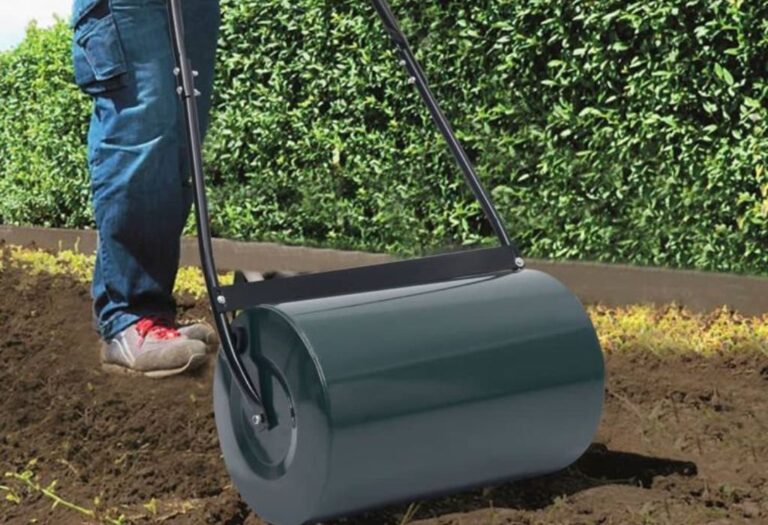
There are generally two types of lawn rollers: push and tow-behind. Push rollers are manually operated. You fill them with water or sand to add weight and roll them across your lawn. They are ideal for small lawns or areas where maneuverability is a must. Tow-behind rollers attach to a tractor or riding mower. These are heavier and best suited for larger areas. Choosing the right type depends on your lawn’s size and your equipment. Remember, the weight of the roller is a key element for the result.
- Push Rollers: Push rollers are the simpler choice, perfect for smaller lawns. You control them by pushing the roller across the grass. They’re typically filled with water or sand to add weight.
- Tow-Behind Rollers: These are designed to be pulled by a tractor or riding lawnmower. They are larger and heavier, making them perfect for covering larger areas of grass quickly.
- Solid vs. Hollow Rollers: Some rollers are solid, while others are hollow and can be filled. The solid ones offer a fixed weight, whereas fillable rollers let you adjust the weight. This will help you get the best result.
- Consider the Surface: For very uneven surfaces or areas with many obstacles, a smaller, more maneuverable push roller might be best. For large, flat lawns, a tow-behind model will save time.
When to Use a Lawn Roller: Scenarios and Timing

Knowing when to roll your lawn is just as vital as understanding what does a lawn roller do. Timing is everything. Rolling at the wrong time can cause damage. The best times to use a lawn roller are after seeding, after frost heave, or when settling new sod. Avoid rolling during very wet conditions or when the soil is overly dry. Before you begin, be sure your grass is not too tall, as it may be damaged. Choose the best time to match your goals for an amazing lawn.
Rolling After Seeding
After you’ve seeded your lawn, rolling is one of the most beneficial things to do. The roller presses the seeds into the soil. This ensures good seed-to-soil contact. This contact is vital for germination and the healthy growth of your grass. Rolling after seeding should be done gently, using a light roller, just enough to push the seeds in. Avoid heavy rolling that might compact the soil too much.
- Improved Germination: Rolling after seeding helps the seeds get enough contact with the soil to absorb moisture and nutrients, which boosts germination.
- Protecting Seeds: Rolling partially buries the seeds, which helps protect them from being blown away by the wind or eaten by birds.
- Even Growth: Uniformly pressing the seeds into the soil leads to more consistent growth across your lawn, resulting in an even, thick grass coverage.
Dealing With Frost Heave
Frost heave occurs when the ground freezes and thaws, causing the soil to expand and contract. This can push the soil upwards, leaving your lawn bumpy. Rolling your lawn in early spring helps push the soil back down and even out the surface. Always wait for the ground to thaw enough. Rolling too early can do more harm than good. A light rolling is enough to restore the level surface without harming the grass.
- Restoring Surface Level: Rolling helps flatten out the bumps and ridges caused by frost heave, restoring your lawn’s level surface.
- Preventing Damage: Even a modest amount of rolling can help prevent damage to your lawn from being walked on when it is uneven.
- Preparing for Growth: Rolling the soil after frost heave can help to create a better environment for grass growth, ensuring a healthy lawn in spring.
Settling New Sod
When you install new sod, rolling it is a vital step. Rolling helps press the sod into the soil, ensuring that the roots make good contact. This contact is vital for the roots to take hold and for the sod to thrive. Roll the sod gently after installation, being careful not to roll too hard. Water thoroughly after rolling to help the sod settle further and encourage root growth. If you skip this step, the sod may not take.
- Better Root Contact: Rolling creates strong contact between the sod and the soil below, which is important for the roots to grow properly.
- Improved Water Absorption: Firm contact allows water to seep into the roots, which promotes the quick establishment of the sod.
- Even Appearance: Rolling helps to create a uniform, even surface, so the new sod looks great from day one.
How to Use a Lawn Roller Properly
Using a lawn roller correctly involves more than just pushing it across your lawn. Proper technique is key to getting the results you want. Start by preparing your lawn. Assess the soil condition, and ensure the grass is the correct length. Using the right weight is important. The weight should be enough to level the surface without compacting the soil too much. Proper technique keeps your lawn safe and your results optimal.
Preparing Your Lawn for Rolling
Before you begin rolling, proper preparation is key. First, mow your lawn to a suitable length. Remove any objects, such as stones or branches, that could get in the way. Assess the soil. The soil should be slightly moist, but not saturated. If the soil is too wet, rolling can compact it excessively. If the soil is too dry, rolling might not be effective. A well-prepared lawn will make the rolling process more effective.
- Mowing: Mow your lawn to the appropriate height before rolling, usually around 2-3 inches. This allows the roller to make better contact with the soil.
- Debris Removal: Clear away any sticks, rocks, or other debris that might interfere with the rolling process or damage the equipment or grass.
- Soil Moisture: Ensure the soil is slightly moist. Test this by squeezing a handful of soil; it should hold together but not be dripping wet.
- Weather Check: Avoid rolling if heavy rain is forecast. Rain can further compact the soil and reduce effectiveness.
Choosing the Right Weight
Selecting the correct weight for your lawn roller is very important. The ideal weight depends on your soil type and the task you’re undertaking. For general leveling, a moderate weight is usually best. For seeding, use a lighter weight to avoid over-compaction. For heavy clay soils, you may need a lighter weight to prevent compaction, while sandy soils can handle a slightly heavier roller. Always start light and increase weight if needed.
- Soil Type Considerations: Clay soils compact easier, so a lighter roller may be needed. Sandy soils typically require a heavier roller.
- Rolling Purpose: For settling new sod or smoothing the surface after frost heave, a moderate weight is typically appropriate.
- Test Rolling: Begin with a less heavy load to evaluate how the roller affects the lawn. You can add more weight to the roller as needed.
- Roller Type Influence: Push rollers allow you to adjust weight with water or sand. Tow-behind rollers often come with built-in weight adjustments.
Rolling Technique for Best Results
Correct rolling technique is just as crucial as the roller’s weight. Overlap each pass by a few inches to ensure complete coverage. Change direction with each pass. This ensures the grass is leveled evenly. Avoid making sharp turns with the roller, as this can damage the lawn. Roll in one direction, then crosswise. Do not roll the same spot repeatedly. A smooth, even rolling technique gives you the best results.
- Overlap Passes: Overlap each pass by several inches to ensure complete coverage and prevent gaps.
- Vary Direction: Change direction with each pass to avoid creating patterns. It also prevents the soil from being compacted in one direction.
- Avoid Sharp Turns: Make smooth, gentle turns to prevent damage to the turf. Sharp turns can tear the grass.
- Monitor Grass Health: Keep an eye on the grass as you roll. If the grass starts to look compressed, ease up on the weight or skip rolling.
Avoiding Common Mistakes
Avoiding the most common mistakes is a key element of lawn rolling. Some mistakes can result in grass damage. Rolling your lawn when it’s too wet can compact the soil. Using too much weight is a mistake. Using the wrong technique can lead to unevenness. Understanding and avoiding these mistakes will allow you to get the best outcomes. By knowing what does a lawn roller do, you’re ahead of the game.
Rolling the Lawn When the Soil Is Too Wet
One of the most frequent mistakes is rolling the lawn when the soil is too wet. Wet soil compacts easily. This compression reduces the air spaces needed for root growth. This can lead to issues such as poor drainage, and limited root development, making your lawn unhealthy. Always wait for the soil to dry. Testing the moisture content of the soil before rolling can help avoid this problem. Proper timing is vital for success.
- Soil Compaction: Wet soil is easily compacted, reducing air pockets needed for roots to breathe and thrive.
- Poor Drainage: Compacted soil doesn’t drain well. This can lead to standing water, which can damage the grass.
- Root Development: Compaction makes it difficult for roots to grow and extend, which can lead to a less healthy lawn.
- Fungal Issues: Poor drainage and compacted soil can create favorable conditions for fungal diseases to develop.
Using Too Much Weight
Using a lawn roller with too much weight is a common error. This can cause over-compaction of the soil, which prevents air from reaching the roots. Over time, this can harm the health of your grass. It can result in a thinner lawn. Always start with a lighter roller. You can gradually increase the weight. By avoiding too much pressure, you’re helping your grass thrive.
- Over-Compaction: Too much weight can cause over-compaction, which limits air and water flow.
- Root Damage: When the soil is overly dense, roots struggle to develop and get the nutrients they need.
- Damage to Grass: Over-compaction can crush grass blades. It can also stunt growth, leading to a thin, unhealthy lawn.
- Difficulty Aerating: Over-compacted soil requires more frequent aeration to fix the damage.
Incorrect Rolling Technique
Incorrect rolling technique includes overlapping passes, skipping areas, and making sharp turns. Rolling in the same direction repeatedly can create patterns. Skipping areas leaves your lawn uneven. Making tight turns can damage the turf. Always use consistent and even passes. Overlap each pass. Correct technique is vital for a smooth, healthy lawn. A steady, even approach is the key to perfect results.
- Uneven Results: Rolling the same area repeatedly can lead to an uneven surface.
- Missed Spots: Overlooking parts can leave your lawn with bumps and ridges.
- Turf Damage: Tight turns can damage the grass, especially when the soil is wet.
- Poor Coverage: Inconsistent rolling can result in an uneven-looking lawn.
Frequently Asked Questions
Question: How often should I roll my lawn?
Answer: It depends on your needs. For general leveling, roll once or twice a year, usually in the spring and fall. After seeding or installing new sod, rolling is done once. Avoid over-rolling to prevent soil compaction.
Question: Can I use a lawn roller on all types of grass?
Answer: Yes, you can generally use a lawn roller on all types of grass. However, the ideal weight and rolling technique can vary. The best methods depend on the grass type, soil condition, and the purpose of rolling.
Question: Should I water the lawn after rolling?
Answer: Yes, watering after rolling is helpful, particularly when you’re settling new sod or after seeding. Water helps to settle the soil and encourages root development. Be sure not to overwater, as it could cause the soil to become overly compacted.
Question: What if my lawn has a lot of bumps?
Answer: If your lawn has many bumps, rolling might not fix all of them. For substantial irregularities, you may need to core aerate the lawn and topdress it with a layer of soil. Consult a landscaping professional if the bumps are severe.
Question: Is it okay to roll my lawn during a drought?
Answer: It’s best to avoid rolling during a drought, as the dry soil can compact more easily. If you must roll, use a lighter roller and water the lawn thoroughly before and after rolling. The best solution is to wait for rain or irrigating the lawn.
Final Thoughts
Now that you know what does a lawn roller do, you’re ready to use it. A lawn roller is a great tool for leveling and improving your lawn’s surface. Whether you’re flattening out bumps, smoothing after frost heave, or setting new sod, the correct use of a lawn roller offers tangible benefits for your lawn’s health. You’ve learned about the purposes, types, and how to use a lawn roller to benefit your lawn. By carefully selecting the right time, weight, and technique, you can have a lawn that’s level, healthy, and inviting. Get out there and roll, and you’ll be on your way to a perfect lawn.