Using a Lawn Roller: A Step-by-Step Guide for a Great Lawn
Figuring out how to use a lawn roller can seem tricky, especially if you’re new to lawn care. Many people find it confusing because it involves knowing the right timing and technique to get the best results. But don’t worry! This guide will break down the process into easy steps. We’ll explore everything from choosing the right roller to getting that perfectly smooth lawn. Let’s get started, and in no time, you’ll be rolling like a pro!
Choosing the Right Lawn Roller for Your Yard
Selecting the correct lawn roller is the initial stage in ensuring a smooth and even lawn. The type of roller you need depends largely on the size of your yard and the specific tasks you intend to accomplish. There are two primary types of lawn rollers: those that are water-filled and those that are sand-filled. Each has its pros and cons, which should be considered carefully before making a selection. Choosing the wrong roller can lead to a less than satisfactory result, or worse, damage to your lawn. The right equipment makes the job much easier and yields better outcomes.
Water-Filled Lawn Rollers
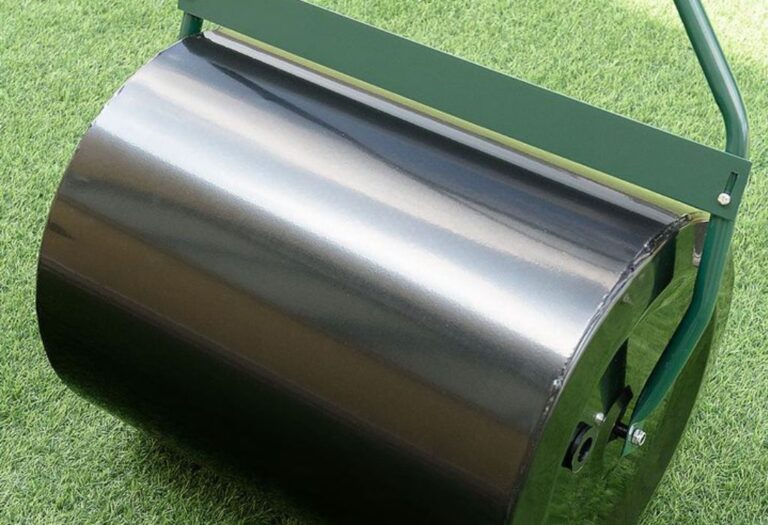
Water-filled lawn rollers are a common choice for homeowners. They’re typically made of steel and can be filled with water to increase their weight. They offer flexibility in terms of weight, as you can adjust the amount of water to suit your lawn’s needs. These rollers are generally easier to handle than sand-filled ones, especially when empty. They are often a good option for smaller lawns and tasks like leveling minor unevenness. They are also relatively inexpensive to purchase.
- Weight Adjustment: The ability to easily adjust the weight is a major advantage. You can fill the roller partially or completely, depending on the job. This flexibility lets you adapt to various soil conditions and lawn tasks. Adding more water increases the roller’s weight, making it effective for more demanding jobs like leveling.
- Ease of Use: Water-filled rollers are typically lighter when empty, making them easier to maneuver and store. This is particularly beneficial for smaller yards or if you have to move the roller frequently. The lighter weight can also reduce the effort needed during operation.
- Affordability: Generally, water-filled rollers are more budget-friendly than sand-filled ones. This makes them a great option for homeowners who aren’t looking to spend a lot on their lawn care equipment. The lower initial cost doesn’t sacrifice effectiveness for most common lawn care tasks.
- Maintenance: Water-filled rollers require regular maintenance to prevent rust and corrosion. You must drain the water after each use in the fall and winter to prevent the roller from freezing and cracking. Proper storage is also important to extend the roller’s life.
Sand-Filled Lawn Rollers
Sand-filled lawn rollers are heavier and more solid than their water-filled counterparts. They are constructed with a durable design, able to withstand more use and abuse. These rollers are the better choice for more intensive jobs. They are filled with sand or similar materials, providing consistent weight and pressure. These rollers excel at tackling more difficult jobs like leveling major bumps or compacting soil. They are often preferred for larger lawns, where the consistent weight is beneficial.
- Consistent Weight: These rollers offer a consistent weight that doesn’t fluctuate during use. This steady weight is useful for larger lawns or for more challenging tasks. It provides a uniform pressure across the lawn, which can be critical for leveling.
- Durability: The construction of sand-filled rollers is built to withstand heavy use. Their robust build ensures they can endure regular operation without as much wear and tear. They are ideal for lawns that need more frequent or intensive rolling.
- Effective Compaction: Due to their heavier weight, sand-filled rollers are often better at compacting soil. This can be beneficial for seedbeds and for areas prone to settling. The added weight helps push down soil particles.
- Storage Concerns: Sand-filled rollers are difficult to move and store due to their heavy weight. This means you will need a storage location that can easily accommodate the weight and size of the roller. This is important to consider before buying the roller.
Preparing Your Lawn Before Rolling

Getting your lawn ready before using the roller is key for getting the best results. It involves some prep work, but it’s worthwhile for a beautiful, level lawn. Start by mowing your lawn. Next, check for any obstacles. Finally, assess the moisture level of the ground. These steps will make the rolling process more effective and avoid damage to your lawn. Skipping these can lead to less-than-perfect outcomes.
Mowing Your Lawn
Mowing your lawn right before you roll it is an important step. Doing so allows you to see the terrain better. You can spot any uneven areas or obstacles that need attention before rolling. It also helps the roller make better contact with the soil and grass. A well-mowed lawn will give you a neater, more even result. This preparation also prevents the roller from catching on long grass blades, which could damage the turf.
- Height Adjustment: Adjust your mower to a suitable height for your grass type. Generally, keep your grass at the recommended height for your particular grass. This height helps maintain health while not interfering with the rolling process.
- Even Cut: Aim for an even cut across the entire lawn. Overlapping passes will ensure there are no uncut patches. This preparation helps the roller make uniform contact with the ground, making for a smooth result.
- Debris Removal: After mowing, remove any clippings, leaves, or other debris. This allows the roller to make full contact with the soil. Removing debris prevents the roller from unevenly distributing clippings.
- Mowing Direction: Vary your mowing direction each time you mow. This technique can reduce soil compaction. This keeps the grass from getting used to being flattened in one direction, thus promoting health.
Clearing Obstacles and Debris
Before rolling, make sure to clear your lawn of any obstructions. These can cause damage to your equipment or lawn. Removing these things will also help you get an even result when rolling. Inspect the lawn carefully, removing any items that might get in the way. It’s also a safety measure to prevent damage to the roller. A clean lawn makes for a better rolling experience.
- Remove Large Objects: Clear away large objects such as rocks, branches, toys, and other yard debris. These can cause the roller to snag or damage the lawn. Removing these objects protects both your lawn and equipment.
- Marking Hazards: Place markers around fixed hazards such as sprinkler heads or low-lying landscape features. This will help you avoid running over these areas. Marking hazards will give you better control when rolling.
- Addressing Bumps: Address any major bumps before rolling. You can do this by filling in low spots. You can also carefully shave down high spots. Addressing these concerns beforehand will enhance the smoothness.
- Inspect for Pests: Check for pests or disease, treating the lawn before you begin rolling. This will prevent damage to the turf. This precaution will help avoid spreading disease.
Assessing Soil Moisture
The amount of moisture in your soil has a big effect on rolling. You want the soil to be damp, but not too wet or dry. If the soil is too wet, the roller can compact the soil excessively, leading to poor drainage and unhealthy grass. If it’s too dry, the roller won’t be able to effectively level the surface. Testing the soil moisture will help you determine the optimal time to roll. Proper moisture leads to an even result.
- Watering Before Rolling: If the soil is dry, lightly water your lawn. Water it a day or two before you plan to roll. This helps the soil settle and gives it time to absorb the moisture. Remember, don’t overwater.
- Checking Soil Texture: Check the soil texture by squeezing a handful of soil. It should form a ball that crumbles easily when poked. If it’s too muddy, wait a few days. If it’s too dry, water the lawn.
- Weather Conditions: Pay attention to the weather forecast. Avoid rolling immediately after heavy rainfall, or during a drought. Choose a day with moderate temperatures. This will help the soil and grass handle the rolling better.
- Rolling Schedule: Plan to roll your lawn when the soil is most receptive. This often happens in the spring and fall. These seasons have ideal moisture levels and temperatures.
Rolling Techniques for a Smooth Lawn
Correct rolling methods are key to a smooth, healthy lawn. Proper technique will prevent you from damaging your turf. You’ll also get better results. Focus on even coverage, proper direction, and avoiding over-rolling. With the right technique, you will achieve that perfectly manicured look.
Rolling in the Correct Direction
The direction you roll can impact how well your lawn levels and looks. For the best outcome, roll in straight, overlapping lines. This method covers the entire lawn efficiently. It also minimizes any areas that might get missed. Overlapping each pass will prevent creating gaps. Varying your direction each time you roll will help to avoid compacting the soil in the same places. This practice is particularly beneficial for long-term lawn health and evenness.
- Straight Lines: Roll in straight lines to provide even coverage. This approach ensures all areas get rolled. It avoids any missed spots. Straight lines also create a uniform appearance, improving aesthetics.
- Overlapping Passes: Overlap each pass by a few inches to ensure complete coverage. This prevents any gaps. This method reduces the chances of leaving any areas unrolled.
- Varying Directions: Roll in different directions each time. This action will prevent soil compaction in the same direction. It will also reduce the risk of creating ruts or grooves.
- Starting Point: Start along the edge of your lawn and work your way across. This way, the starting point will get covered first. Then proceed with the rest of your yard.
Adjusting Speed and Pressure
How fast you roll and how much pressure you apply also impact the outcome. Using a slow, steady pace helps to level the ground effectively. Too much pressure can compact the soil. This will harm the grass. Adjusting your pace and pressure will prevent both negative impacts. It lets you get the results you want without damaging the lawn. This part of the technique will help you gain a perfectly manicured lawn.
- Controlled Speed: Maintain a slow, consistent pace while rolling. This allows the roller to settle the soil properly. It also ensures even results. A slower speed gives you better control.
- Controlled Pressure: Use the right amount of pressure for your lawn’s condition. For instance, you will need a lighter touch when you have newly seeded areas. It’s also important if you have delicate turf. Adjust the weight of your roller accordingly.
- Avoiding Sharp Turns: Avoid making sharp turns. This can damage the grass. Use smooth, gradual turns to protect your lawn.
- Monitoring the Results: Regularly check the results as you roll. If you see signs of soil compaction or damage, adjust your technique. You can modify your speed, pressure, or both.
Avoiding Over-Rolling and Lawn Damage
Too much rolling can harm your lawn. Over-rolling can compact the soil. This prevents the grass roots from getting air and nutrients. Watch out for signs of stress, such as yellowing grass. You should also watch for compacted patches. Know when to stop rolling. This will help keep your lawn healthy and looking its best.
- Regular Inspections: Regularly inspect your lawn. Check for any signs of damage. Keep an eye out for compacted patches, or other signs of stress. Frequent inspection can stop the problem early.
- Rolling Schedule: Follow a rolling schedule. Don’t roll more than once or twice a year. The ideal times are spring and fall. These periods allow the grass to recover and thrive.
- Correct Conditions: Avoid rolling when the soil is too wet or dry. Proper moisture levels are vital. The right moisture balance ensures the grass will not get damaged.
- Lifting the Roller: If you need to turn, lift the roller. Don’t drag it across the lawn. This prevents damage. This method helps maintain a healthy lawn.
Maintenance and Safety Tips When Rolling
Lawn roller maintenance and safety are both important. Proper care of your equipment will prolong its life. Taking precautions will also protect you. Taking care of these aspects means you’ll keep your lawn and yourself safe and in good condition. Regularly checking your roller will pay dividends. Following safety guidelines will help you roll your lawn with confidence.
Cleaning and Storing Your Lawn Roller
Keeping your lawn roller clean and in good condition will help it last longer. Clean the roller after each use. Proper storage is also important. This care will prevent rust. It will also protect the equipment from weather damage. Preparing your roller for storage is a simple but important task.
- Cleaning After Use: After each use, clean your roller. This helps to prevent rust and corrosion. You can rinse it with water and wipe it down. Make sure to remove any dirt, grass, and debris.
- Draining Water-Filled Rollers: If you have a water-filled roller, empty it before storage. This prevents freezing and cracking during cold weather. Drain all water from the tank.
- Safe Storage: Store your roller in a dry place. This can be a shed or garage. Keep it away from direct sunlight. This will help preserve the roller for a long time.
- Regular Inspections: Inspect your roller regularly for damage. Check the seams, handle, and filling port. If you see damage, address it promptly. This ensures the roller will continue to work well.
Safety Precautions During Operation
Safety should always be a priority. Use protective gear, like gloves and sturdy shoes. Being aware of your surroundings will help to avoid accidents. This will ensure you can roll your lawn without any harm. Safety precautions are important for both your lawn and your personal well-being. Proper safety habits will make the job much safer.
- Wearing Protective Gear: Wear gloves to protect your hands. Wear sturdy shoes to prevent injuries. These practices will protect you while rolling.
- Clear the Area: Before rolling, clear the area of obstacles. This includes pets, children, and any other hazards. This keeps everyone safe while rolling.
- Watch Your Feet: Pay attention to where you’re walking. Avoid uneven ground. Steer clear of any potential tripping hazards. Careful footing will help you prevent falls.
- Handling the Roller: Use the handle properly to control the roller. Ensure you can easily maneuver the roller. Always keep a firm grip on the handle.
| Rolling Scenario | Best Roller Type | Rationale |
|---|---|---|
| Leveling a small, slightly uneven lawn | Water-filled roller | Easy maneuverability, adjustable weight for minor corrections |
| Compacting a newly seeded area | Water-filled roller (partially filled) | Gentle compaction is needed to promote seed-to-soil contact |
| Leveling severe bumps and hollows in a large yard | Sand-filled roller | Heavy, consistent weight ensures thorough leveling and compaction |
| Maintaining a smooth surface on a well-established lawn | Water-filled roller (medium weight) | Periodic smoothing to remove minor imperfections without over-compaction |
Frequently Asked Questions
Question: When is the best time to use a lawn roller?
Answer: The best times to use a lawn roller are in the spring and fall. This is when the soil moisture is ideal, and the grass is actively growing and can recover easily after rolling. Avoid rolling during hot, dry periods.
Question: Can I use a lawn roller on wet grass?
Answer: No, you should not use a lawn roller on wet grass. Rolling wet grass can compact the soil excessively, leading to poor drainage and potentially damaging your lawn. Wait until the soil is damp but not soggy.
Question: How often should I roll my lawn?
Answer: Typically, you should roll your lawn no more than once or twice a year, depending on its condition. Over-rolling can damage the soil and the grass roots. Rolling in spring and fall is generally sufficient.
Question: What’s the difference between a water-filled and a sand-filled lawn roller?
Answer: Water-filled rollers are lighter and easier to maneuver, allowing you to adjust the weight by adding or removing water. Sand-filled rollers are heavier and offer consistent weight, making them suitable for leveling more significant irregularities and compacting the soil.
Question: How can I tell if my lawn is compacted?
Answer: Signs of compacted soil include water puddling on the surface, grass thinning out, and the soil feeling hard and difficult to dig into. You may also notice an increase in weeds, as they can thrive in compacted soil.
Final Thoughts
Knowing how to use a lawn roller can make a real difference in the look of your yard. We’ve explored the importance of choosing the correct roller and prepping your lawn for the best results. It’s key to remember the right rolling techniques, like going in straight lines and adjusting your speed and pressure. Always keep safety in mind, and take care of your equipment to make it last. Now that you’ve got this guide, you have the knowledge you need to get a great-looking, level lawn! Get ready to enjoy a beautifully smooth lawn that you can be proud of.