
Transferring liquids from one container to another can be messy and time-consuming if not done properly. Improper siphoning often results in spills, wasted liquids, and added cleanup, especially when dealing with large volumes.
Learning how to siphon with a garden hose safely prevents these issues and makes liquid transfer efficient. Many homeowners and DIY enthusiasts are unaware that a simple garden hose can be used to siphon liquids without manual suction or complicated equipment.
According to DIY Network, accidents caused by improper siphoning account for nearly 20% of minor liquid transfer incidents in home garages and gardens (diynetwork.com). Using the right technique reduces spills, conserves resources, and saves time.
Siphoning works by leveraging gravity and atmospheric pressure to move liquids from a higher container to a lower one. Correct setup, proper hose handling, and awareness of potential hazards are crucial for safe and effective siphoning.
Understanding Siphoning
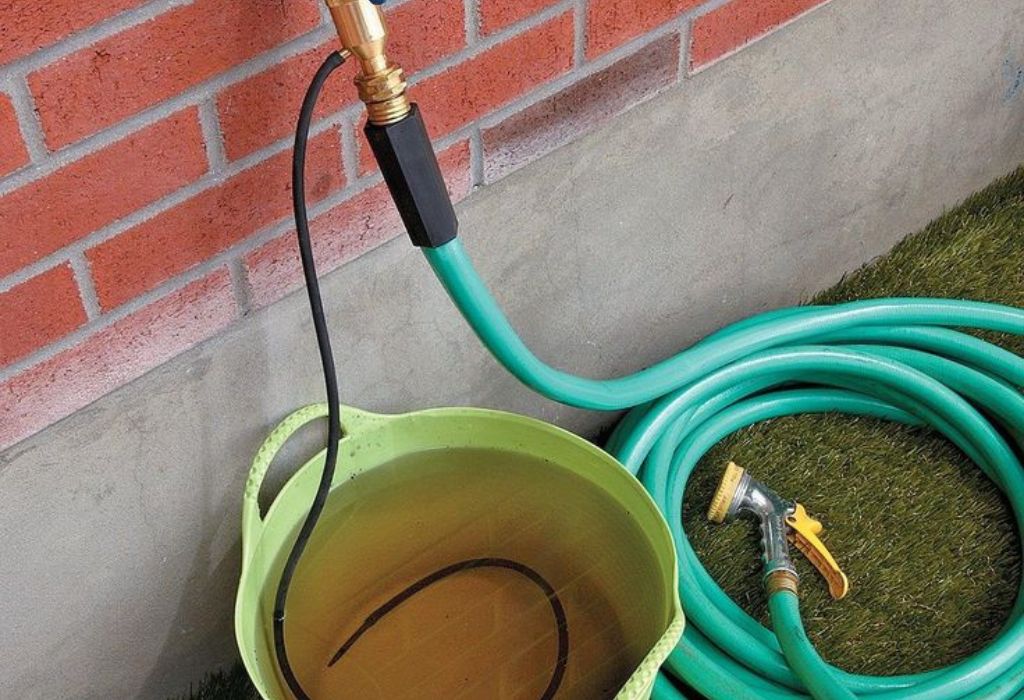
Siphoning is a simple yet effective method to transfer liquids from a higher container to a lower one without the use of pumps. This technique relies on gravity and atmospheric pressure to move the liquid through a conduit, such as a garden hose, ensuring controlled and efficient transfer.
What is Siphoning?
Siphoning is the process of moving liquid from one container to another using a tube or hose positioned so that one end is lower than the source. The liquid flows naturally due to the difference in height, eliminating the need for complex machinery or continuous manual effort. Proper siphoning allows safe and efficient transfer of water, fuel, or other liquids for gardening, household, and DIY tasks.
How It Works
The science behind siphoning involves gravity pulling the liquid down while atmospheric pressure pushes it from the higher container into the hose. Once the hose is filled and flow begins, the liquid continues to move until the source container reaches the level of the outlet. Understanding this principle ensures the siphon is set up correctly and prevents common issues like airlocks or backflow.
Common Uses
Siphoning is widely applied in gardening, home maintenance, and DIY projects. It is commonly used to drain water from aquariums, remove fuel from tanks, empty rain barrels, and transfer liquids between containers without spilling. Mastering this skill allows homeowners to save time and effort while reducing waste and mess during liquid transfer.
Safety Considerations
While siphoning is simple, safety precautions are important, especially when handling chemicals, fuels, or other hazardous liquids. Using gloves and goggles, ensuring proper ventilation, and keeping hoses clean prevents contamination and accidents. Additionally, using a hose dedicated to non-potable liquids avoids the risk of contaminating consumable water sources.
By understanding what siphoning is, how it works, and its common applications, homeowners can approach liquid transfer confidently. This foundational knowledge prepares users to gather the right materials and follow step-by-step procedures to siphon with a garden hose safely and efficiently.
Materials and Tools Needed for Siphoning
Having the proper materials and tools is essential for siphoning liquids with a garden hose efficiently and safely. Using the right equipment minimizes spills, prevents contamination, and ensures a smooth liquid transfer process.
Essential Materials
The primary materials needed include a standard garden hose, which should be long enough to reach from the source container to the destination container. Two containers are required: a source container placed at a higher elevation and a destination container positioned lower. For liquids like water, these simple items are often sufficient.
Optional Tools
Additional tools can enhance control and safety. Hose clamps can secure the hose ends and prevent leaks during siphoning. A funnel allows precise control of the flow into the destination container and helps prevent splashes. Gloves and safety glasses are recommended when siphoning hazardous liquids or chemicals.
Safety Considerations
Safety is crucial, especially when transferring fuels, chemicals, or other potentially hazardous liquids. Gloves protect hands from exposure, and goggles prevent splashes from reaching the eyes. It is important to ensure that hoses previously used for chemicals are not reused for potable water to prevent contamination. Proper labeling of hoses and containers also reduces the risk of accidents.
Preparing the Setup
Before beginning siphoning, ensure both containers are stable and placed on level surfaces. Verify that the hose is clean, free of cracks, and fully functional. Checking these details prevents leaks, contamination, and accidental spills during the siphoning process.
Benefits of Proper Preparation
Gathering the correct materials and preparing the setup properly enhances safety, efficiency, and control. Homeowners can siphon liquids quickly, reduce waste, and avoid the frustration and mess of improper siphoning techniques. With the right preparation, the siphoning process becomes predictable, safe, and repeatable for future tasks.
By assembling essential and optional tools, taking safety precautions, and properly setting up containers, homeowners are ready to siphon with a garden hose effectively. This preparation lays the foundation for successful, spill-free liquid transfer.
Step-by-Step Siphoning Process
Siphoning liquids with a garden hose can be safe and efficient when done correctly. Following a structured process ensures minimal spills, consistent flow, and effective liquid transfer.
Method 1 – Gravity Start
The gravity start is the simplest siphoning technique. Submerge the entire hose in the source container, filling it completely with liquid. Place one end in the lower destination container, ensuring the outlet is below the source liquid level. Slowly release the liquid, allowing gravity to initiate the flow. This method is ideal for water and other non-hazardous liquids.
Method 2 – Manual Suction
Manual suction can help start the siphon for thicker liquids or when a gravity start is not feasible. Briefly create a vacuum by sucking on the lower end until the liquid begins to flow. Immediately place the hose end into the destination container to maintain flow. Care must be taken to avoid ingesting or contacting hazardous liquids.
Method 3 – Pump or Bulb-Assisted Start
Using a siphon pump or squeeze bulb provides a safe alternative for hazardous or flammable liquids. Insert the pump or bulb in the hose, then squeeze to start the flow. This eliminates the need for manual suction and reduces the risk of spills or accidental ingestion. Once flow begins, remove the pump or bulb if desired, allowing the liquid to continue moving naturally.
Tips for Maintaining Flow
Ensure the destination container is always lower than the source to maintain continuous flow. Keep the hose filled with liquid at all times to prevent airlocks, which can stop the siphon. Avoid sharp bends and twists that may obstruct flow, and monitor the transfer to catch any leaks promptly.
Benefits of Following a Step-by-Step Process
A systematic approach to siphoning minimizes waste, prevents spills, and ensures controlled transfer. Homeowners can transfer water, fuel, or other liquids efficiently and safely, even for large volumes. Understanding and following these methods improves confidence and reduces the risk of accidents during siphoning tasks.
By using gravity, manual suction, or pump-assisted methods, homeowners can siphon with a garden hose effectively. These techniques enable safe, reliable, and spill-free liquid transfer for various home and garden applications.
Tips to Avoid Spills and Airlocks

Avoiding spills and airlocks is crucial for efficient and safe siphoning with a garden hose. Proper technique and careful setup ensure smooth liquid transfer and minimize mess or wasted resources.
Positioning the Hose Correctly
The height and placement of containers directly affect siphon performance. Always place the destination container lower than the source container to allow gravity to drive the liquid flow. Avoid sharp bends or loops in the hose, as these can trap air and stop the siphon. Ensuring the hose remains straight and unobstructed improves efficiency and prevents interruptions in the flow.
Maintaining Continuous Flow
A continuous flow prevents air from entering the hose, which can create airlocks that stop siphoning. Keep the hose fully filled with liquid before starting the siphon. Start the flow slowly to control splashing and prevent turbulence that might introduce air bubbles. Monitoring the flow throughout the transfer helps maintain consistent liquid movement.
Handling Viscous or Hazardous Liquids
Thicker or hazardous liquids require extra care to prevent spills and exposure. Use clamps or funnels to control the flow precisely into the destination container. Wear protective gloves, goggles, and appropriate clothing to avoid contact with harmful substances. Using a pump or bulb-assisted siphon can reduce the risk of spills and increase safety when handling chemicals or fuel.
Additional Tips for Efficiency
Ensure all hoses and containers are clean to prevent blockages or contamination. Check for leaks in the hose or fittings before starting the siphon. Plan the liquid transfer path to minimize distance and avoid obstacles, ensuring smooth and efficient siphoning.
Benefits of Preventing Spills and Airlocks
Following these tips ensures a safe, controlled siphoning process that conserves liquid and reduces cleanup. Homeowners can transfer water, fuel, or other liquids efficiently while minimizing risk and maintaining a tidy workspace.
By positioning the hose correctly, maintaining continuous flow, handling liquids carefully, and planning the transfer, homeowners can siphon with a garden hose effectively and without spills. Proper techniques enhance safety, efficiency, and overall confidence during liquid transfer tasks.
Common Mistakes and How to Avoid Them
Even experienced DIY enthusiasts can encounter issues while siphoning with a garden hose. Understanding common mistakes helps prevent spills, wasted liquids, and safety hazards during siphoning tasks.
Using an Improper Hose Length
Selecting the wrong hose length can interfere with siphon efficiency. A hose that is too short may not reach the destination container, while a hose that is excessively long can create resistance, slowing flow and increasing the chance of airlocks. Choosing a hose of appropriate length ensures consistent liquid transfer.
Not Priming the Hose
Failing to prime the hose is a frequent cause of siphoning problems. Air trapped inside the hose prevents liquid from flowing properly. To avoid this, ensure the hose is completely filled with liquid before initiating the siphon, whether by submersion, manual suction, or pump-assisted methods.
Improper Container Placement
The relative height of the source and destination containers is critical. If the destination container is higher than the source, gravity cannot drive the flow, preventing siphoning entirely. Always position the destination container lower to maintain continuous liquid movement.
Neglecting Safety Precautions
Skipping protective measures increases the risk of injury or contamination. Always wear gloves, goggles, and appropriate clothing when transferring hazardous liquids. Additionally, never use a hose previously exposed to chemicals for potable water to prevent contamination.
Benefits of Avoiding These Mistakes
By recognizing and preventing common errors, homeowners can ensure safe, efficient, and spill-free siphoning. Correct hose selection, proper priming, careful container placement, and adherence to safety practices enhance the reliability and effectiveness of liquid transfer.
Understanding these common mistakes equips homeowners to avoid unnecessary frustration and achieve predictable results. Proper planning and attention to detail allow siphoning with a garden hose to be safe, efficient, and effective for a variety of applications.
Advanced Applications of Garden Hose Siphoning
Siphoning with a garden hose is not limited to basic liquid transfer tasks. Understanding advanced applications allows homeowners and DIY enthusiasts to handle complex situations efficiently, safely, and with minimal waste.
Multi-Container Transfers
Garden hoses can be used to siphon liquid from a single source into multiple destination containers. By splitting the hose or using multiple hoses, homeowners can distribute water, fuel, or other liquids evenly without repeatedly moving containers. This technique is especially useful for irrigation, aquariums, or large-scale liquid storage tasks.
Outdoor Water Management
Siphoning is highly effective for outdoor water management. Homeowners can drain rain barrels, ponds, or pools efficiently without pumps, using gravity and hose placement to control flow. This method saves time, reduces energy use, and prevents spills compared to manual scooping or bucket transfers.
DIY and Emergency Uses
Beyond routine tasks, siphoning is valuable in emergencies or specialized DIY projects. It can help remove fuel from vehicles, transfer liquids for cleaning, or manage floodwater in basements and outdoor areas. Proper setup and safety precautions allow users to handle potentially hazardous liquids safely.
Combining Techniques
Advanced users can combine gravity siphon, manual suction, and pump-assisted methods to handle different liquid types and viscosity. For example, thicker liquids may require pump assistance, while water can often be siphoned using gravity alone. Knowing when and how to apply these methods ensures efficient and safe liquid transfer.
Benefits of Advanced Siphoning
Mastering advanced siphoning applications saves time, reduces waste, and improves control over liquid transfer tasks. Homeowners can tackle complex projects without spills, minimize manual effort, and handle liquids that might otherwise require specialized equipment.
By exploring multi-container transfers, outdoor water management, emergency applications, and combining siphoning techniques, homeowners can use a garden hose for versatile and efficient liquid handling. These advanced applications enhance both convenience and safety, expanding the usefulness of garden hose siphoning beyond simple transfers.
Safety Tips and Best Practices
Safety is paramount when siphoning with a garden hose, especially when handling hazardous, flammable, or chemical liquids. Following best practices ensures efficient, spill-free transfers and protects both users and the environment.
Chemical Safety
When siphoning chemicals, fuels, or other hazardous liquids, avoid direct contact with skin or eyes. Always wear gloves, goggles, and protective clothing. Never use hoses that have previously carried chemicals for potable water to prevent contamination. Label hoses and containers clearly to avoid confusion and accidental mixing of liquids.
Preventing Contamination
Maintaining clean hoses and containers prevents contamination of transferred liquids. Rinse hoses thoroughly before siphoning consumable liquids such as water or beverages. Avoid using hoses with debris, residue, or prior chemical exposure, as this can compromise the safety and quality of the liquid being transferred.
Proper Hose Handling
Handle hoses carefully to prevent kinks, twists, or damage that can interrupt flow or cause leaks. Ensure the hose is free from cracks, sharp bends, or worn areas before beginning the siphon. Position hoses along smooth paths and secure them with clamps or guides if necessary to maintain a consistent flow.
Monitoring and Control
Always monitor the siphoning process to catch spills, backflow, or unexpected interruptions promptly. Start slowly to control the initial flow, and keep containers stable to prevent tipping. For large volumes or hazardous liquids, consider using pump or bulb-assisted siphoning to maintain safer and more controlled transfers.
Benefits of Following Safety Practices
Adhering to safety tips and best practices reduces the risk of injury, chemical exposure, and accidental spills. It ensures a controlled, predictable siphoning process and prolongs the life of hoses and equipment. Homeowners can complete liquid transfers confidently and efficiently while minimizing environmental impact.
By implementing chemical safety measures, preventing contamination, handling hoses properly, and monitoring flow, homeowners can siphon with a garden hose effectively and safely. Following these best practices is essential for both routine and advanced siphoning tasks.
Conclusion
Mastering how to siphon with a garden hose allows homeowners and DIY enthusiasts to transfer liquids safely, efficiently, and without spills. By understanding the principles of siphoning, selecting the correct materials, and following proper techniques, users can achieve reliable and controlled liquid transfer for a wide range of applications.
Leaks, airlocks, and spills are common issues that can be prevented through correct hose positioning, continuous flow maintenance, and careful handling. Employing gravity, manual suction, or pump-assisted methods ensures smooth operation regardless of the liquid type or viscosity. Proper setup, including secure containers and clean hoses, further minimizes the risk of accidents or contamination.
Safety practices are essential, especially when handling chemicals, fuels, or other hazardous liquids. Wearing protective gear, preventing contamination, and monitoring flow throughout the siphoning process safeguard both the user and the environment. Clear labeling and dedicated hoses for different liquids further enhance safety and efficiency.
Advanced applications expand the usefulness of siphoning with a garden hose. Multi-container transfers, outdoor water management, emergency situations, and DIY projects all benefit from understanding the flexibility of siphoning techniques. Combining methods allows users to handle complex tasks confidently and with minimal waste.
By following the techniques and safety measures outlined in this guide, homeowners can siphon liquids efficiently while preventing spills, contamination, and unnecessary frustration. Understanding how to siphon with a garden hose empowers users to perform liquid transfer tasks with confidence, improving convenience, safety, and efficiency in both everyday and specialized situations.

I’m Maya L. Greenwood, a lifelong plant lover who believes anyone can grow something beautiful with the right guidance. After years of testing soil mixes, pruning methods, irrigation tricks, and pest-safe solutions, I started EasyGardenTips.com to turn hard-won lessons into step-by-step advice. From seed starting and container gardens to composting and seasonal checklists, my goal is to make gardening simple, sustainable, and fun.