How to Fix a Hole in a Garden Hose Without Replacing It
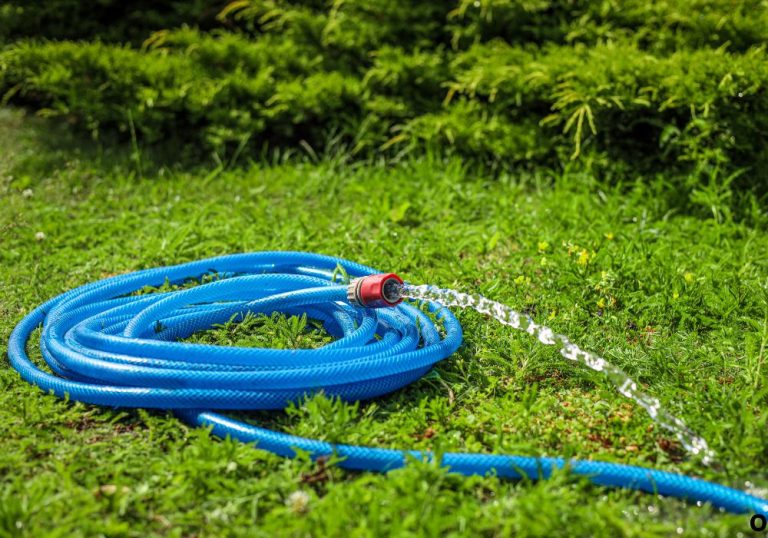
A hole in a garden hose can turn a simple watering task into a frustrating and wasteful experience. Even a small pinhole can reduce water pressure, spray unpredictably, and increase your water bills.
Understanding how to fix a hole in a garden hose without replacing it saves money, prevents water waste, and extends the life of your hose. Many homeowners are unaware that a quick repair can restore full functionality and maintain proper water flow.
According to the U.S. Environmental Protection Agency, household leaks waste nearly 1 trillion gallons of water each year (epa.gov). Timely repairs, including fixing hose holes, contribute significantly to water conservation and reduce unnecessary utility costs.
Holes can appear anywhere along the hose body or near connectors, often caused by kinks, UV exposure, or material wear. Proper identification of the leak and using the correct repair method ensures a long-lasting, reliable solution.
Identifying the Hole

Locating the hole in a garden hose is the first and most critical step in performing an effective repair. Proper identification ensures the correct repair method is chosen, prevents wasted effort, and restores full water flow efficiently.
Common Leak Locations
Leaks can occur in predictable areas along a garden hose. Small pinholes often develop along the hose body due to abrasion, UV exposure, or prolonged wear. Cracks commonly appear near connectors or couplings, which are stress points that undergo repeated bending and tightening. Kinks, sharp bends, or areas exposed to rough surfaces are also prone to leaks. Recognizing these patterns allows for quick diagnosis and effective repair.
Tools for Detection
Several simple tools and techniques help locate hose leaks. Visual inspection is often sufficient, with wet spots or spray patterns indicating the source. Turning on the water can highlight leaks that are less visible when the hose is empty. For hoses submerged or partially hidden, placing the hose in a shallow container of water and looking for bubbles helps identify escaping air or water.
Assessing Severity
Understanding the severity of the hole determines the appropriate repair method. Small pinholes or minor abrasions may be repaired using tape, sealant, or a hose mender kit. Larger splits, extensive cracks, or damaged connectors often require cutting out the damaged section and installing a replacement fitting. Pressure-related damage should also be evaluated, as it can affect the durability of the repair.
Importance of Proper Identification
Accurately identifying the hole prevents unnecessary replacements and ensures that the repair is long-lasting. Misdiagnosis can result in temporary fixes that fail quickly or exacerbate damage to the hose. By correctly locating and assessing the leak, homeowners save time, money, and water while maintaining a functional, efficient garden hose.
Systematic inspection using visual cues, simple detection techniques, and careful evaluation of damage lays the foundation for effective repairs. Proper identification is crucial before moving on to gathering tools, materials, and performing specific repair techniques to restore the hose to full functionality.
Tools and Materials Needed for Repair
Having the right tools and materials is essential for effectively repairing a hole in a garden hose. Using proper equipment ensures a durable, leak-free fix and prevents further damage that could result from improvised repairs.
Essential Tools
Several basic tools are necessary for most hose repairs. A utility knife or sharp scissors allows for precise cuts when removing damaged sections. Hose clamps, screwdrivers, or pliers secure hose menders or fittings, ensuring a tight, water-proof connection. A measuring tape helps mark the exact area to repair or cut, allowing for clean, accurate work.
Repair Materials
Selecting the appropriate repair materials is critical for long-lasting results. Rubber hose mender kits are designed to connect cut hose sections securely and restore full water flow. Waterproof or self-fusing silicone tape is ideal for sealing small pinholes or minor cracks. Replacement washers ensure fittings and connectors maintain a secure seal, preventing leaks at joint points.
Optional Materials
Depending on the type and location of the damage, additional materials may be useful. Quick-connect fittings can replace damaged connectors for faster, more convenient repairs. Adhesive sealants provide extra reinforcement for leaks, especially on hoses that experience high water pressure. Having spare washers, clamps, and tape on hand allows for quick maintenance without repeated trips to the hardware store.
Safety Equipment
Safety should never be overlooked during repairs. Gloves protect hands from cuts when using knives or handling stiff hoses, and safety glasses shield eyes from accidental water spray or debris. Using proper safety equipment minimizes risk and allows the repair process to be completed efficiently.
Importance of Preparation
Gathering all necessary tools, materials, and safety equipment before beginning a repair prevents interruptions and ensures a smoother workflow. Proper preparation increases the likelihood of a successful, long-lasting repair, reduces the chance of creating new leaks, and saves time. Homeowners who prepare adequately can address both small holes and larger splits effectively, restoring full hose performance quickly.
By assembling essential tools, repair materials, and safety equipment, homeowners are fully equipped to tackle any garden hose leak. This preparation is crucial before moving on to specific repair methods, which will restore the hose to reliable, leak-free functionality.
Repairing Small Holes and Pinholes
Small holes and pinholes in a garden hose are common problems that can waste water, reduce pressure, and make watering tasks frustrating. These minor leaks can often be repaired quickly and effectively without replacing the entire hose, saving both money and time.
Using Waterproof Tape
Waterproof or self-fusing silicone tape is one of the simplest and most effective solutions for repairing small holes. Begin by cleaning and drying the affected area thoroughly to ensure proper adhesion. Wrap the tape tightly around the leak, overlapping layers to cover the hole completely. Turn on the water to test the seal, and add extra layers if needed to maintain a leak-proof repair.
Applying Silicone Sealant
Silicone sealant provides a durable alternative for tiny holes along the hose body. Apply a thin layer of sealant directly over the hole, ensuring complete coverage. Allow it to cure according to the manufacturer’s instructions. Once cured, the sealant forms a waterproof barrier that prevents further leakage and maintains proper water pressure.
Hose Mender Kits
For slightly larger holes or pinholes near connectors, a hose mender kit can provide a more permanent solution. Cut out the damaged section of the hose using a clean, straight cut. Insert each hose end into the mender and tighten the clamps securely. This method restores full water flow and creates a reliable, leak-proof connection.
Tips for Durable Repairs
Proper preparation ensures that repairs hold over time. Always clean and dry the area before applying tape or sealant to improve adhesion. When using a hose mender, ensure the cut ends fit snugly in the mender and that clamps are tightened evenly. Test the repaired section under normal water pressure to confirm the fix holds.
Benefits of Repairing Small Holes
Repairing minor holes promptly prevents water waste, maintains consistent water pressure, and avoids further damage to the hose. Quick and effective repairs keep the hose functional for years, reducing the need for costly replacements. Understanding how to repair small holes empowers homeowners to maintain efficient, leak-free hoses for all outdoor tasks.
By using waterproof tape, silicone sealant, or hose mender kits, homeowners can effectively repair small holes and pinholes. These simple techniques restore water flow, save water, and extend the life of garden hoses.
Fixing Connector or Coupling Leaks

Leaks near connectors or couplings are a common source of water loss in garden hoses. Addressing these leaks properly ensures a secure, durable connection and restores full water flow without the need to replace the entire hose.
Replacing Washers
One of the simplest solutions for connector leaks is replacing worn washers. Turn off the water and disconnect the hose from the faucet or nozzle. Remove the old washer and insert a new rubber washer that fits snugly inside the connector. Tighten the fitting carefully, avoiding over-compression, which can damage the washer and cause additional leaks.
Re-securing Hose Clamps
Loose hose clamps can also lead to leaks at couplings. Inspect each clamp for proper placement and tightness. Use a screwdriver or pliers to adjust the clamp so it firmly secures the hose to the connector. Ensure that the hose is seated correctly and that the clamp does not pinch or distort the hose material, as this can create new weak points.
Replacing Damaged Fittings
If the connector itself is cracked, corroded, or otherwise damaged, replacement is often the best solution. Remove the damaged fitting and install a new one that matches the hose size and thread type. Standard Garden Hose Thread (GHT) fittings provide a secure, leak-proof connection. After replacement, test the hose under normal water pressure to ensure the repair is successful.
Tips for Durable Connector Repairs
Using high-quality washers, clamps, and fittings improves the longevity of repairs. Avoid over-tightening connectors, which can crack fittings or compress washers excessively. For added durability, consider using thread seal tape on the fittings to reinforce the seal and prevent minor leaks.
Benefits of Fixing Connector Leaks
Repairing connector leaks restores proper water pressure, reduces water waste, and prevents frustration during watering tasks. Timely maintenance of fittings prolongs hose life and avoids further damage to the hose body.
By replacing washers, re-securing clamps, or installing new fittings, homeowners can efficiently fix leaks at connectors and couplings. These repairs ensure a durable, leak-free connection and improve overall hose performance.
Repairing Larger Splits or Kinks
Larger splits or kinks in a garden hose require more involved repairs than small pinholes, but they can be fixed effectively without replacing the entire hose. Properly addressing these damages restores water flow, prevents further leaks, and extends the hose’s lifespan.
Cutting Out Damaged Sections
Locate the split or kink along the hose and mark the area to be removed. Use a sharp utility knife or scissors to make a clean, straight cut. Ensuring the cut edges are even is crucial for a secure connection when inserting a hose mender. Jagged or uneven cuts can compromise the seal and reduce repair durability.
Using a Hose Mender
A hose mender is an effective tool for reconnecting cut sections of a hose. Insert each cut end into the mender until fully seated. Tighten the clamps on both sides using a screwdriver or pliers to create a leak-proof connection. The mender bridges the damaged section and restores the hose’s functionality without replacing it.
Reinforcing Repairs with Tape
For added durability, wrap self-fusing silicone or waterproof tape around the repaired section. This reinforcement protects the hose from minor abrasions and pressure fluctuations. Ensure multiple layers cover the joint for maximum durability while maintaining flexibility in the hose.
Preventing Future Kinks
Proper hose handling and storage can prevent recurring kinks and splits. Use hose reels, guides, or stakes to maintain smooth curves and avoid sharp bends. Avoid dragging the hose over rough surfaces or forcing it around corners, which can create stress points prone to splitting.
Benefits of Repairing Large Splits
Repairing larger splits preserves water flow, reduces waste, and prolongs the hose’s life. Homeowners avoid the cost of replacing the hose entirely while maintaining efficient watering for gardens, lawns, and outdoor cleaning tasks. Properly executed repairs ensure the hose can withstand high-pressure usage and repeated bending.
By cutting out damaged sections, using a hose mender, and reinforcing the repair with tape, homeowners can restore larger splits or kinks effectively. These techniques provide a reliable, durable solution that maintains full hose performance.
Preventing Future Leaks
Preventing future leaks is essential for maintaining the longevity and efficiency of a garden hose. Regular maintenance and proper handling reduce the risk of damage, preserve water pressure, and minimize water waste.
Proper Storage Techniques
How a hose is stored has a significant impact on its lifespan. Coiling hoses loosely on reels or hooks prevents kinks, twists, and bends that can weaken the hose material. Avoid dragging hoses across rough surfaces, which can cause abrasions or punctures. Proper storage also protects the hose from prolonged sunlight, which can degrade the material over time.
Avoiding Kinks and Twists
Frequent kinking or twisting is a common cause of leaks. Using hose guides, stakes, or reels helps direct hoses along smooth paths and prevents sharp bends. Avoid forcing the hose around tight corners or wrapping it too tightly, as these actions create stress points that may develop into holes or splits.
Regular Maintenance
Routine inspections can catch minor issues before they become serious problems. Check for small cracks, weakened areas, or loose fittings and repair them promptly. Replacing worn washers and tightening connectors ensures a secure seal, preventing water from escaping at joints.
Seasonal Care
Seasonal maintenance significantly extends hose life. Before winter, drain all water and store the hose in a cool, dry location to prevent freezing and cracking. During summer, avoid leaving hoses in direct sunlight or on hot surfaces, as excessive heat can soften or warp the hose material.
Benefits of Preventative Practices
Proactively preventing leaks reduces water waste, maintains proper pressure, and minimizes the need for frequent repairs. Well-maintained hoses provide consistent water flow, save money on replacements, and make outdoor watering tasks more efficient.
By implementing proper storage, avoiding kinks, conducting regular inspections, and accounting for seasonal conditions, homeowners can prevent future leaks and maintain reliable garden hose performance. These practices ensure that hoses remain functional and efficient for years to come.
Seasonal Considerations

Seasonal changes can significantly impact the performance and lifespan of a garden hose. Understanding how weather affects hoses helps prevent leaks, maintain water flow, and extend durability throughout the year.
Winterizing Hoses
Cold temperatures pose a risk to garden hoses because water trapped inside can freeze and expand, causing cracks or splits. Before winter, drain all water from the hose and store it in a cool, dry indoor location. Disconnect nozzles, fittings, and sprinklers to prevent damage to both the hose and accessories. Proper winter storage reduces the risk of leaks and prepares the hose for use in the next season.
Summer Care
Excessive heat and prolonged UV exposure can degrade hose material, leading to brittleness, fading, or cracks. Avoid leaving hoses on hot surfaces such as concrete or asphalt for long periods. Storing hoses in shaded areas or using protective covers shields them from direct sunlight and minimizes damage.
Inspecting for Seasonal Wear
Regular inspection during seasonal transitions helps identify early signs of wear. Look for minor cracks, weak spots, or abrasions that may worsen under extreme temperatures. Timely maintenance, such as replacing washers, tightening fittings, or applying protective tape, prevents small issues from escalating into major leaks.
Adjusting Usage According to Season
Water flow requirements may vary with the season. During summer, higher temperatures increase plant water needs, which may require longer watering sessions or multiple hoses. In winter, even if using hoses indoors, lower temperatures and pressure variations necessitate careful handling to avoid damage.
Benefits of Seasonal Awareness
Being proactive about seasonal care preserves hose integrity, prevents leaks, and maintains consistent water delivery. Seasonal maintenance reduces repair costs, prolongs hose lifespan, and ensures efficient, reliable performance year-round.
By incorporating winterizing techniques, summer protection, inspections, and usage adjustments, homeowners can minimize the risk of leaks and damage caused by seasonal changes. Proper seasonal management ensures garden hoses remain functional, durable, and efficient for long-term outdoor use.
Conclusion
Understanding how to fix a hole in a garden hose is essential for homeowners who want to maintain efficient, reliable, and long-lasting hoses. Prompt repair of leaks prevents water waste, restores proper water pressure, and extends the hose’s lifespan, saving both time and money.
Leaks can occur anywhere along the hose, from small pinholes to larger splits or at connectors and couplings. Proper identification of the leak allows homeowners to select the most effective repair method, whether it’s using waterproof tape, silicone sealant, hose mender kits, or replacing washers and fittings.
Having the right tools and materials ensures durable, leak-free repairs. Essential items include utility knives, hose clamps, pliers, mender kits, rubber washers, and self-fusing tape. Safety equipment such as gloves and protective eyewear minimizes risk during the repair process.
Preventative measures play a key role in avoiding future leaks. Proper storage, avoiding kinks and twists, regular maintenance, and seasonal care protect hoses from environmental damage. Winterizing hoses prevents freezing and cracking, while summer care protects against UV exposure and heat-related wear.
Timely inspections and proactive maintenance reduce repair costs and maintain consistent water flow. Regularly checking for worn washers, loose fittings, or cracks helps catch minor issues before they become major problems. Combining repair knowledge with preventative strategies ensures hoses remain functional and efficient for all outdoor watering tasks.
By following the techniques outlined in this guide, homeowners can confidently repair small holes, larger splits, and connector leaks. Applying proper storage and seasonal care practices further prolongs hose life. Understanding how to fix a hole in a garden hose empowers users to maintain leak-free, durable, and reliable hoses, improving efficiency and water conservation for every outdoor task.

I’m Maya L. Greenwood, a lifelong plant lover who believes anyone can grow something beautiful with the right guidance. After years of testing soil mixes, pruning methods, irrigation tricks, and pest-safe solutions, I started EasyGardenTips.com to turn hard-won lessons into step-by-step advice. From seed starting and container gardens to composting and seasonal checklists, my goal is to make gardening simple, sustainable, and fun.