String Trimmer Shaft Turns But Head Doesn’t Spin: Fix It Now
Having your string trimmer shaft turning but head not spinning is a common problem. It’s frustrating when your trimmer won’t work, especially when you need to get your yard work done. This can be confusing for anyone using a string trimmer for the first time. Don’t worry, though; we’ll break down the issue step-by-step, making it easy to fix. We’ll show you how to diagnose the problem and get your trimmer working again. Let’s explore how to get your yard looking its best!
Possible Issues When Your Trimmer Doesn’t Trim
When you fire up your string trimmer and the engine or motor runs, but the cutting head stays still, something is wrong. The issue can stem from several areas, ranging from simple fixes to more complex mechanical problems. You might face issues with the connection between the engine/motor and the cutting head, the cutting head components, or the inner workings of the trimmer. Determining the exact source needs some basic troubleshooting. Fortunately, you can often solve the problem by following a series of checks and adjustments.
Examining the Drive Shaft Connection
The drive shaft is a vital component. It’s responsible for transferring power from the engine or motor to the cutting head. If the drive shaft isn’t correctly connected or is damaged, the head won’t spin. This connection can become loose due to vibrations during use or wear and tear. You can visually inspect the connection points to see if they’re intact and tight. In some string trimmers, the drive shaft might use a flexible cable. If this cable breaks or becomes disconnected, the power transfer is broken, and the head won’t spin.
- Check the connection points. Look for any loose screws, bolts, or clips that secure the drive shaft to both the engine/motor and the cutting head. Tighten them if necessary.
- Inspect the drive shaft itself. Examine the shaft for any signs of damage, such as bends, breaks, or wear. A damaged drive shaft needs replacement.
- If it’s a flexible cable, check for disconnection. Disconnect the head and motor connections carefully, and ensure that the flexible shaft is intact and properly seated in the housing.
- Listen for unusual noises. While the trimmer is running, any grinding, clicking, or rattling sounds coming from the drive shaft area indicate a possible problem with the internal components.
Inspecting the Cutting Head
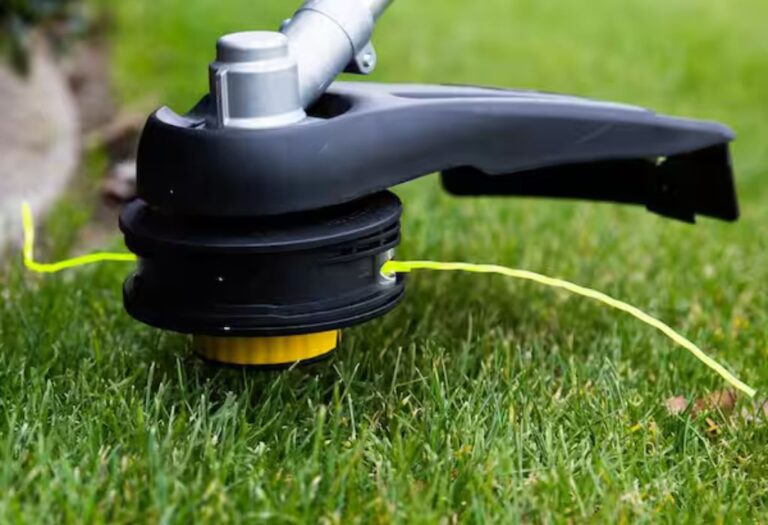
The cutting head is where the magic happens; it’s the business end of your string trimmer. Inside the head, there are several components that must work correctly for the string to spin and cut grass. If any of these parts fail or get clogged, the cutting head stops working even if the drive shaft is turning. Checking these parts is a key step in diagnosing why the head is not spinning. It involves taking the head apart to inspect the string, the spool, and the other internal parts.
- Examine the string. The string could be jammed or tangled inside the head. Remove the spool and inspect the string for any snags or breaks.
- Check the spool and its housing. The spool needs to spin freely within the housing. Look for any debris, like old grass, that might be preventing it from turning. Clean the spool and housing as needed.
- Inspect the eyelets. The eyelets are the small holes where the string exits the head. They can get clogged with debris. Clear any obstructions from the eyelets using a small tool, like a needle or wire.
- Test the string advancement mechanism. Some trimmers have a bump feed or auto-feed system. Make sure these systems are functioning correctly, so the string can advance when needed.
Consider a situation where you’re trimming tall grass. If the string is too short or has worn out, it can get tangled and prevent the head from spinning. This happens because the string is caught on the grass, putting stress on the head. Imagine a scenario where the head gets tangled with a thick weed, and the head stops, even if the shaft spins. This illustrates why proper string maintenance and head inspection are crucial. You can often prevent these issues by regularly checking your string and head.
Troubleshooting Mechanical Problems Affecting the Head

Sometimes, the issues are internal, which means something inside the trimmer’s mechanics isn’t working right. The clutch, gears, or the engine’s or motor’s ability to transfer power may be at fault. Getting into the mechanical aspects can be trickier, but knowing these potential problems will help you address the issue. Identifying these problems often requires some mechanical know-how or a willingness to learn. You might need to disassemble parts of the trimmer or take it to a repair shop if you are not comfortable doing so.
The Clutch System
The clutch is a critical component, especially in gas-powered trimmers. Its job is to engage and disengage the drive shaft from the engine. This allows the engine to idle without the cutting head spinning. If the clutch malfunctions, it might not transfer power to the shaft, even though the engine runs. The clutch itself can wear out, the springs can break, or it can get dirty. Clutch problems manifest as the engine running fine, but the cutting head stays still. This is especially true when starting a gas trimmer after a period of non-use, because the clutch might not engage.
- Inspect the clutch components. Look for wear and tear, and check for any broken parts, like springs.
- Check the clutch engagement. The clutch should engage at a certain engine speed. If it doesn’t engage, it means the clutch might be worn or faulty.
- Test the engine’s power transfer. If the clutch seems fine, the issue could be with the engine. Check the engine’s power output to ensure it’s sufficient to drive the head.
- Consult the manual. If you’re not familiar with the clutch system, refer to your string trimmer’s manual for guidance on how to inspect and troubleshoot it.
Gearbox Failure
Many string trimmers have a gearbox located at the cutting head. This gearbox uses gears to transfer power from the drive shaft to the head and to change the speed or direction of rotation. Gearbox failure can be another source of trouble when the string trimmer shaft turning but head not spinning. Gears can wear down over time due to friction, the grease inside the gearbox can dry up, or the gearbox may get damaged due to impact. When the gears are worn, they can fail to mesh properly, leading to a loss of power transfer to the cutting head.
- Check for gear damage. Open the gearbox (if possible, refer to the manual for how to do this safely) and inspect the gears for any chipped, broken, or worn teeth.
- Evaluate the lubrication. The gears need lubrication to reduce friction and wear. If the grease is dry or insufficient, it can cause the gears to fail.
- Listen for unusual noises. Grinding or clanking sounds from the gearbox while the trimmer is running could indicate gear problems.
- Test the head’s rotation by hand. After you’ve inspected the gears and reassembled the cutting head, try to turn the head by hand to see if it rotates freely.
Engine or Motor Problems
While the engine or motor itself might be running, it may not be delivering enough power to the drive shaft. This could be due to several issues, such as fuel problems in a gas engine or motor problems in an electric trimmer. These problems might lead to a string trimmer shaft turning but head not spinning because the engine or motor lacks the power to turn the cutting head under load. If the engine doesn’t produce enough power, or if the motor’s internal components wear out, the drive shaft may turn slowly or fail to engage the cutting head completely.
- Inspect fuel delivery (for gas trimmers). Ensure the fuel lines are not clogged and that the carburetor is functioning correctly. A dirty carburetor can cause a lack of power.
- Check the spark plug. A faulty spark plug may prevent the engine from running at full power. Check it for damage and replace it if needed.
- Examine the motor’s brushes (for electric trimmers). Worn brushes can reduce the motor’s efficiency. Replace the brushes if necessary.
- Test the engine/motor. If you suspect the engine or motor is the problem, seek professional help for diagnosis and repair.
Electric Trimmer Solutions
Electric trimmers offer a different set of issues compared to gas trimmers. Problems like a seized motor, damaged wiring, or a malfunctioning start switch can lead to the string trimmer shaft turning but head not spinning. Solving these issues requires a different approach, often involving electrical testing and component replacement. Electric trimmers are generally easier to troubleshoot and repair because they have fewer moving parts than gas trimmers. Yet, understanding how to address these electrical problems is still very important.
Examining Electrical Connections and Wiring
Electric trimmers rely on a network of wiring and connections to power the motor and make the cutting head spin. A break or disconnect in any of these pathways will disrupt the flow of electricity, and the head won’t work. The wiring can become damaged due to wear, exposure to the elements, or accidental cuts. Regular inspections will help detect issues before they become major problems. Always make sure the trimmer is unplugged before you start inspecting the electrical components.
- Check the power cord. Inspect the power cord for any cuts, frays, or damage. Replace the cord if any damage is found.
- Inspect the switches. Test the on/off switch to ensure it is working correctly. A faulty switch may prevent the motor from starting.
- Look for loose connections. Examine the connections inside the trimmer. They can become loose over time. Secure any loose wires.
- Use a multimeter. A multimeter can help you test for continuity and voltage. This will help you find where the electrical problem is.
The Motor’s Role
The motor is the heart of an electric trimmer, directly driving the drive shaft. If the motor fails, the string trimmer shaft turning but head not spinning will be your problem. Motor failure can be caused by excessive use, overheating, or internal wear and tear. Overheating can occur when the motor is used for extended periods. When the motor is overworked, it can cause the internal components, such as the brushes, to wear out quickly. This will reduce its efficiency. Regularly checking the motor’s performance can prevent a complete failure.
- Inspect the motor brushes. If your trimmer has brushes, inspect them for wear and replace them if necessary.
- Listen for unusual sounds. Grinding, squealing, or humming noises from the motor might indicate damage.
- Test the motor. Use a multimeter to test for continuity and voltage in the motor. This can help diagnose if it’s working correctly.
- Consider replacement. If the motor is faulty, you may need to replace it. A motor replacement will usually require removing the old motor and installing a new one.
Overcoming Motor Issues
When an electric trimmer’s motor goes bad, you might see signs like smoke, a burning smell, or the motor not starting at all. Replacing the motor is usually necessary to get the trimmer back to work. Because the motor is a key component, ensuring its proper functioning is important. You’ll need to remove the old motor, get a replacement, and install it. This might sound complex, but following the right steps will help you resolve the issue efficiently. Refer to your string trimmer’s manual for specific instructions.
- Disconnect power. Before you start, unplug the trimmer from the electrical outlet.
- Open the housing. Access the motor by opening the trimmer’s housing. Follow the instructions in the manual.
- Remove the old motor. Disconnect any wires connected to the motor, and remove it from its mounting.
- Install the new motor. Place the new motor in the same spot, and connect any wires.
Gas Trimmer Fixes
Gas trimmers have a different set of potential problems. They have more complex engines and mechanical systems. The carburetor, fuel lines, spark plugs, and air filters are some of the key components that need attention. Problems in these parts can lead to a string trimmer shaft turning but head not spinning and will leave your yard unkempt. Gas trimmers need regular maintenance to keep them working well, including fuel system and engine checks. Following these steps can help keep your trimmer working.
Fuel System Trouble
The fuel system is a key part of gas trimmers. It supplies fuel to the engine. If there are problems with fuel delivery, the engine may not run or run properly. These problems include clogged fuel lines, dirty carburetors, or old fuel. When fuel flow is disrupted, the engine might stall or fail to start. The issue can usually be resolved by cleaning, replacing, or adjusting the components. Regular maintenance of the fuel system will keep your trimmer working and prevent any unwanted problems.
- Check fuel lines. Inspect the fuel lines for any cracks or clogs. Old fuel can cause the lines to deteriorate.
- Clean or
- Drain and
- Check the fuel filter. If your trimmer has a fuel filter, check for clogs, and replace it as needed. A clogged filter will reduce the fuel flow.
Spark Plug Problems
The spark plug ignites the fuel-air mixture. If the spark plug is faulty, the engine won’t start, or it might run poorly. The plug can become fouled with carbon deposits, or it might wear out over time. Spark plug problems are quite common. Regularly checking the spark plug and replacing it when needed can prevent engine starting issues. If the spark plug fails, the engine might not start, or it might run roughly. Regular inspection of the spark plug is essential to keep your trimmer operating at its best.
- Check for damage. Inspect the spark plug for cracks or damage. Replace any damaged spark plugs.
- Clean the spark plug. Remove any carbon deposits from the plug using a wire brush or spark plug cleaner.
- Check the gap. Make sure the gap between the electrodes is correct. Use a spark plug gap tool to measure and adjust the gap.
Air Filter Maintenance
The air filter stops dirt and debris from entering the engine. A clogged filter will restrict airflow, reducing engine performance and potentially causing the engine to fail. A dirty air filter will cause the engine to struggle or not start. Regularly cleaning or replacing the air filter is key. Always do this maintenance to ensure proper airflow to the engine. If the air filter becomes clogged, the engine will run poorly and the string trimmer shaft turning but head not spinning.
- Inspect the air filter. Check the air filter for dirt and debris.
- Clean the air filter. Remove the air filter and clean it according to the manufacturer’s instructions.
- Replace the air filter. If the air filter is too dirty or damaged to clean, replace it.
- Ensure a good seal. Make sure the air filter is installed properly.
Simple Steps to Solve Common Issues
Many of the problems that cause the string trimmer shaft turning but head not spinning are easily fixed at home. This is often the case when dealing with string tangles, head issues, or drive shaft problems. By following a step-by-step approach, you can save time and effort. Here’s how to tackle some common issues and get your trimmer working again. By using these simple steps, you can get the trimmer working.
- Check the String. Remove the spool and inspect the string. Replace it if it is broken or tangled.
- Clean the Head. Remove any grass or debris from the cutting head and around the spool.
- Inspect the Drive Shaft. Check for any loose connections. Tighten any loose parts.
- Check the Clutch (for gas trimmers). If your trimmer has a clutch, ensure it engages correctly.
- Ensure a Good Power Supply. Check the fuel level (gas trimmers) or the power cord (electric trimmers).
These troubleshooting steps are an easy way to solve common problems and keep your yard looking tidy. You’ll be back to trimming in no time!
Advanced Troubleshooting and When to Get Help
Sometimes, the problem goes beyond simple fixes, like a string trimmer shaft turning but head not spinning caused by mechanical issues. When you’ve exhausted the basic troubleshooting steps, you may need to investigate the complex parts of the trimmer. This might mean diagnosing internal component issues or seeking professional help. Knowing when to call a professional can save you time and money. It also helps prevent you from causing more damage by attempting repairs you are not prepared for.
Recognizing Complex Issues
Complex problems include internal mechanical issues with the gears, engine problems, or motor failure in electric trimmers. It can also involve the clutch or any other internal component. Diagnosing these issues requires specialized tools and expertise. If you’re not experienced with these kinds of repairs, it’s best to get professional help. Trying to fix complex issues without the right skills or tools may lead to more damage to your trimmer.
- Persistent Noises. Unusual sounds, like grinding or clanking, coming from the gearbox or engine.
- Loss of Power. The engine or motor won’t start or runs at low power, even after basic troubleshooting.
- Component Damage. Visible damage, such as broken or worn parts inside the trimmer’s internal components.
- Unexplained Issues. You can’t identify the cause of the problem after trying several troubleshooting steps.
Seeking Professional Assistance
If you face complex problems, it is best to take your trimmer to a professional repair shop. Professional mechanics have the expertise and special tools to diagnose and repair your trimmer. They can accurately identify the problem and carry out repairs safely and efficiently. If the trimmer is under warranty, taking it to a professional is often the best choice. This ensures the repairs are covered. By choosing a professional, you will restore your trimmer to its working condition, minimizing the risk of further damage.
- Choose a Trusted Repair Shop. Look for a repair shop with good reviews and experienced mechanics.
- Provide Detailed Information. Explain the issue and the steps you have taken to troubleshoot it.
- Ask for an Estimate. Ask the repair shop for an estimate before any repairs are done.
- Ask About Warranty. Find out if the repair shop provides any warranty on the parts and labor.
Frequently Asked Questions
Question: Why is my string trimmer shaft turning but head not spinning?
Answer: Several factors can cause this, including a damaged or disconnected drive shaft, a jammed or tangled cutting head, or internal mechanical failures like a bad clutch or gearbox.
Question: How do I know if the drive shaft is the problem?
Answer: Check the drive shaft for any bends, breaks, or loose connections. Listen for any unusual noises during operation.
Question: What should I do if the cutting head is not spinning?
Answer: Remove the spool and string. Check for tangles or debris that may be obstructing the head’s rotation.
Question: How do I maintain my string trimmer’s cutting head?
Answer: Regularly inspect the string, spool, and eyelets. Clean any debris and ensure the string advances correctly.
Question: When should I take my string trimmer for professional repair?
Answer: If you have exhausted basic troubleshooting steps and you are still experiencing issues, or if you identify internal mechanical problems, it’s time to take the trimmer to a professional.
Final Thoughts
When the string trimmer shaft turning but head not spinning, it can halt your yard work. But the good news is that these problems often have simple solutions. By understanding the common causes, like drive shaft issues or cutting head problems, you can take action. You can often fix these problems by checking connections, inspecting the head, and performing some basic cleaning or adjustments. Knowing when to explore the mechanics or ask for professional help is also important. Armed with this information, you can get your trimmer back in action and maintain a tidy yard.