How to Edge Driveway With String Trimmer: A Simple Guide
Learning how to edge driveway with string trimmer is a common task for many homeowners. It might seem tricky at first, especially if you’re new to yard work. Don’t worry, it’s easier than you think! We’ll break down the process step-by-step, making it simple and straightforward. You’ll soon be edging like a pro! Let’s get started, and in just a few steps, you’ll be well on your way to a neatly edged driveway.
Choosing the Right Tools for the Job
Before you begin, selecting the correct equipment is key. Using the right tools makes the task easier and ensures the best results. This isn’t just about grabbing any string trimmer; understanding the different types and their features will impact the outcome. It’s about efficiency and the final look. We’ll explore which trimmers work best, the ideal string type, and why safety gear is a must. Knowing the specifics helps you avoid frustration and get professional-looking edges.
Types of String Trimmers: What Works Best
String trimmers come in various forms, each with its strengths. Electric trimmers are suitable for smaller yards. They’re quiet and easy to start, making them perfect for beginners. Gas-powered trimmers provide more power, ideal for thicker grass and larger areas. They are more powerful, so they can handle more challenging tasks like edging. Battery-powered trimmers are a good middle ground, offering portability and decent power without the hassle of cords or gas. Choosing the appropriate type depends on the size of your driveway, the type of grass you have, and your personal preferences.
- Electric Trimmers: Electric trimmers are often the simplest. They plug into an outlet. They’re lighter and easier to maneuver, making them great for smaller driveways.
- Gas-Powered Trimmers: Gas trimmers deliver the most power. They’re ideal for tougher jobs with thick grass or extensive edging. They may require some maintenance.
- Battery-Powered Trimmers: These trimmers offer a good blend of portability and power. They’re quieter than gas trimmers and are easy to use.
- Edger Attachments: Some trimmers can use edging attachments, which make getting a clean edge easier. These attachments help to guide the string.
Electric trimmers are a good place to start, especially if you’re new to the task. Gas trimmers are usually best for heavy-duty jobs. Battery-powered options offer a balance of power and convenience. When selecting, consider the size of your property and the amount of grass you’ll be dealing with. A well-chosen trimmer sets the foundation for neat edges.
The Importance of String Type and Thickness
The type and thickness of the string you use significantly impacts the edging result. There are different shapes, thicknesses, and materials to pick from. The right string cuts cleanly and lasts longer, so you don’t have to change it as often. Many common string trimmers use a round string, which is great for general use. However, consider upgrading to a more durable option for better results. This section will help you select the best string. Choosing the appropriate string type will reduce your effort and improve the finished look of your driveway edges.
- Round String: This is the most common and affordable type. It’s suitable for regular grass but may wear down quickly.
- Twisted String: Twisted string offers a longer lifespan and cuts through thicker grass more easily. It’s good for tougher jobs.
- Square or Star-Shaped String: These string shapes provide a cleaner cut. They’re designed for edging and can handle more challenging vegetation.
- String Thickness: Thicker string lasts longer but may require more power from the trimmer. Thinner string is good for lighter tasks.
For most edging tasks, a twisted or square-shaped string will perform better than a basic round one. The choice of string also depends on the type of grass and any other plant growth around your driveway. Thicker string is better for jobs that involve a lot of hard surfaces like concrete and asphalt. By picking the right string, you’ll improve your edging efficiency and have more satisfying results.
Safety Gear: Protecting Yourself
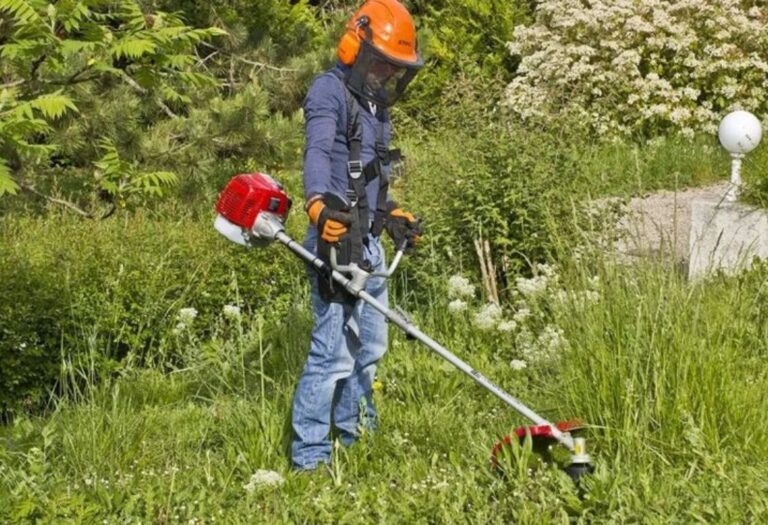
Safety should always be your top concern when using a string trimmer. Always protect your eyes, ears, and body. It’s easy to overlook these basics, but they make a real difference. Safety glasses are a must to protect your eyes from debris. Hearing protection will prevent damage from the loud engine noise. Covering your skin will protect you from flying grass clippings and string fragments. Taking these steps makes the whole process safer and allows you to focus on the task. Let’s explore how to create a safety plan.
- Safety Glasses: These protect your eyes from flying debris. They are essential to wear whenever the trimmer is running.
- Hearing Protection: String trimmers can be loud. Wear earplugs or earmuffs to prevent hearing damage.
- Gloves: Gloves protect your hands from vibrations and potential cuts.
- Long Pants and Closed-Toe Shoes: These protect your legs and feet. It’s also a good idea to wear a long-sleeved shirt.
- Avoid Loose Clothing: Loose clothing can get caught in the trimmer. Tuck in shirts and keep sleeves tight.
Proper safety gear is not optional; it’s essential for a safe experience. By using these items, you can edge your driveway with confidence, knowing you’re protecting your health. Always inspect your gear before starting the trimmer. Check the area around your driveway to ensure it’s clear of obstructions. Prioritizing safety will make the whole process much more enjoyable.
Preparing Your Driveway for Trimming

Preparation is key to getting a clean, professional edge. This phase involves more than just turning on the trimmer. It starts with a thorough inspection of the area and removing anything that could get in the way. It also includes setting up a clear cutting line. This means you will achieve the best results with less effort. Let’s delve into the steps you should take before starting the trimmer. These practices help ensure you create a clean, crisp edge.
Clearing the Area Around Your Driveway
Before you begin trimming, take the time to clean up the area. This prevents obstructions and helps you achieve a more precise edge. Remove any items like rocks, toys, or debris. This helps to eliminate any risk of damaging the trimmer or throwing objects. Removing these obstructions is a simple step that greatly improves the outcome of your edging. This step will help you to work more safely and efficiently.
- Remove Loose Debris: Pick up any rocks, sticks, or loose objects. These can damage the trimmer or become dangerous projectiles.
- Clear Overhanging Obstructions: Trim back any branches or bushes that might interfere with your work.
- Move Items Away: Remove or move anything near the edge of your driveway, like garden hoses or decorations.
- Check for Underground Utilities: Be careful around areas where utilities might be buried. You may need to call your local utility company to be sure.
Take the time to clear the area, and your job will be much smoother. A clean work area leads to better results and ensures your safety. Remember to look for potential hazards before you start. The goal is to create a clear path to get a perfect edge on your driveway.
Defining the Edge: Creating a Clean Line
Establishing a cutting line is key to a neat finish. Using a visual guide helps you keep your trimming consistent. You can use a variety of methods to establish this line. This helps you to create a straight, uniform edge. The line doesn’t have to be perfect, but it does serve as your guide for the trimmer. We will discuss various methods for establishing this important guide to make your job simple and effective.
- Visual Inspection: Simply use your eyes to trace the edge. This works well for straightforward driveways.
- String and Stakes: Drive stakes into the ground and stretch a string along the edge. This provides a clear line to follow.
- Chalk Line: Use a chalk line to mark a line along the driveway edge. This is effective for curved or irregular edges.
- Spray Paint: Use landscape marking paint to mark a clear line. This is a durable option that provides long-lasting results.
The method you choose depends on the shape of your driveway and your preferences. A string and stakes work well for most driveways. This method provides a clear and consistent guide. With a line marked, you’re ready to start trimming. This step is about precision and creating a professional look. The preparation you put in here will pay off when you’re actually edging your driveway with your string trimmer.
Adjusting Your Trimmer for Optimal Performance
The final step before starting is adjusting your trimmer. Setting the height and angle of the string head is key to getting a clean cut. Each trimmer has settings you should adjust to fit the job at hand. This is about making sure your trimmer is set up for efficiency and that it won’t be damaged by using it incorrectly. Knowing how to change the trimmer settings will give you the best results. The right settings will make it easier to maintain your lawn edges.
- String Head Angle: Tilt the string head slightly toward the driveway. This prevents the string from hitting the concrete directly.
- String Length: Adjust the string length according to the manufacturer’s instructions. Longer strings mean a wider cutting path.
- Height Adjustment: Set the trimmer height to achieve the desired cut length. Start higher and adjust down for a cleaner edge.
- Check the Guard: Make sure the trimmer guard is properly attached. It provides safety and helps direct debris.
By adjusting your trimmer correctly, you ensure a clean and uniform edge. Proper adjustments improve the quality of your work. Always review the manufacturer’s directions for specific instructions. By making these adjustments, you will improve your efficiency and get the best results from your edging.
Edging Your Driveway: Step-by-Step Guide
Now that you’ve prepped your tools and the area around your driveway, it’s time to begin. The approach is straightforward, but it takes patience and precision to achieve excellent results. Following these steps will help you create a neat, professional-looking edge. We’ll explore techniques to get the best cut possible. This process will show you how to maintain your driveway edges.
Proper Trimming Techniques for Clean Edges
The actual act of trimming requires the proper technique. It’s about how you hold the trimmer and the way you move it. This involves controlled movements to achieve the best outcome. This includes maintaining the correct angle and a steady pace. Taking the time to master these techniques guarantees a great finish. We’ll explore the best practices to create the clean edge you want. Here’s how to create those perfect edges for your driveway.
- Hold the Trimmer Steady: Maintain a firm grip on the trimmer. Keep it at a consistent height.
- Start Slow: Begin with a slow, controlled pass. This gives you a clean cut and avoids errors.
- Overlap Passes: Overlap each pass slightly to ensure a continuous edge. This fills any gaps.
- Maintain the Angle: Keep the string head tilted slightly towards the driveway. This prevents it from hitting the concrete directly.
With these techniques, you’ll produce crisp, clean lines. Practicing these techniques will help you. With time, it will become easier and you’ll find you get better results. These techniques will help you maintain your driveway edges.
Avoiding Common Mistakes
Even experienced users sometimes make mistakes. Knowing these common errors can help you prevent them and get the job done right. These may cause damage to the trimmer. Avoiding them will give you the best results. Here are some problems and solutions. These will help you improve your edging.
- Cutting Too Deep: Avoid cutting too deep into the ground. It can damage the trimmer and create an uneven edge.
- Going Too Fast: Rushing the process leads to uneven edges. Slow down to control your cutting.
- Holding the Trimmer Incorrectly: Use a firm grip and maintain the correct angle. This is essential for a clean cut.
- Ignoring Obstacles: Always check for hidden obstacles. Rocks and debris can damage your trimmer.
By learning from these common errors, you can improve your edging skills. Taking the time to understand these mistakes will guarantee a higher quality finish. This will improve your edging technique and make the job easier.
Post-Edging Cleanup and Maintenance
Once you’ve edged your driveway, cleanup and maintenance are just as important. Removing grass clippings and debris keeps your property looking its best. Proper care of your equipment extends its lifespan. This is an important part of the job that’s often overlooked. These steps will help you maintain your equipment. This phase ensures your work looks great and that your tools last longer.
- Remove Clippings: Use a broom, leaf blower, or rake to clear the grass clippings. A clean finish improves the curb appeal.
- Inspect and Clean the Trimmer: Wipe down the trimmer. Remove any grass or debris.
- Sharpen or Replace the String: If the string is worn, sharpen or replace it. This guarantees a clean cut next time.
- Store the Trimmer Properly: Store the trimmer in a dry place. Keep it away from extreme temperatures.
Cleaning up after edging is just as essential as the edging itself. Maintaining your equipment will keep it in good condition. Taking care of your equipment guarantees that it will be ready for the next edging job. This makes for a more efficient process.
Troubleshooting Common Edging Issues
Even with the best preparation and technique, you might encounter issues. Problems arise, from uneven edges to problems with the trimmer itself. It’s helpful to be able to identify these problems and fix them. Knowing how to solve common issues will save you time and frustration. Let’s explore common problems, their causes, and how to fix them. Having the right knowledge ensures a perfect finish.
Dealing with Uneven Edges
Uneven edges are a common issue, but there are several reasons this could happen. Trimming at an inconsistent height or angle often causes this. Here’s a look at why this happens and how you can correct it. Correcting unevenness involves adjusting your technique. It will improve your edging results. These techniques will create a more uniform finish. You can improve your results by making slight changes.
- Inconsistent Height: Maintain a consistent height above the ground. Adjust the trimmer head to keep it at a steady level.
- Uneven Terrain: If the ground isn’t level, adjust your angle and speed to compensate. It’s often helpful to slow down on uneven surfaces.
- Trimmer Angle: Make sure the string head is angled slightly toward the driveway. Keep it level when you’re using it.
- String Length: Ensure the string is the right length for your job. Overly long string can lead to an uneven cut.
Correcting uneven edges comes from careful attention to detail and technique. Using these steps will enhance the uniformity of your finished edges. These methods will help you fix common errors. The right technique will improve your final results.
Trimmer Not Cutting Properly: Diagnosing Problems
Sometimes, the issue isn’t with your technique, but with the trimmer. Knowing how to diagnose and solve common trimmer problems saves time. This helps you figure out why the trimmer is not cutting correctly. There are several reasons this could happen, from worn string to engine issues. You will be able to get back to work faster by knowing what to look for. Diagnosing and solving the problem quickly will improve your efficiency.
- Worn String: Replace the string if it’s frayed or worn down. This guarantees a clean cut.
- String Head Clogging: Clean the string head of any grass clippings or debris. This helps the string rotate freely.
- Engine Problems: For gas trimmers, check the fuel and spark plugs. Ensure the engine is running at the correct speed.
- Battery Issues: If using a battery-powered trimmer, make sure the battery is fully charged. Check connections for any corrosion.
Addressing these issues will keep your trimmer running smoothly. You can quickly get back to work by knowing these common problems. Proper maintenance and troubleshooting will guarantee that your equipment works properly. This knowledge makes the process smoother.
Dealing with Difficult Grass and Weeds
Some types of grass and weeds are harder to cut. Overcoming these challenges takes the right strategy. This means you may need to use different string types or techniques. Choosing the appropriate approach will improve your results. It’s also about having the right patience and knowing when to make adjustments. The right methods make the job easier, even in challenging conditions. Here are a few things to keep in mind to handle tough grass.
- Use the Right String: For thick grass and weeds, use a twisted or square-shaped string. This offers greater cutting power.
- Multiple Passes: Sometimes, a single pass isn’t enough. Make multiple passes, slightly overlapping each one, to get a clean cut.
- Adjust Your Speed: Slow down when cutting through tough grass. This gives the string more time to do its job.
- Raise the String Head: You might need to raise the string head slightly to get through extremely thick growth. This ensures the blade is sharp.
Using these methods will make even the toughest grass and weeds manageable. You’ll find edging becomes more efficient when you implement these steps. The key is to match your approach to the type of vegetation you’re dealing with. This knowledge makes the job easier.
Advanced Edging Techniques and Tips
Once you are comfortable with the basic methods, you can explore more advanced techniques. These strategies will help you achieve a professional finish. These will also help you save time and effort. From refining your cuts to using specialized tools, these steps will take your skills to the next level. Let’s delve into advanced techniques and strategies to refine your edging skills.
Creating Professional-Looking Curves and Angles
Mastering curves and angles will give your driveway edges a professional look. This means more than just a straight cut. A well-edged driveway has clean transitions, which enhances curb appeal. Whether you have gentle curves or sharp corners, these techniques will help you achieve perfection. With the correct techniques, you will become the envy of your neighbors. This process is about refining your technique for superior results.
- Curved Edges: Use a flexible marker to trace the curve you wish to make. Then, carefully follow that line with your trimmer.
- Sharp Corners: For sharp corners, trim at a very low angle, using slow, controlled movements. This creates a clear edge.
- Overlapping: Always overlap your passes to make sure there are no gaps. This creates a continuous, professional edge.
- Practice: Practice is key! The more you edge, the better you’ll become. Be patient and keep practicing.
With these methods, you can achieve clean, professional edges. These methods will improve your edging skills. With practice, these techniques will become second nature. You can maintain those clean, defined edges you want.
Using Edging Tools and Attachments
If you edge your driveway frequently, using specialized tools and attachments will be helpful. These make the task quicker and easier. These tools range from dedicated edgers to specific trimmer attachments. With these tools, you can refine your technique, and you’ll get great results. These tools can make the process simpler and save you time. Here are some of the tools you should consider using.
- Edger: A dedicated edger is a specific tool for creating clean edges. They offer precise cuts.
- Edging Guides: These guides attach to your string trimmer. They help you keep the cutting line straight.
- Wheel Edger: A wheel edger follows the edge of your driveway. It produces a consistent line.
- Long-Handled Shears: These are helpful for smaller areas. They’re great for detail work.
By using the right tools, you can refine your edging technique. You can also save both time and effort. These tools will help you achieve a professional look. If you regularly edge your driveway, consider investing in these tools. The time you save will be worth it.
Maintenance Tips for a Long-Lasting Edge
Maintaining your edges will ensure your driveway looks great for years. It involves regular trimming and proper equipment care. These steps prevent your edges from getting overgrown. It extends the life of your equipment. Maintaining your edges means regular upkeep. These tips will help you create and maintain a long-lasting edge. Proper maintenance guarantees a great look.
- Regular Trimming: Edge your driveway every 2-4 weeks, or as needed. This prevents the grass from becoming overgrown.
- Weed Control: Apply a weed killer to keep weeds from growing near the edge. This provides a clean edge.
- Mulch or Landscape Fabric: Using mulch or fabric on edges can prevent grass and weeds from returning. This makes the job easier.
- Inspect and Clean: Always inspect your equipment and clean it after each use. This improves the performance.
By using these steps, you can create and maintain great-looking edges for your driveway. Implementing these tips will keep your edges looking their best. These steps can help you to preserve the look. These simple steps make the entire process more manageable.
| Feature | Electric Trimmer | Gas Trimmer |
|---|---|---|
| Power Source | Electric, corded or battery | Gas |
| Power | Less powerful, good for light jobs | High, great for heavy-duty work |
| Maintenance | Low, plug in and go | Moderate, requires fuel and upkeep |
| Noise | Quiet | Noisy |
Frequently Asked Questions
Question: What’s the best time of year to edge a driveway?
Answer: The best time is during the growing season. This is typically spring and summer.
Question: How often should I edge my driveway?
Answer: Edge your driveway every 2-4 weeks, depending on how fast the grass grows.
Question: Can I use a regular string trimmer to edge a driveway?
Answer: Yes, you can. It’s best if it has an edger attachment for a cleaner cut.
Question: What type of string is best for edging?
Answer: Twisted or square-shaped string is usually better than round string. It provides a cleaner cut.
Question: How do I store my trimmer after use?
Answer: Store it in a dry place. Keep it away from extreme temperatures and direct sunlight.
Final Thoughts
Learning how to edge driveway with string trimmer is a skill that can be easily mastered. It’s a job that will greatly improve your home’s appearance. By picking the right tools, preparing your area, and using the correct techniques, you can achieve amazing results. Remember, safety should always come first. Wear the correct gear and take your time. With practice and persistence, you’ll be able to create professionally edged driveways. So, grab your trimmer and start working. You’ll soon see how rewarding it is to have a well-maintained driveway.