How to Clean Lawn Aerator: A Simple Step-by-Step Guide
Figuring out how to clean lawn aerator can seem tricky, especially if you’re new to lawn care. Many people find it challenging because aerators often get clogged with dirt, grass, and debris during use. Don’t worry, though; it’s easier than you think! This guide will break down the process into simple steps, so you can keep your aerator working at its best. We’ll show you exactly how to get the job done quickly and easily. Let’s get started!
Understanding Why You Need to Clean Your Aerator
Regular maintenance is key to keeping your lawn equipment in top condition. Cleaning your aerator is an important part of that. Aerators, whether they’re core aerators or spike aerators, create holes in your lawn to allow air, water, and nutrients to reach the roots of your grass. Over time, these machines can get blocked, reducing their effectiveness and even causing damage. Knowing why cleaning is necessary helps you appreciate the process and keep your lawn healthy.
The Problem: Clogs and Reduced Performance
As an aerator moves across your lawn, it picks up soil, thatch, and grass clippings. These materials can build up inside the tines or on the spikes of the aerator. This buildup creates clogs that prevent the aerator from properly penetrating the soil, reducing its ability to aerate effectively. The problem is worse if the soil is wet or clay-heavy. Clogs restrict airflow and the intake of vital nutrients, ultimately affecting the lawn’s health and appearance.
Here’s a breakdown of the negative effects of a clogged aerator:
- Reduced Aeration: Clogs prevent the aerator from creating the necessary holes in the soil.
- Inefficient Operation: A clogged aerator requires more effort to operate, potentially leading to faster wear and tear on the machine.
- Damage to the Lawn: In extreme cases, a clogged aerator can tear up the turf instead of aerating it, leading to brown patches and uneven growth.
Types of Aerators and Their Cleaning Needs
There are several different types of lawn aerators. The cleaning process can vary slightly depending on the type you own. Core aerators, which remove plugs of soil, are more prone to clogging than spike aerators, which simply poke holes. The type of aerator you own impacts how you should handle how to clean lawn aerator effectively.
Here’s a quick overview:
- Core Aerators: These remove small cores of soil, creating holes. They require more frequent and thorough cleaning.
- Spike Aerators: These use solid spikes to punch holes in the ground. They are generally easier to clean but can still accumulate debris.
- Manual Aerators: These are pushed or pulled by hand and are often smaller. Cleaning can be simpler because of their size.
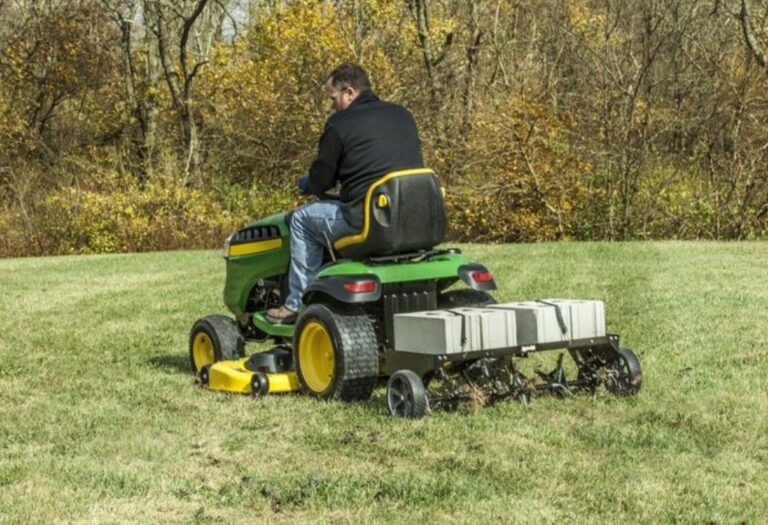
- Tow-Behind Aerators: These are pulled behind a lawn tractor and can cover a larger area. Cleaning them might require more time.
Step-by-Step Guide on How to Clean Lawn Aerator
Cleaning your lawn aerator might seem difficult at first, but with a few simple steps, you can keep it running smoothly. Here’s a detailed guide on how to clean lawn aerator and ensure it’s always ready to help your lawn breathe.
Gathering Your Supplies
Before you begin, gather all the tools and materials you’ll need. This will make the process faster and more efficient. Having everything ready saves time and frustration. If you do not have all of the tools ready before starting, you may not do a complete job.
Here’s what you’ll need:
- Gloves: Protect your hands from dirt and potential hazards.
- Safety Glasses: Protect your eyes from flying debris.
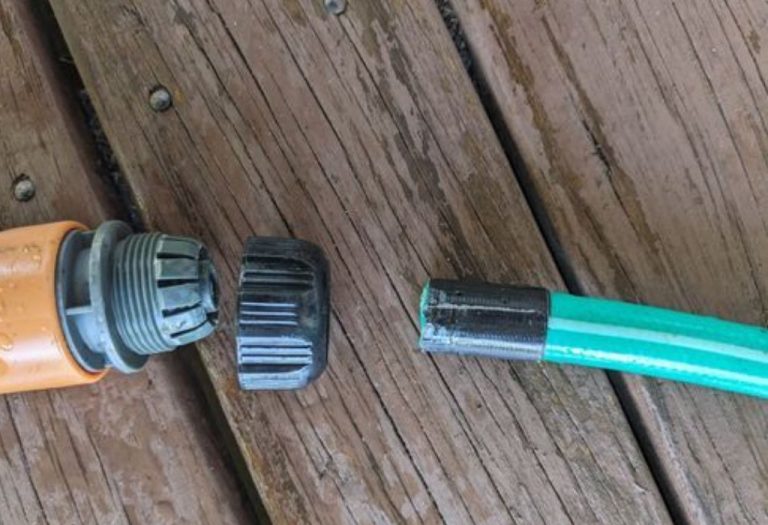
- Garden Hose with Spray Nozzle: For rinsing off dirt and debris.
- Scraper or Putty Knife: To remove stubborn dirt and debris.
- Wire Brush: For scrubbing away tough buildup.
- WD-40 or Other Lubricant (Optional): To prevent rust and keep moving parts free.
- Bucket of Water: For rinsing tools.
- Old Rags or Towels: For drying the aerator.
The Cleaning Process: A Detailed Walkthrough
Now that you have your supplies, it’s time to start cleaning. This process will depend on the type of aerator you own. Each step is key to a successful cleaning session. You’ll soon see that learning how to clean lawn aerator is an important part of owning an aerator.
- Safety First: Put on your gloves and safety glasses. Safety should always be your main concern when using any equipment.
- Detach and Inspect: If the aerator is motorized, disconnect the spark plug wire. Examine the aerator for any obvious damage.
- Remove Loose Debris: Use your hands or a brush to remove any loose dirt, grass, or debris from the aerator’s tines or spikes.
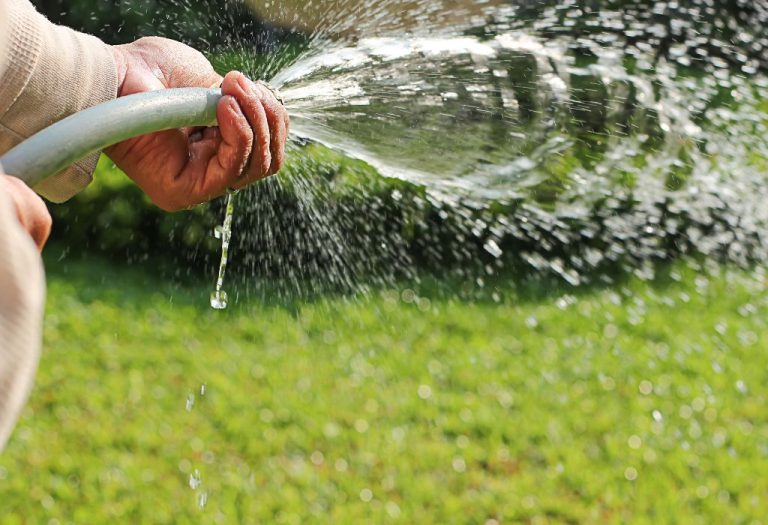
- Rinse with Water: Use the garden hose with a spray nozzle to thoroughly rinse off the aerator. Direct the water to flush out any remaining dirt.
- Scrub Stubborn Debris: Use the scraper or putty knife to remove any caked-on dirt. For tougher spots, use the wire brush.
- Dry the Aerator: Use the old rags or towels to dry all parts of the aerator completely. This will help prevent rust.
- Lubricate (Optional): Apply WD-40 or a similar lubricant to moving parts and any areas prone to rust.
- Reassemble and Store: Put the aerator back together and store it in a dry place until the next use.
Cleaning Specific Aerator Types
While the general cleaning process is the same for all aerators, there might be slight variations depending on the type you own. Here’s a brief look:
- Core Aerators: Be extra diligent about removing soil plugs from the tines. Use a narrow scraper or wire brush to get inside the hollow tines.
- Spike Aerators: Focus on removing debris from around the spikes and any supporting mechanisms.
- Manual Aerators: These are often simpler to clean because of their smaller size.
- Tow-Behind Aerators: These might require more time to clean, especially if they have many tines. Take your time to reach all parts.
Preventing Clogs and Maintaining Your Aerator

Prevention is always better than cure. There are simple steps to reduce the frequency and severity of clogs. Routine care will extend the life of your aerator and keep your lawn in good shape. Learning how to clean lawn aerator goes hand in hand with learning how to prevent the need for it.
Regular Maintenance Tips
Consistent care will extend the life of your aerator and keep it in optimal condition. Follow these tips to help keep your machine running at its best:
- Aerate When the Soil is Moist: This makes it easier for the aerator to penetrate the ground and reduces clogging.
- Clean After Each Use: This prevents debris from drying and hardening, making it harder to remove later.
- Inspect Before Use: Before each aeration session, check for any damage or loose parts.
- Sharpen or Replace Tines/Spikes: Dull tines/spikes are less effective and more likely to clog. Sharpen or replace them as needed.
- Lubricate Moving Parts Regularly: This reduces friction and prevents rust, keeping the machine working smoothly.
Storage and Protection
Proper storage is essential. Here are a few tips to ensure your aerator remains in great shape when not in use:
- Clean and Dry: Always clean and dry your aerator before storing it.
- Cover the Aerator: If storing outside, protect it with a cover to prevent rust and damage.
- Store in a Dry Place: A shed or garage is ideal. Avoid storing the aerator in a damp area.
- Off-Season Maintenance: During the off-season, consider a more thorough cleaning, inspection, and any necessary repairs.
When to Seek Professional Help
Although it is usually easy to clean your aerator yourself, there are times when professional help is needed. Recognizing these situations can save you time and prevent more serious damage. Knowing how to clean lawn aerator is just the start; knowing when to get help is equally important.
Signs You Need Professional Assistance
Sometimes, your aerator might need more than a simple cleaning. Here are signs it’s time to consult with an expert:
- Persistent Performance Issues: If your aerator isn’t working effectively even after cleaning, there might be a mechanical problem.
- Unusual Noises or Vibrations: These can indicate internal damage or wear and tear.
- Damage You Can’t Repair: Broken tines, bent shafts, or other significant damage may need professional repair.
- Engine Problems (for Motorized Aerators): If the engine is sputtering, not starting, or running poorly, seek help from a small engine repair technician.
Finding a Qualified Technician
When you need professional help, choosing the right technician is important. Here are some tips on where to look and what to consider:
- Ask for Recommendations: Talk to friends, family, and neighbors for recommendations.
- Check Online Reviews: Look at online reviews to assess the reputation and expertise of local repair shops.
- Look for Certifications: Technicians with certifications from reputable organizations are often well-trained.
- Get Multiple Quotes: Compare quotes from different technicians to make sure you’re getting a fair price.
Troubleshooting Common Aerator Issues
Sometimes problems occur even with regular maintenance. Here’s a look at some common issues and how to troubleshoot them. By learning how to clean lawn aerator, you can often address these problems yourself.
Clogging Issues
Clogging is the most common problem. Here’s how to handle it:
- Problem: Aerator tines/spikes are clogged with soil or debris.
- Solution: Stop the aerator, remove the debris with a scraper or brush, and then restart. Aerate when the soil is slightly moist.
Poor Performance Issues
If your aerator isn’t working as it should, consider these problems:
- Problem: Aerator isn’t penetrating the soil.
- Solution: Check for dull tines/spikes or adjust the aeration depth. The soil might be too dry; water the lawn before use.
Mechanical Issues
Mechanical issues require inspection. Here are some problems to watch for:
- Problem: Unusual noises or vibrations during operation.
- Solution: Stop the aerator immediately and inspect for loose parts or damage. Take it to a professional if you find significant damage.
Comparing Aerators: Core vs. Spike Aerators
Choosing the correct aerator impacts your lawn care routine. The table below helps show the key differences and which might be best for your lawn. Knowing these differences will help with understanding how to clean lawn aerator, too.
| Feature | Core Aerator | Spike Aerator |
|---|---|---|
| How it Works | Removes small plugs of soil | Creates holes by pushing soil aside |
| Benefits | More effective aeration, better for compacted soil | Easier to use, less likely to clog |
| Cleaning | More time-consuming, requires removing soil cores | Easier, less debris to remove |
| Suitability | Best for heavily compacted soil or clay-heavy lawns | Suitable for lawns with mild compaction or regular maintenance |
Here’s a breakdown:
- Core Aerators: Create deeper and more effective aeration, which is ideal for compacted soils. Cleaning is more involved.
- Spike Aerators: Easier to use and less prone to clogging, good for light aeration and maintenance.
Frequently Asked Questions
Question: How often should I clean my lawn aerator?
Answer: Clean your aerator after each use to prevent debris from hardening and making it harder to remove. This helps keep it working efficiently.
Question: What’s the best tool to remove stubborn dirt from the tines?
Answer: A scraper or putty knife is ideal for removing caked-on dirt, followed by a wire brush for tougher areas.
Question: Should I use water to clean my aerator?
Answer: Yes, use a garden hose with a spray nozzle to rinse off dirt and debris. Make sure to dry the aerator thoroughly afterward.
Question: Is it okay to use WD-40 on my aerator?
Answer: WD-40 or a similar lubricant can be used to prevent rust and keep moving parts free. Apply it to the tines and other areas prone to rust.
Question: How do I store my aerator when I’m not using it?
Answer: Store your aerator in a dry place, such as a shed or garage. Clean and dry it before storage, and consider using a cover to protect it.
Final Thoughts
Learning how to clean lawn aerator is a practical skill that helps maintain your lawn’s health and the longevity of your equipment. Keeping your aerator clean doesn’t take long, but the benefits are huge. Regular cleaning improves aeration, prevents clogs, and allows your lawn to get the nutrients and air it needs to thrive. Proper maintenance also means your aerator will last longer. Following the steps in this guide will save you from potential headaches. To make sure you’re always prepared, keep your tools organized, and make cleaning a habit after each use. You’ll be well on your way to having a healthier lawn!