
If you’re setting up an indoor grow tent, you may be wondering whether an oscillating fan is really necessary. While it’s possible to grow plants without one, most growers recommend using an oscillating fan because it improves air circulation inside the tent and helps create a healthier growing environment.
Unlike an inline or exhaust fan, which exchanges air between the grow tent and the outside, an oscillating fan moves the air already inside the tent. This constant circulation helps eliminate stagnant air, strengthens plant stems, reduces moisture buildup on leaves, and creates more even temperature and humidity throughout the canopy.
In this guide, I’ll explain what an oscillating fan does, whether you can grow without one, the signs your grow tent needs better air circulation, and how to choose the right oscillating fan for your setup.
The Short Answer
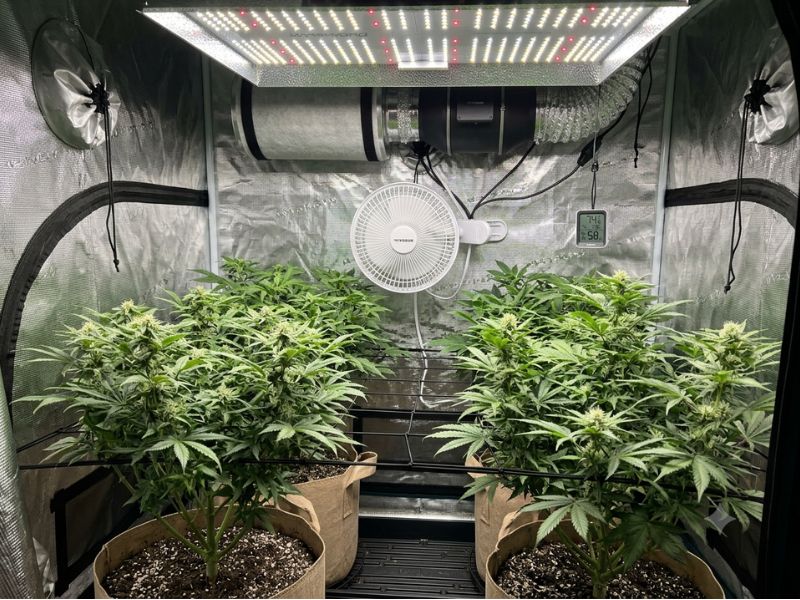
No, an oscillating fan isn’t absolutely required, but it’s highly recommended for most grow tents. While your plants can survive without one, adding an oscillating fan creates better air circulation, helping plants grow stronger and reducing the risk of common environmental problems.
It’s important to understand that an oscillating fan and an inline fan serve different purposes.
- An inline fan exchanges stale air with fresh air from outside the grow tent.
- An oscillating fan circulates the air already inside the grow tent.
Most successful indoor grow setups use both because they work together to maintain a healthier environment.
An oscillating fan is especially beneficial if you have:
- Medium to large plants.
- Dense foliage.
- Multiple plants in one tent.
- High humidity.
- Warm growing conditions.
Even a single oscillating fan can noticeably improve airflow throughout a small or medium-sized grow tent.
What Does an Oscillating Fan Do?
An oscillating fan continuously moves air around your plants instead of blowing in one fixed direction. This gentle, changing airflow benefits plant health in several ways.
Circulates Air Around Plants
One of the primary jobs of an oscillating fan is to keep air moving throughout the grow tent.
Without circulation, pockets of warm, humid air can develop around the leaves, creating an environment that’s less favorable for healthy growth.
Continuous air movement helps maintain more consistent conditions across the entire canopy.
Strengthens Plant Stems
Plants naturally respond to gentle airflow by developing stronger stems.
As leaves and stems move slightly in the breeze, the plant reinforces its structure, making it better able to support future growth, flowers, or fruit.
The key is gentle movement—not constant, forceful wind.
Reduces Hot Spots
Grow lights don’t always distribute heat evenly. Areas directly beneath the lights may become warmer than other parts of the grow tent.
An oscillating fan helps mix the air, reducing hot spots and creating a more uniform temperature throughout the growing space.
Helps Prevent Mold and Mildew
Still, humid air allows moisture to remain on leaves for longer periods.
By continuously circulating air, an oscillating fan helps leaves dry more quickly after watering or normal transpiration. This reduces the likelihood of conditions that encourage:
- Mold
- Powdery mildew
- Bud rot
- Other moisture-related diseases
Good air circulation is especially important during the flowering stage when dense plant canopies can trap humidity.
Can You Grow Without an Oscillating Fan?
Yes, you can grow plants without an oscillating fan, but it’s generally not the best approach for a full grow cycle.
Small Temporary Setups
If you’re growing only seedlings or newly rooted cuttings, the lack of an oscillating fan may not cause immediate problems.
Young plants have small canopies, so air can move around them more easily without additional circulation.
Short-Term Growing
For temporary grow tent setups or plants that will soon be moved outdoors, you may be able to manage without an oscillating fan.
However, as plants increase in size, stagnant air becomes a greater concern.
Risks of Not Using One
Without an oscillating fan, you may notice:
- Weak, thin stems.
- Humid air trapped within the canopy.
- Uneven temperatures.
- Moisture remaining on leaves longer.
- Increased risk of mold and mildew.
While an inline fan exchanges air inside the grow tent, it doesn’t always provide enough movement around the plants themselves. That’s why many growers consider an oscillating fan an inexpensive upgrade that can significantly improve plant health and growing conditions.
Signs You Need an Oscillating Fan
If you’re unsure whether your grow tent needs better air circulation, your plants and growing environment will often provide some clear clues.
Stagnant Air
When the air inside the grow tent feels still or stuffy, it’s a sign that circulation is inadequate.
Even with a good exhaust fan, some areas of the tent can develop stagnant air pockets if there’s no fan moving air around the plants.
Weak Plant Stems
Plants exposed to gentle, consistent airflow usually develop thicker and stronger stems.
If your plants appear tall, thin, or struggle to support their own weight, improving air circulation with an oscillating fan may help encourage sturdier growth.
Condensation on Leaves
Moisture that remains on leaves for long periods creates favorable conditions for fungal diseases.
If you regularly notice water droplets on foliage or leaves staying wet after watering or heavy transpiration, additional air movement can help dry the leaf surfaces more quickly.
Uneven Plant Growth
Poor air circulation can cause some parts of the grow tent to receive better environmental conditions than others.
This may result in:
- Faster growth on one side of the tent.
- Uneven canopy development.
- Plants leaning toward areas with better airflow.
An oscillating fan helps distribute air more evenly across the entire grow space.
High Humidity Around the Canopy
Dense foliage can trap humid air around the leaves, even if the overall tent humidity appears acceptable.
An oscillating fan keeps air moving through the canopy, reducing localized humidity and making it harder for mold and mildew to develop.
How to Choose an Oscillating Fan
Choosing the right oscillating fan helps you improve air circulation without creating excessive wind that can stress your plants.
Select the Right Fan Size
The fan should match the size of your grow tent.
- Small tents (2×2 or 2×4): A compact clip-on oscillating fan is usually sufficient.
- Medium tents (3×3 or 4×4): One or two oscillating fans often provide better air coverage.
- Large tents (4×8 or larger): Multiple fans may be needed to maintain consistent airflow throughout the canopy.
The goal is gentle, even air movement—not high wind speeds.
Clip-On vs. Pedestal Fans
Most home growers prefer clip-on oscillating fans because they attach directly to the tent poles and don’t take up valuable floor space.
Pedestal fans can also work well in larger grow rooms, but they’re generally less practical inside compact grow tents.
Look for a Wide Oscillation Angle
A fan that sweeps across a wider area distributes airflow more evenly.
This prevents one section of the canopy from receiving constant airflow while other areas receive very little.
Consider Noise Level
If your grow tent is located in a bedroom, office, or another living area, fan noise may be an important consideration.
Brushless DC motor fans and newer oscillating models are often quieter while still providing effective air circulation.
Choose Adjustable Speed Settings
A fan with multiple speed settings gives you greater flexibility throughout the growing cycle.
Lower speeds work well for seedlings and young plants, while larger plants with dense foliage may benefit from increased airflow.
Avoid aiming the fan directly at one plant on the highest setting for long periods, as excessive airflow can cause wind burn, resulting in dry leaf edges and curled foliage.
Frequently Asked Questions
Can an oscillating fan replace an inline fan?
No. An oscillating fan circulates air inside the grow tent, while an inline fan exchanges stale air with fresh air from outside. Most grow tents benefit from using both because they perform different functions.
Should the fan blow directly on plants?
Not continuously. Plants benefit from gentle, indirect airflow that causes the leaves to move slightly. Constant, strong airflow aimed directly at one plant can lead to wind burn and unnecessary stress.
How many oscillating fans do I need?
The number depends on your grow tent size and plant density. A small grow tent often needs only one oscillating fan, while larger tents with multiple plants may require two or more to maintain even air circulation.
Should the fan run continuously?
Many growers run oscillating fans whenever the grow lights are on to keep air moving consistently. In humid environments, some also run them during the dark period to reduce moisture buildup. The ideal schedule depends on your temperature, humidity, and overall growing conditions.
Final Thoughts
While an oscillating fan isn’t strictly required, it’s one of the most useful additions you can make to a grow tent. By keeping air moving around your plants, it helps strengthen stems, reduce hot spots, minimize moisture buildup, and create a more consistent growing environment.
For most indoor growers, a quality oscillating fan is an inexpensive investment that offers long-term benefits. When combined with proper ventilation, it supports healthier plants and reduces the likelihood of problems caused by stagnant air.
Choose a fan that’s appropriately sized for your grow tent, position it to provide gentle airflow across the canopy, and adjust the speed as your plants grow. With the right setup, you’ll improve air circulation without exposing your plants to excessive wind.

I’m Maya L. Greenwood, a lifelong plant lover who believes anyone can grow something beautiful with the right guidance. After years of testing soil mixes, pruning methods, irrigation tricks, and pest-safe solutions, I started EasyGardenTips.com to turn hard-won lessons into step-by-step advice. From seed starting and container gardens to composting and seasonal checklists, my goal is to make gardening simple, sustainable, and fun.