
If you’re planning an indoor grow setup, you may be wondering whether an inline fan is really necessary. For most growers, the answer is yes. An inline fan is the main component of a grow tent ventilation system, helping remove warm, humid air while drawing fresh air into the tent through the intake vents.
Unlike clip-on or oscillating fans that simply move air around inside the tent, an inline fan is connected to ducting and actively exchanges the air inside the grow tent with fresh air from outside. This helps maintain stable temperatures, control humidity, improve air quality, and support healthy plant growth throughout the growing cycle.
In this guide, I’ll explain what an inline fan is, how it works, whether you can grow without one, the signs that your grow tent needs an inline fan, and how to choose the right size for your setup.
Read More: do you need an intake fan in a grow tent
The Short Answer
Yes, most grow tents benefit from an inline fan. If you’re growing plants through a full vegetative and flowering cycle, an inline fan is one of the most important pieces of equipment you can install.
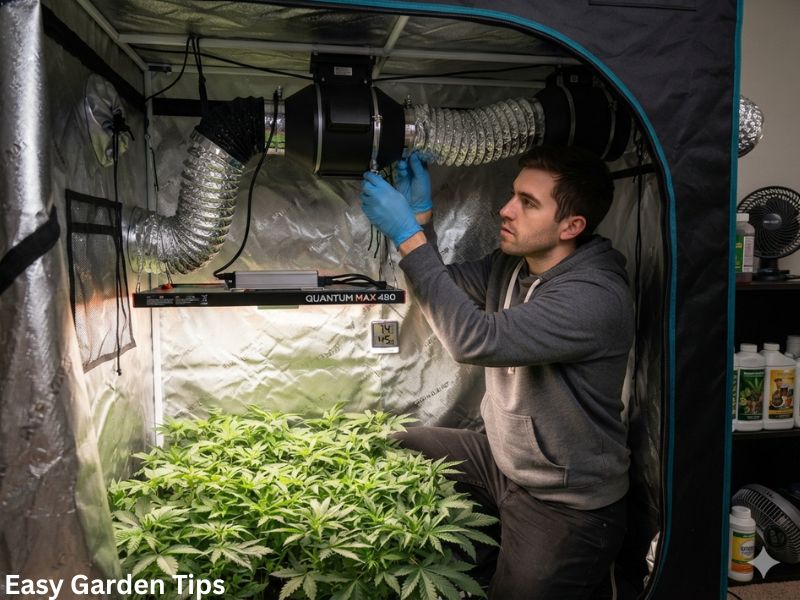
An inline fan continuously removes warm, stale air from the grow tent and allows fresh air to enter through the intake vents. This helps maintain a stable environment without requiring you to open the tent throughout the day.
An inline fan is especially important if you have:
- A fully enclosed grow tent.
- Medium to large plants.
- High-powered grow lights.
- A carbon filter for odor control.
- Warm or humid growing conditions.
There are a few situations where you may not need an inline fan, such as:
- Starting seedlings in a small tent.
- Using the tent for temporary plant storage.
- Growing in a well-ventilated room with the tent left open.
However, these situations are temporary. For most complete indoor grow cycles, an inline fan is considered essential rather than optional.
What Is an Inline Fan?
An inline fan is a duct-mounted fan designed to move air into or out of an enclosed space. In grow tents, it’s most commonly used as an exhaust fan, pulling stale air out through ducting while fresh air enters through intake vents.
How an Inline Fan Works
An inline fan is installed directly inside a section of ducting, which is why it’s called an inline fan.
When powered on, it pulls air through the duct and pushes it outside the grow tent or into another ventilation system. This continuous air exchange helps regulate the growing environment without manual intervention.
Many growers mount the inline fan near the top of the grow tent because warm air naturally rises.
Inline Fan vs. Regular Fan
An inline fan and a regular fan serve different purposes.
| Inline Fan | Regular Fan |
| Exchanges air inside and outside the grow tent | Circulates air within the grow tent |
| Connects to ducting | Doesn’t require ducting |
| Removes heat and humidity | Improves internal air movement |
| Often works with a carbon filter | Doesn’t filter odors |
Most grow tents use both types of fans because they perform complementary roles.
Why It’s Called an “Inline” Fan
The term inline simply means the fan is installed in line with the ductwork.
Instead of blowing air directly into the room like a household fan, it moves air through ventilation ducts. This design makes inline fans more efficient for controlling temperature, humidity, and odor in enclosed grow spaces.
What Does an Inline Fan Do in a Grow Tent?
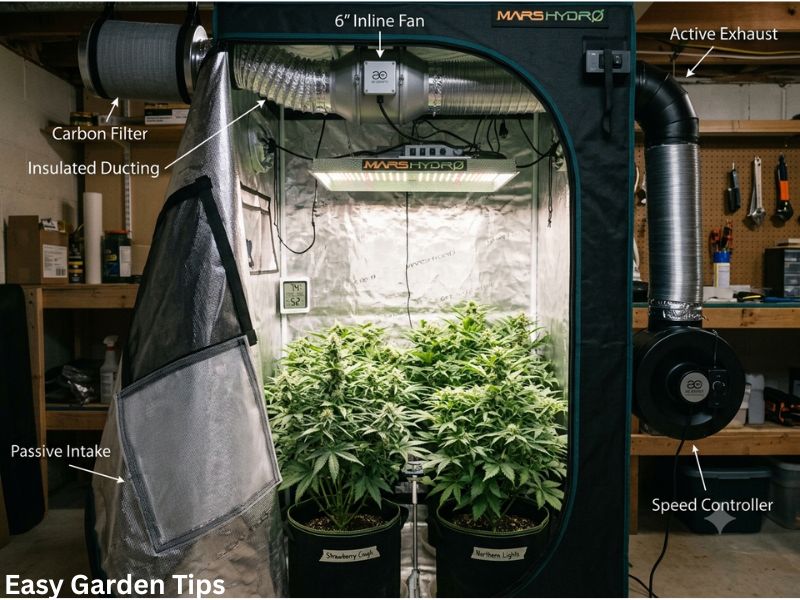
An inline fan does much more than remove warm air. It helps maintain the environmental conditions plants need to grow consistently throughout every stage of development.
Removes Hot Air
Grow lights, electrical equipment, and natural plant processes all contribute to heat buildup inside a grow tent.
An inline fan continuously exhausts this warm air, helping maintain temperatures within the ideal range for healthy growth.
Exchanges Air Efficiently
Plants constantly use carbon dioxide during photosynthesis. As CO₂ levels decrease, fresh air is needed to replace it.
An inline fan keeps air moving through the tent, ensuring stale air is removed and fresh air enters on a regular basis.
Works With Carbon Filters
One of the biggest advantages of an inline fan is its ability to work with a carbon filter.
As air passes through the activated carbon filter before leaving the tent, many odor-causing compounds are trapped. This makes inline fans the preferred choice for growers who need effective odor control.
Helps Maintain Stable Growing Conditions
Consistent environmental conditions are easier to achieve when stale air is continuously removed.
An inline fan helps:
- Maintain stable temperatures.
- Reduce excess humidity.
- Improve air quality.
- Support healthier plant growth.
- Create a more predictable growing environment.
Rather than reacting to environmental problems after they occur, an inline fan helps prevent many of them from developing in the first place.
Can You Use a Grow Tent Without an Inline Fan?
Yes, you can—but only in certain situations. For most indoor growers, using a grow tent without an inline fan is practical only for short periods or very small setups.
Small Seedling Setups
Seedlings and newly rooted clones don’t generate much heat or humidity. If you’re using a small tent with a low-wattage LED grow light, you may be able to grow them for a short time without an inline fan.
Even so, the tent should receive regular fresh air by opening it periodically or by placing it in a well-ventilated room.
Temporary Grow Setups
If you’re using a grow tent only temporarily—for example, to harden off young plants or hold them before transplanting—you may not need an inline fan right away.
However, this isn’t a long-term solution. As plants become larger, their demand for fresh air increases, and environmental conditions become harder to control.
Limitations of Growing Without an Inline Fan
Running a grow tent without an inline fan can lead to several problems, including:
- Heat building up inside the tent.
- High humidity levels.
- Reduced CO₂ availability.
- Poor air exchange.
- Strong odors remaining inside the grow area.
- Increased risk of mold and mildew.
For these reasons, most growers install an inline fan before plants reach the vegetative stage, ensuring the environment remains stable throughout the rest of the grow cycle.
Signs You Need an Inline Fan
If you’re unsure whether your setup requires an inline fan, your grow tent will usually provide some clear warning signs.
High Temperatures
If temperatures remain consistently above the ideal range while your grow lights are on, warm air isn’t being removed efficiently.
An inline fan can continuously exhaust hot air and help keep temperatures under control.
High Humidity
Large plants release significant amounts of moisture through transpiration. Without adequate air exchange, humidity can quickly rise to unhealthy levels.
Signs include:
- Condensation inside the tent.
- Damp air.
- Mold concerns.
- Slow drying after watering.
Weak Air Exchange
If the air inside the grow tent feels stale or stuffy after opening the door, fresh air may not be entering fast enough.
An inline fan provides continuous air exchange instead of relying on occasional manual ventilation.
Odor Problems
Strong plant odors often become more noticeable as plants mature.
If odor control is important, an inline fan paired with a carbon filter is one of the most effective solutions for filtering exhaust air before it leaves the tent.
Large Grow Tents
As grow tents become larger, passive airflow becomes less effective.
If you’re growing in a 4×8, 5×5, or larger tent, an inline fan is strongly recommended to maintain consistent airflow throughout the entire space.
How to Choose the Right Inline Fan
Choosing the right inline fan isn’t just about buying the biggest model. The goal is to select a fan that matches your grow tent and ventilation requirements.
Choose the Correct Fan Diameter
Inline fans are commonly available in:
- 4-inch – Best for small grow tents like 2×2 and many 2×4 setups.
- 6-inch – A popular choice for 3×3, 4×4, and larger 2×4 tents.
- 8-inch – Better suited for large grow tents such as 4×8, 5×5, or commercial grow spaces.
Always check your duct size before purchasing a fan.
Consider the CFM Rating
The fan’s CFM (Cubic Feet per Minute) rating indicates how much air it can move.
Choose a fan with enough airflow for your tent size, but remember that carbon filters and long duct runs reduce actual airflow. Having a little extra capacity allows the fan to operate more efficiently without running at full speed all the time.
Look for a Quiet Fan
If your grow tent is located in a bedroom, office, or other living space, noise can become an important factor.
Many modern EC (electronically commutated) inline fans are significantly quieter than older AC models while also offering better energy efficiency.
Choose a Fan With Speed Control
A built-in or compatible speed controller allows you to adjust airflow as environmental conditions change.
Running the fan at lower speeds can:
- Reduce noise.
- Save electricity.
- Extend the fan’s lifespan.
- Maintain more consistent temperature and humidity.
Ensure Carbon Filter Compatibility
If you plan to use a carbon filter for odor control, make sure the inline fan and filter have matching diameters and compatible airflow ratings.
A properly matched fan and filter will provide better ventilation performance and more effective odor removal.
You have not enough Humanizer words left. Upgrade your Surfer plan.
Frequently Asked Questions
Is an inline fan the same as an exhaust fan?
In most grow tent setups, yes. An inline fan is commonly used as the exhaust fan because it’s installed in the ducting to pull warm, stale air out of the tent. While the term inline fan describes the fan’s design, exhaust fan describes its function. In many cases, they’re referring to the same piece of equipment.
Can I use only clip-on fans?
No. Clip-on and oscillating fans only circulate air inside the grow tent. They don’t remove heat, reduce humidity, or bring in fresh air from outside. For a complete ventilation system, clip-on fans should be used alongside an inline fan, not as a replacement.
Should an inline fan run 24/7?
It depends on your growing environment. Many growers run the inline fan whenever the grow lights are on to control heat and humidity. Others use temperature or humidity controllers that automatically adjust the fan speed or turn it on only when needed. The best schedule depends on your tent conditions and the needs of your plants.
Do all grow tents need an inline fan?
Not every grow tent requires an inline fan from day one. Small propagation tents or temporary seedling setups may function without one for a short period. However, for most indoor grow tents used through a full vegetative and flowering cycle, an inline fan is highly recommended to maintain a stable environment and support healthy plant growth.
Final Thoughts
For most indoor growers, an inline fan is one of the most valuable upgrades you can make to a grow tent. It continuously removes warm, humid air, supports fresh air exchange, and works with carbon filters to help manage odors. Together, these benefits create a healthier environment for your plants throughout every stage of growth.
While very small or temporary setups may not require an inline fan immediately, most growers will benefit from installing one before plants become larger and environmental control becomes more challenging.
When choosing an inline fan, focus on finding a model that’s appropriately sized for your grow tent, ducting, and ventilation needs. A properly matched fan will operate more efficiently, run more quietly, and provide consistent airflow that helps your plants thrive.

I’m Maya L. Greenwood, a lifelong plant lover who believes anyone can grow something beautiful with the right guidance. After years of testing soil mixes, pruning methods, irrigation tricks, and pest-safe solutions, I started EasyGardenTips.com to turn hard-won lessons into step-by-step advice. From seed starting and container gardens to composting and seasonal checklists, my goal is to make gardening simple, sustainable, and fun.