5 Best Grow Light for Hibiscus: Product Practical Comparison
Finding the best grow light for hibiscus is less about choosing the brightest-looking lamp and more about matching coverage, adjustability, timing, and placement to a sun-loving plant. A good light can support fuller growth and flowering indoors, but the wrong size or schedule may leave a hibiscus stretched, stressed, or exposed to more light than it can comfortably use.
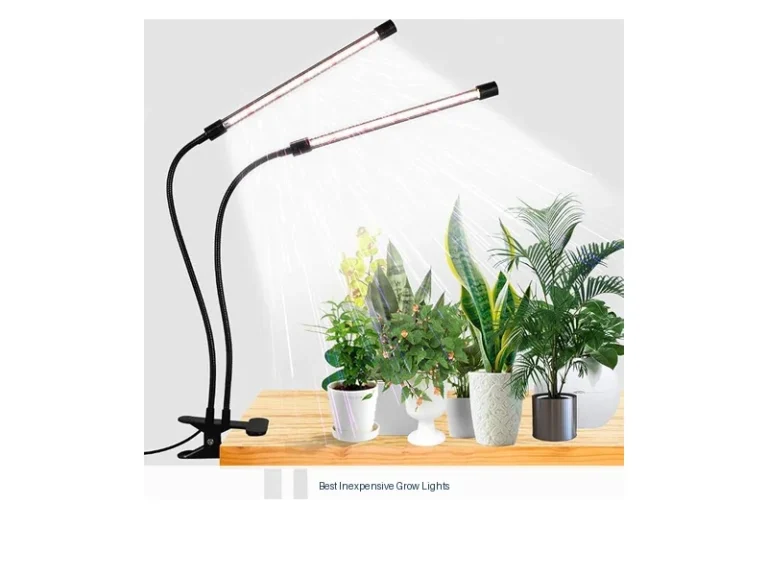
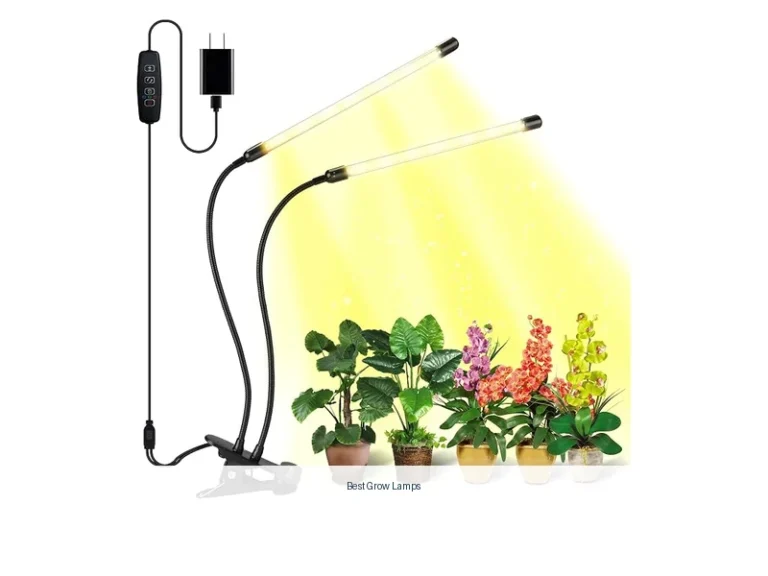
My first choice is LEOTER Grow Light. Its four adjustable gooseneck heads and 80 LEDs make it particularly practical for directing light around a bushy hibiscus rather than illuminating only one small spot.
My second choice is yadoker Grow Lights. Its 13.7-to-61.1-inch height range, 72 full-spectrum LEDs, long cord, and 8/12/16-hour timer make it easy to place above a growing plant.
My third choice is Kullsinss 6.3-Inch Full-Spectrum Halo Grow Light. Kullsinss 6.3in Grow Lights earns my third position for combining a decorative faux woodgrain halo with 80 LEDs and a height range reaching 65 inches. It offers useful spectrum and timer controls, although the lack of a base means it must be inserted into the soil.
This comparison explains how each lamp fits different hibiscus setups, from a small indoor plant on a table to a tall specimen near a darker window. The buying guide also covers placement, scheduling, brightness, common mistakes, safety, and practical ways to keep a supplemental light useful through changing seasons.
Best Grow Light for Hibiscus
I selected these five products for their relevance to indoor flowering plants, adjustable placement, spectrum options, timer controls, and practical coverage. The ranking also considers the available customer-feedback evidence, including rating volume, while keeping the brands and formats varied enough to help shoppers compare gooseneck, halo, floor-stand, and tripod designs.
| # | Image | Product | Price on Amazon |
|---|---|---|---|
| 1 |  |
LEOTER Grow Light | Check Price |
| 2 |  |
yadoker Grow Lights | Check Price |
| 3 |  |
Kullsinss 6.3-Inch Full-Spectrum Halo Grow Light | Check Price |
| 4 |  |
LBW Grow Light | Check Price |
| 5 |  |
Yiyehu Full-Spectrum Adjustable Tripod and Desktop Grow Light | Check Price |
LEOTER Grow Light
The LEOTER Grow Light is the most adaptable option in this group. Its 80 LEDs combine red, blue, yellow, and white light, with a full-spectrum setting covering 380nm to 800nm. For a hibiscus, that range gives the owner a general-purpose setting for everyday growth and a red-and-blue option intended for flowering support.
The four-head design is especially helpful when a hibiscus has several stems or a wider canopy. Each head sits on a flexible gooseneck, so the light can be aimed toward the upper leaves, sides, or interior of the plant instead of forcing the entire lamp to sit directly overhead. Ten dimming levels also make it easier to begin gently and increase brightness as the plant adjusts.
Its timer offers 3-, 9-, and 12-hour settings and uses a daily memory cycle. That is convenient for consistent care during workdays or short trips, but the limited timer choices are less flexible than models offering 8-, 12-, or 16-hour schedules. The lamp uses USB power and includes an adapter, giving it useful placement flexibility around a desk, shelf, or plant stand.
Pros
- Four adjustable heads help cover a spreading hibiscus canopy.
- Full-spectrum and red/blue modes support different growth priorities.
- Ten brightness levels provide unusually fine control.
- Daily timer reduces the need for manual switching.
Cons
- The timer choices are limited to 3, 9, or 12 hours.
- A clamp-based design needs a suitable table, shelf, or nearby support.
- Multiple goosenecks may require occasional repositioning as the plant grows.
My Opinion
With a 4.5 rating from 12,753 customer ratings, the LEOTER has the strongest combination of versatility and customer-feedback depth here. It is my top pick for a hibiscus that needs light directed across several branches, provided the grower has a secure place to clamp it.
yadoker Grow Lights
The yadoker Grow Lights take a cleaner, more vertical approach than the LEOTER. The 6.3-inch halo contains 72 full-spectrum LEDs covering 380nm to 800nm, including white, warm-white, red, and blue diodes. That blend is suited to a hibiscus owner who wants one overhead light rather than several independently aimed light heads.
Its strongest practical advantage is height adjustment. The pole extends from 13.7 to 61.1 inches, allowing the light to start close to a small plant and rise as the hibiscus gains height. The pointed stake goes into the potting soil without tools, so installation is straightforward, although the soil must be firm enough to hold the pole securely.
Ten brightness levels, controlled through the inline controller, let the user make gradual changes rather than jumping straight from a low setting to full output. The 8-, 12-, and 16-hour timer options are also a good match for a plant that needs a longer daily schedule during darker months. Because it runs through 5V USB power, it is convenient and designed for long-hour use, but buyers should confirm that the included power arrangement suits the intended location.
Pros
- Wide height range follows a hibiscus through different growth stages.
- Ten dimming levels support gradual brightness adjustments.
- 8-, 12-, and 16-hour timer settings suit longer indoor schedules.
- Halo format gives a neat overhead appearance.
Cons
- The soil stake is less suitable for very loose or unstable potting mix.
- One halo may not reach every side of a very wide mature canopy evenly.
- USB operation requires a compatible power source near the plant.
My Opinion
The yadoker is a strong second choice for a single potted hibiscus that grows upward and can hold a stake. Its 4.3 rating from 9,038 customer ratings and useful height and timer range make it a particularly sensible option for beginners who want simple, repeatable setup.
Kullsinss 6.3-Inch Full-Spectrum Halo Grow Light
Kullsinss approaches indoor plant lighting with a more decorative appearance. The faux woodgrain halo is intended to blend into a living space, while 80 LEDs provide a 380nm-to-760nm full-spectrum range. That makes the lamp suitable for general indoor growth from early development through flowering, without the more industrial look some plant lights bring into a room.
The pole adjusts from 10 to 65 inches, so it can sit relatively close to a small hibiscus or rise above a taller one. Five dimming levels and three spectrum modes—white, warm white plus red, and mixed light—give the owner basic control over intensity and color balance. These controls are less granular than the LEOTER’s ten levels, but they remain simple to understand.
The main ownership detail is the installation method. This lamp does not include a base; it must be inserted into the soil. That keeps the footprint small and avoids a separate floor stand, but it also means the pot needs enough depth and stability to support the pole. A top-heavy or frequently moved hibiscus may be less compatible than a plant in a sturdy container.
Pros
- Decorative faux woodgrain finish suits visible living areas.
- Height adjusts from 10 to 65 inches.
- Three spectrum modes and a 6/12/16-hour timer support routine care.
- 80 LEDs provide broad full-spectrum coverage for a single plant.
Cons
- No base is included, so installation depends on the potting soil.
- Five brightness levels offer less fine control than the top-ranked lamp.
- A narrow or lightweight pot may not be stable enough for the inserted pole.
My Opinion
Kullsinss is a good fit when appearance matters nearly as much as adjustability. Its 4.6 rating from 1,407 customer ratings is the highest shown here, but the soil-only installation keeps it behind options that offer more placement flexibility.
LBW Grow Light
The LBW Grow Light is the most floor-oriented choice in the group. Its heavy-duty metal base and non-slip pads are intended to keep the lamp stable beside large or tall plants, making it more appropriate for a mature hibiscus that has outgrown a tabletop arrangement. The pole reaches up to 68 inches, giving the light room to sit above a substantial plant.
Its 80 high-output LEDs use a 380nm-to-800nm full-spectrum blend of white, warm white, and red light. The wide-coverage design should be useful when the plant occupies more floor space, although a single lamp positioned on one side may still need careful angling to prevent the far side from receiving less light.
LBW keeps its controls relatively simple with three lighting modes and five brightness levels from 20% to 100%. The 6-, 8-, 12-, and 16-hour timer options provide more scheduling flexibility than the LEOTER, and the daily cycle is intended to repeat without resetting. Assembly is tool-free, which helps a beginner get the stand into position quickly, but the floor base also occupies more room than a clamp or soil stake.
Pros
- Stable metal base is suited to large and tall indoor plants.
- Height reaches 68 inches for mature hibiscus specimens.
- Timer offers four useful daily duration choices.
- Tool-free setup is approachable for first-time plant-light buyers.
Cons
- Floor-standing construction needs open space beside the pot.
- Five brightness levels provide less precision than ten-level models.
- One light head may require repositioning around a broad plant.
My Opinion
LBW is the practical choice for a tall hibiscus that cannot safely support a soil stake. Its 4.4 rating from 1,119 customer ratings is supported by a useful stand, broad height adjustment, and long timer range, though it is less discreet in a small apartment.
Yiyehu Full-Spectrum Adjustable Tripod and Desktop Grow Light
Yiyehu offers the most flexible mounting concept among these five lamps. The light can be used with its detachable tripod on a desktop or floor, or inserted directly into a pot with the pointed attachment. That makes it useful for a hibiscus collection that changes location or includes both small plants and larger specimens.
The height range runs from 15 to 62 inches. At the shorter setting, it can work near a compact plant or seedling; fully extended, it can reach above a more developed hibiscus. Its 380nm-to-800nm full-spectrum LEDs are intended to provide a sun-like range for general growth, flowers, and fruiting, while the 8-, 12-, and 16-hour automatic timer supports a consistent daily routine.
The detachable design is also its main trade-off. A tripod provides broader support than a soil stake, but it takes more floor or desk space and may need careful positioning around a crowded plant shelf. The integrated aluminum alloy construction gives it a modern appearance, yet the available customer-feedback sample is smaller than the top-ranked options, with a 4.4 rating from 534 customer ratings. Buyers should choose the mounting method that best matches the pot’s stability and the room’s available space.
Pros
- Tripod and soil-insert options accommodate different plant locations.
- 15-to-62-inch adjustment suits small and larger hibiscus plants.
- Full-spectrum range and 8/12/16-hour timer support routine indoor care.
- Aluminum construction gives the lamp a clean modern appearance.
Cons
- Tripod mode takes more space than a clamp or soil stake.
- The shorter height range may be limiting for exceptionally tall plants.
- It has less customer-feedback volume than the higher-ranked alternatives.
My Opinion
Yiyehu is the most appealing option for buyers who want one lamp to move between desktop, floor, and pot-insert use. It ranks fifth because its versatility comes with more parts and setup choices, but that same flexibility can be valuable in a changing indoor garden.
How I Selected These Grow Lights for Hibiscus
The selection focused on the factors that affect a hibiscus indoors: the ability to place light above or around the canopy, enough height adjustment for seasonal growth, a spectrum intended for general plant development, and a timer that supports a repeatable routine. I also compared the practical installation styles because a renter with a narrow shelf needs a different solution from someone growing a tall plant on the floor.
Customer-feedback evidence was considered as a confidence signal rather than proof of identical results in every room. The LEOTER and yadoker have much larger rating totals, while Kullsinss shows the highest supplied star rating; those figures help indicate how much buyer feedback is available, but they do not replace checking fit, power, placement, or care habits.
For hibiscus, adjustability matters as much as the LED count. A lamp that can be kept above the canopy as the plant grows is usually more useful than a brighter-looking light that cannot be positioned evenly.
The ranking also gives priority to control without treating every extra setting as automatically better. Ten brightness levels can be helpful, but a stable stand, suitable height, and dependable timer may matter more in everyday ownership.
Choose the mounting style first: clamp, soil stake, floor base, or tripod. That decision often determines whether the light stays correctly positioned long after installation.
How to Choose a Grow Light for Hibiscus
Start with the plant’s current size and the location where it will live. A small hibiscus on a desk can use a compact halo or clamp lamp, while a mature floor plant needs height, stability, and enough spread to reach more than its topmost leaves. Then consider how much control you want over intensity, spectrum, and daily timing.
- Match the light to the canopy: Wider or multi-head coverage is useful for branching plants.
- Prioritize height adjustment: The lamp should remain above the plant as it grows.
- Use a repeatable timer: Automatic schedules reduce inconsistent daily exposure.
- Check the support method: Soil stakes need stable pots; floor lamps need open floor space.
- Choose adjustable brightness: Dimming helps prevent abrupt changes when moving a plant indoors.
Consider the Plant’s Size and Shape
Hibiscus often develops a rounded, branching canopy rather than a single narrow stem. A single halo directly above the plant may work well for a compact specimen, but a wider or multi-head lamp can be more useful as branches spread outward. Look at the distance from the light to the outer leaves, not just the height of the central stem.
Decide Between Clamp, Stake, Stand, and Tripod
A clamp lamp uses very little floor space but needs a stable edge nearby. A soil stake is tidy and simple, yet it depends on a heavy pot and firm soil. A floor stand is better for a tall plant that cannot support an inserted pole, while a tripod offers flexibility at the cost of a larger footprint. The best format is the one that can stay safely positioned without being bumped.
Understand Spectrum and Dimming Controls
Full-spectrum modes are convenient for general indoor use because they avoid requiring the owner to change settings frequently. Red and blue options can be useful when a grower wants to emphasize a particular stage, but they do not compensate for poor distance or an inconsistent schedule. Dimming is valuable because indoor plants may need gradual acclimation after moving from a bright window or darker room.
How to Set Up a Hibiscus Grow Light
Begin with the light aimed at the upper canopy, not directly at the soil or the room’s wall. Keep the lamp high enough to cover the leaves without creating a harsh hotspot, then use a lower brightness setting while the hibiscus adjusts. Since the supplied products do not provide a universal distance recommendation, observe the plant and adjust position gradually rather than assuming one height works for every room.
- Place the pot where it will not be knocked into the lamp or cord.
- Center a halo above the canopy, or aim multiple heads across the plant.
- Set the timer to a consistent daily schedule and confirm the cycle starts correctly.
- Begin at a moderate brightness and make changes in small steps.
- Check new growth and leaf condition before increasing intensity or extending the schedule.
Choosing a Daily Light Schedule
Consistency is more useful than changing the timer every day. The products here offer different schedules: LEOTER provides 3, 9, or 12 hours, while yadoker, Kullsinss, and Yiyehu offer 8, 12, or 16 hours. LBW adds 6 and 8 hours alongside 12 and 16. Select a duration that fits the room’s natural light and keep the plant’s dark period consistent rather than leaving the lamp on continuously.
A hibiscus near a bright window may need a different supplemental schedule from one in a windowless corner. If the plant receives direct sun for part of the day, the grow light can fill the darker period instead of operating for the entire day. If natural light is weak, a longer available timer setting may be more convenient, but the plant should still be watched for signs of stress.
Brightness, Distance, and Plant Response
LED count alone does not tell you how much useful light reaches the leaves. The lamp’s distance, beam spread, room brightness, and canopy size all change the result. Keep the light close enough to illuminate the foliage evenly, but avoid pressing a hot or bright lamp directly against leaves. A dimmer gives you room to make controlled adjustments.
Watch the plant over several days after every major change. New growth that becomes unusually stretched may suggest inadequate light, while curled, bleached, or scorched-looking leaves may indicate excessive intensity, heat, or another growing problem. Do not assume every yellow leaf is caused by the lamp; watering, roots, pests, temperature, and nutrition can create similar symptoms.
Using Grow Lights During Flowering
A grow light can support the energy needs of an indoor hibiscus, but it cannot guarantee flowers by itself. Flowering also depends on the plant’s health, maturity, watering, nutrition, temperature, and general growing conditions. A full-spectrum setting is a sensible everyday choice, while a lamp offering red or warm-white modes gives the owner another setting to try during active flowering.
Keep the schedule stable when buds are forming. Moving the lamp repeatedly, changing brightness sharply, or letting the plant alternate between very long and very short days can make it harder to understand what is helping. If the hibiscus is being moved indoors for winter, introduce supplemental light progressively instead of immediately selecting the strongest setting.
Safety and Compatibility Checks
Inspect the cord and power connection before positioning the lamp near water, fertilizer, or a misting routine. Keep electrical connections away from drainage runoff, and route cords where they will not catch on the pot or become a tripping hazard. The yadoker is described as a 5V low-voltage USB lamp, while LEOTER also uses a USB connector and includes an adapter; buyers should still confirm the required power arrangement before ordering.
Check physical compatibility as carefully as electrical compatibility. A stake inserted into a small pot may shift as the soil dries, and a floor base may be stable but inconvenient in a narrow corner. Do not use a decorative appearance as a substitute for stability. A lamp that tips toward the leaves can cause damage even if its LEDs themselves produce little heat.
Cleaning and Maintenance
Dust on a light head can reduce the amount of light reaching the plant and may make the fixture look dull. Turn the lamp off and disconnect it before gently wiping accessible surfaces with a dry or lightly damp cloth appropriate for the material. Do not spray cleaner directly onto LEDs, switches, controllers, or connectors.
Every few weeks, confirm that the goosenecks, pole sections, tripod, or soil stake remain secure. As the hibiscus grows, reposition the lamp so the new canopy does not shade lower branches completely. A timer that has been unplugged or moved may need to be checked before relying on it during a trip.
Common Mistakes to Avoid
Most disappointing results come from setup and consistency problems rather than from choosing one reasonable LED lamp over another. Avoid making several changes at once, because you will not know whether the plant responds to brightness, distance, watering, or timing.
- Do not leave the light on around the clock simply because the plant is indoors.
- Do not place a soil-stake lamp in loose soil without checking whether it can remain upright.
- Do not aim every light head at one leaf cluster while leaving the rest of the canopy shaded.
- Do not increase brightness abruptly after moving a hibiscus from a dim room.
- Do not treat the highest LED count as a complete measure of light performance.
- Do not let water drain onto the cord, adapter, controller, or outlet.
Change one variable at a time. Adjust brightness, distance, or schedule gradually, then give the hibiscus enough time to show a meaningful response.
Storage and Seasonal Use
When natural daylight increases, the grow light may become supplemental rather than the plant’s primary source. You can reduce its use if the hibiscus receives suitable window light, but make changes gradually and keep an eye on new growth. Before storing a lamp, disconnect it, allow it to cool, wipe away dust, and protect adjustable parts from being bent or crushed.
For winter use, plan the light’s location before the plant becomes crowded with other containers. A tall LBW stand may be easiest to leave beside a floor plant, while a LEOTER clamp or Yiyehu tripod can be moved between smaller plants. Keep the timer settings recorded or take a quick note if the lamp will be unplugged for an extended period.
FAQS About Best Grow Light for Hibiscus
What type of light is best for an indoor hibiscus?
A full-spectrum LED with adjustable brightness and a timer is a practical choice for most indoor hibiscus plants. Full-spectrum modes support general growth, while dimming and height adjustment help the owner match the lamp to the plant’s size and room conditions.
Is a halo light suitable for a hibiscus plant?
Yes, a halo light can work well for a compact or upright hibiscus when it is centered above the canopy. A very wide or mature plant may benefit from a larger lamp, a multi-head design, or occasional repositioning so the outer branches receive light too.
How high should a hibiscus grow light be?
There is no single height that fits every LED lamp or room. Start with the light above the upper leaves, use moderate brightness, and adjust based on even coverage and the plant’s response. The lamp should be close enough to illuminate the foliage without creating a harsh hotspot or touching leaves.
How long should a grow light stay on for hibiscus?
The appropriate schedule depends on how much natural light the plant receives. The products in this comparison offer several timer choices, including 8-, 12-, and 16-hour options on several models. A consistent schedule with a regular dark period is more useful than leaving the lamp on continuously.
Can a grow light help an indoor hibiscus flower?
It can provide supplemental light that supports healthy growth and may help the plant maintain better flowering conditions, but flowers also depend on watering, nutrition, temperature, roots, and plant maturity. A grow light is one part of the growing environment, not a guarantee of blooms.
Which mounting style is easiest for a hibiscus?
A soil stake is simple when the pot is heavy and stable. A clamp works well on a shelf or table, a floor stand suits a tall plant, and a tripod is useful when the lamp needs to move between desktop and floor positions. Choose the style that can remain secure and correctly aimed in the plant’s permanent location.
Final Thoughts
The best grow light for hibiscus depends on the plant’s size, canopy shape, and available space. I would choose the LEOTER Grow Light for flexible multi-head coverage, the yadoker Grow Lights for a straightforward adjustable halo, and the Kullsinss 6.3-Inch Full-Spectrum Halo Grow Light for a decorative soil-stake setup. Each can be useful when positioned carefully, scheduled consistently, and matched to the hibiscus rather than treated as a one-setting solution.

I’m Maya L. Greenwood, a lifelong plant lover who believes anyone can grow something beautiful with the right guidance. After years of testing soil mixes, pruning methods, irrigation tricks, and pest-safe solutions, I started EasyGardenTips.com to turn hard-won lessons into step-by-step advice. From seed starting and container gardens to composting and seasonal checklists, my goal is to make gardening simple, sustainable, and fun.