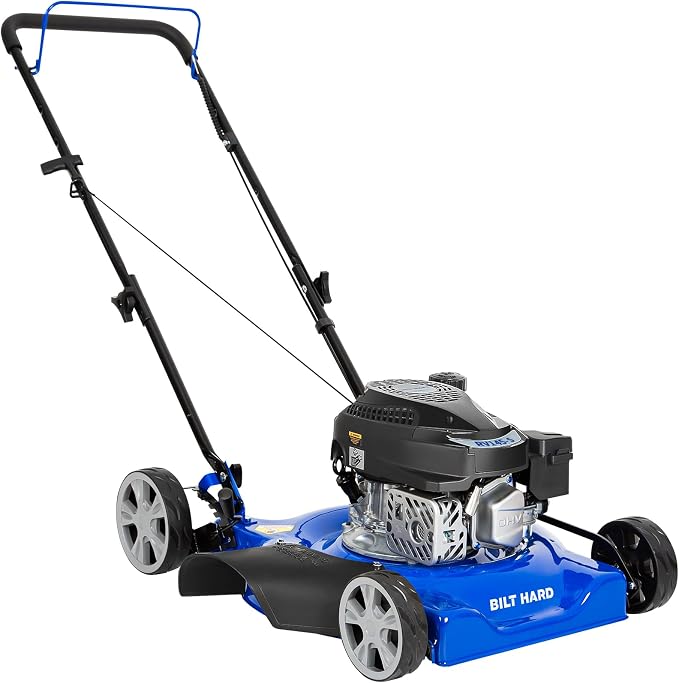
5 Best All Wheel Drive Self Propelled Lawn Mower: Buying Guide
Finding the best all wheel drive self propelled lawn mower is harder than comparing engine size or deck width alone. Buyers also need to consider traction, slope control, cutting height, power source, runtime, maintenance, and whether the mower actually uses all-wheel drive rather than front- or rear-wheel drive.
My first choice is YARDMAX 22 In. 201cc Select PACE 6 Speed CVT High Wheel FWD. It stands at the top of this 5-product list because it offers the strongest overall fit for the buying priorities covered below.
The EGO Power+ Electric Lawn Mower Self-Propelled Cordless is my alternative and second choice for people who prefer quiet, low-maintenance electric power. Its Touch Drive control, two included 56V batteries, rapid charger, seven cutting heights, and up to 65 minutes of stated runtime make it especially appealing for homeowners who want cordless convenience without giving up strong cutting performance.
My third choice is the Ynomdusa 140cc 4-Stroke Self Propelled Gas Lawn Mower 20.5 Inch, a practical gas option with rear-wheel drive, eight cutting-height positions, a large collection bag, and a straightforward 4-stroke engine. It may suit buyers who prioritize a long mowing session and flexible height adjustment, although its available customer-feedback evidence is less extensive than that of the higher-ranked choices.
This guide explains how the five mowers differ, where their traction systems fit, and which type of lawn each one is best suited to handle. It also covers deck size, battery ownership, fuel and maintenance considerations, setup, storage, common mistakes, and the questions that matter most before buying.
.amz-product-card:hover{transform:translateY(-3px)!important;box-shadow:0 10px 26px rgba(20,70,110,.12)!important;border-color:#bdd7ea!important;}
Best All Wheel Drive Self Propelled Lawn Mower
I selected these products for their relevance to self-propelled mowing, useful traction or control features, practical cutting systems, and the amount of product and customer-feedback information available. The list also includes gas and cordless options from several brands, while clearly identifying an important limitation: the supplied models use front-wheel drive, rear-wheel drive, or do not explicitly identify an all-wheel-drive system.
| # | Image | Product | Price on Amazon |
|---|---|---|---|
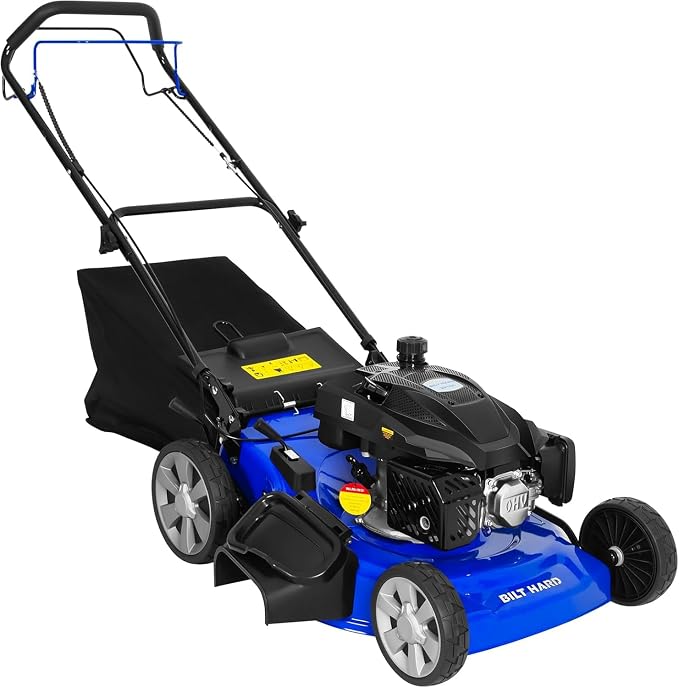
| 1 |  |
YARDMAX 22 In. 201cc Select PACE 6 Speed CVT High Wheel FWD | Check Price |
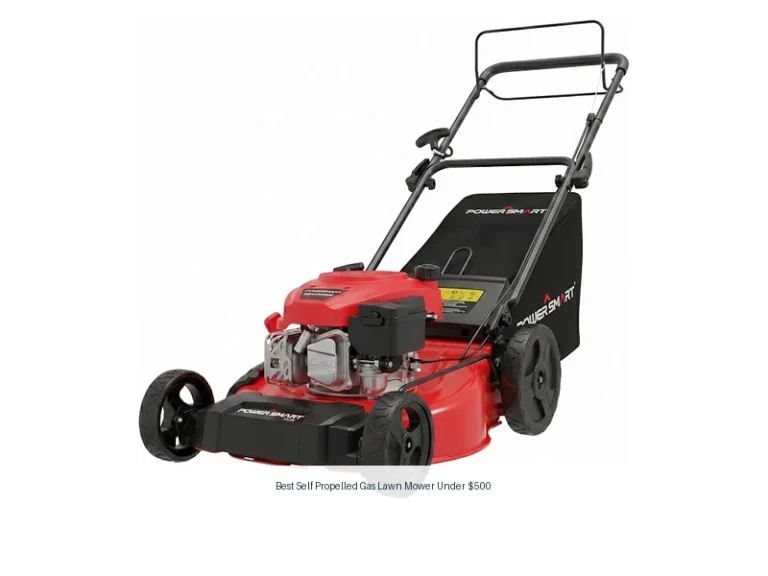
| 2 |  |
EGO Power+ Electric Lawn Mower | Check Price |
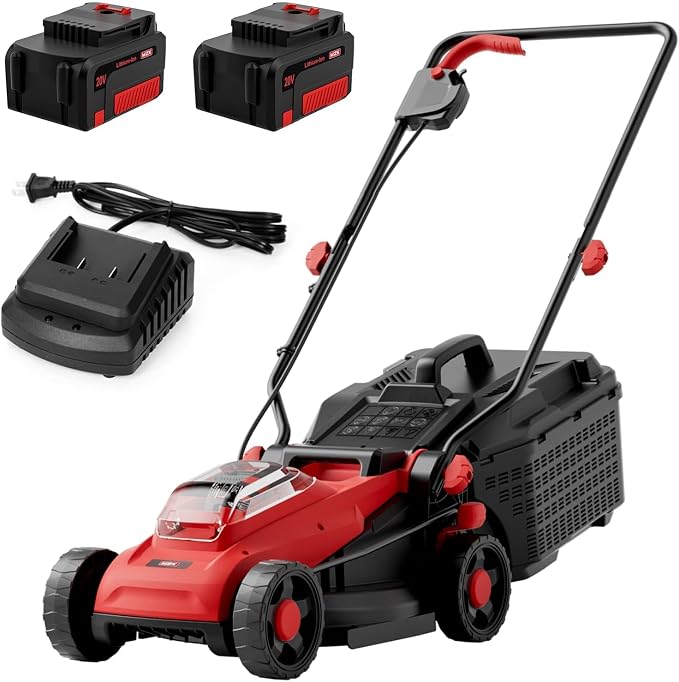
| 3 |  |
Ynomdusa 140cc 4-Stroke Self Propelled Gas Lawn Mower | Check Price |
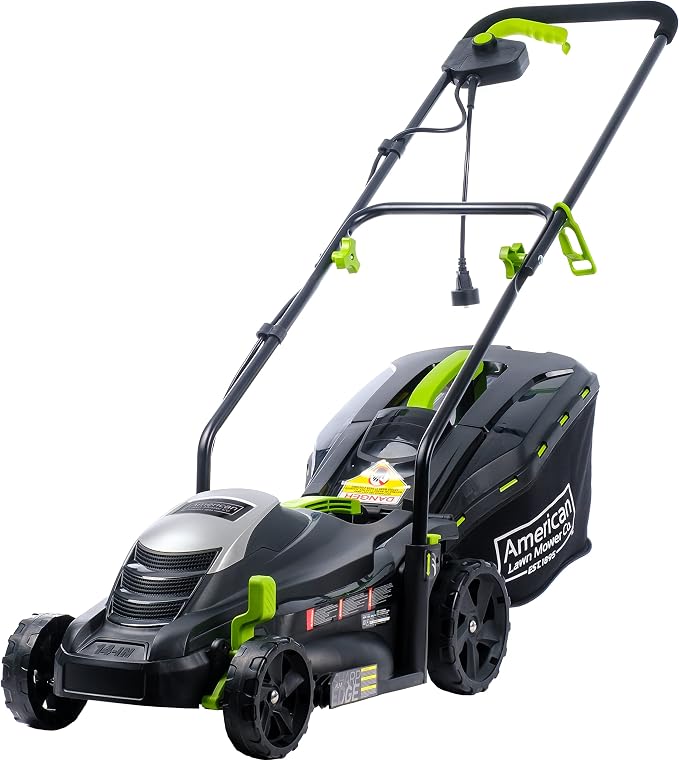
| 4 |  |
SENIX 201cc 22″ 3-in-1 Variable Speed Self Propelled Gas Lawn Mower | Check Price |
| 5 | 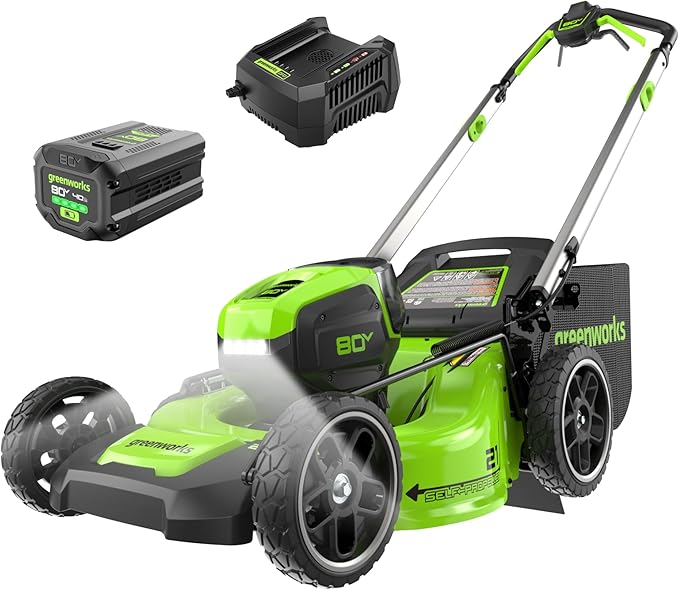 |
Greenworks 80V 21in Self-Propelled Lawn Mower | Check Price |
YARDMAX 22 In. 201cc Select PACE 6 Speed CVT High Wheel FWD
The YARDMAX earns the top position because its Select PACE transmission addresses one of the most noticeable problems with self-propelled mowers: a fixed travel speed that does not match the operator. Its six-speed CVT lets you choose a pace closer to your walking speed, which can make long passes less tiring and reduce the need to repeatedly disengage propulsion.
Its aggressive spiked-tread rubber tires are another practical advantage. They are intended to improve traction and maneuverability, particularly when the grass is uneven or the ground is less forgiving. However, this is a front-wheel-drive mower, not an explicitly all-wheel-drive model. Front-wheel drive can be convenient for lifting the front wheels slightly during turns, but it may not provide the same uphill grip as a rear- or all-wheel-drive design.
The 22-inch deck can cover more ground per pass than a narrower mower, while the 3-in-1 system gives you bagging, mulching, and side-discharge flexibility. An automatic choke simplifies starting, and the deck cleanout port can make underside maintenance less unpleasant. The single-lever height adjustment is also helpful when switching between grass conditions.
Pros
- Six selectable CVT speed settings help match mower pace to walking speed.
- Aggressive tire tread supports traction and maneuverability.
- 22-inch deck and 3-in-1 cutting modes suit larger routine mowing jobs.
- Automatic choke and deck cleanout port simplify ownership tasks.
Cons
- Front-wheel drive is not the same as all-wheel drive for steep or slippery terrain.
- Gas power requires fuel, engine care, and seasonal storage attention.
- The wider deck may be less convenient in narrow gates or crowded landscaping.
My Opinion
The YARDMAX is the most balanced choice in this group for buyers who want a gas mower with unusually useful speed adjustment. Before purchase, confirm that front-wheel drive matches your terrain; owners with steep slopes may prefer the traction behavior of a rear-wheel-drive or explicitly all-wheel-drive machine.
EGO Power+ Electric Lawn Mower
EGO takes a different approach from the gas models by making propulsion control a palm-level operation. Touch Drive engages self-propulsion with pressure from your hand, while a nearby dial adjusts speed. That arrangement may be comfortable for homeowners who dislike holding a conventional drive lever for an entire mowing session, though the ideal control feel is ultimately personal.
The included pair of 56V 4.0Ah batteries and rapid charger are a significant part of this mower’s appeal. The stated runtime is up to 65 minutes, but actual runtime can vary with grass density, cutting height, terrain, and operating technique. Having two batteries can also make it easier to continue working if one pack needs charging. The batteries are compatible with other EGO 56V ARC Lithium products, which adds value for someone already using that platform.
A brushless motor provides up to 6.0 foot-pounds of cutting torque according to the supplied information, and the mower offers bagging, mulching, or side discharge. Seven one-hand height settings span 1.25 to 4 inches. LED headlights, an adjustable handle, push-button starting, folding storage, and IPX4 weather resistance add convenience, but this is still a battery product: buyers should plan around charging and the limits of a single mowing cycle.
Pros
- Touch Drive and dial controls offer adjustable self-propulsion.
- Two batteries and a rapid charger are included.
- Up to 65 minutes of stated runtime supports many residential lawns.
- Quiet cordless operation, LED headlights, folding storage, and three cutting modes improve convenience.
Cons
- Actual runtime can vary with grass, terrain, and operator technique.
- It is not identified as an all-wheel-drive mower.
- Battery charging becomes part of the mowing routine.
My Opinion
This is the strongest alternative for a homeowner who values easy starting, low routine engine maintenance, and a broad cordless ecosystem. It is especially sensible when the lawn can be completed within the available battery capacity and when storage space is limited.
Ynomdusa 140cc 4-Stroke Self Propelled Gas Lawn Mower
The Ynomdusa focuses on straightforward gas-powered mowing with a 140cc 4-stroke engine, a claimed 5 horsepower, and a 20-inch manganese steel blade. Its rear-wheel-drive layout can be useful when the front of the mower needs to track over uneven ground or when extra rear traction is helpful on a gradual incline. It is still not an all-wheel-drive machine, so extremely steep or slippery areas need realistic expectations.
Eight height positions from 1 to 3.2 inches give this mower more adjustment steps than several competing options in this group. That flexibility can help a beginner avoid cutting too aggressively when grass is stressed, or choose a shorter setting when conditions allow. The 20.5-inch cutting width is a reasonable middle ground: wide enough for ordinary residential work without being as cumbersome as a very large deck.
The large 15.9-gallon collection bag and 0.42-gallon fuel tank are intended to reduce interruptions during longer mowing sessions. The supplied information also lists a 0.2-gallon engine oil tank, but buyers should confirm the correct oil type, level, and maintenance procedure in the owner documentation before operating the mower. Its approximately 42.1-inch height may reduce the need to bend over, while the 3-in-1 system allows bagging, mulching, or side discharge.
Pros
- Rear-wheel drive can provide useful traction on uneven residential terrain.
- Eight height settings offer detailed cutting adjustment.
- Large collection bag and fuel tank support longer mowing sessions.
- 3-in-1 cutting provides bagging, mulching, and side-discharge choices.
Cons
- No customer-feedback count was supplied for comparison with the other models.
- The 20.5-inch deck may require more passes than a 22-inch mower.
- Gas operation brings fuel, oil, noise, and seasonal maintenance responsibilities.
My Opinion
The Ynomdusa is a reasonable fit for buyers who want rear-wheel drive and many height choices without moving to a battery platform. Its large bag is useful on broad lawns, but I would verify assembly instructions, replacement-part availability, and maintenance guidance before committing to ownership.
SENIX 201cc 22″ 3-in-1 Variable Speed Self Propelled Gas Lawn Mower
The SENIX combines a 201cc 4-cycle OHV engine with a 22-inch steel deck, making it one of the more substantial gas choices here. A wider deck can shorten mowing time on open lawn because each pass covers more ground. The trade-off is that a 22-inch mower may be harder to maneuver through narrow passages, around tightly spaced beds, or through a small storage doorway.
Its rear-wheel-drive system and 11-inch rear wheels are aimed at traction and smoother movement across slopes, uneven ground, and thicker grass. Rear-wheel drive generally keeps the powered wheels under the back of the mower, which can feel more secure when pushing uphill than front-wheel drive. Still, the product information does not identify it as all-wheel drive, and no self-propelled mower should be treated as a substitute for careful footing on a steep slope.
The 3-in-1 cutting system lets you bag, mulch, or side discharge depending on the season and the amount of clippings. Six single-lever height positions span 1.25 to 4 inches, giving enough range for ordinary lawn adjustments. The 201cc engine should appeal to buyers who prefer conventional fuel power for medium to large lawns, although it also means more routine care than the cordless alternatives.
Pros
- 22-inch steel deck can cover open lawn efficiently.
- Rear-wheel drive and 11-inch rear wheels support traction on uneven ground.
- 201cc OHV engine suits buyers who prefer gas power.
- Bagging, mulching, and side discharge provide useful seasonal flexibility.
- Single-lever adjustment offers six settings from 1.25 to 4 inches.
Cons
- Rear-wheel drive is different from all-wheel drive.
- The wide steel deck may be awkward in tight spaces.
- Gas fuel and engine maintenance add ownership work.
My Opinion
The SENIX stands out when traction, deck width, and a large gas engine matter more than cordless simplicity. It is a particularly logical choice for a medium or large open lawn, provided the owner has room to store it and is comfortable with fuel and maintenance routines.
Greenworks 80V 21in Self-Propelled Lawn Mower
Greenworks offers a high-voltage cordless option built around an 80V battery, a 21-inch deck, and a brushless motor. The supplied information says a fully charged 4.0Ah battery can cut up to one-half acre, although grass condition and operator technique can change that result. That makes the mower appealing for homeowners who want to estimate a practical mowing area before buying, rather than relying only on a vague runtime promise.
Rear-wheel drive and variable-speed control give the operator more control over movement, especially when traction matters. This is not described as an all-wheel-drive mower, but rear-wheel drive can be a useful compromise for lawns with gentle slopes or uneven sections. The durable steel deck adds a traditional feel, while the brushless motor is intended to provide torque, quiet operation, and longer service life than a basic brushed design.
LED headlights extend the usable mowing window into earlier or later parts of the day Greenworks also states that this mower is three times quieter than gas though the actual sound experience will depend on conditions and surroundings A four-year limited tool and battery warranty is supplied and compatibility with more than 75 Greenworks 80V tools may be valuable for someone building a shared battery collection Buyers outside that ecosystem should still account for the cost and storage of.
Pros
- 80V brushless system offers cordless power with quieter operation than gas.
- Stated cutting capacity reaches up to one-half acre under suitable conditions.
- Rear-wheel drive and variable-speed control improve maneuverability.
- Steel deck, LED headlights, and four-year limited tool and battery warranty add practical value.
- Battery works with more than 75 Greenworks 80V tools.
Cons
- Actual coverage varies with grass condition and operating technique.
- It is not identified as an all-wheel-drive model.
- Buyers outside the Greenworks 80V system may gain less from battery compatibility.
My Opinion
The Greenworks is a strong platform choice for someone who wants a quieter mower and may add other 80V yard tools later. It is most attractive when the lawn fits within the realistic battery range and the owner values a shared cordless system more than unlimited fuel-based runtime.
How I Selected These Self-Propelled Mowers
The selection began with the search intent behind the exact keyword: a buyer wants powered assistance, dependable movement, and better control than a basic push mower can provide. I compared deck width, drive layout, speed control, cutting-height range, cutting modes, power source, battery information, starting convenience, storage features, and maintenance implications.
Customer-feedback evidence also helped separate the products where it was available. The YARDMAX lists a 4.0 rating from 428 customers, EGO lists 4.3 from 149, SENIX lists 3.9 from 1,299, and Greenworks lists 4.4 from 710. The Ynomdusa listing did not provide a customer-feedback volume in the supplied data, so it receives a more cautious position rather than an unsupported confidence boost.
Brand diversity matters because gas and cordless ownership involve very different routines. YARDMAX, SENIX, and Ynomdusa represent different gas-mower approaches, while EGO and Greenworks show how battery platforms can change starting, noise, storage, and maintenance. I did not treat any feature as proof of performance beyond the supplied information, and I did not assume that a rear-wheel-drive or front-wheel-drive model was truly all-wheel drive.
The most important selection distinction is drive layout. “Self-propelled” tells you that the mower assists movement; it does not automatically mean that all four wheels receive power.
For a slope, traction depends on more than the drive label. Tire tread, wheel size, grass moisture, mower weight, operator footing, and the direction of travel all affect how controlled the machine feels.
How to Choose the Right Self-Propelled Mower
Start with the lawn rather than the engine or battery number. Measure the approximate mowing area, note slopes and narrow access points, and decide whether you prefer fuel-based continuity or battery-based convenience. Then match the drive system and deck size to the places where the mower will actually operate.
- Check the drive layout: Confirm whether the mower is front-wheel drive, rear-wheel drive, or explicitly all-wheel drive.
- Match deck width to the property: Wider decks reduce passes on open lawns but can be awkward around gates, trees, and planting beds.
- Plan for energy: Gas provides refueling flexibility, while battery models require charging and realistic runtime planning.
- Compare height adjustment: More positions help fine-tune the cut for grass type, season, and lawn stress.
- Consider the entire ownership system: Battery compatibility, storage, cleaning, oil care, and replacement supplies all affect long-term convenience.
Front-Wheel Drive, Rear-Wheel Drive, and All-Wheel Drive
Front-wheel drive can be maneuverable because lifting the front slightly may help with tight turns. It can work well on relatively level lawns, especially when the operator values quick direction changes. The YARDMAX uses this layout and adds aggressive tread, but its front wheels may not feel as planted when climbing a slope.
Rear-wheel drive places propulsion at the back, where it can help maintain traction when the mower is traveling uphill or when the front deck encounters uneven ground. The Ynomdusa, SENIX, and Greenworks use rear-wheel drive according to the supplied information. That does not make them all-wheel drive, but it may make them more appropriate than a front-drive model for some sloped residential lawns.
An explicitly all-wheel-drive mower powers all four wheels, which can help distribute traction across changing surfaces. Even then, it is not permission to mow dangerously steep, wet, or unstable ground. Always compare the manufacturer’s slope guidance and make sure you can maintain secure footing before operating any self-propelled machine.
Choosing Gas or Battery Power
Gas mowers are useful when the lawn is large, mowing sessions are unpredictable, or refueling is easier than waiting for a battery. The trade-offs include fuel storage, oil checks, engine care, starting procedures, exhaust, and more operating noise. Automatic choke systems can simplify starting, but they do not eliminate normal maintenance.
Cordless mowers start with a button and generally require less routine mechanical care. Their main planning issue is energy capacity. The EGO lists up to 65 minutes with its included batteries, while Greenworks lists up to one-half acre with a fully charged 4.0Ah battery. Those are useful reference points, not guarantees, because tall grass, wet conditions, slope, cutting height, and operator pace can change consumption.
Deck Width and Maneuverability
A 22-inch deck can reduce the number of passes across a broad, open lawn. A 21-inch deck is only slightly narrower and remains a common middle ground for residential properties. The Ynomdusa’s 20.5-inch cutting width may be easier to place through tighter areas, although it can take more passes to cover the same space.
Measure narrow gates and storage doors before buying. Also think about turning space near fences, garden beds, trees, and retaining walls. A wider deck saves time only where it can move freely; in a complicated yard, a slightly narrower mower may be easier to control and less frustrating.
Cutting Height and Grass Health
Adjustable height is not only about appearance. Raising the deck can reduce stress during hot or dry conditions, while a lower cut may be suitable when grass growth and local conditions allow. Avoid removing too much grass at once, particularly when the lawn has become overgrown.
The products here range from six to eight height settings, with stated ranges beginning at 1 or 1.25 inches and reaching as high as 4 inches. Use the owner’s instructions and the needs of the grass as your guide rather than selecting the lowest setting simply because it looks neat after mowing.
Setup and First-Time Use
A careful first setup prevents many avoidable problems. Read the supplied manual before adding fuel, oil, or a battery, and identify every control before starting the mower. Product listings can summarize important specifications, but they do not replace model-specific assembly and safety instructions.
Gas Mower Preparation
- Inspect the handle, wheels, deck, blade area, and collection bag for secure assembly.
- Add only the correct fuel and engine oil in the specified amounts.
- Check that the height setting is locked evenly before beginning.
- Start on a clear, level area away from loose objects and people.
- Test propulsion at the lowest comfortable speed before approaching a slope.
Do not assume a large fuel tank means the mower is ready to run without an oil check. Oil level and type are essential to engine care, and the correct procedure varies by model. After mowing, allow hot components to cool before cleaning or storing the machine.
Cordless Mower Preparation
- Charge the battery or batteries with the supplied charger before the first full mowing session.
- Confirm that the battery is seated and the safety key or starting control is correctly installed if included.
- Set the cutting height and handle position before starting.
- Clear stones, sticks, toys, and hoses from the mowing area.
- Store batteries and chargers in a dry location according to the owner instructions.
Keep the battery platform in mind before buying additional packs. EGO 56V ARC Lithium compatibility and Greenworks 80V tool compatibility can be valuable, but batteries from one voltage system should not be assumed to work with another brand or voltage class.
How to Use a Self-Propelled Mower Effectively
Walk at a steady pace and let the drive system do the work instead of pulling or pushing aggressively against it. Overlap each pass slightly so strips of uncut grass do not remain between deck paths. When the grass is tall, raise the deck first and make a second pass later if necessary rather than forcing the mower through excessive material in one cut.
Mowing Slopes and Uneven Areas
Follow the specific safety guidance for the mower and property. Keep both hands in a position that allows you to release controls quickly, watch for holes and hidden obstacles, and avoid wet grass when traction is uncertain. On a slope, turning across the face may create a dangerous loss of footing, so consult the owner’s manual for the recommended direction of travel.
Self-propulsion can make a mower feel easier to move, but it does not remove the risk of sliding. If you cannot comfortably control the mower with the drive engaged, stop and choose a safer method or different equipment.
Bagging, Mulching, and Side Discharge
Bagging is useful when you want to collect clippings, but a full bag adds weight and must be emptied. Mulching returns finely cut material to the lawn when conditions are suitable, while side discharge is practical when clippings can remain on the surface. Change modes only with the mower stopped and the blade fully inactive.
Wet or excessively tall grass can clog the deck and reduce cutting quality. A cleanout port, such as the one supplied on the YARDMAX, can make cleaning easier, but always follow the safe procedure for that model. Never place hands near the blade area.
Maintenance and Storage That Matter
Maintenance requirements differ between gas and cordless models, but every mower benefits from a clean deck, sharp cutting components, secure hardware, and dry storage. Grass buildup can restrict discharge and make the mower work harder. Disconnect the spark plug or remove the battery as directed before inspecting the underside.
Gas Ownership Tasks
Gas owners should monitor oil, inspect the air filter and spark plug according to the maintenance schedule, and keep fuel fresh as recommended by the manual. Check the blade for damage after striking a hard object, and do not operate with loose or bent parts. Before seasonal storage, follow the model’s fuel-storage instructions rather than improvising.
Battery Ownership Tasks
Battery owners avoid many engine tasks, but they still need to clean the deck, inspect the blade, check wheel hardware, and protect batteries and chargers from unsuitable heat or moisture. Store the mower folded only after confirming that its handle and controls are secured. Keep charging equipment ventilated and use the supplied charger or an approved replacement.
Blade and Deck Care
A dull or damaged blade can produce a ragged cut and may increase the effort required from the motor or engine. Inspect the blade at appropriate intervals and have sharpening or replacement performed according to the owner’s instructions. A steel deck can be durable, but it still benefits from removing packed grass and drying before storage.
Common Mistakes to Avoid
Most ownership problems come from choosing a mower based on one impressive specification or using it outside the conditions it can safely handle. A little planning before purchase and before each mowing session protects both the equipment and the operator.
- Do not assume “self-propelled” means all-wheel drive.
- Do not buy a deck that cannot fit through the narrowest gate or storage entrance.
- Do not treat stated battery runtime or acreage as a guarantee for wet, tall, or dense grass.
- Do not mow slopes when the ground is slippery or your footing is uncertain.
- Do not inspect, unclog, or clean near the blade while the mower can start or rotate.
- Do not skip oil checks on a gas mower or battery-care instructions on a cordless model.
- Do not cut over rocks, toys, hoses, or branches that were left in the mowing path.
When comparing drive systems, verify the actual specification in the model documentation. Tire tread and large wheels can improve traction, but they do not change a front- or rear-wheel-drive mower into an all-wheel-drive mower.
FAQ About Self-Propelled Mowers and All-Wheel-Drive Shopping
Are any of these five mowers explicitly all-wheel drive?
No. The supplied information identifies the YARDMAX as front-wheel drive, while the Ynomdusa, SENIX, and Greenworks are identified as rear-wheel drive. The EGO information describes Touch Drive self-propulsion but does not identify an all-wheel-drive layout. Buyers who require power to all four wheels should confirm that specification before ordering.
Is rear-wheel drive better than front-wheel drive for a sloped lawn?
Rear-wheel drive can provide a more useful traction position when traveling uphill, and large rear wheels may help across uneven ground. However, slope safety depends on the entire situation, including moisture, grade, tire tread, mower weight, and footing. It is not automatically safe simply because the mower uses rear-wheel drive.
Which mower is easiest to start?
The EGO uses a quick push-button start, while the YARDMAX includes an automatic choke system intended to simplify gas starting. Battery starting avoids fuel and engine-starting steps, but the battery must be charged and installed correctly before use.
Which option is best for a larger residential lawn?
The answer depends on access, terrain, and energy preference. The YARDMAX and SENIX offer 22-inch decks, while the Greenworks states coverage of up to one-half acre with a fully charged 4.0Ah battery under suitable conditions. Gas models may be more convenient when a mowing session exceeds practical battery capacity, while cordless models can be attractive when reduced noise and simpler starting matter more.
Can the EGO and Greenworks batteries be used interchangeably?
No assumption should be made that they are interchangeable. EGO specifies compatibility with its 56V ARC Lithium batteries, while Greenworks specifies compatibility with its 80V tools. Voltage, battery design, and platform electronics differ, so use the battery system approved for the mower.
Do all five mowers offer bagging and mulching?
The supplied information confirms 3-in-1 cutting for the YARDMAX, EGO, Ynomdusa, and SENIX. The Greenworks information supplied here emphasizes its battery, motor, deck, propulsion, lighting, warranty, and tool compatibility, but does not specify its cutting-mode configuration. Confirm the included accessories and operating modes before purchase if bagging or mulching is essential.
Final Thoughts
The best all wheel drive self propelled lawn mower depends first on whether you truly need all-wheel drive or simply want stronger assisted traction. My top three are the YARDMAX 22 In. 201cc Select PACE 6 Speed CVT for adjustable gas-powered control, the EGO Power+ Electric Lawn Mower Self-Propelled Cordless for quiet battery convenience, and the Ynomdusa 140cc 4-Stroke Self Propelled Gas Lawn Mower 20.5 Inch for rear-wheel-drive practicality and flexible height adjustment.

I’m Maya L. Greenwood, a lifelong plant lover who believes anyone can grow something beautiful with the right guidance. After years of testing soil mixes, pruning methods, irrigation tricks, and pest-safe solutions, I started EasyGardenTips.com to turn hard-won lessons into step-by-step advice. From seed starting and container gardens to composting and seasonal checklists, my goal is to make gardening simple, sustainable, and fun.