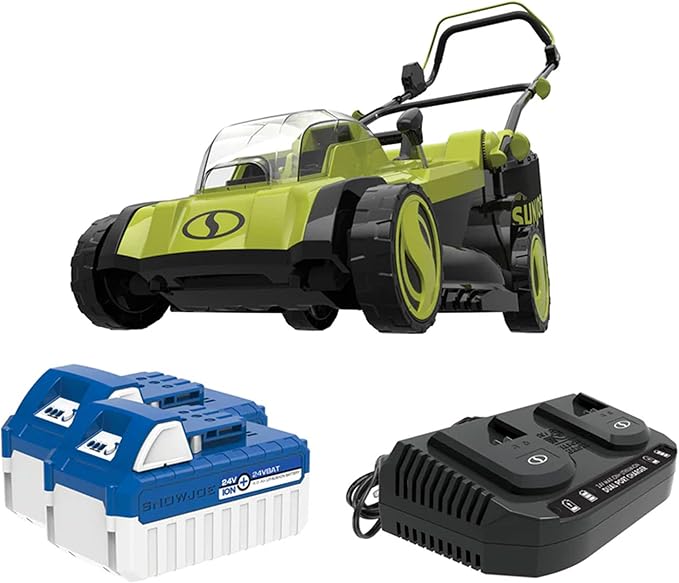
5 Best 4 Wheel Drive Self Propelled Lawn Mower: Buying Guide
Finding the best 4 wheel drive self propelled lawn mower can be surprisingly difficult because many listings use “self-propelled” without offering true four-wheel drive. Buyers must balance traction, cutting width, engine or battery power, lawn size, and the maintenance they are willing to handle.
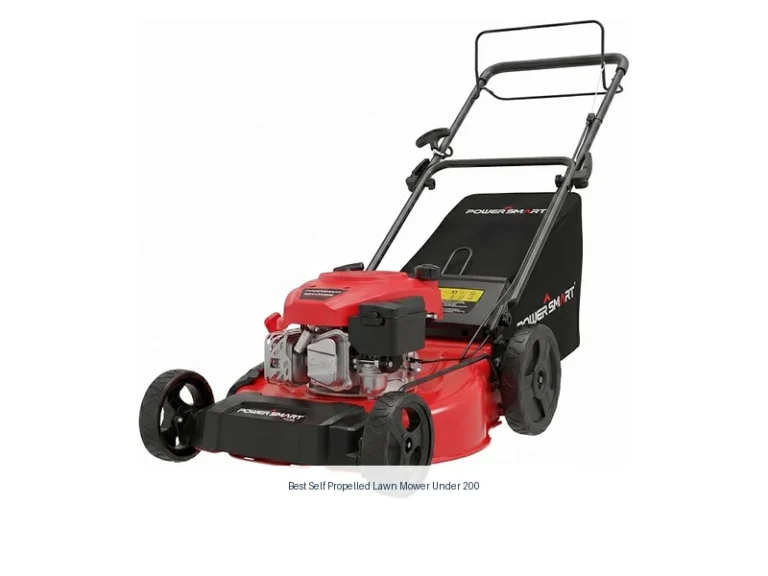
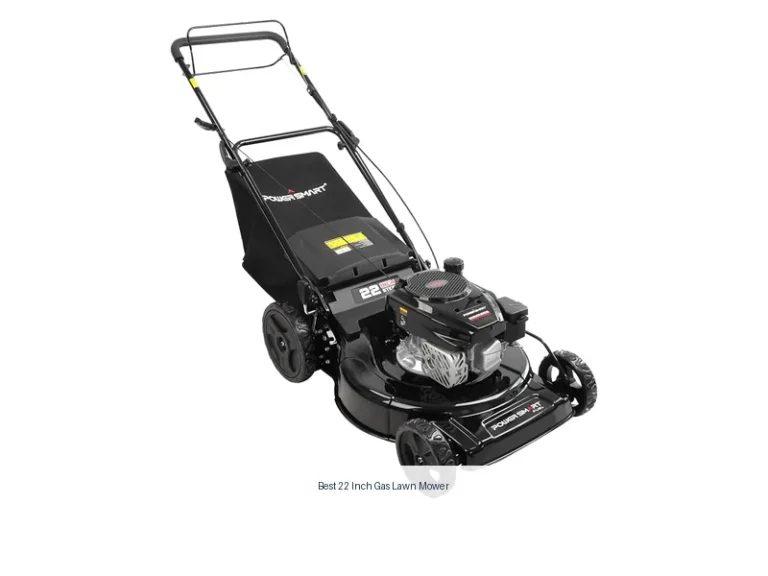
My first choice is PowerSmart 21-Inch 170cc OHV Rear-Wheel-Drive Self-Propelled Gas Lawn Mower. It stands at the top of this 5-product list because it offers the strongest overall fit for the buying priorities covered below.
My second choice is SENIX 22-Inch 201cc Rear-Wheel Self-Propelled Gas Lawn Mower. It is the option I would compare next when a buyer has slightly different priorities from my first pick.
My third choice is YARDMAX 22-Inch 201cc Select PACE CVT Self-Propelled Gas Lawn Mower. It rounds out my top three with a useful alternative for buyers whose priorities differ from the first two choices.
This guide compares all five selected machines, explains where each one fits, and separates true strengths from limitations. You will also find practical advice on drive type, deck size, fuel and battery planning, first-time setup, maintenance, storage, safe mowing, and the mistakes that can make a self-propelled mower frustrating to own.
.amz-product-card:hover{transform:translateY(-3px)!important;box-shadow:0 10px 26px rgba(20,70,110,.12)!important;border-color:#bdd7ea!important;}
Best 4 Wheel Drive Self Propelled Lawn Mower
I selected these products for their relevance to self-propelled mowing, traction-focused designs, practical cutting features, and useful details supplied by the manufacturers. Customer-feedback evidence was considered where available, along with engine or battery capability, deck construction, height adjustment, mowing modes, storage features, and brand diversity; none of the selections are presented as hands-on testing results.
| # | Image | Product | Price on Amazon |
|---|---|---|---|
| 1 |  |
PowerSmart 21-Inch 170cc OHV Rear-Wheel-Drive Self-Propelled Gas Lawn Mower | Check Price |
| 2 | 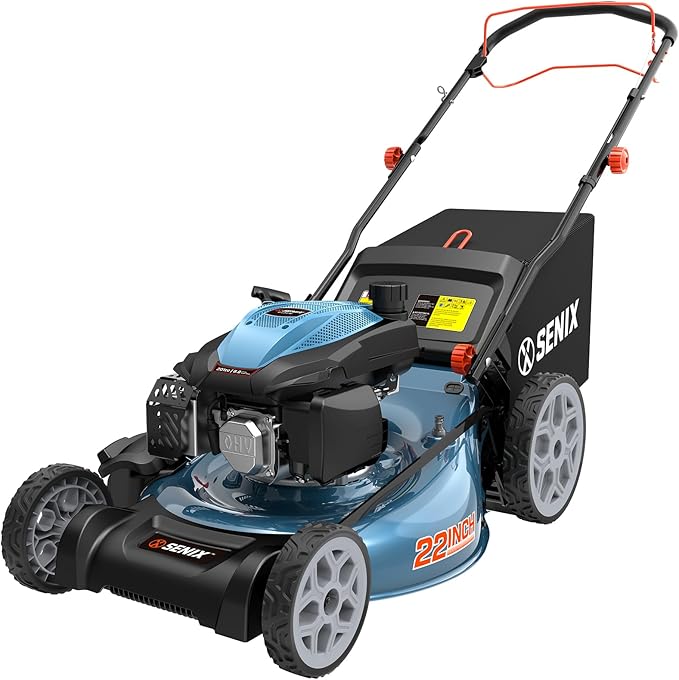 |
SENIX 22-Inch 201cc Rear-Wheel Self-Propelled Gas Lawn Mower | Check Price |
| 3 |  |
YARDMAX 22-Inch 201cc Select PACE CVT Self-Propelled Gas Lawn Mower | Check Price |
| 4 |  |
TANAUT 140cc High-Wheel FWD Self-Propelled Gas Lawn Mower | Check Price |
| 5 | 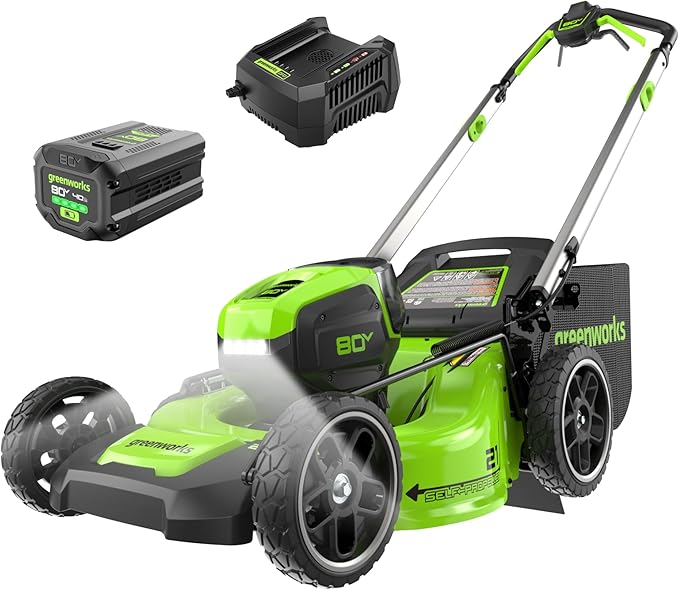 |
Greenworks 80V 21-Inch Self-Propelled Battery Lawn Mower | Check Price |
PowerSmart 21-Inch 170cc OHV Rear-Wheel-Drive Self-Propelled Gas Lawn Mower
The PowerSmart earns the top position by covering the basics that matter most to a homeowner with a medium-size lawn. Its 170cc OHV engine is sized for ordinary residential mowing, and the 21-inch steel deck gives a useful balance between coverage and maneuverability. That combination should reduce passes across open sections without making the mower unnecessarily cumbersome around beds, trees, and gates.
Rear-wheel drive is a practical advantage when the lawn includes slopes or uneven patches. The large 10-inch rear wheels can help maintain traction and make it easier to guide the mower over rougher ground, though this remains a rear-drive machine rather than a true four-wheel-drive model. Buyers should keep that distinction in mind if they are specifically dealing with steep hills, wet grass, or frequent loss of traction.
The 3-in-1 design adds flexibility. You can collect clippings in the 1.4-bushel bag, mulch them back into the lawn, or use rear discharge when speed matters more than appearance. A single height control covers 1.5 to 3.9 inches, giving enough range for seasonal changes and different grass preferences. The main trade-off is that the available information does not indicate variable drive speed, so the walking pace may not suit everyone.
Pros
- 170cc OHV gas engine with a durable steel deck
- Rear-wheel drive and large rear wheels for slopes and uneven ground
- 3-in-1 bagging, mulching, and rear-discharge capability
- Six cutting heights from 1.5 to 3.9 inches
Cons
- Rear-wheel drive is not the same as four-wheel drive
- Only a 1.4-bushel bag is specified
- No variable-speed drive is listed
My Opinion
This is the most balanced choice for a homeowner who wants dependable gas power, useful traction, and straightforward mowing modes. It is best suited to medium yards with some slopes, not buyers who require confirmed four-wheel drive or highly adjustable walking speed.
SENIX 22-Inch 201cc Rear-Wheel Self-Propelled Gas Lawn Mower
SENIX takes second place with a larger 201cc OHV four-cycle engine producing 4.7 horsepower and 8.8 foot-pounds of torque. That output should be helpful when the grass is dense or growth has gotten ahead of schedule. The 22-inch deck also covers a little more ground per pass than the PowerSmart, and the mower is recommended for lawns up to 2,200 square meters, or about 11/20 acre.
Its deck construction is another reason to consider it. The low-carbon, high-strength steel deck is intended to withstand regular impacts, while the vortex tunnel airflow design is meant to move clippings efficiently toward the discharge or bag. The manganese steel alloy blades are specified at 45–50 HRC hardness, which supports cleaner cutting and durability in demanding grass.
There are useful convenience details here too. Six central height settings span 1.25 to 4 inches, allowing a low finish or a taller seasonal cut. The folding handle can save space in a garage or shed, and the listed two-year warranty adds a defined support period. The limitation is the single-speed rear-wheel drive, which reaches up to 2.9 mph but does not let the operator fine-tune pace to match walking speed or tight areas.
Pros
- Strong 201cc engine with stated torque and horsepower figures
- Wide 22-inch deck for larger mowing areas
- Mulching, side discharge, and rear bagging options
- Folding handle and two-year warranty
Cons
- Single-speed self-propelled drive limits pace adjustment
- Gas engine requires fuel and routine maintenance
- Wide deck may feel less nimble in small, crowded yards
My Opinion
The SENIX is my second choice for a larger lawn or thicker grass where extra engine capacity and deck width are worthwhile. Choose it over the PowerSmart when coverage and cutting power matter more than having the lightest, simplest machine to maneuver.
YARDMAX 22-Inch 201cc Select PACE CVT Self-Propelled Gas Lawn Mower
The YARDMAX is the most interesting gas option for people who dislike being forced to walk at one preset speed. Its Select PACE continuously variable transmission provides six speed choices, so the operator can select a slower pace around landscaping and a faster pace across open lawn. That control can make a larger mower feel more natural, particularly when different parts of the yard require different levels of attention.
Traction is also a focus. The high-wheel layout and aggressive spiked tread pattern should help the mower maintain grip while turning or crossing uneven sections. Still, the source information identifies this model as front-wheel drive, so it should not be treated as a four-wheel-drive solution. Front drive can be convenient for lifting the front wheels during turns, but it may not pull as strongly as rear drive when climbing or when the bag becomes heavy.
The 22-inch deck and 201cc engine place it in the same general productivity class as the SENIX. Automatic choke operation is intended to simplify starting, while the deck cleanout port can make underside cleaning less awkward. A single-lever height adjustment is another time saver. The supplied data does not specify the exact height range, bag capacity, or warranty, so buyers who need those details should confirm them before purchase.
Pros
- Six-speed Select PACE CVT for better walking-speed control
- 201cc engine and wide 22-inch cutting deck
- Aggressive tread tires support traction and maneuverability
- Automatic choke and deck cleanout port simplify ownership
Cons
- Front-wheel drive is not four-wheel drive
- Exact cutting-height range is not supplied here
- Bag capacity and warranty details should be verified before buying
My Opinion
The YARDMAX is the best fit among these gas mowers for someone who values speed adjustment above all else. Its front-drive layout makes it less compelling for steep terrain, but the CVT, treaded tires, and cleanout port give it a strong convenience-focused profile.
TANAUT 140cc High-Wheel FWD Self-Propelled Gas Lawn Mower
TANAUT offers a simpler, smaller-engine alternative with a 140cc four-stroke engine rated at 5 horsepower and 2,800 rpm. The 20-inch mowing width is narrower than the 21- and 22-inch options above, which can be an advantage in confined yards where trees, fences, and garden borders make a wide deck awkward. It will also leave a little more grass untouched on each pass, so large open lawns may take longer.
The mower uses front-wheel drive and high wheels, a combination that can make turning around obstacles easier. It is not a full-traction machine for steep or slippery conditions, however. Buyers should also remember that the supplied product information is based on only four customer ratings, so the perfect listed score is not as meaningful a reliability signal as a larger body of customer feedback.
Eight height settings cover 1 to 3.2 inches, giving unusually fine adjustment for choosing a short or taller cut. The 15.9-gallon grass bag is described as large, and the 0.42-gallon fuel tank is intended to support longer sessions without frequent refueling. A 42.1-inch handle height may reduce bending for some users, while the included accessories and manual are intended to make assembly approachable. The exact setup steps should still be followed carefully before adding fuel or oil.
Pros
- Eight cutting-height settings from 1 to 3.2 inches
- High-wheel front-drive layout for easier turning
- Large stated grass bag and 20-inch deck
- Quenched manganese steel blade is described as durable
Cons
- Front-wheel drive is less suitable for demanding slopes
- 20-inch width may require more passes on large lawns
- Only four customer ratings are supplied as evidence
My Opinion
TANAUT is a reasonable choice for a smaller property where easy assembly, height flexibility, and maneuverability matter most. I would approach it more cautiously than the higher-feedback alternatives because the available customer evidence is limited.
Greenworks 80V 21-Inch Self-Propelled Battery Lawn Mower
Greenworks is the clear alternative for buyers who want to avoid gasoline. Its 80V system powers a brushless motor and a durable 21-inch steel deck, while the included 4.0Ah battery and charger provide a ready-to-use cordless package. The stated cutting capacity is up to one-half acre per charge, but grass condition and operator technique can change that result, so a heavily overgrown lawn may require a more conservative expectation.
Rear-wheel drive and variable-speed control give this mower a useful combination of traction and pace adjustment. That makes it easier to match the machine to open stretches, turns, and mild slopes without accepting the fixed speed found on some gas models. It is still not identified as a four-wheel-drive mower, and battery runtime remains a practical limitation for properties larger than the stated coverage.
Quiet operation is one of its strongest ownership benefits. Greenworks states that it is three times quieter than gas, and LED headlights support early-morning or late-evening mowing when visibility is reduced. The four-year limited tool and battery warranty is also notable, as is compatibility with more than 75 Greenworks 80V tools. That ecosystem value is greatest when you already own, or plan to add, compatible trimmers, blowers, or chainsaws.
Pros
- Brushless 80V motor with quiet cordless operation
- Rear-wheel drive and variable-speed control
- Battery, charger, steel deck, and LED headlights included
- Four-year limited tool and battery warranty
- Works with more than 75 Greenworks 80V tools
Cons
- One charge is stated for up to one-half acre under variable conditions
- Battery runtime can be affected by thick or wet grass
- Not identified as a four-wheel-drive mower
My Opinion
Greenworks is my preferred choice for a quieter, lower-fume mowing experience and for homeowners building an 80V tool collection. It is especially attractive when the lawn is within the stated battery range, but buyers with larger or frequently overgrown properties may need additional battery capacity.
How I Selected These Best 4 Wheel Drive Self Propelled Lawn Mower Options
The phrase best 4 wheel drive self propelled lawn mower often describes a shopping goal rather than a precise technical category. The supplied products are not all four-wheel-drive machines: PowerSmart and SENIX specify rear-wheel drive, while YARDMAX and TANAUT specify front-wheel drive. Greenworks also specifies rear-wheel drive. I kept them together because they are relevant self-propelled alternatives for buyers seeking better traction, easier mowing, or a replacement for a true four-wheel-drive model that may not be available in the preferred format.
Ranking emphasized the combination of traction layout, cutting width, power source, deck construction, height adjustment, mowing modes, speed control, storage, and ownership support. A machine with strong specifications but little customer-feedback history was treated differently from one with a broader evidence base. I also considered whether each product serves a distinct buyer rather than including five nearly identical gas mowers.
Important distinction: Rear-wheel drive can be helpful on slopes, and front-wheel drive can make turning easier, but neither should be represented as four-wheel drive. If all four wheels must receive power, confirm that exact specification before ordering.
Evidence matters: TANAUT has a perfect listed score, but the supplied total is only four ratings. PowerSmart, SENIX, YARDMAX, and Greenworks have substantially more customer-feedback data, making their broader track records more useful for comparison.
How to Choose the Best 4 Wheel Drive Self Propelled Lawn Mower
Start by matching the mower to the property rather than choosing the biggest engine or widest deck. The best 4 wheel drive self propelled lawn mower for a sloped yard may need genuine all-wheel traction, while a flat suburban lawn may benefit more from adjustable speed, low noise, easy storage, or a cordless battery system.
- Confirm whether the listing says front-wheel, rear-wheel, or four-wheel drive.
- Match deck width to lawn size and the number of tight spaces.
- Choose gas for extended sessions or battery power for quieter, cleaner operation.
- Look for variable speed if several people may use the mower or walking pace matters.
- Check height range, bag capacity, warranty, and replacement-part support before ordering.
Drive Type and Terrain
Rear-wheel drive generally makes sense when the mower must push through uneven ground or climb moderate slopes. As the bag fills, extra weight at the rear can also help the drive wheels maintain contact. PowerSmart, SENIX, and Greenworks use this layout. It does not eliminate the need for careful footing, dry conditions, and controlled turns.
Front-wheel drive is often convenient on flatter lawns with many obstacles. Pulling up slightly on the handle can reduce front-wheel traction and help the operator pivot around a flower bed or tree. YARDMAX and TANAUT use front-wheel drive, but their designs should not be selected solely for steep hills.
True four-wheel drive is a separate specification. If the lawn has persistent slopes, damp areas, loose soil, or difficult transitions, look for explicit confirmation that all four wheels are powered. Do not infer it from phrases such as “high wheel,” “all-terrain,” “strong traction,” or “self-propelled.”
Deck Width and Lawn Layout
A 22-inch deck can reduce mowing time across open ground because each pass covers more area. SENIX and YARDMAX suit that use case well. The trade-off is additional bulk when moving through narrow gates, around shrubs, or between raised beds. A 20- or 21-inch mower can be easier to position and store while still providing productive coverage.
Measure the narrowest gate and storage doorway before purchasing. Also consider whether the handle folds and whether the mower must be lifted over a step. A wide deck that cannot reach the backyard comfortably is less useful than a slightly narrower one that can be moved without strain.
Gas Engine or Battery Motor
Gas mowers are useful for long sessions because refueling takes less time than waiting for a battery to charge. They also remain a familiar choice for thick grass and larger properties. However, they require fuel, engine oil, starting procedures, seasonal care, and more noise. PowerSmart, SENIX, YARDMAX, and TANAUT all belong to this group.
The Greenworks 80V mower avoids gasoline and is stated to be three times quieter than gas. It can be a better fit for early or late mowing and for owners who already use Greenworks 80V equipment. Runtime is the main planning issue: the included 4.0Ah battery is stated to cover up to one-half acre under variable conditions, not an unlimited area.
Cutting Height and Mowing Modes
Height adjustment matters because grass should not always be cut to the lowest setting. Taller settings are useful when grass is long, stressed, or growing vigorously, while a lower setting may suit a maintained lawn when conditions allow. SENIX ranges from 1.25 to 4 inches, PowerSmart from 1.5 to 3.9 inches, and TANAUT from 1 to 3.2 inches.
Bagging is useful when clippings must be removed, mulching can return finely cut material to the lawn, and discharge is often fastest when the grass is long. Check where the clippings exit and whether the bag capacity suits your mowing frequency. Large bags reduce emptying stops, but they also become heavier when full.
Setup Before the First Mow
Read the supplied manual before starting any gas mower. Assembly may involve the handle, collection bag, discharge components, and control cables. Check that every fastener is secure, the blade area is clear, and the height mechanism moves through its positions without binding.
For gas models, identify the correct engine oil and fuel requirements from the manual rather than guessing. Add fluids only on a level surface, keep fuel away from sparks and hot engine parts, and never work on a running mower. TANAUT specifically lists engine oil and a fuel tank, while the other gas models also require the normal fluid checks associated with four-cycle engines.
For Greenworks, charge the included battery using the supplied charger, inspect the battery compartment for debris, and make sure the battery locks into place. Store the battery according to the manufacturer’s instructions rather than leaving it exposed to heat or moisture. Before mowing, test the controls without engaging the blade so you understand the drive and stopping behavior.
How to Mow More Efficiently
Use the Right Height
Do not remove a large amount of grass in one pass simply because the mower offers a low setting. If the lawn is overgrown, raise the deck and make a second pass later. This reduces strain on the engine or motor and helps prevent clippings from clumping in the deck or bag.
Change Direction Regularly
Alternate mowing direction from one session to the next when practical. Repeatedly traveling in the same tracks can encourage visible striping or soil compaction. On a slope, mow across the face rather than straight up and down when the manual permits, and maintain a firm stance away from the discharge path.
Use Drive Assistance Selectively
Self-propulsion is helpful, but it does not need to run continuously. Disengage it when repositioning, crossing a hard surface, or making a tight turn if the controls allow. Variable-speed models such as YARDMAX and Greenworks offer more control in these situations, while single-speed models may require more deliberate planning around obstacles.
Maintenance and Storage
Clean grass from the deck after the mower has been stopped, the battery removed or engine safely shut down, and the controls secured. A deck cleanout port, as supplied on the YARDMAX, can make this task easier, but it does not replace checking for packed clippings around the blade and discharge opening.
Inspect the blade regularly for damage and have it sharpened or replaced when cutting quality declines. A dull or bent blade can increase effort, leave ragged tips, and make the mower work harder. Never place hands under the deck while the blade could move, even if the engine appears off.
Gas mower care includes checking oil, using fresh fuel as directed, inspecting the air filter and spark plug, and following the seasonal storage process in the manual. Battery mower care includes charging and storing the battery correctly, keeping electrical contacts clean, and avoiding pressure washing around the motor, controls, or battery compartment.
Store any mower in a dry, protected location. Foldable handles can reduce the footprint of the SENIX, while a smaller 20-inch TANAUT may be easier to position in a crowded shed. Do not store a fuel-filled machine near ignition sources, and do not stack heavy items on a folded handle or control cable.
Compatibility and Ownership Planning
Compatibility matters beyond the first mowing session. Greenworks owners can expand into more than 75 compatible 80V tools, which may make the included battery more valuable if a trimmer, blower, or chainsaw is also needed. That benefit does not carry across Greenworks voltage families, so match the exact 80V platform rather than assuming every Greenworks battery fits every tool.
Gas models do not depend on a shared battery ecosystem, but they do depend on fuel, oil, replacement blades, and ordinary engine service. Before ordering, check whether the brand provides the consumable parts you expect to need. A mower can be powerful and well matched to the yard yet inconvenient to own if blades, bags, or drive components are difficult to source.
Common Mistakes to Avoid
Most disappointing purchases come from confusing a marketing phrase with a technical specification or from overlooking the property’s actual layout. A mower that is excellent on an open, flat lawn may be frustrating on a narrow, steep, or frequently wet property.
- Do not assume self-propelled means four-wheel drive.
- Do not choose a 22-inch deck without measuring gates and storage space.
- Do not treat a small number of perfect customer ratings as conclusive evidence.
- Do not mow wet or slippery slopes simply because the mower has large wheels.
- Do not cut severely overgrown grass at the lowest height in one pass.
- Do not forget that a full collection bag changes handling and adds weight.
- Do not buy a battery mower for a larger lawn without checking coverage and recharge plans.
When traction is the deciding factor, verify the drive system in the technical specifications. Wheel size, tread, deck strength, and the phrase “all-terrain” can improve control, but they do not prove that all four wheels are powered.
FAQ
Are any of these mowers confirmed four-wheel drive?
No. The supplied information identifies PowerSmart, SENIX, and Greenworks as rear-wheel drive, while YARDMAX and TANAUT are front-wheel drive. None of the five is explicitly identified as four-wheel drive, so buyers requiring all-wheel traction should verify another model’s specifications before purchasing.
Which listed mower is best for slopes?
PowerSmart is the strongest match among these options because its rear-wheel drive and 10-inch rear wheels are specifically presented as useful for slopes and uneven terrain. SENIX and Greenworks also use rear-wheel drive, but slope performance still depends on surface condition, grade, operator control, and the mower manual’s safety guidance.
Which mower offers the best speed control?
YARDMAX provides six speed choices through its Select PACE continuously variable transmission. Greenworks also lists variable-speed control. The SENIX has a single-speed drive reaching up to 2.9 mph, while the supplied PowerSmart and TANAUT information does not specify adjustable drive speed.
Is a gas mower or battery mower better for a large lawn?
Gas models are generally easier to keep running through long sessions because they can be refueled, while the Greenworks 80V mower is stated to cover up to one-half acre with its 4.0Ah battery under variable conditions. The better choice depends on the actual lawn size, grass density, charging access, noise preference, and willingness to maintain an engine.
Which option is easiest to store?
SENIX specifically lists a folding handle, making it a strong storage candidate. YARDMAX also includes practical cleaning convenience, and the smaller 20-inch TANAUT may be easier to position than a 22-inch mower. Always measure the storage area and doorway before ordering.
Final Thoughts
The best 4 wheel drive self propelled lawn mower depends on whether you truly need four powered wheels or simply want better control and traction. My top three are the PowerSmart 21 Self-Propelled Gas Lawn Mower 170cc OHV Engine Rear-Wheel for balanced slope-friendly mowing, the SENIX 22inch 201cc 3-in-1 Gas Lawn Mower for larger lawns and stronger engine output, and the YARDMAX 22 In. 201cc Select PACE 6 Speed CVT for adjustable walking speed. Greenworks is the standout quiet cordless alternative, while TANAUT suits buyers prioritizing a narrower deck and detailed height adjustment.

I’m Maya L. Greenwood, a lifelong plant lover who believes anyone can grow something beautiful with the right guidance. After years of testing soil mixes, pruning methods, irrigation tricks, and pest-safe solutions, I started EasyGardenTips.com to turn hard-won lessons into step-by-step advice. From seed starting and container gardens to composting and seasonal checklists, my goal is to make gardening simple, sustainable, and fun.