5 Best Self Propelled Gas Lawn Mower with Bagger: Buying Guide
Finding the best self propelled gas lawn mower with bagger means balancing cutting width, engine strength, drive traction, collection capacity, and everyday control. A mower that looks powerful on paper may still be a poor fit if its speed, height range, storage design, or bagging setup does not match your yard.
My first choice is Ficwzw 20-Inch Self-Propelled Gas Lawn Mower. It stands at the top of this 5-product list because it offers the strongest overall fit for the buying priorities covered below.
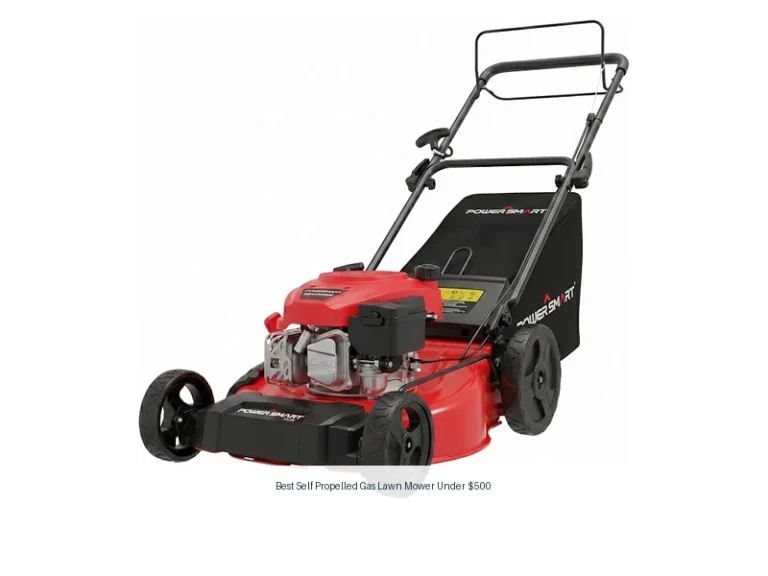
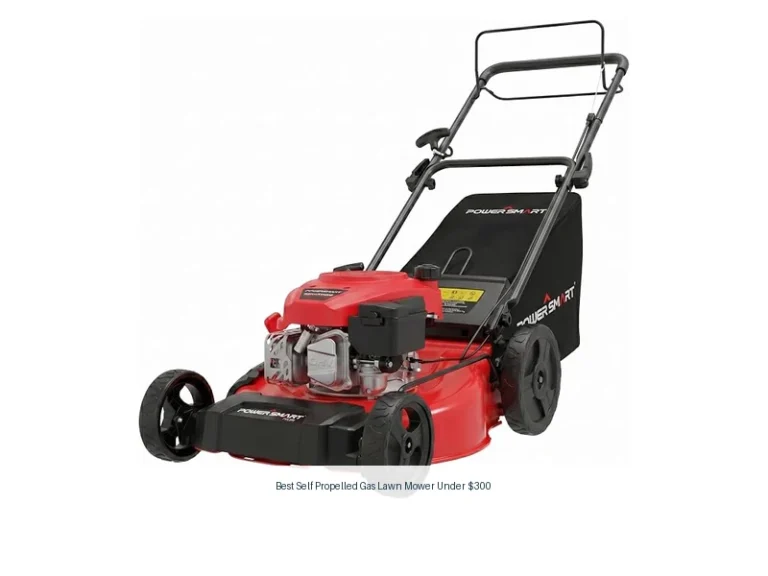
My second choice is PowerSmart 21-Inch Self-Propelled Gas Lawn Mower. It is the option I would compare next when a buyer has slightly different priorities from my first pick.
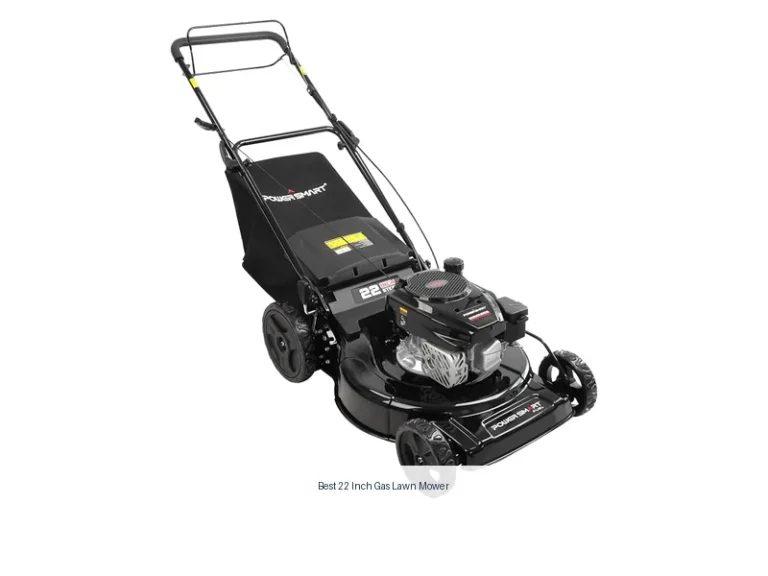
My third choice is SENIX 22-Inch Self-Propelled Gas Lawn Mower. It rounds out my top three with a useful alternative for buyers whose priorities differ from the first two choices.
This guide compares all five options by power, deck size, bagging usefulness, terrain control, adjustment range, and ownership details. You will also learn how to choose the right mower for your lawn, prepare it for first use, maintain the gas engine and deck, avoid common buying mistakes, and decide which model best fits your priorities.
.amz-product-card:hover{transform:translateY(-3px)!important;box-shadow:0 10px 26px rgba(20,70,110,.12)!important;border-color:#bdd7ea!important;}
Best Self Propelled Gas Lawn Mower with Bagger
I selected these mowers for their direct match to the bagging and self-propelled requirement, along with useful differences in engine size, drive layout, deck width, cutting adjustment, and mowing modes. Customer-feedback evidence was considered where supplied, and the list includes several brands so the comparison is not limited to one product family.
| # | Image | Product | Price on Amazon |
|---|---|---|---|
| 1 |  |
Ficwzw 20-Inch Self-Propelled Gas Lawn Mower | Check Price |
| 2 |  |
PowerSmart 21-Inch Self-Propelled Gas Lawn Mower | Check Price |
| 3 |  |
SENIX 22-Inch Self-Propelled Gas Lawn Mower | Check Price |
| 4 |  |
YARDMAX 22-Inch Select PACE Self-Propelled Gas Lawn Mower | Check Price |
| 5 |  |
BILT HARD 21-Inch Self-Propelled Gas Lawn Mower | Check Price |
Ficwzw 20-Inch Self-Propelled Gas Lawn Mower
The Ficwzw stands out by pairing a 20-inch steel cutting deck with a 60L collection bag. That bag is larger than a typical small catcher, so it can reduce interruptions when mowing a medium-sized lawn or working through thicker grass. The 140cc four-stroke engine supplies the power, while self-propelled drive takes much of the pushing effort out of the job.
Its eight-position, single-lever height adjustment ranges from 1 to 3.2 inches. That is a useful spread for changing from a shorter, tidier cut to a taller setting during stressful weather or when the lawn has grown longer than usual. The 20-inch deck is also a reasonable compromise: wide enough to cover ground efficiently, but not so wide that it becomes awkward around narrow gates, planting beds, or tight corners.
Storage is another strong point. The handle and bag fold for more compact placement in a garage or shed, and the adjustable soft-grip handle can make upright operation more comfortable. The pull-start recoil system is straightforward, although buyers who specifically want push-button starting will need to look elsewhere. Assembly parts and a clear manual are included, but the owner still needs to handle normal gasoline-mower preparation and upkeep.
Pros
- Large 60L bag reduces frequent emptying.
- Eight height settings cover a useful 1-to-3.2-inch range.
- Foldable handle and bag help with storage.
- Self-propelled drive suits medium yards and some slopes.
Cons
- Pull-start operation is less convenient than electric starting.
- The 20-inch deck is narrower than the 21- and 22-inch alternatives.
- The supplied information does not specify a variable drive-speed control.
My Opinion
The Ficwzw is my top pick for a buyer who values a roomy catcher, comfortable storage, and uncomplicated controls more than maximum deck width. Before ordering, confirm that the folded dimensions and bag arrangement fit your storage area, then follow the included assembly instructions and engine-care guidance carefully.
PowerSmart 21-Inch Self-Propelled Gas Lawn Mower
PowerSmart takes a balanced approach with a 21-inch steel deck and a 170cc OHV engine. The wider cutting path can shorten mowing time compared with a compact 20-inch model, while the engine size gives this mower a useful reserve for tougher grass. It is a particularly sensible option for medium to large yards where the operator wants fewer passes without moving up to a much larger machine.
Rear-wheel drive is the key feature for uneven ground and slopes. Large 10-inch rear wheels can improve traction and help the mower track more confidently where a basic front-wheel-drive layout may feel less secure. That does not remove the need for careful handling on hills, but it makes the drive arrangement more relevant to sloped lawns than a mower intended only for flat terrain.
The 3-in-1 design lets the owner bag clippings, mulch them, or use rear discharge. Its 1.4-bushel bag is practical for routine collection, though a large or fast-growing lawn may require more emptying than the Ficwzw’s 60L catcher. Six cutting positions run from 1.5 to 3.9 inches, giving room for a taller seasonal setting as well as a shorter finish. The trade-off is that it has fewer height positions than some competitors, so the increments may feel less finely tuned.
Pros
- 170cc OHV engine and 21-inch deck suit demanding medium-yard work.
- Rear-wheel drive and large rear wheels help on slopes and uneven ground.
- Bagging, mulching, and rear-discharge modes provide flexibility.
- Height adjustment reaches 3.9 inches.
Cons
- The 1.4-bushel bag may need frequent emptying on heavy growth.
- Six height positions offer less fine adjustment than eight-position designs.
- It may be more mower than necessary for a small, flat lawn.
My Opinion
PowerSmart is my second choice for buyers who want a versatile mower with meaningful slope capability and a wider working path. Check the slope conditions around your property and decide whether rear-wheel traction matters more than a larger bag or more precise height steps.
SENIX 22-Inch Self-Propelled Gas Lawn Mower
SENIX uses a broad 22-inch steel deck to cover more grass with each pass, making it attractive for small to medium-sized yards where reducing mowing time is important. Its 170cc four-cycle OHV engine provides the power, and rear-wheel drive supports movement across uneven sections. The single-speed drive keeps operation simple, although it gives the operator less pace adjustment than the YARDMAX model.
The mower offers three useful cutting methods: rear bagging, mulching, and side discharge. The included 19-gallon bagger provides substantial collection capacity, while the mulch plug and discharge chute are already part of the package. That combination is helpful for an owner who wants to collect clippings near walkways but mulch or discharge in less visible parts of the property.
Height adjustment uses one lever and six positions from 1.25 to 4 inches. The high top setting is useful when grass should be left longer, and the 8-inch front and 11-inch rear wheels can make uneven ground easier to navigate. SENIX also includes an integrated washout port, which can simplify cleaning beneath the deck after mowing. A foldable handle and vertical-storage design save floor space, while the included engine oil reduces some first-use preparation.
Pros
- 22-inch deck covers a wide path.
- 19-gallon bagger, mulch plug, and discharge chute are included.
- Height range extends from 1.25 to 4 inches.
- Washout port and vertical storage improve ownership convenience.
- Backed by a two-year limited warranty.
Cons
- Single-speed drive offers limited control over walking pace.
- A 22-inch deck can be less convenient in narrow spaces.
- Six height positions provide fewer increments than eight-position mowers.
My Opinion
SENIX is a strong third choice for someone who wants broad coverage and a complete bagging package without giving up mulching or side discharge. Measure gates and storage openings before buying, and use the washout port only according to the operating instructions so water does not reach sensitive engine components.
YARDMAX 22-Inch Select PACE Self-Propelled Gas Lawn Mower
The YARDMAX is the most pace-focused mower in this group. Its Select PACE system uses a six-speed continuously variable transmission, allowing the operator to choose a mowing speed that better matches a comfortable walking rhythm. That can be valuable when different parts of the yard require different momentum, although the extra speed-control feature also creates more adjustment decisions than a basic single-speed drive.
A 22-inch cutting deck gives it the same broad coverage class as the SENIX, and the high-wheel design is intended to make maneuvering easier across the lawn. Its rubber tires have an aggressive spiked tread pattern for added traction. Those details should appeal to owners dealing with uneven areas or grass where ordinary smooth tires may feel less planted.
The automatic choke system is another convenience feature because it removes manual priming or choking steps at startup. A single-lever deck adjustment makes height changes quick, though the supplied information does not state the mower’s exact height range. The deck cleanout port can make underside cleaning less tedious after use. This model is identified as a front-wheel-drive mower, so buyers should compare that layout with their terrain: front drive can feel nimble for turning, while rear-wheel drive may be preferable when climbing slopes.
Pros
- Six-speed CVT lets the operator fine-tune mowing pace.
- 22-inch deck can reduce the number of passes.
- Aggressive tread supports traction and maneuverability.
- Automatic choke simplifies starting.
- Deck cleanout port helps with routine cleaning.
Cons
- The supplied information does not specify the bag capacity.
- Front-wheel drive may be less suitable than rear-wheel drive for some slopes.
- More transmission controls can be unnecessary for a small, simple lawn.
My Opinion
YARDMAX is the best match here for an owner who cares most about controlling walking speed and covering a wide path. Because bag capacity and cutting-height numbers are not provided in the supplied specifications, confirm those details and the included bagging equipment before purchase if collection is your main priority.
BILT HARD 21-Inch Self-Propelled Gas Lawn Mower
BILT HARD combines a 21-inch steel deck with a relatively large 201cc four-cycle OHV engine producing 9.0 ft-lb of torque. That power profile is appealing for buyers who regularly encounter thick growth or want a mower that does not feel undersized for a larger yard. The mower uses rear-wheel drive and a single-speed self-propelled system, so it favors straightforward operation over adjustable travel speed.
Its 3-in-1 deck supports bagging, mulching, and side discharge. That flexibility lets the owner collect clippings around the house, return finely cut material to the lawn when conditions are suitable, or clear a section quickly without using the bag. Eight single-lever height settings range from 1.2 to 3.75 inches, offering more adjustment points than the six-position alternatives.
Starting is intended to be simple because the design does not require manual choking or priming. The foam-wrapped, angled handle is aimed at reducing hand fatigue, which may be welcome during longer mowing sessions. However, the available information does not state the catcher’s capacity, wheel dimensions, or warranty length. Those omissions do not make the mower unsuitable, but they are worthwhile details to verify before ordering, especially if your lawn produces heavy clippings or storage space is limited.
Pros
- 201cc OHV engine delivers 9.0 ft-lb of torque.
- Bagging, mulching, and side discharge cover common mowing needs.
- Eight height settings range from 1.2 to 3.75 inches.
- No-choke, no-primer starting is beginner-friendly.
- Rear-wheel drive supports self-propelled operation.
Cons
- Single-speed drive does not let the operator fine-tune pace.
- Bag capacity is not stated in the supplied information.
- The larger engine may be unnecessary for a small, flat yard.
My Opinion
BILT HARD is a good value-oriented contender for buyers who prioritize engine torque and eight-position height control. Confirm the bag dimensions, available replacement parts, and storage requirements before committing, then use the correct mowing mode for the grass and conditions rather than relying on the most powerful setting every time.
How I Selected These Gas Mowers with Baggers
For this comparison, I treated the exact search need—finding the best self propelled gas lawn mower with bagger—as more than a request for engine size alone. I gave weight to whether each mower actually supports grass collection, how the drive system affects slopes or maneuverability, how easily the cutting height can be changed, and whether the deck and bag suit a typical residential lawn.
The ranking also considers meaningful ownership differences. A large bag can reduce emptying stops, but it may add bulk. A wider deck can shorten mowing time, but it can be awkward through narrow gates. Rear-wheel drive may help on slopes, while front-wheel drive can be appealing for nimble turning. Variable speed is useful for matching walking pace, but simple single-speed controls may be easier for a beginner.
Selection takeaway: The highest engine displacement does not automatically make a mower the best choice. Bag capacity, drive layout, cutting-height range, deck width, and storage convenience can matter just as much on a residential property.
Where supplied, customer feedback volume and rating information helped provide context, but those figures were not treated as a substitute for specifications. Product descriptions do not establish hands-on performance, so this guide avoids claiming personal testing or measured results. I also noted missing information instead of filling gaps with assumptions, particularly around bag capacity, speed control, warranty coverage, and cutting-height details.
Practical takeaway: Before ordering, verify the items that affect compatibility with your property: the bag’s actual capacity, folded dimensions, drive type, height range, and whether the required bagging parts are included.
How to Choose a Gas Self-Propelled Mower with Bagger
The right choice depends on how much grass you cut, how often you empty the catcher, and whether your property is flat, sloped, open, or crowded with obstacles. Start with the yard itself, then compare mower controls and ownership demands rather than choosing by engine number alone.
- Choose a wider deck when reducing mowing passes matters more than tight maneuvering.
- Prioritize rear-wheel drive for lawns with meaningful slopes or uneven terrain.
- Look for a large bag if you dislike frequent stops to empty clippings.
- Select more height positions when you frequently change lawn height by season.
- Confirm folded storage dimensions and included bagging hardware before purchase.
Match the deck width to the property
A 20-inch deck is often easier to guide around beds, trees, gates, and narrow side yards. The 21- and 22-inch decks in this group can cover more ground per pass, which is useful on open lawns. The trade-off is physical size: a wider mower may require more room to turn and store. Measure the narrowest passage from your storage area to the lawn rather than measuring only the main mowing area.
Consider engine size in context
The products here range from 140cc to 201cc. Larger engines can be attractive when grass is dense or mowing conditions are demanding, but displacement alone does not tell you how comfortable the complete mower will be. A smaller engine paired with a manageable deck may be adequate for a medium lawn, while a larger engine can make more sense when the deck is wide or the grass is regularly overgrown.
Decide how you want to manage clippings
Bagging creates a tidy finish and is useful near sidewalks, driveways, and patios. Mulching can return finely cut material to the lawn when the grass is dry and not excessively tall. Side or rear discharge is convenient when collection is unnecessary. A 3-in-1 mower gives the most choices, but remember that a bagger still needs to be removed, emptied, and stored. If collection is your primary purpose, compare capacity rather than assuming every included bag is equally large.
Choose the right drive and speed control
Rear-wheel drive generally deserves extra attention on sloped or uneven lawns because the drive wheels remain toward the back of the mower. Front-wheel drive can be convenient for turning and maneuvering around obstacles. A single-speed system is easier to understand, while the YARDMAX six-speed CVT provides more pace control. Think about the operator’s walking speed and comfort: a mower that moves too quickly or too slowly can make a routine task unnecessarily tiring.
Setup Before the First Mow
Even a mower described as easy to start needs a careful first setup. Begin by checking the packaging for the handle hardware, grass catcher, discharge parts, mulch plug, and any supplied engine oil. The included components vary by model, so do not assume that a part from another mower will fit.
- Assemble the handle and secure every fastener according to the manual.
- Install the bagger or discharge equipment before starting the engine.
- Add the correct oil amount and type specified in the instructions.
- Fill with the appropriate fresh gasoline and inspect for leaks.
- Set the cutting height before entering the lawn.
- Test the drive engagement in a clear, level area.
Keep bystanders, pets, and loose objects away during the first start. Walk the lawn beforehand and remove branches, toys, stones, and hidden debris. This protects the blade and makes it easier to judge the mower’s movement without distractions. On a new machine, use a short initial session to become familiar with the drive lever, bag removal, height control, and stopping procedure.
How to Bag Grass More Efficiently
Bagging works best when the mower is not asked to swallow an excessive amount of wet or overgrown grass in one pass. Mow regularly enough that the catcher can fill without clogging, and avoid cutting more than roughly one-third of the grass height at a time. If the lawn is unusually tall, raise the deck first and make a second pass at a lower setting when conditions allow.
Keep the catcher moving air
A grass bag fills through airflow generated under the deck. A packed or damp catcher can reduce collection efficiency, so empty it before it becomes overloaded. Check that the bag is properly attached and that its opening is not obstructed by clippings. If discharge slows, stop the engine completely before inspecting the bag or underside of the deck.
Use the right mode for the location
Bag clippings near hard surfaces and heavily used parts of the yard to keep paths cleaner. Mulch in areas where the grass is dry, short, and healthy enough to accept the fine material. Use discharge when covering a broad open section quickly, but consider where the clippings will land. A flexible 3-in-1 mower is most useful when the operator changes modes intentionally instead of leaving the mower in one setting for every condition.
Maintenance and Storage Tips
Gas mowers need more routine attention than battery-powered alternatives, but simple habits can protect performance and extend useful ownership. Follow the individual manual first because service intervals and fuel instructions can differ, especially between engine designs.
After every mowing session
- Stop the engine, disconnect the spark-plug connection when appropriate, and wait for moving parts to stop before cleaning.
- Empty and dry the grass bag so damp clippings do not remain trapped.
- Brush clippings from the deck, wheels, discharge opening, and height-adjustment area.
- Inspect the blade and deck for damage instead of continuing after a hard impact.
- Fold the handle only as instructed and store the mower in a dry, stable location.
Keep the underside manageable
The SENIX washout port and YARDMAX deck cleanout port can make underside cleaning more convenient, but convenience does not replace safe procedure. The engine should be off, the mower should be stable, and the manual’s cleaning directions should be followed. Do not direct water toward the air filter, fuel system, controls, or other sensitive components. A clean deck helps preserve airflow for bagging and prevents heavy buildup from interfering with height mechanisms.
Plan seasonal storage
For longer storage, follow the fuel and oil guidance provided for the specific engine. Keep gasoline equipment away from ignition sources and store it in a ventilated area appropriate for the machine. Protect the bag from sharp tools and excessive moisture. Before the next mowing season, inspect the wheels, handle fasteners, control cables, catcher attachment, and blade area rather than assuming the mower is ready because it ran well previously.
Safety and Slope Considerations
Self-propelled drive reduces pushing effort, but it does not make a slope risk-free. Mow across a slope only when the manufacturer’s instructions permit it, keep a secure footing, and avoid conditions where wet grass makes traction uncertain. Rear-wheel drive may be helpful on inclines, but the operator still needs to remain in control of the mower at all times.
Wear sturdy, closed-toe footwear and eye protection when appropriate. Never reach beneath the deck while the engine is running, and do not clear a clog by hand until the engine is off and all moving parts have stopped. Keep children and pets away from the mowing area, especially when the bagger is being removed or emptied. If the mower strikes a solid object, stop and inspect it before continuing.
Common Mistakes to Avoid
Many disappointing purchases result from a mismatch between the mower and the property rather than from one defective feature. The following mistakes are easy to prevent with a few minutes of planning.
- Choosing by engine size alone: Compare deck width, drive layout, bag capacity, and controls as a complete system.
- Ignoring storage measurements: A 22-inch mower or folded handle may not fit through a shed door or narrow gate.
- Assuming every bagger is equally large: Confirm the stated capacity when frequent emptying would be frustrating.
- Buying front-wheel drive for a demanding slope: Consider whether rear-wheel traction is the better match for the property.
- Mowing wet, tall grass in one aggressive pass: Raise the deck, reduce the load, or wait for better conditions.
- Skipping the manual: Oil, fuel, cleaning, starting, and storage instructions are specific to the machine.
Never remove a clog or reach near the blade while the engine is running. Stop the mower completely, wait for all movement to end, and follow the manual’s safety procedure before inspecting the deck.
Frequently Asked Questions
Is a self-propelled gas mower with a bagger suitable for a sloped lawn?
It can be, especially when the mower uses rear-wheel drive and has wheels intended for traction. The PowerSmart, SENIX, and BILT HARD models use rear-wheel drive, while the YARDMAX is identified as front-wheel drive. The slope, surface condition, and operator’s footing still determine whether mowing is safe.
Which listed mower has the largest stated grass-catching capacity?
The Ficwzw lists a 60L collection bag. SENIX lists a 19-gallon bagger, while PowerSmart lists a 1.4-bushel bag. The supplied information does not state a bag capacity for YARDMAX or BILT HARD, so those details should be confirmed before purchase.
Are all five mowers able to mulch and discharge clippings?
No. PowerSmart and SENIX clearly provide multiple modes, including bagging and mulching, while SENIX also specifies side discharge. BILT HARD provides bagging, mulching, and side discharge. The supplied details for Ficwzw emphasize collection, and YARDMAX is described as a 3-in-1 mower, so verify the exact included bagging and discharge accessories for those models.
Which model offers the most control over mowing speed?
The YARDMAX uses a six-speed continuously variable transmission, giving it the broadest stated pace adjustment. PowerSmart, SENIX, and BILT HARD are described with single-speed drive systems or without a stated variable-speed feature. Ficwzw’s supplied details confirm self-propelled operation but do not specify adjustable drive speed.
Which mower is easiest to store in a small garage?
Ficwzw has a foldable handle and bag, SENIX supports foldable-handle vertical storage, and BILT HARD, PowerSmart, and YARDMAX should be measured according to their specific folded configurations. Before buying, compare the folded height and width with the available storage space instead of relying only on the mower’s cutting width.
Final Thoughts
The best self propelled gas lawn mower with bagger depends on the balance your yard demands. Ficwzw Self Propelled Gas Lawn Mower Bagger is my top choice for its large stated catcher, compact 20-inch format, and storage-friendly design. PowerSmart 21 Self-Propelled Gas Lawn Mower 170cc OHV Engine Rear-Wheel is the strongest alternative for rear-wheel traction and flexible mowing modes, while SENIX 22” Self Propelled Gas Lawn Mower 170cc Gas Lawnmower is a practical third choice for wide coverage and a complete bagging package.

I’m Maya L. Greenwood, a lifelong plant lover who believes anyone can grow something beautiful with the right guidance. After years of testing soil mixes, pruning methods, irrigation tricks, and pest-safe solutions, I started EasyGardenTips.com to turn hard-won lessons into step-by-step advice. From seed starting and container gardens to composting and seasonal checklists, my goal is to make gardening simple, sustainable, and fun.