Best 4×4 Grow Tents: 5 Reliable Indoor Rooms for Plant Growth
Meta Description: Compare five 4×4 grow tents for canvas strength, frame capacity, access, ventilation, height, and long-term indoor value.
A 4×4 grow tent provides 16 square feet of canopy space, making it one of the most versatile sizes for indoor gardening. It is large enough for several medium containers, a broad trained canopy, or a compact hydroponic system, yet it remains easier to light and ventilate than a 5×5 or larger enclosure.
The best 4×4 grow tents must do more than contain reflected light. A good model needs a stable frame for the LED fixture and filtration equipment, accessible doors, correctly positioned duct ports, dependable zippers, and a removable floor tray for irrigation runoff.
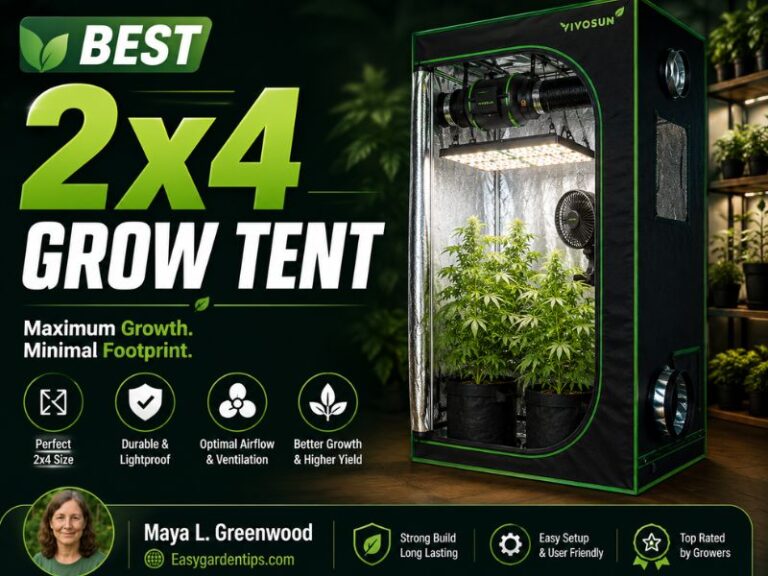
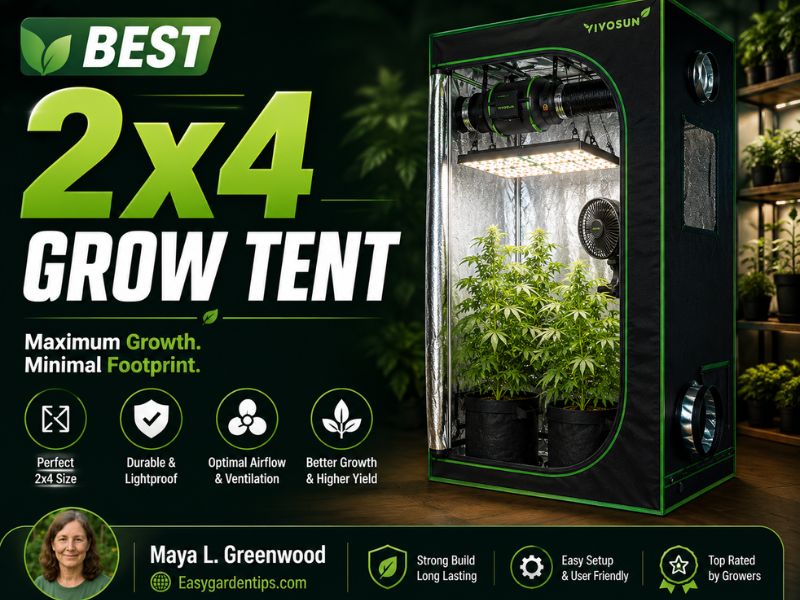
My primary recommendation is the VIVOSUN S448 4×4 Grow Tent. Its exact 48-by-48-inch footprint, three-door access, observation window, reflective interior, and straightforward frame design make it suitable for most conventional 4×4 installations.
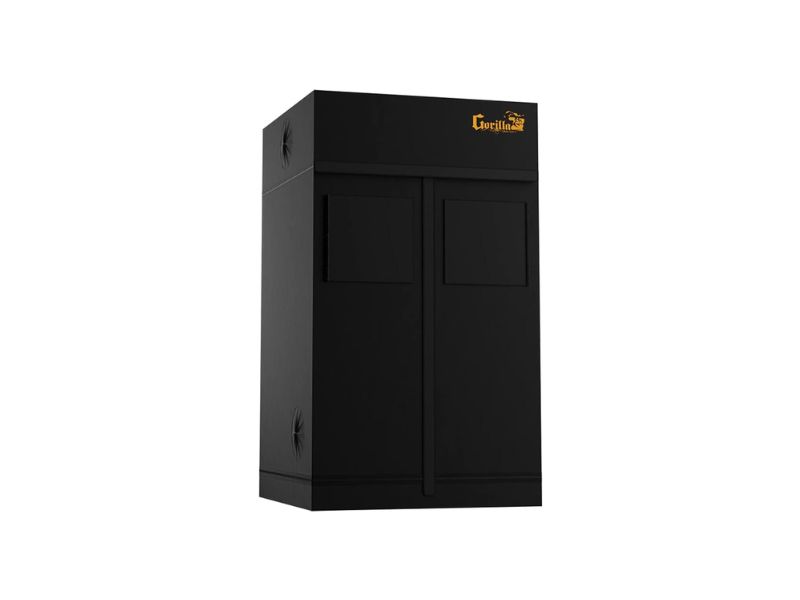
The AC Infinity CLOUDLAB 844 is the stronger premium option for heavy equipment and organized controller mounting. The Mars Hydro 4×4 Advanced Grow Tent combines dense 1680D canvas with a conventional 80-inch frame.
The Spider Farmer 4×4 Grow Tent adds external controller organization and substantial fabric construction. Growers who need extra vertical flexibility can consider the Gorilla Grow Tent Pro 4×4, which starts taller than most standard tents and supports optional height extensions.
5 Best 4×4 Grow Tents
| Image | Product Name | Check Price |
|---|---|---|
Best Choice | VIVOSUN S448 4×4 Grow Tent | Check Price |
Second Best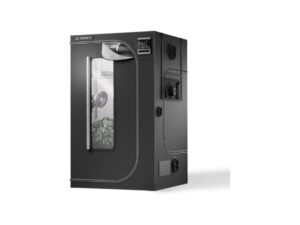 | AC Infinity CLOUDLAB 844 Grow Tent | Check Price |
Third Choice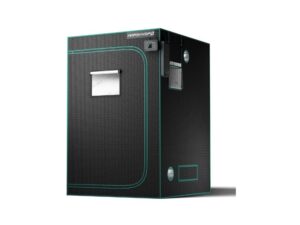 | Mars Hydro 4×4 Advanced Grow Tent | Check Price |
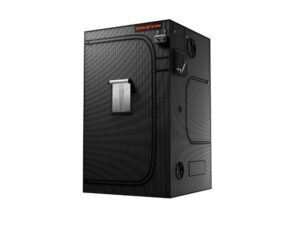 | Spider Farmer 4×4 Grow Tent | Check Price |
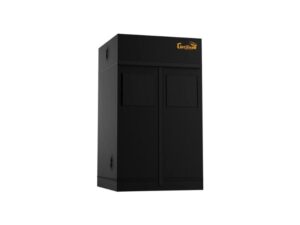 | Gorilla Grow Tent Pro 4×4 | Check Price |
1. VIVOSUN S448 4×4 Grow Tent
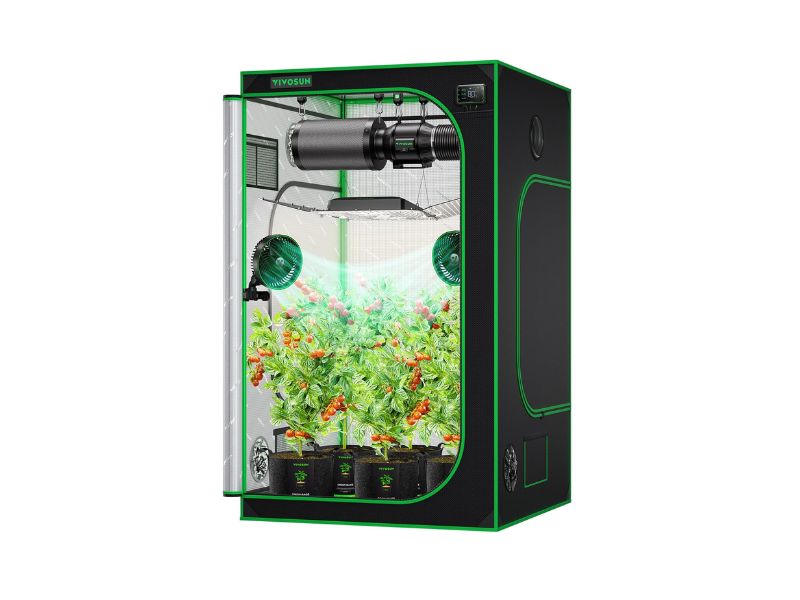
Key Features
- 48 × 48 × 80-inch dimensions
- Sixteen-square-foot canopy
- 600D Oxford canvas
- Reflective interior lining
- 16 mm steel poles
- Approximately 100-pound stated load capacity
- Front door and two side doors
- Observation window
- Multiple duct openings
- Removable floor tray
The VIVOSUN S448 ranks first because it combines an exact 4×4 footprint with a practical access layout and a long-established design. Its three-door arrangement is particularly useful once the canopy becomes too dense to reach comfortably from the front.
The 80-inch height provides room for a large LED fixture, containers, ratchet hangers, and ventilation equipment. However, installing both the carbon filter and inline fan inside the tent can still reduce usable plant height considerably.
Its 600D canvas is lighter than the material used by premium models. This makes the cover easier to handle during assembly, although strong exhaust pressure may pull the sidewalls inward more noticeably.
The internal frame supports common 4×4 lighting and filtration arrangements when the load is distributed across the roof bars. The manufacturer lists a 100-pound loading capacity, five 8-inch duct openings, two 4-inch openings, and capacity for approximately four to eight plants in three-gallon containers.
What I Like
- Highly relevant exact-size design
- Multiple access doors
- Simple equipment layout
- Observation window
- Broad accessory compatibility
- Removable runoff tray
- Easier assembly than heavier tents
What I Do Not Like
- Lighter canvas than premium alternatives
- Standard poles provide less equipment reserve
- Strong suction can reduce usable floor area
- Observation-window cover must remain properly sealed
The S448 is the most balanced option for growers who want a dependable 4×4 enclosure without paying primarily for maximum fabric density or smart-controller integration.
2. AC Infinity CLOUDLAB 844 Grow Tent
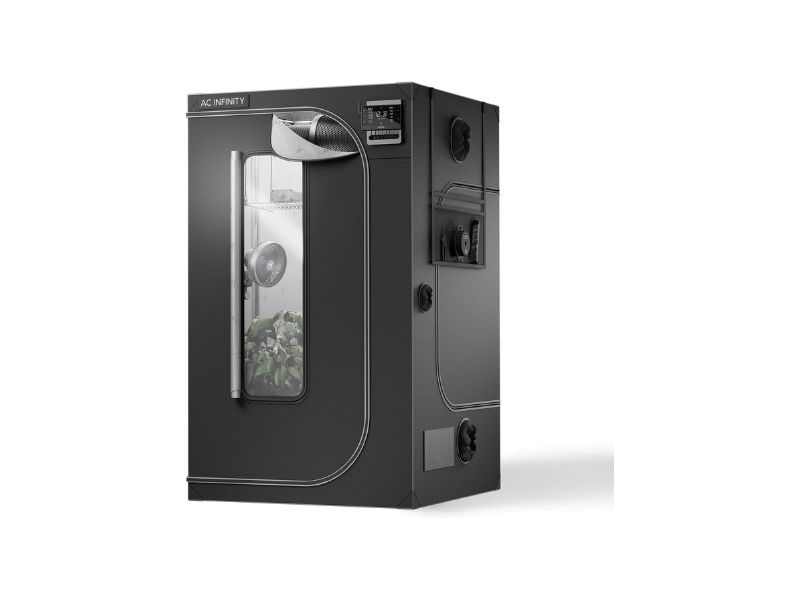
Key Features
- 48 × 48 × 80-inch size class
- Heavy 2000D Oxford canvas
- 22 mm steel poles
- Additional hanging bar
- High roof-load capacity
- Controller mounting plate
- Light-resistant cable passthrough
- Tall viewing window
- Multiple 4- and 8-inch duct openings
- Heavy-duty catch tray
The CLOUDLAB 844 is the strongest premium enclosure in this group. Its 2000D canvas and 22 mm poles provide greater resistance to tearing, repeated assembly, heavy equipment, and negative-pressure wall movement.
The controller mounting plate is one of its most useful differences. An environmental controller can remain outside the humid tent while probes and cables pass through a dedicated light-resistant opening.
Its taller viewing window provides a broad interior view without opening the main door. Front zipper flaps add another barrier against light leaks around the most frequently used seam.
Additional roof bars create more options for positioning a large bar-style LED, carbon filter, inline fan, and sensors. Equipment should still be distributed rather than concentrated on one beam.
AC Infinity lists 22 mm steel poles, 2000D canvas, four 4-inch duct ports, five 8-inch ports, three standard hanging bars plus an additional bar, and dedicated controller mounting.
What I Like
- Extremely dense canvas
- Strong steel frame
- Excellent equipment organization
- External controller support
- Extra hanging positions
- Large viewing window
- Good negative-pressure resistance
- Heavy-duty floor protection
What I Do Not Like
- Heavy cover requires more assembly effort
- Difficult to move after installation
- Premium build may exceed a basic setup’s needs
- Large viewing window adds additional zipper length
The CLOUDLAB 844 is the best choice for a permanent 4×4 system carrying substantial lighting, filtration, and climate-control equipment.
3. Mars Hydro 4×4 Advanced Grow Tent
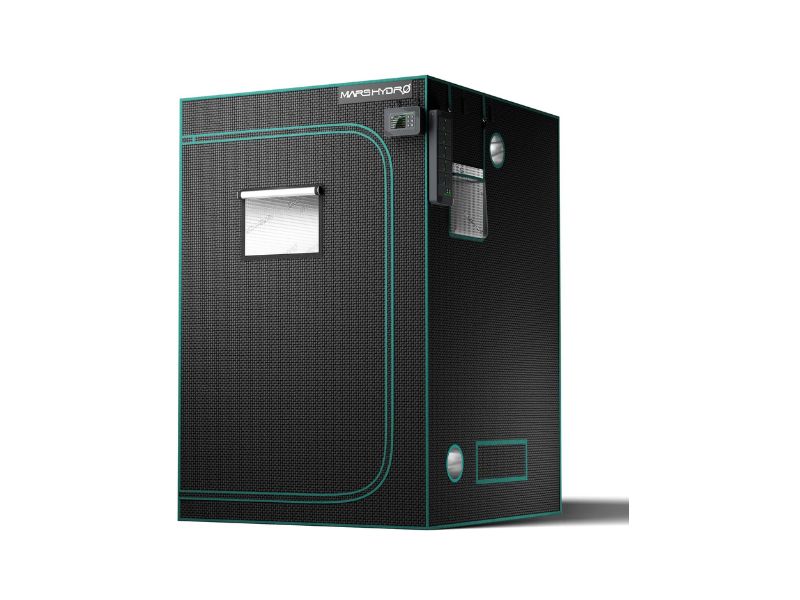
Key Features
- 48 × 48 × 80-inch dimensions
- Heavy 1680D Oxford fabric
- Highly reflective Mylar lining
- Metal and steel frame
- Heavy-duty SBS zipper
- Double-stitched seams
- Light-blocking zipper flap
- Observation window
- Six 8-inch ventilation openings
- Removable waterproof tray
- Approximately 155-pound stated equipment capacity
The Mars Hydro 4×4 occupies a useful middle position between standard 600D tents and heavier 2000D systems. Its 1680D canvas provides substantial material density without making the enclosure quite as heavy as the AC Infinity model.
The zipper area includes an internal cover flap to reduce light leakage along the primary door. The reflective interior is designed to redirect sideward output toward the canopy, although fixture dimensions and placement remain more important than wall reflection.
Its single front-door layout is less flexible than tents with several access doors. Rear containers may become difficult to reach once the canopy fills the complete floor.
The manufacturer lists one front door, one observation window, a 1680D canvas rating, approximately 155 pounds of equipment capacity, and a recommended six-inch ventilation system for this enclosure.
What I Like
- Durable 1680D canvas
- Smooth, reinforced zipper system
- Strong light-blocking construction
- Exact 4×4 footprint
- Suitable for common 4×4 LED fixtures
- High stated equipment capacity
- Removable floor tray
What I Do Not Like
- Only one primary door
- Rear plants may be difficult to access
- Heavy canvas makes installation more demanding
- Strong ventilation may still require side-support bars
The Mars Hydro tent is a strong mid-range choice for growers who want dense canvas and a conventional layout without moving to a full controller-focused premium enclosure.
4. Spider Farmer 4×4 Grow Tent
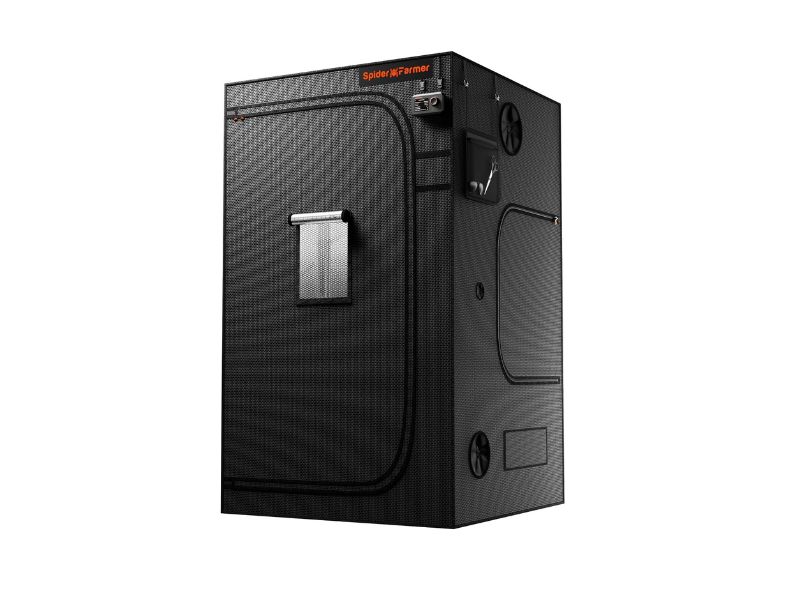
Key Features
- 48 × 48 × 80-inch dimensions
- 1680D Oxford canvas
- Reflective Mylar interior
- Metal frame
- Approximately 140-pound capacity
- Enlarged viewing window
- External controller and power-strip hooks
- Multiple ventilation openings
- Removable waterproof tray
- Compatible with common 4×4 LED fixtures
The Spider Farmer 4×4 combines thick fabric with useful external equipment organization. Hooks for a controller or power strip help keep displays and electrical equipment accessible without placing them on the wet tent floor.
Its 1680D canvas offers greater density than standard entry-level material. The reflective interior suits fixtures such as square bar lights and large LED boards designed for 4×4 flowering coverage.
The enlarged viewing window helps with quick equipment checks, though the cover must remain sealed during controlled dark periods. The frame is rated around 140 pounds, which is adequate for a typical light, filter, fan, and circulation equipment when the weight is spread correctly.
Current product records identify the tent as a 48-by-48-by-80-inch enclosure with 1680D Oxford fabric, a 140-pound capacity, external controller organization, and a removable tray.
What I Like
- Heavy canvas construction
- Useful controller and power-strip hooks
- Strong grow-light compatibility
- Large viewing window
- Good equipment capacity
- Effective reflective interior
- Removable floor protection
What I Do Not Like
- Window creates another large seam
- Heavy cover is easier to install with two people
- Limited benefit from external hooks if no controller is used
- Overhead equipment still reduces vertical clearance
The Spider Farmer model is particularly relevant for growers already using the brand’s lighting, fan, humidifier, or controller equipment.
5. Gorilla Grow Tent Pro 4×4
Key Features
- 48 × 48-inch floor
- Approximately 83-inch standard height
- Optional height-extension compatibility
- 1680D canvas
- 19 mm steel frame
- High hanging-load capacity
- Diamond reflective interior
- Heavy-duty zippers
- Six double-cinching duct ports
- Electrical cable ports
- Removable spill tray
The Gorilla Grow Tent Pro is the strongest option for buyers who prioritize vertical space. Its standard height is approximately 6 feet 11 inches, already several inches taller than the common 80-inch enclosure.
Optional extension kits can raise the tent further when the surrounding ceiling allows it. Extra height provides more flexibility for tall hydroponic buckets, overhead filters, large LED fixtures, and plant stretch.
Its 1680D canvas and reinforced steel structure are designed for repeated long-term use. Large double-cinching ports provide flexible ducting options, while the diamond-pattern interior redirects light toward the canopy.
The disadvantages are weight, assembly effort, and room-clearance requirements. Extension capability has no value when the room ceiling is too low to accommodate it.
Gorilla lists an 83-inch base height, 1680D canvas, 19 mm steel poles, six double-cinching duct ports, and optional extensions that can raise the structure to 7 feet 11 inches or 8 feet 11 inches.
What I Like
- Best vertical flexibility
- Heavy-duty canvas and frame
- High equipment-load capacity
- Large double-cinching ports
- Strong zippers
- Suitable for tall containers
- Long-term permanent installation design
What I Do Not Like
- More expensive than conventional tents
- Heavy structure
- Requires substantial ceiling clearance
- One primary door provides less side access
- Optional extensions add more height and complexity
The Gorilla Pro 4×4 is the best choice when vertical clearance and equipment capacity matter more than portability or simple assembly.
4×4 Grow Tent Comparison Table
| Product | Dimensions | Canvas | Frame | Main Strength | Main Limitation |
| VIVOSUN S448 | 48 × 48 × 80 in. | 600D | 16 mm steel | Established design and multiple doors | Lighter construction |
| AC Infinity CLOUDLAB 844 | 48 × 48 × 80 in. | 2000D | 22 mm steel | Premium frame and controller integration | Heavy and more complex |
| Mars Hydro 4×4 | 48 × 48 × 80 in. | 1680D | Metal and steel | Durable balanced construction | One primary door |
| Spider Farmer 4×4 | 48 × 48 × 80 in. | 1680D | Metal | External equipment organization | Large window seam |
| Gorilla Grow Tent Pro | 48 × 48 × 83 in. | 1680D | 19 mm steel | Height and hanging capacity | Heavy and expensive |
The VIVOSUN S448 provides the most balanced conventional setup. AC Infinity offers the strongest integrated structure, while Gorilla Grow Tent provides the most vertical flexibility.
How Large Is a 4×4 Grow Tent?
A true 4×4 enclosure contains:
4 feet × 4 feet = 16 square feet
With an 80-inch height, its approximate empty volume is:
4 × 4 × 6.67 = approximately 107 cubic feet
The installation room must be larger than the tent itself. Additional clearance is needed for:
- Pulling the cover over the frame
- Opening doors
- Exhaust ducting
- External controllers
- Power connections
- Filter maintenance
- Reservoir access
- Cleaning around the enclosure
A tent positioned tightly between four walls may fit physically while leaving important doors or ventilation ports unusable.
How Many Plants Fit in a 4×4 Grow Tent?
The correct plant count depends on:
- Final canopy width
- Container capacity
- Training method
- Growing medium
- Vegetative period
- Irrigation layout
- Required access
Common arrangements include:
- Four medium plants in separate quadrants
- One or two broad trained plants
- Six smaller containers
- A larger number of compact plants
- One medium flood tray
- Four-site hydroponic systems
Avoid choosing plant count based only on how many pots fit on the floor. Airflow, runoff access, and canopy spread are equally important.
Choosing the Correct Grow-Light Size
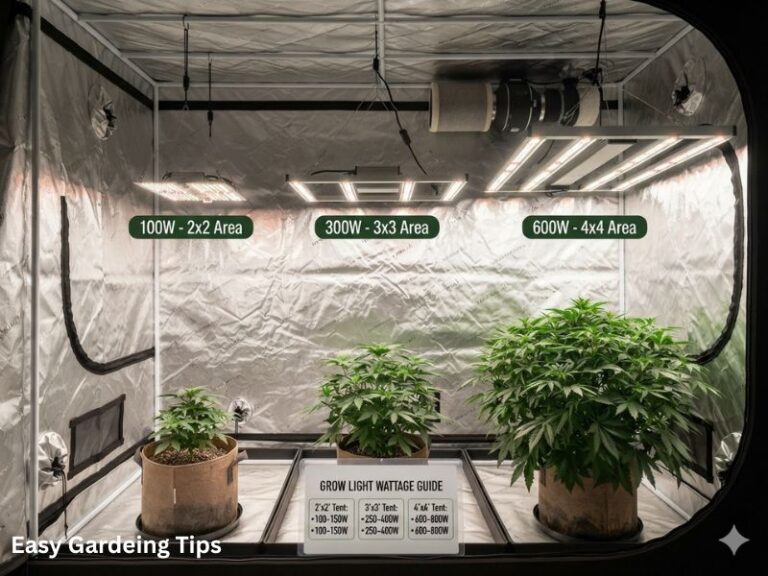
A full 4×4 canopy generally works with approximately 400 to 500 watts of efficient LED power. Some systems may use more or less depending on fixture efficacy, plant type, and intensity targets.
Suitable layouts include:
- One large 4×4 bar fixture
- One square LED board
- Two rectangular fixtures
- Four smaller adjustable lights
A single large fixture provides cleaner cable management. Several smaller lights allow independent height and intensity adjustments.
The final decision should be based on a canopy-level PPFD map, not only wattage or advertised maximum coverage.
Ventilating a 4×4 Tent
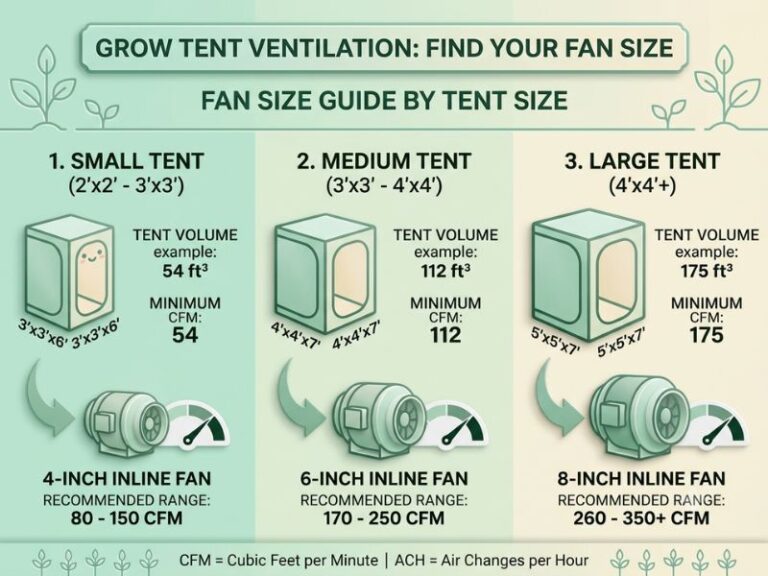
A six-inch inline fan is the most common ventilation size for a 4×4 enclosure.
The fan must overcome resistance from:
- Carbon filter
- Duct length
- Sharp bends
- Intake restrictions
- Silencer
- Dirty prefilter
- Exhaust termination
A fan rated at 400 CFM does not necessarily move 400 CFM after filtration and ducting are installed.
The goal is controlled negative pressure. The walls should move inward slightly, but they should not collapse deeply enough to reduce canopy space or touch the plants.
Where to Position the Carbon Filter
Filter and fan inside
This arrangement creates a clean filtered exhaust route but consumes overhead height and adds weight to the frame.
Filter inside, fan outside
Moving the fan outside reduces internal heat and preserves some roof space.
Filter and fan outside
External installation provides the most interior clearance but requires additional room around the tent and careful duct routing.
Choose the arrangement before installing the grow light. Otherwise, the fixture may need to be removed and repositioned.
Why Canvas Density Matters
Common fabric ratings include:
- 600D
- 1680D
- 2000D
Denser canvas can provide:
- Greater tear resistance
- Better light containment
- More shape stability
- Reduced wall movement
- Greater durability during repeated assembly
Its disadvantages include:
- Greater weight
- More difficult installation
- Higher cost
- Less convenient relocation
Canvas density should be considered alongside pole thickness, zipper quality, frame connectors, access layout, and roof capacity.
Planning Vertical Clearance
Use this formula:
Usable plant height = tent height − pot height − light depth − hangers − canopy gap − overhead equipment
Example:
- Tent height: 80 inches
- Container: 12 inches
- LED fixture: 4 inches
- Hangers: 5 inches
- Canopy gap: 16 inches
- Filter clearance: 8 inches
80 − 12 − 4 − 5 − 16 − 8 = 35 inches
Only 35 inches remain for the plant structure.
A taller tent helps, but horizontal plant training and compact overhead equipment remain important.
Access and Interior Layout
A four-foot-deep canopy can become difficult to reach from one front door.
Plan access around:
- Rear containers
- Irrigation emitters
- Runoff trays
- Circulation fans
- Sensors
- Reservoir fittings
- Electrical connections
Multiple side doors are valuable when the surrounding room allows them to open.
A tent with several doors loses much of its advantage when every side except the front is placed directly against a wall.
Runoff and Floor Protection
A removable floor tray helps contain:
- Small spills
- Irrigation runoff
- Loose growing medium
- Condensation
- Minor humidifier leaks
It should not be expected to contain the complete contents of a large reservoir.
Additional protection can include:
- Individual saucers
- Elevated plant stands
- Drain tables
- Secondary waterproof liners
- Leak sensors
- Shutoff valves
- Elevated electrical connections
Automatic watering should be tested through several complete cycles before being left unattended.
Common 4×4 Grow-Tent Mistakes
Selecting by canvas density alone
A thick tent with poor access or incorrect port placement may be less useful than a lighter model with a better layout.
Blocking the side doors
Measure exterior room clearance before assembly.
Installing one undersized grow light
High center intensity does not guarantee strong corner coverage.
Hanging all equipment from one bar
Lights, filters, and fans should be distributed across several supports.
Ignoring vertical clearance
Containers and filtration equipment can remove several feet of usable plant height.
Running excessive exhaust speed
Severe negative pressure pulls the walls inward and reduces floor space.
Filling every inch with containers
Plants, runoff trays, and irrigation lines still need maintenance access.
Placing electrical connections on the floor
Keep power strips and plugs above any possible runoff or reservoir leak.
Maintenance
Weekly
- Inspect zipper movement
- Check wall pressure
- Review temperature and humidity
- Confirm fan operation
- Empty runoff
- Inspect irrigation lines
- Check hanging hardware
- Remove loose debris
Monthly
- Clean intake screens
- Clean filter prefilters
- Inspect duct clamps
- Remove dust from the LED fixture
- Check frame connectors
- Inspect canvas seams
- Test leak alarms
- Review controller settings
Between growing cycles
- Remove all containers
- Disconnect electrical equipment
- Vacuum loose material
- Wash the floor tray
- Wipe reflective walls
- Inspect zippers and seams
- Clean fans
- Replace damaged hangers
- Test the empty tent through a full light cycle
Frequently Asked Questions
What are the best 4×4 grow tents?
My primary recommendation is the VIVOSUN S448 because it combines exact dimensions, several access doors, a reflective interior, and a highly established design.
The AC Infinity CLOUDLAB 844 is better for premium construction and heavy equipment, while the Gorilla Grow Tent Pro is better for maximum vertical flexibility.
How many plants can fit in a 4×4 grow tent?
Four medium plants are a common layout.
The final number depends on plant size, container capacity, canopy training, and required access rather than floor dimensions alone.
What size LED light does a 4×4 tent need?
Approximately 400 to 500 watts of efficient LED output is a practical general range.
Choose a fixture with a verified 4×4 flowering footprint and balanced corner coverage.
What size inline fan should I use?
A six-inch inline fan is commonly suitable.
Its required capacity depends on the grow-light heat, carbon filter, ducting, room temperature, and humidity load.
Is an 80-inch tent tall enough?
Yes, for most conventional soil, coco, and hydroponic setups.
Usable height becomes much lower after containers, filters, lights, hangers, and canopy clearance are included.
Is 600D canvas sufficient?
A well-constructed 600D tent can provide reliable service for a conventional setup.
Heavier 1680D or 2000D material offers greater durability and resistance to negative pressure.
Is 2000D better than 1680D?
It is denser, but fabric thickness alone does not determine overall tent quality.
Pole strength, zippers, seams, access, and equipment layout are also important.
Can one grow light cover the entire tent?
Yes, when it is specifically designed for 4×4 flowering coverage.
Check the PPFD map and fixture dimensions rather than relying only on advertised maximum coverage.
Do I need more than one circulation fan?
Two smaller fans can provide better air movement across a dense canopy than one fan positioned in a single corner.
One fan can move air above the canopy while another circulates air around the containers.
Should I buy a taller Gorilla tent?
Choose it when the room ceiling allows the additional height and the setup uses tall containers, internal filters, or large plants.
A standard 80-inch tent is sufficient for many compact systems.
Do I need high-CFM support bars?
They are helpful when strong exhaust pressure pulls the sidewalls inward.
They preserve floor area but do not replace adequate intake openings.
Can a 4×4 tent be used for hydroponics?
Yes. It can hold several buckets, a recirculating system, or a medium flood table.
Include the reservoir height, plumbing, drainage, and maintenance access in the layout.
Should the tent sit directly against a wall?
It can, but doing so may block doors, intake openings, duct ports, or external controllers.
Leave access to every feature you intend to use.
How much room should I leave around the tent?
Leave enough room to open the main door, route ventilation, reach external controls, and replace filters.
Additional clearance on at least two sides is preferable.
Does a reflective interior replace proper lighting?
No. Reflective walls recover some sideward output but cannot correct an undersized fixture or poor light distribution.
Conclusion
Choosing the best 4×4 grow tents requires balancing canvas density, frame capacity, vertical clearance, access, ventilation, and equipment organization.
The VIVOSUN S448 4×4 Grow Tent is the strongest general recommendation because it combines a practical three-door layout with an established exact-size design.
The AC Infinity CLOUDLAB 844 is more suitable for heavy equipment and controller-based systems. The Mars Hydro 4×4 Advanced Grow Tent provides durable 1680D construction at a more conventional complexity level.
The Spider Farmer 4×4 Grow Tent adds useful external equipment organization, while the Gorilla Grow Tent Pro 4×4 provides the greatest height and expansion flexibility.
Before choosing a tent, measure the installation room, calculate the usable plant height, select the lighting footprint, and determine which doors and ventilation ports will remain accessible. A carefully planned 4×4 system provides enough canopy space for substantial indoor growth without the infrastructure demands of a much larger enclosure.

I’m Maya L. Greenwood, a lifelong plant lover who believes anyone can grow something beautiful with the right guidance. After years of testing soil mixes, pruning methods, irrigation tricks, and pest-safe solutions, I started EasyGardenTips.com to turn hard-won lessons into step-by-step advice. From seed starting and container gardens to composting and seasonal checklists, my goal is to make gardening simple, sustainable, and fun.