
An exhaust fan is one of the most important components of a grow tent setup, but do you actually need one? For most indoor growers, the answer is yes. An exhaust fan helps remove hot, humid air from the tent while drawing in fresh air from outside. This creates a stable growing environment where plants can thrive.
Without an exhaust fan, heat and humidity can build up quickly inside the enclosed space. Stale air, reduced carbon dioxide (CO₂) levels, and excess moisture can all affect plant growth and increase the risk of mold and mildew. Even if you’re using modern LED grow lights that produce less heat than older lighting systems, an exhaust fan still plays a key role in maintaining healthy conditions.
In this guide, I’ll explain what an exhaust fan does, whether you can grow without one, the signs your grow tent needs better air exchange, and how to choose the right exhaust fan for your setup.
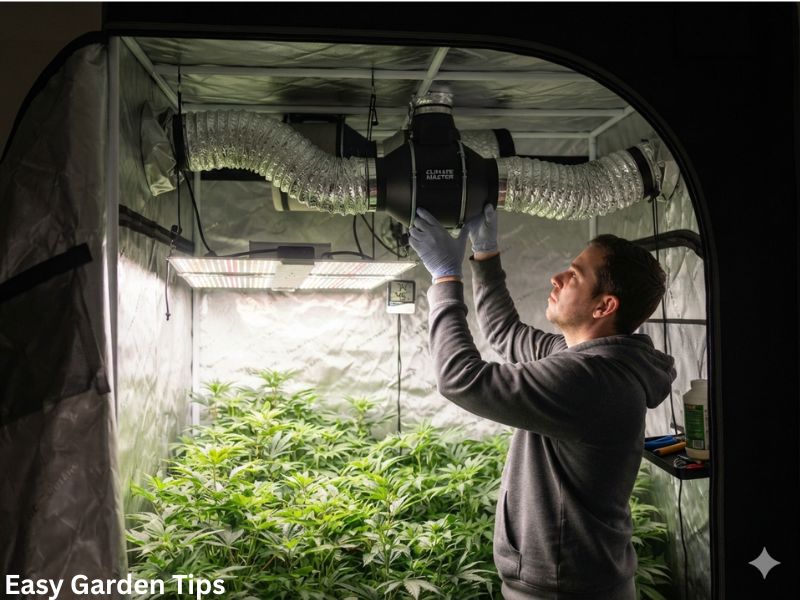
The Short Answer
Yes, most grow tents need an exhaust fan. It’s the most effective way to remove hot, humid air and replace it with fresh air, helping maintain a stable environment for healthy plant growth.
An exhaust fan works by pulling stale air out of the tent, creating negative pressure. Fresh air then enters through passive intake vents or an active intake fan, providing plants with the carbon dioxide (CO₂) they need for photosynthesis.
There are a few situations where you may not need an exhaust fan temporarily, such as:
- Starting seedlings in a small grow tent.
- Using the tent for short-term plant storage.
- Growing in a naturally cool room with the tent doors open.
However, these situations are the exception rather than the rule. Once plants begin growing rapidly or enter the flowering stage, an exhaust fan becomes essential for controlling temperature, humidity, and air quality.
If you plan to complete a full indoor growing cycle, installing an exhaust fan is strongly recommended.
What Does an Exhaust Fan Do in a Grow Tent?
An exhaust fan does much more than simply move air. It helps maintain the environmental conditions plants need to grow efficiently while preventing many common problems associated with enclosed grow spaces.
Removes Hot Air
Grow lights, especially high-powered LEDs and HID fixtures, generate heat while operating. Without an exhaust fan, that heat becomes trapped inside the tent, causing temperatures to rise.
By continuously removing warm air, the exhaust fan helps keep temperatures within a range that’s comfortable for healthy plant growth.
Controls Humidity
Plants release moisture into the air through transpiration. As they grow larger, humidity levels inside the tent naturally increase.
An exhaust fan removes this humid air before it reaches excessive levels, helping reduce the risk of:
- Mold
- Powdery mildew
- Bud rot
- Condensation
Maintaining proper humidity is especially important during the flowering stage, when dense flowers are more vulnerable to moisture-related issues.
Brings in Fresh Air
As stale air is exhausted, fresh air enters the grow tent through intake vents or an intake fan. This constant air exchange replenishes carbon dioxide, allowing plants to continue photosynthesizing efficiently during the light cycle.
Without regular fresh air, CO₂ levels gradually decline, which can slow plant growth.
Helps Control Odors
When paired with a carbon filter, an exhaust fan also helps reduce odors escaping from the grow tent.
As air passes through the activated carbon filter before leaving the tent, many odor-causing compounds are captured. This makes an exhaust fan an important part of odor management for growers cultivating aromatic plants indoors.
Can You Run a Grow Tent Without an Exhaust Fan?
Technically, yes—but only in a few specific situations. For most indoor growers, running a grow tent without an exhaust fan is not a practical long-term solution.
Small Seedling Setups
If you’re growing only seedlings or newly rooted cuttings, they produce very little heat and require less environmental control than mature plants.
In a small tent with low-power LED lights, you may be able to manage for a short period by opening the tent occasionally to allow fresh air inside. However, this approach becomes less effective as the plants grow.
Temporary Growing Situations
You might also go without an exhaust fan if you’re using the grow tent temporarily, such as:
- Hardening off young plants.
- Holding plants for a few days before transplanting.
- Testing a new grow tent setup.
Even in these cases, the tent shouldn’t remain completely sealed for long periods.
The Risks of Growing Without an Exhaust Fan
As plants mature, the disadvantages of not using an exhaust fan become much more noticeable.
Without proper air exchange, you may experience:
- Higher temperatures inside the tent.
- Excess humidity.
- Reduced CO₂ levels.
- Poor air quality.
- Increased risk of mold and mildew.
- Slower plant growth and lower yields.
For these reasons, most experienced growers consider an exhaust fan essential equipment rather than an optional accessory.
Signs You Need an Exhaust Fan
If you’re unsure whether your current setup needs an exhaust fan—or whether your existing fan is powerful enough—your grow tent will usually show some clear warning signs.
High Temperatures
Warm air naturally rises and collects near the top of the tent. Without proper exhaust, temperatures can climb quickly, especially when grow lights are on.
If your thermometer consistently shows temperatures above the ideal range for your plants, additional exhaust airflow may be needed.
High Humidity
Humidity often increases as plants become larger because they release more moisture through transpiration.
Signs of excessive humidity include:
- Condensation on the tent walls.
- Damp air inside the tent.
- Slow-drying growing medium.
- Mold or mildew concerns.
An exhaust fan helps remove this moist air before humidity reaches problematic levels.
Stale Air
A grow tent with poor air exchange may feel stuffy when opened.
Fresh air is important because plants continuously consume carbon dioxide during photosynthesis. Without regular air replacement, CO₂ levels drop, which can reduce growth.
Condensation
Water droplets forming on the inside of the grow tent are a strong indication that humid air isn’t being removed efficiently.
Persistent condensation can damage equipment and create favorable conditions for fungal diseases.
Strong Odors
If odors linger around the grow tent or become noticeably stronger when you open it, your exhaust system may not be moving enough air.
Installing or upgrading an exhaust fan—especially when paired with a carbon filter—can significantly improve odor control while maintaining healthy airflow.
Choosing the Right Exhaust Fan
Not all exhaust fans are the same. Choosing the right one depends on your grow tent size, the amount of heat your equipment produces, and how much airflow your plants need.
Match the Fan to Your Tent Size
A larger grow tent contains more air, so it requires a fan with a higher airflow capacity. Buying a fan that’s too small can make it difficult to maintain stable temperatures and humidity.
As a general rule, larger tents need larger exhaust fans and higher airflow (CFM) ratings.
Consider Your Grow Light
The type of grow light you use also affects fan selection.
- LED grow lights produce less heat, so they often require less ventilation than HID systems.
- HPS and MH lights generate much more heat and typically require more powerful exhaust fans to keep temperatures under control.
If you use multiple lights, you’ll likely need additional airflow.
Understand CFM Ratings
Exhaust fans are commonly rated in CFM (Cubic Feet per Minute), which measures how much air the fan can move.
A higher CFM means:
- Faster air exchange.
- Better heat removal.
- Improved humidity control.
When selecting a fan, remember that carbon filters, long duct runs, and bends in the ducting reduce actual airflow. Choosing a fan with a little extra capacity often provides better performance than buying one that’s just large enough.
Consider a Variable Speed Controller
Many modern inline exhaust fans include a variable speed controller.
This allows you to:
- Reduce fan noise.
- Adjust airflow as plants grow.
- Improve energy efficiency.
- Maintain more stable environmental conditions.
Instead of running the fan at full power all the time, you can increase or decrease the speed based on temperature and humidity inside the grow tent.
Frequently Asked Questions
Can I use only passive intake?
Yes. Most small and medium grow tents work well with passive intake, where fresh air enters through mesh vents or intake flaps while the exhaust fan removes stale air. Larger grow tents may benefit from an active intake fan, but passive intake is sufficient for many home setups.
Should the exhaust fan run all the time?
It depends on your environment, but many growers run the exhaust fan whenever the grow lights are on to maintain consistent temperature and humidity. Some use timers or environmental controllers that automatically adjust fan operation based on temperature or humidity levels.
Where should an exhaust fan be installed?
The exhaust fan should usually be mounted near the top of the grow tent because hot air naturally rises. This placement allows the fan to remove the warmest, most humid air before it accumulates inside the tent.
Do LED grow lights eliminate the need for an exhaust fan?
No. Although LED grow lights produce less heat than traditional HID systems, they don’t eliminate the need for ventilation. Plants still require fresh air, stable humidity, and regular CO₂ replenishment, all of which are supported by an exhaust fan.
Final Thoughts
For most indoor growers, an exhaust fan isn’t optional—it’s an essential part of a healthy grow tent setup. By continuously removing warm, humid air and drawing in fresh air, it helps create the stable environment plants need to grow efficiently.
While very small or temporary setups may manage without an exhaust fan for a short time, most full grow cycles benefit from consistent air exchange. Better temperature control, balanced humidity, improved CO₂ availability, and odor management are just a few of the advantages.
When choosing an exhaust fan, select one that’s appropriately sized for your grow tent, your lighting system, and your growing conditions. The right fan will not only make environmental control easier but also contribute to healthier plants and more consistent results throughout the growing cycle.

I’m Maya L. Greenwood, a lifelong plant lover who believes anyone can grow something beautiful with the right guidance. After years of testing soil mixes, pruning methods, irrigation tricks, and pest-safe solutions, I started EasyGardenTips.com to turn hard-won lessons into step-by-step advice. From seed starting and container gardens to composting and seasonal checklists, my goal is to make gardening simple, sustainable, and fun.