
Why Is My Potting Soil Molding? Causes, Risks, and Quick Fixes
A little white or gray mold on potting soil usually means the surface has stayed damp, not that your plant is doomed. Scrape off the growth, let the top layer dry, and adjust watering and airflow; repot if the soil smells rotten or the roots are soft and dark.
Have you spotted a fuzzy patch and wondered if it’s spreading to your plant? Are you worried the soil is unsafe to touch, or that you’ve already watered too much?
I once left a houseplant in a dim corner through a stretch of cool, cloudy days, and the soil grew a pale, fuzzy crust before the plant showed any other trouble. I’d kept watering on my usual schedule instead of checking the mix first, which meant extra cleanup and a soggy pot. It’s a common mistake, not a dumb one.
I wrote this to help you tell surface mold from other white growth, decide whether your plant needs a quick cleanup or a full repot, and prevent the problem from coming right back. You’ll get practical steps that work for everyday houseplants, without reaching for a harsh treatment you don’t need.
If you handle the problem early, you can get back to healthier roots and cleaner soil without tossing a perfectly good plant. Ignore persistent wetness, and you may end up with fungus gnats, unpleasant smells, or root rot, which is decay caused by roots sitting too long in wet conditions.
This takes about 10 minutes to read. By the end, you’ll know how to:
- Tell mold from mineral crust and other common growth.
- Clean the soil surface without stressing your plant.
- Change your watering routine to prevent repeat growth.
- Spot signs that call for repotting or extra care.
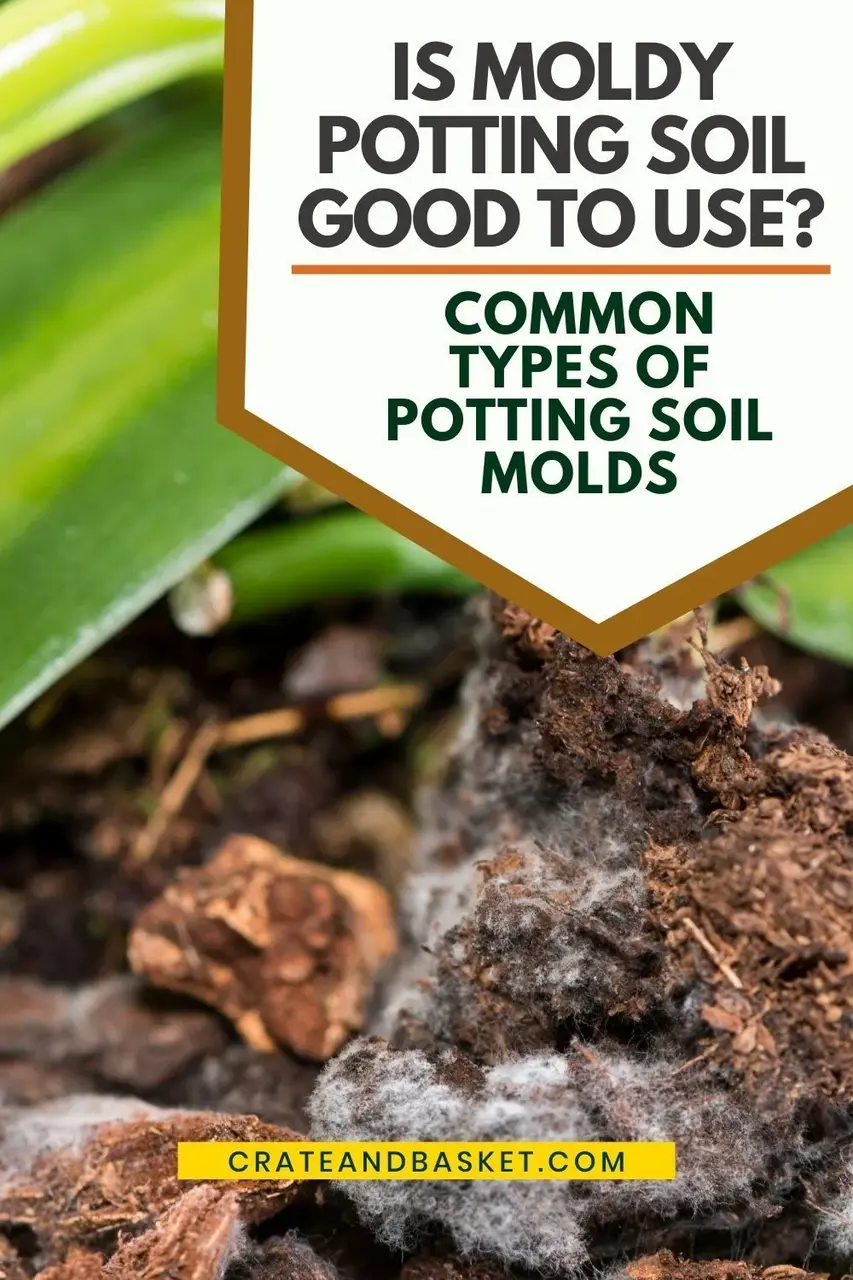
Why Is My Potting Soil Molding? Causes and Quick Fixes
Potting soil molds most often because its surface stays moist while airflow, warmth, or light is limited. Remove a small patch, let the surface dry, and improve the plant’s conditions; a plant with foul-smelling soil or rotting roots needs more than a surface cleanup.
The fuzzy growth is usually saprophytic fungi, meaning fungi that feed on decaying organic matter in the mix. Bark, peat, compost, and other natural ingredients can give them something to eat, especially when the soil remains damp. Mold on the surface doesn’t automatically mean the plant itself is infected.
Use this sequence for a small patch on otherwise healthy soil:
- Put on gloves if you have sensitive skin, and avoid handling mold if you have asthma or a strong mold allergy. Keep the pot steady so you don’t puff spores into the air.
- Lift off the fuzzy surface growth and about the top half inch of soil with a spoon or small scoop. Bag the material and put it in the trash rather than shaking or spreading it around.
- Check the drainage holes and empty any water sitting in the saucer or outer pot.
- Let the soil surface dry before you water again. Don’t wait for the whole root ball to become bone-dry if your plant prefers evenly moist soil.
- Move the plant to a spot with better indirect light and gentle air movement, while keeping it away from heating vents and cold drafts.
- Check the potting mix and the plant again after a few days. If fuzzy growth returns quickly, address the cause by changing the watering routine or replacing compacted, slow-draining soil.
A thin layer of fresh potting mix can cover the cleaned surface, but it won’t solve the problem if the soil underneath is still wet. If you’re tempted to stir in cinnamon, vinegar, or household cleaners, skip it: those treatments aren’t a dependable fix, and some can irritate or harm the plant.
Pro Tip: Water based on the soil and plant, not the calendar. Touch the top inch of mix, then check the pot’s weight; a light pot with dry soil usually needs water sooner than a heavy pot with damp soil.
How do you tell mold from white mineral crust? Mold is often fuzzy, web-like, or patchy, while mineral deposits tend to look dry, hard, and crusty, especially around the pot’s rim. If the white material doesn’t have a fuzzy texture, check whether it’s built up where water evaporates before treating it like fungus.
| What you notice | Likely cause | A sensible first step |
|---|---|---|
| Fuzzy white or gray patches on damp soil | Surface mold feeding on organic matter | Remove the patch and let the surface dry |
| Hard, pale crust on the soil or pot rim | Mineral salts from water or fertilizer | Scrape away the crust and review water and fertilizer habits |
| White powdery spots on leaves | Possible powdery mildew on the plant | Isolate the plant and identify the leaf problem before treatment |
| Sour, swampy smell with soggy soil | Stagnant moisture or decaying roots | Check drainage and inspect roots if the plant is declining |
A plant with white mold on the soil may also have gnats, but the two problems aren’t the same. Persistent wet soil gives fungus gnat larvae a better place to develop, so tackle the moisture first; if you’re already seeing small flies, you may need separate steps for getting rid of soil bugs.
When Potting Soil Mold Can Harm You or Your Plant
Surface mold usually does little harm to a healthy plant, but persistent damp soil can lead to bigger problems. Mold can bother people with allergies or asthma, while long-lasting wetness can stress roots and make the pot a better home for pests.
A small patch on top doesn’t prove that a plant has root rot. Check the plant’s leaves and stems, the smell of the mix, and the roots if the plant is wilting even though the soil feels wet. Healthy roots are generally firm, while decaying roots can feel soft, look dark, or come away when gently touched.
If the soil smells rotten or the plant keeps drooping in wet mix, slide the root ball out carefully. Trim only clearly soft, decaying roots with clean scissors, then repot into fresh mix and a clean pot with drainage holes. If the roots still look firm and the plant seems healthy, you may only need to improve airflow and watering.
Some soil-related growth is easier to identify than others. Don’t scrape or inhale unknown mold up close, particularly if you have asthma or a mold allergy. Keep affected pots away from children and pets until the surface is cleaned, and wash your hands and tools afterward.
I once tried to fix a damp pot by adding a fresh layer of soil over the fuzzy surface, then wondered why the same patch came back. The buried layer was still wet, so I’d covered the symptom without changing the conditions feeding it; cleaning the surface and letting the mix dry worked better.
If you’ve also noticed tiny flies, don’t assume the mold itself is the pest. The flies may come from larvae living in damp potting mix, and a soil change should account for your plant’s drainage needs as well as any safety concerns around pets or kids; start with a non-toxic potting soil option that suits the plant.
Does every bit of mold mean you need to throw out the soil? No, a small surface patch in otherwise healthy, well-draining soil usually calls for removal and a change in care, not an automatic replacement. A sour smell, repeated growth, compacted mix, or a struggling plant gives you a better reason to repot.
Mold doesn’t mean worms or every other living thing in the pot is harmful. If you find worms, identify them before removing them, since different organisms can have different effects on soil and roots; a guide to worms in potting soil can help you make that call.
Important Tip: If mold exposure makes you wheeze, triggers asthma symptoms, or causes a strong reaction, stop handling the pot and ask someone else to clean it. If your plant is valuable or the roots are badly decayed, a local plant-care professional can help you avoid guesswork.
Prevent Potting Soil Mold from Coming Back
The most reliable prevention is to keep the mix suited to the plant, allow excess water to drain, and avoid watering while the soil is still wet. Small changes to pot size, airflow, and watering habits often work better than adding a mold treatment.
Start with the pot. It needs open drainage holes, and it shouldn’t sit in water inside a decorative cover or saucer. A very large pot can hold more wet soil than a small plant’s roots can use, so match the container to the root ball rather than moving a little plant into a giant pot “to grow into.”
Next, check how quickly the mix dries. A dense blend that stays heavy for days can be a poor fit for plants that prefer drier roots; a well-draining potting soil mix can help excess water move through instead of lingering. The right texture depends on the plant, so don’t treat a cactus and a moisture-loving tropical plant as if they want the same soil.
Water thoroughly when the plant needs it, then let the extra drain away. Watering a tiny splash every day can keep the surface damp without wetting the full root ball evenly, while watering too often can leave the lower soil soaked. Check below the surface before you water again, and adjust for the plant, pot, light, and season.
If gnats keep returning, changing the mix may help, but a bag labeled gnat-free can’t compensate for constant wetness or poor drainage. A gnat-free potting soil is one option to weigh alongside better watering and clean containers, especially when you’re replacing a mix that has become persistently damp.
| Prevention change | What to do | Why it helps |
|---|---|---|
| Watering | Check the soil before watering; empty standing water | Keeps the surface and root zone from staying wet |
| Pot choice | Use a pot with drainage holes sized for the root ball | Reduces water that sits around unused soil |
| Air and light | Give the plant suitable light and gentle air movement | Helps the mix dry at a steadier pace |
| Potting mix | Pick a texture that fits the plant’s moisture needs | Makes it easier to balance water and air around roots |
| Soil storage | Close the bag and store it in a dry place | Limits dampness and contamination between uses |
Keep unused soil sealed and dry. If an open bag smells musty or feels wet, don’t use it for a plant that’s already struggling; first check for clumps, visible growth, and signs the mix has been stored poorly. A fresh bag won’t fix a wet pot, but it can be a better starting point than questionable old mix.
What if you’d rather avoid a strong soil smell than cover it up? First find the cause, since a sour or swampy odor can point to standing water or decaying roots, not a scent problem. For a pot that still smells after you’ve corrected drainage, potting soil smell fixes can help you work through the likely sources without just masking the odor.
A few habits make repeat mold less likely:
- Remove dead leaves that fall onto the soil, since decaying plant matter can feed fungi.
- Don’t pack soil down hard around the roots; compacted mix tends to drain and dry less freely.
- Leave a little room between plants so air can move around their leaves and pots.
- Clean used pots before adding fresh mix, especially if the previous plant had root problems.
- Adjust care with the seasons; a plant may use water more slowly when growth and light levels drop.
I’d prioritize checking moisture and drainage over buying a mold spray. Most surface mold problems are about the conditions in the pot, so changing those conditions gives you a better chance of keeping the patch from returning.
- A little surface mold usually points to damp conditions, not a doomed plant.
- Remove the growth, let the surface dry, and improve airflow and drainage.
- Repot when the mix stays wet, smells foul, or the roots show decay.
FAQs About Why Is My Potting Soil Molding
Is moldy potting soil safe to use?
Usually, a small patch of surface mold doesn’t mean the whole potting mix must be discarded. Remove the affected surface and correct the damp conditions. People with asthma, mold allergies, or strong sensitivity should avoid handling visible mold, and soil with a rotten smell or repeated growth is a better candidate for replacement.
Should I remove mold from potting soil?
Yes, remove visible mold from the soil surface with a spoon or scoop, then bag it and discard it. Avoid stirring it into the pot, since that spreads the growth through the mix. Let the surface dry afterward, and don’t water again until the plant’s soil needs it.
Can moldy potting soil kill a plant?
Surface mold alone usually won’t kill a healthy plant, but persistently wet soil can damage roots. A plant that wilts in damp mix, has soft dark roots, or sits in foul-smelling soil may have root rot. Check the root condition and drainage rather than judging the plant by the surface mold alone.
Should I repot a plant with moldy soil?
Repotting isn’t always needed for a small, new patch if the plant looks healthy and the soil drains well. Replace the mix if mold repeatedly returns, the soil stays soggy, or it smells rotten. If you repot, use a clean pot with drainage holes and a mix suited to the plant.
Is white mold on potting soil always mold?
No, white material on soil can also be mineral salts left behind as water evaporates. Mold is often fuzzy or web-like, while salt crust tends to be dry and firm. White powder on leaves may be a separate plant disease, so check where the growth sits and how it feels.
A Simple Next Step for Moldy Potting Soil
A fuzzy patch is usually a useful warning that your pot’s surface is staying damp, not proof that you’ve lost the plant. Clean off the growth, check whether the soil drains, and let the plant’s actual moisture needs guide your next watering. If the mix smells rotten or the leaves keep drooping, inspect the roots and repot when decay is clear.
In my view, the best fix is the least dramatic one that corrects the cause. Start by checking the soil and emptying any standing water today; then adjust the pot, mix, or routine only if the problem points that way. That gives you a cleaner surface without making a healthy plant go through an unnecessary repot.

I’m Maya L. Greenwood, a lifelong plant lover who believes anyone can grow something beautiful with the right guidance. After years of testing soil mixes, pruning methods, irrigation tricks, and pest-safe solutions, I started EasyGardenTips.com to turn hard-won lessons into step-by-step advice. From seed starting and container gardens to composting and seasonal checklists, my goal is to make gardening simple, sustainable, and fun.


One Comment