
How to Clean Old Potting Soil Before Reusing It in Your Pots
You can clean and reuse old potting soil if the previous plants were healthy and the mix still drains well. Remove roots and debris, check for pests or disease, then refresh the soil with compost and fresh potting mix before planting again.
Are you staring at a pot full of last season’s mix and wondering if it’s safe, or if saving it will just give you sad plants and a bigger mess later? The key is figuring out whether the soil is cleanable or whether it’s better off in the compost pile.
I once dumped old mix straight into a new container because it looked fine on top. A few weeks later, the pot stayed soggy and the new plant sulked while I tried to work out what went wrong. Skipping a simple inspection is a common mistake, not a dumb one.
I wrote this for anyone who wants to reuse potting soil without carrying a heavy bag of questionable mix to the trash. You’ll get a clear process for cleaning it, deciding when to walk away, and restoring the texture and nutrients containers need.
Get the steps right and you can save money, avoid carrying home more soil than you need, and give your next plant a healthier start. Skip the checks, and old roots, pests, poor drainage, or leftover disease can follow the mix into a fresh pot.
This takes about 10 minutes to read. By the end, you’ll know how to:
- Sort reusable soil from mix that should be discarded or composted.
- Remove roots, pests, and other debris without fuss.
- Refresh old mix so it drains and feeds plants more reliably.
- Choose a safer approach for containers with past disease or pest trouble.
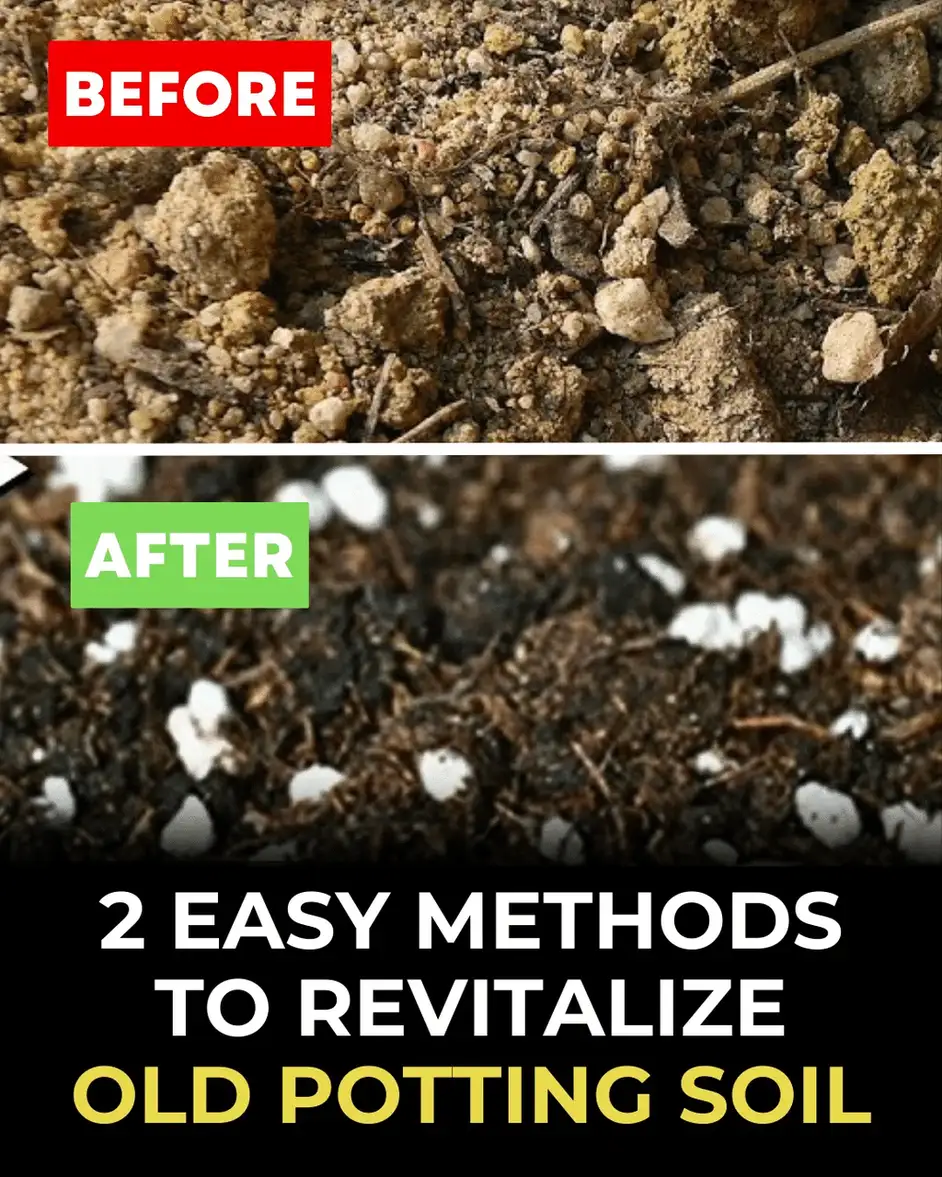
How to Clean Old Potting Soil
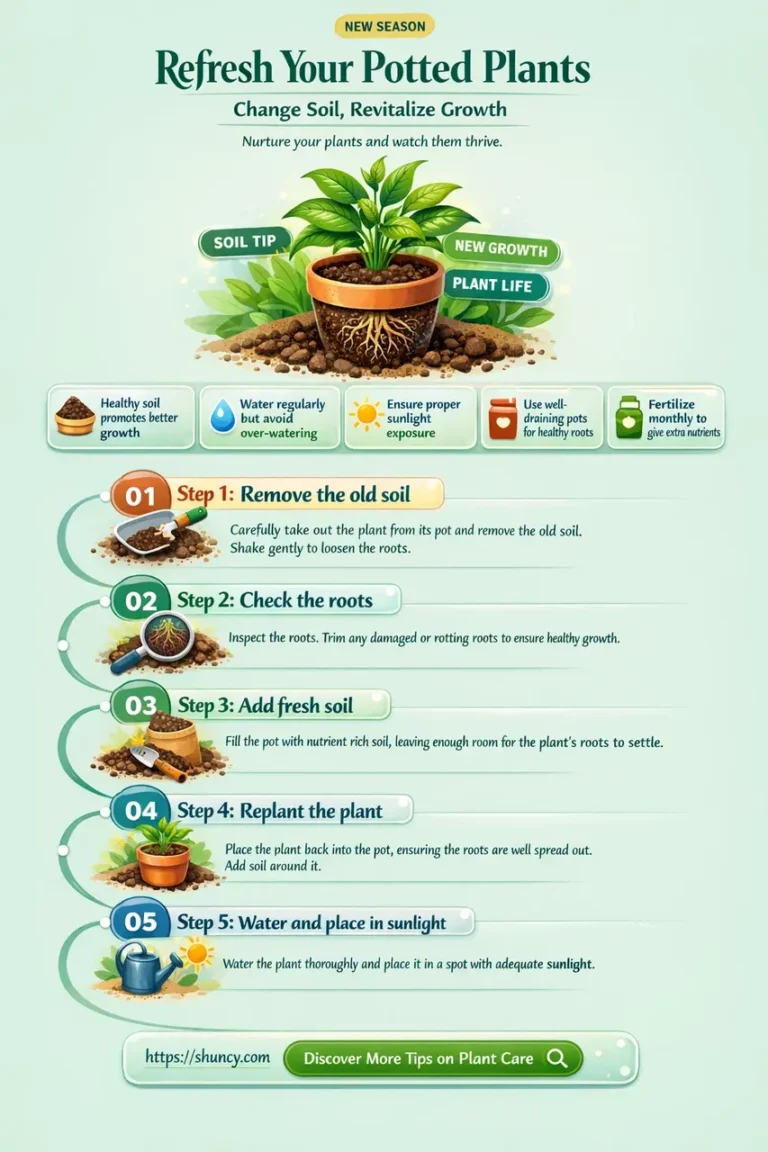
Clean old potting soil by removing plant debris, checking its condition, and refreshing healthy mix before reuse. Empty the pot onto a tarp or into a clean tub, break up clumps, and pull out roots, leaves, labels, and any visible insects.
Start with the previous plant’s health. If it grew well and showed no signs of disease or serious pest trouble, its mix may be worth saving; if the plant had root rot, persistent pests, or a contagious disease, don’t reuse the soil for another plant.
A safe potting soil reuse plan is useful if you’re unsure what counts as a reasonable risk, but the first decision is simple: keep soil from healthy pots and set suspect soil aside. Don’t mix questionable soil into a clean batch, since that spreads the problem instead of fixing it.
Use your hands or a small hand fork to loosen the mix, then remove roots and coarse material. A garden sieve can catch larger roots and bits of plastic, but you don’t need to screen out every tiny piece of bark or perlite; those are normal parts of many potting mixes.
Check the texture and smell. Healthy old mix usually smells earthy, while sour or rotten odors, slimy clumps, and waterlogged material point to poor conditions that deserve extra caution.
- Empty the container. Work over a tarp, tray, or tub so spilled mix doesn’t scatter across the patio.
- Remove roots and debris. Pull out the old plant’s crown and thick roots, then pick out leaves, dead stems, ties, and trash.
- Inspect for pests and disease. Look for insects, larvae, webbing, moldy growth, and signs the plant struggled.
- Break up compacted clumps. Crumble them gently by hand; don’t grind the mix into dust.
- Set aside soil that passes the checks. Keep it separate from fresh soil until you’re ready to refresh it.
You don’t need to wash or rinse ordinary potting soil. Washing can strip out nutrients, make the mix waterlogged, and leave you with a muddy mess that’s harder to handle.
Pro Tip: Use a different tub or tarp for suspect soil, and wash your hands and tools before handling clean mix. That small separation step helps keep pests and disease from hitching a ride.
When Old Potting Soil Is Not Worth Saving
Discard old potting soil when it may carry disease, serious pests, chemical contamination, or a problem that cleaning won’t fix. Reusing a few dollars’ worth of mix isn’t a good trade if the next plant inherits the same trouble.
Soil from a plant with root rot or a known spreading disease should not go into another container. The same goes for mix with a heavy pest infestation, such as persistent soil-dwelling larvae, or material that smells foul and stays soggy after you loosen it.
What if the old plant simply dried out or died without an obvious disease? Check the roots and mix before deciding: dry, crumbly soil with no signs of pests or rot may be reusable, while blackened, mushy roots or a sour smell are reasons to be cautious.
Salt buildup can also make old mix a poor choice. White crust on the soil or pot rim can come from fertilizer salts or hard water; if it’s heavy, replacing the mix is often easier than trying to correct it, especially for a small container.
| What you notice | What it may mean | What to do |
|---|---|---|
| Earthy smell, loose texture, healthy previous plant | Mix may be reusable | Remove debris and refresh it |
| Sour smell or slimy, soggy clumps | Poor drainage or decay | Discard rather than reuse |
| Visible larvae, webbing, or many insects | Pest problem may remain in the mix | Keep it out of clean containers |
| White crust on mix or pot | Possible salt buildup | Replace heavily affected soil |
| Plant had root rot or contagious disease | Disease may carry into a new planting | Don’t reuse for another plant |
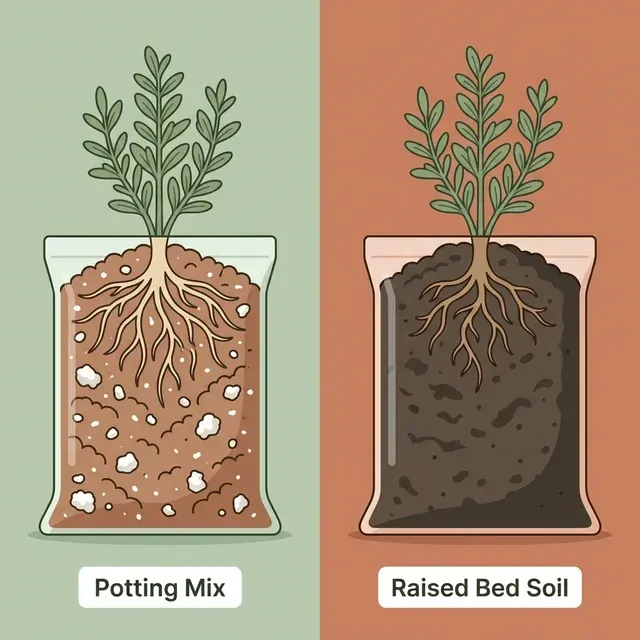
Old potting soil isn’t the same as garden soil. Container mix is usually lighter and built to hold air and water in a pot, while garden soil can compact badly in containers; a vegetable container soil mix should still stay loose enough for roots to breathe.
I once tried to save mix from a pot that had stayed wet for too long. The bottom smelled sour, and I spent more time sorting through soggy clumps than the soil was worth; that was my reminder that “free” isn’t always the economical choice.
Important Tip: Don’t put soil from diseased plants into a home compost pile unless you know your composting process can manage the specific disease. A typical backyard pile may not heat evenly enough to kill every pest or disease organism.
Soil from a pest- or disease-affected container can go into household waste if local rules allow it. If you’re not sure how to dispose of it, check your local waste guidance rather than spreading it around the yard.
How to Refresh and Reuse Old Potting Soil
Refresh clean old potting soil by blending it with fresh potting mix and mature compost, then check that the finished mix drains freely. The goal is to restore a loose structure and add organic matter, not to turn old mix into a dense, rich sludge.
Old mix often has fewer available nutrients because the previous plant used some, and watering can wash some out. Compost adds organic matter, while fresh potting mix can help restore the airy structure; the right balance depends on how compacted or depleted the old soil feels.
- Measure the old mix. Remove large roots and break up clumps before judging its texture.
- Add fresh potting mix. Start with roughly equal parts old and new mix when the old material still feels loose and drains well.
- Add a modest amount of finished compost. Keep compost as a smaller part of the blend, since too much can make container soil dense and hold excess water.
- Mix thoroughly. Break up remaining clods and make sure the materials are evenly distributed.
- Moisten and test the mix. It should feel lightly damp, not wet, and should crumble when squeezed rather than forming a sticky ball.
- Fill a test pot and water it. Water should move through the mix instead of sitting on top or rushing straight down a gap along the pot wall.
Can you mix old potting soil with new? Yes, when the old mix comes from healthy plants and still has a sound texture; mixing old soil with new gives you a practical way to use what’s reusable while adding fresh structure.
Don’t add fertilizer by guesswork just because the mix is old. Follow the fertilizer label for the plant and container, and remember that compost or fresh mix may already contain nutrients.
Different plants call for different blends. Container vegetables benefit from a light, fertile mix that drains well, so potting soil for container vegetables should be chosen with root growth and frequent watering in mind rather than just the lowest-cost bag.
Tomatoes can be especially frustrating when a container mix holds too much water or dries out quickly. If tomatoes are your next crop, a mix for container tomatoes can help you choose a fresh blend suited to a large, thirsty plant.
Hanging baskets dry faster than many ground-level pots because they’re exposed to air on more sides. When reusing soil for baskets, don’t pack it down to make it fit; look for a hanging basket potting mix that balances moisture retention with drainage.
Pro Tip: Before filling several pots, water a small amount of your refreshed mix in one container. If water pools or the mix collapses into a dense cake, add more fresh potting mix instead of hoping the problem disappears after planting.
Should you heat old potting soil?
Heating soil is sometimes used to reduce certain pests and disease organisms, but it’s not a fix for every problem, and it won’t restore nutrients or improve poor texture. For most home gardeners, discarding soil from a diseased or heavily infested plant is simpler and safer than trying to treat it.
If you choose to pasteurize soil that came from healthy plants but may contain pests, use a thermometer and follow a reliable gardening procedure. Don’t heat soil in a kitchen oven without considering odor, mess, and food-safety concerns; heating can produce unpleasant smells, and overheated soil may harm plants.
Solar heating in a sealed, clear bag can be another option in hot, sunny conditions, though results depend on the soil’s moisture, the temperature reached, and how long it stays hot. It’s not a dependable shortcut in cool or cloudy weather.
Can old potting soil go in compost?
Old potting soil can go into a compost pile if it’s free of disease and serious pest problems. It adds mineral material and can be blended into compost, but it shouldn’t be treated as a complete fertilizer or a replacement for fresh container mix.
If the soil came from healthy plants, composting old potting soil is one option when you don’t need the mix for another pot. Avoid composting soil from plants with a suspected spreading disease unless your composting method is suited to that risk.
Don’t dump old potting mix into storm drains, waterways, or public spaces. Keep it contained until you can reuse or dispose of it properly.
- Save mix only when the previous plant was healthy and the soil still drains well.
- Remove roots and debris, then blend reusable soil with fresh potting mix.
- Compost or discard suspect soil instead of passing a pest or disease to the next plant.
FAQs About How to Clean Old Potting Soil
Can I reuse potting soil from a dead plant?
Yes, if the plant’s death wasn’t linked to disease, root rot, or a serious pest problem. Check the roots and soil for mushiness, sour odor, larvae, and webbing. If you can’t tell what caused the plant to die, using fresh mix is the safer call for a valuable or disease-prone plant.
Do I need to sterilize old potting soil before reusing it?
No, healthy old potting soil usually doesn’t need home sterilization before reuse. Remove debris, check the mix, and refresh it with fresh potting mix and a modest amount of compost. Soil from diseased plants should generally be discarded rather than treated at home and reused.
How much fresh potting soil should I add to old soil?
Start with about equal parts old and fresh potting mix when the old soil is loose, clean, and drains well. Add more fresh mix if the old material is compacted or depleted. The finished blend should feel airy and lightly damp, not dense or sticky.
Can I reuse old potting soil for seedlings?
It’s better to use fresh seed-starting mix for seedlings. Seedlings have delicate roots and need a fine, clean, evenly moist medium; old potting soil can be compacted or carry pests. Reuse the old mix later for established plants if it passes the health and texture checks.
Can I reuse potting soil that has mold on top?
Sometimes, but first work out why the mold appeared. A small surface growth can show up when organic material stays damp and air circulation is poor; scrape off the affected surface and correct watering. If the mix smells rotten, stays soggy, or the plant was diseased, discard it.
Does old potting soil need fertilizer?
Often, yes, but the amount depends on the plant, the fresh mix, and any compost or fertilizer already present. Follow the product label rather than adding extra by guesswork. Too much fertilizer can damage roots, while a depleted mix may not support a hungry container plant for long.
Make the Next Potting Job Easier
Cleaning old potting soil is worth the effort when the previous plant was healthy and the mix still has a loose, earthy feel. Remove the debris, be honest about signs of disease or pests, and refresh good soil instead of expecting tired mix to do all the work.
I’d rather discard a small batch of questionable soil than risk carrying the same problem into a new container. For healthy soil, blending in fresh mix is usually the simplest path to better drainage and a cleaner start.
Your next step is straightforward: empty one pot, inspect the old mix, and sort it into reusable or not worth saving before you start filling containers. That one check can save you money without making your next planting a gamble.

I’m Maya L. Greenwood, a lifelong plant lover who believes anyone can grow something beautiful with the right guidance. After years of testing soil mixes, pruning methods, irrigation tricks, and pest-safe solutions, I started EasyGardenTips.com to turn hard-won lessons into step-by-step advice. From seed starting and container gardens to composting and seasonal checklists, my goal is to make gardening simple, sustainable, and fun.
One Comment