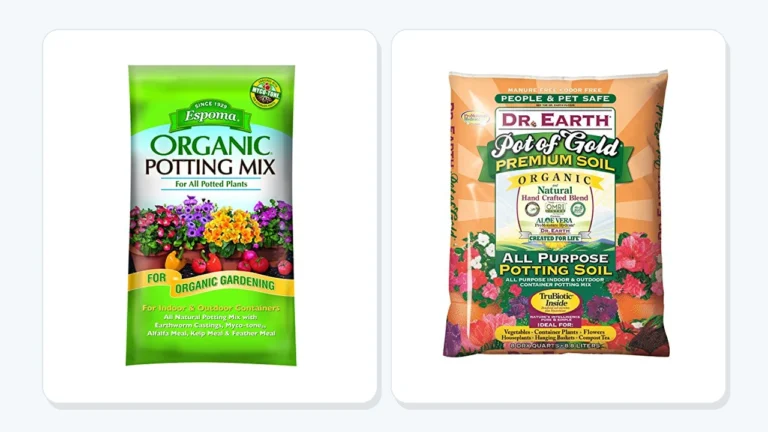
Can You Use Soil Conditioner as Potting Soil? Know This First
Usually, no: soil conditioner by itself rarely gives a potted plant the drainage, air, and steady moisture it needs. You can use some conditioners as part of a potting mix, but the product label and the conditioner’s ingredients matter.
Have you ever opened a bag that looked like rich, dark soil and wondered if you could skip buying potting mix? Or watched a container stay soggy for days and worried that a new ingredient might make things worse?
I once treated a bag of fine, compost-heavy conditioner like a ready-made container mix. The pot felt damp and heavy, and the roots didn’t get the airy growing space I’d expected. It’s a common mix-up, not a dumb one: garden products often look more alike than they behave.
I wrote this to help you tell what’s in the bag, decide whether it belongs in a container, and blend it without guessing. You’ll also get a practical way to adjust the mix for the plant and pot you have.
Get the mix right, and you’ll have fewer wilted leaves, less standing water, and a better shot at healthy roots. Skip the label check, and you could end up with a dense pot that stays wet or dries out too fast.
This takes about 10 minutes to read. By the end, you’ll know how to:
- Tell a soil conditioner from a ready-to-use potting mix.
- Check whether a product is suitable for containers.
- Blend a conditioner into a mix without making it too dense.
- Spot common drainage and watering problems early.
Can You Use Soil Conditioner as Potting Soil?
Soil conditioner usually shouldn’t be used alone as potting soil because many products are made to improve garden soil, not support roots in a container. Use it as a modest ingredient in a potting mix, or use it on its own only if the label clearly says it’s suitable as a container growing medium.
A pot is a small, enclosed space. Unlike a garden bed, it can’t shed excess water down through a deep soil profile, and roots can’t simply grow into nearby ground. A good container mix needs to hold enough moisture for roots while leaving air spaces and letting extra water drain through the pot’s holes.
Soil conditioner is a broad product category, not one fixed recipe. A bag may contain compost, aged bark, peat, coir, manure-based material, or a blend of ingredients. Some products add organic matter to garden soil; others mainly change its texture or water-holding behavior.
The name alone doesn’t tell you what your plant’s roots will get.
| What the bag says or contains | Use in a container | What to check |
|---|---|---|
| “Potting mix” or “container use” | Often suitable as the main growing medium | Directions, intended plants, and drainage |
| Compost or compost-based conditioner | Usually better as a limited blend-in | Salt content, texture, maturity, and label directions |
| Fine, dense soil amendment | Usually not suitable alone | Whether the product is intended for pots |
| Bark-based conditioner | May work as one part of a blend | Particle size and whether the label names container use |
| Manure-based conditioner | Use cautiously as a blend ingredient | Whether it’s composted and the labeled application rate |
The word conditioner doesn’t promise that a product has the balance of air, moisture, and structure a pot needs. A bag designed to loosen heavy ground soil might still settle tightly around roots in a planter.
What’s the quickest way to decide? Read the front and back of the bag before opening it. Look for wording such as “for containers,” “potting mix,” or directions that give a container rate; if the instructions only describe mixing into garden beds, don’t treat the product as a complete potting medium.
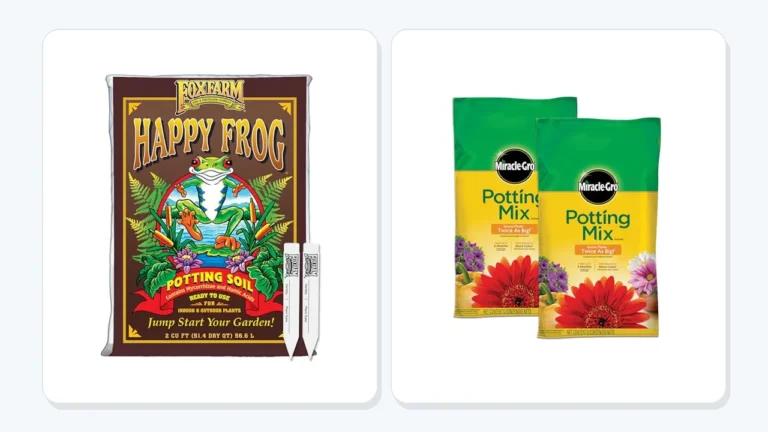
I’d also compare the product with a standard potting mix before buying. A practical guide to soil conditioner and potting mix can help clarify whether the bag is meant to feed or amend existing soil, or to serve as the main root environment.
Pro Tip: If the label is vague, use a small amount in a known potting mix rather than filling a whole container with the conditioner. That way, an unsuitable texture won’t take over the entire root zone.
What Soil Conditioners Do to Roots, Water, and Air
Soil conditioner changes the properties of soil or growing media, but the result depends on its ingredients and how much you use. In a container, the main concern is whether the finished blend keeps a useful balance of air space, moisture, and drainage after it settles.
Roots need oxygen as well as water. When tiny particles pack closely together, water can linger and air pockets shrink; a pot may feel heavy long after watering, and roots may struggle. On the other hand, a coarse, fast-draining blend may dry before a thirsty plant can use the water.
Different conditioners behave differently, so don’t assume a dark, crumbly texture means “ready to plant.” Fine compost can hold a lot of moisture, while bark pieces may leave larger gaps. The product’s particle size, age, ingredients, and amount all affect the final mix.
A conditioner can also change how often you need to water. A moisture-holding ingredient may keep a small pot damp longer, while a coarse ingredient may let water run through sooner. If you keep the same watering schedule after changing the mix, you can accidentally overwater or underwater.
Salts are another reason to check the bag, especially with compost or manure-based products. Some materials can contain enough soluble salts to bother sensitive roots, and container plants have less surrounding soil to dilute them. Follow the product directions and avoid using fresh manure or a material that the label doesn’t describe as composted or safe for planting.
I learned to stop judging a growing medium by how fluffy it looked in the bag. I once worked a fine conditioner into a container blend that seemed loose at first, but it settled after watering and stayed damp longer than I wanted. The useful lesson was simple: test the finished blend after it’s wet, not just when it’s dry and freshly scooped.
Can a conditioner still help in a pot? Yes, if it fills a specific need without taking over the mix. A small amount of a suitable compost-based product may add organic matter, while a coarse bark product may contribute structure; neither role makes every conditioner right for every plant.
Garden soil and topsoil raise similar questions, but they aren’t automatically better container ingredients. For a clear comparison of the risks of using garden soil in pots, check how the material behaves in a confined space before adding it to a planter.
Topsoil also isn’t a universal shortcut. If you’re considering it, the question of mixing topsoil with potting soil comes down to the finished texture and whether the product is meant for containers, not just the fact that both ingredients look like soil.
Important Tip: Don’t try to fix a heavy mix by adding a thin layer of gravel at the bottom of the pot. Gravel doesn’t make a dense growing medium drain better; choose a suitable mix throughout the container and keep the drainage holes open.
How to Blend Soil Conditioner Into Potting Mix
A safe starting point is to use a small share of a suitable conditioner in a quality potting mix, then adjust only if the label and plant needs support it. There isn’t one reliable ratio for every conditioner, because a fine compost and a coarse bark product don’t act alike.
Start with a product labeled for planting or container use. If the package gives a mixing rate, follow that direction rather than a general recipe. When the label doesn’t offer a container rate, I’d skip using it as the main ingredient and choose a product made for pots instead.
Use this process:
- Check the label and ingredients. Confirm that the product is intended for planting, note any listed restrictions, and avoid material that’s fresh or not described as ready for use.
- Choose a potting mix suited to the plant. A basic container mix gives you a more dependable starting point than conditioner alone.
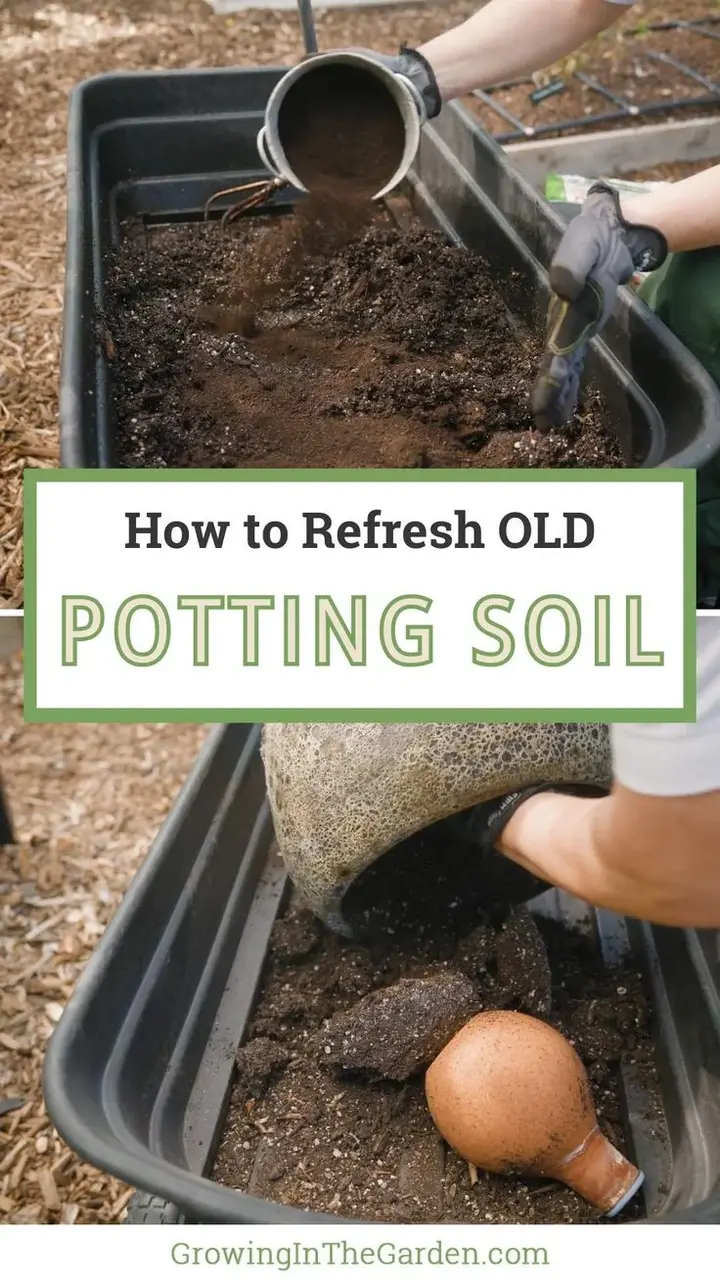
- Blend a small test batch. Mix a modest amount of conditioner into the potting mix rather than filling the whole pot right away.
- Moisten the blend and check its feel. The mix should hold together lightly when squeezed, then fall apart when you touch it. It shouldn’t form a sticky lump or release a stream of water.
- Fill a test pot and water it. Watch whether water drains from the bottom and whether the mix stays wet for an unusually long time.
- Adjust before planting. If the blend feels dense or stays waterlogged, add more suitable potting mix rather than more conditioner. If it drains very quickly, check the pot size, plant needs, and label before changing ingredients.
Why test a small batch first? The same amendment can behave differently when mixed with different base materials, and a small trial is easier to correct than a full patio planter. A test pot also lets you notice settling, clumping, or unusual water flow before a plant is stuck in it.
A useful potting mix should stay open enough for roots to grow while holding moisture between waterings. If your test blend compacts into a hard mass when wet, don’t keep adding more of the same conditioner and hope for the best. Start over with a container mix and use the product only as directed.
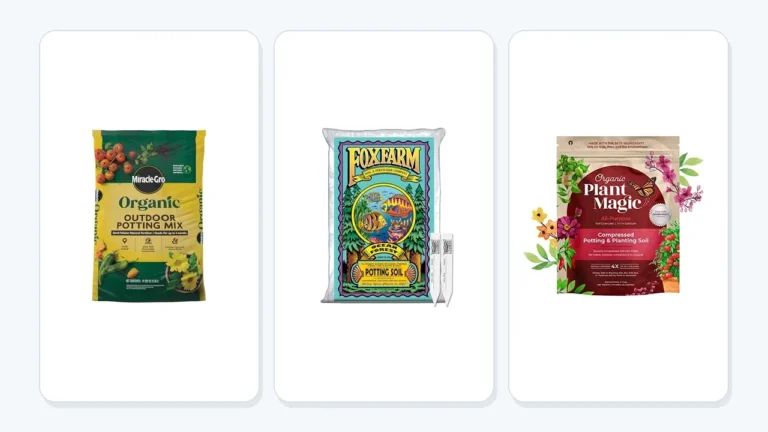
For a plant-specific starting point, look at guidance on the best soil for potted plants. A general potting mix can work for many common container plants, but thirsty vegetables, succulents, and tropical plants don’t all want the same moisture pattern.
Sweet potatoes need a loose, roomy growing medium so developing tubers aren’t confined by a compacted mass. A conditioner that makes the mix fine or heavy may work against that goal, so check advice on potting soil for sweet potatoes before using a product in a grow bag or large container.
Outdoor containers also face wind, sun, and rain, which can change how quickly the mix dries or stays wet. A potting mix made for outdoor conditions may be a better base than garden-bed conditioner; compare options for potting soil for outdoor plants before filling a large planter.
Pro Tip: Make a note of the blend and how often you water it. If one pot stays wet while nearby pots dry normally, the growing medium, pot size, or location may be the difference.
Match the mix to the plant and container
A small pot dries faster than a large one, while a large container can hold moisture for longer. A pot with few or blocked drainage holes may stay wet even when the mix is otherwise suitable. Those details matter as much as the conditioner you add.
Plant type matters, too. Herbs and many flowering annuals do well in a general potting mix, while plants that prefer dry roots need a blend that doesn’t stay soggy. A conditioner that holds more water might suit one situation and cause trouble in another.
Avoid turning a good-enough mix into a complicated science project. Unless the plant has a clear need, a quality potting mix that drains from the pot is usually a more dependable choice than a stack of amendments and improvised ratios.
- Soil conditioner is usually an ingredient, not a complete potting medium.
- Use only products labeled or directed for container planting.
- Test the wet blend before committing a whole pot.
- Adjust the finished mix to the plant, pot, and drainage setup.
FAQs About Can You Use Soil Conditioner as Potting Soil
Can I plant directly in soil conditioner?
Usually, no. Soil conditioner is often designed to improve existing garden soil, and its texture or moisture behavior may not suit a container by itself. Plant directly in it only when the product label says it can serve as a container growing medium and gives directions for that use.
How much soil conditioner should I mix into potting soil?
Follow the product’s container directions because ingredients and texture vary. If no container rate appears, avoid treating the conditioner as a main ingredient; use a ready-made potting mix instead. A small test batch can show whether the blend stays airy and drains before you fill a large planter.
Is compost the same as soil conditioner?
No. Compost is decomposed organic material, while soil conditioner is a broad label for products meant to change soil properties. Some conditioners contain compost, but others may use bark or other materials.
Check the ingredient list, intended use, and planting directions rather than relying on the product name.
Can soil conditioner make potting soil too wet?
Yes. A fine or moisture-holding conditioner can make a container mix stay wet longer, especially in a large pot or one with poor drainage. Check the damp mix after watering and make sure water can leave through the drainage holes.
Don’t keep a fixed watering schedule if the blend has changed.
Can I use soil conditioner for vegetables in pots?
Sometimes, as a suitable ingredient in a container mix, but the label and crop matter. Vegetables need a growing medium that supports roots and drains properly; a dense conditioner alone may not do that. For edible plants, follow the product’s planting directions and avoid using fresh manure or unready material.
Choose the Growing Medium Before You Fill the Pot
Soil conditioner can be useful in a container, but it isn’t a safe stand-in for potting soil just because it looks rich and crumbly. The bag may hold a helpful ingredient, or it may be a product meant only for improving ground soil. That distinction can save you from a pot that stays soggy, packs down, or gives roots too little air.
My preference is to start with a potting mix made for containers and add conditioner only when the label and the plant’s needs give you a clear reason. It’s less guesswork, and the finished mix is easier to judge. Before planting, read the label, blend a small batch, and water-test it; that’s the simplest next step toward a healthier pot.

I’m Maya L. Greenwood, a lifelong plant lover who believes anyone can grow something beautiful with the right guidance. After years of testing soil mixes, pruning methods, irrigation tricks, and pest-safe solutions, I started EasyGardenTips.com to turn hard-won lessons into step-by-step advice. From seed starting and container gardens to composting and seasonal checklists, my goal is to make gardening simple, sustainable, and fun.