5 Best Potting Soil for Tropical Hibiscus: Mixes for Bold Blooms
A hibiscus can struggle after repotting if the soil stays waterlogged, dries out before you notice, or packs tightly around the roots. The wrong bag can also leave you with far more mix than one pot needs, or a tiny amount that barely covers the root ball, so the job takes two trips to the store.
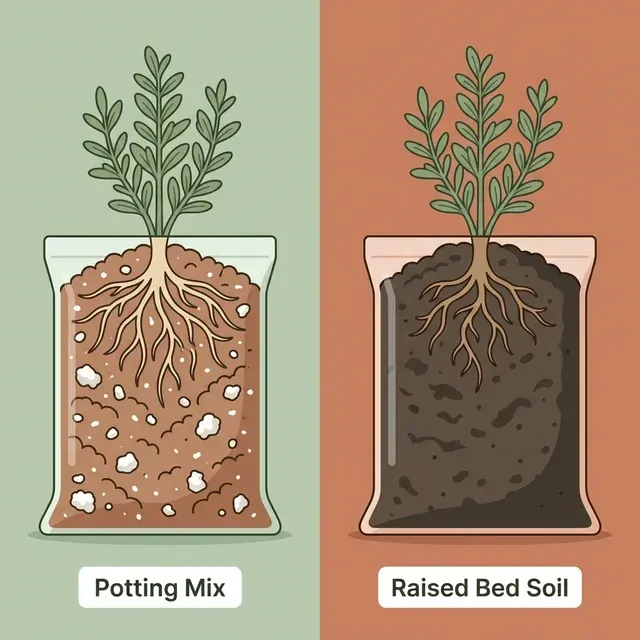
For hibiscus in containers, a good mix needs to let extra water escape while holding enough moisture that the roots don’t dry out immediately. A pot’s drainage holes matter just as much: even a thoughtfully blended soil can stay soggy in a pot that cannot drain.
The mixes here vary in volume and ingredients, and several are aimed at tropical houseplants rather than hibiscus by name. Before you buy, check the bag size and ingredient list, then match those details to the plant and pot you have.
This guide will help you:
- Compare ingredient blends and bag sizes before repotting.
- Choose a container mix that drains without drying too quickly.
- Repot a hibiscus with less mess and fewer root problems.
- Set a simple watering and soil-care routine afterward.
Quick Picks
-
Best For Larger Tropical Pots

DUSPRO Pre-Mixed 5in1 Tropical Potting Mix, Drainage
Pine bark, coco coir, perlite, worm castings, and pumice balance drainage and moisture for repotting several tropical plants.
-
Best For Small Repotting Jobs

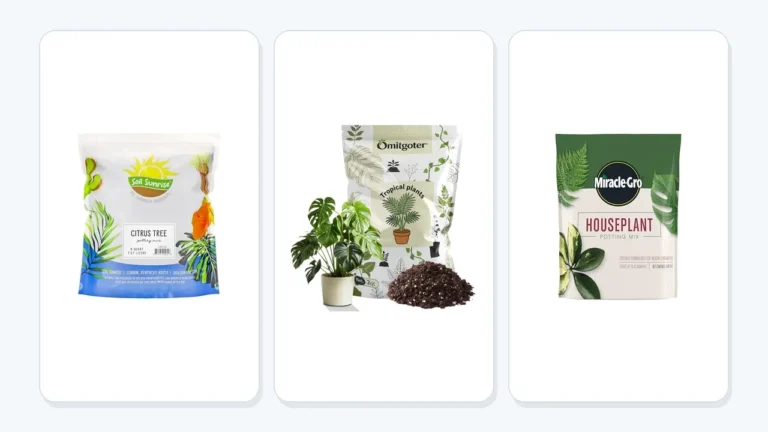
Omitgoter Premium Tropical Potting Mix with Perlite
Peat moss, coconut coir, perlite, worm castings, and humus make a small-volume mix for a single modest pot.
Top 5 Potting Soils for Tropical Hibiscus at a Glance
Start with DUSPRO if you need a larger quantity of airy mix, or consider Omitgoter for a small repotting job. The main differences are the ingredients each maker lists, the amount in the bag, and whether the mix is tailored to a particular plant group.
| Product image | Product name | Check product |
|---|---|---|
| 1 |
DUSPRO Pre-Mixed 5in1 Tropical Potting Mix, Drainage | Check Price |
| 2 |
Omitgoter Premium Tropical Potting Mix with Perlite | Check Price |
3 |
Soil Sunrise Bird of Paradise Potting Soil | Check Price |
4 |
Rosy Soil Houseplant Potting Soil, Organic Indoor | Check Price |
5 |
Gardenera Premium House Plant and Tropical Plant | Check Price |
5 Best Potting Soils for Tropical Hibiscus: Detailed Reviews
When I chose the best potting soil for tropical hibiscus, I focused on drainage, moisture balance, ingredient clarity, and bag size. Those details can help you avoid a soggy root zone, a mix that dries too fast, and leftover bags taking over a closet.
The options range from multi-ingredient tropical blends to mixes labeled for a particular houseplant or container plant. Comparing them side by side helps you see which mix gives you useful ingredients and a practical amount, while also showing where the product information leaves questions you should check before buying.
1. DUSPRO Pre-Mixed 5in1 Tropical Potting Mix, Drainage
Pine bark, coco coir, perlite, worm castings, and pumice balance drainage and moisture for repotting several tropical plants.
- Size8 Quarts
- ColorTropical Potting Mix
- WeightNot listed; check details
- DimensionsNot listed; check details
DUSPRO Tropical Potting Mix is a ready-to-use blend for people repotting tropical container plants who want an airy mix in a larger bag. The listing names several familiar ingredients, but it does not specifically name hibiscus, so check the mix texture and plant-care fit before using it for a prized plant.
The blend includes pine bark, which is chunky tree material that helps keep growing mix from packing into a dense block. In a pot, that structure can leave more open spaces around the roots, making it easier for extra water to move through rather than sitting in a tight mass.
DUSPRO also combines coco coir, perlite, worm castings, and pumice. Coir helps the mix hold moisture, while perlite and pumice are lightweight materials that help create air spaces and support drainage; worm castings contribute nutrients, though the listing doesn’t give a feeding schedule or measured nutrient amount.
The bag contains 8 quarts, and the maker says that amount fits about two 8-inch pots. That can be convenient if you are repotting more than one plant, but the right amount depends on pot shape and how much mix the root balls need.
One thing to watch: “tropical” on the bag does not confirm that the mix has a particular pH or fertilizer profile for hibiscus. If your plant is sensitive or you need to follow a specific growing plan, check the package details and adjust your care based on the plant’s response.
Pros:
- Pine bark helps keep the growing mix loose.
- Coco coir supports moisture retention between waterings.
- Perlite and pumice support airflow and drainage.
- Worm castings contribute to the mix’s nutrient content.
- 8-quart bag suits multiple medium pots.
- Ready-to-use blend saves ingredient measuring and mixing.
Cons:
- The mix is not described as hibiscus-specific.
- The 8-quart bag may be more than one small pot needs.
- No measured pH or nutrient analysis is listed.
Buy it if: you’re repotting multiple tropical plants, because the 8-quart blend combines moisture-holding and airy ingredients in one ready-to-use bag.
Skip it if: your only job is a tiny pot, because 8 quarts may leave a lot of mix unused, and a smaller-volume potting mix would suit you better. For another fit, consider Omitgoter or Soil.
I’d choose DUSPRO when the job involves several tropical pots and I want a blend with both coir and chunky drainage ingredients. Its range of components gives a beginner a straightforward starting point without needing to mix several separate bags. I’d still check the actual bag size options and confirm the texture looks suitable for your pot, especially because hibiscus is not named as a target plant.
This is the most practical pick for a small collection that needs repotting at once.
2. Omitgoter Premium Tropical Potting Mix with Perlite
Peat moss, coconut coir, perlite, worm castings, and humus make a small-volume mix for a single modest pot.
- Size1qt
- ColorTropical Plant Soil
- WeightNot listed; check details
- DimensionsNot listed; check details
Omitgoter Tropical Potting Mix is a small-bag option for someone repotting one modest plant or topping up a container. Its listed blend includes peat moss, coconut coir, perlite, worm castings, and humus, although the provided size is only 1 quart.
Peat moss is a fibrous material that can hold water, while coir also helps the growing mix retain moisture. That can be useful when a plant needs regular watering, but a moisture-holding blend still needs a pot with open drainage holes so extra water can escape.
Perlite is included to create air pockets and help water move through the mix. For a beginner, that means the ingredients are intended to balance water retention with a less dense root zone, rather than leaving the roots in a heavy, compacted medium.
Worm castings and humus are organic materials included in the blend. They contribute to the mix’s composition, but the package details provided here do not give a nutrient analysis, a fertilizer plan, or a precise pH, so don’t assume this bag replaces all future feeding.
The small size is the clearest practical limit. One quart may be handy for a small container or a minor repotting task, but it is unlikely to be enough for a large hibiscus pot; check the volume you need before starting so you don’t run short halfway through.
Pros:
- Peat moss and coir help hold moisture.
- Perlite supports airflow and drainage.
- Worm castings and humus are included in the blend.
- Small bag is easy to store after a minor job.
- Mix is described for tropical and aroid plants.
Cons:**
- 1 quart may not fill a medium or large pot.
- No measured pH or nutrient analysis is provided.
- Hibiscus is not named among the listed plant examples.
Buy it if: you’re refreshing a small pot, because the compact bag and multi-ingredient mix are easier to store than a larger quantity.
Skip it if: your hibiscus needs a substantial pot change, because one quart may not cover the root ball, and a larger-volume potting mix would suit you better. Duspro and Soil are worth a closer look instead.
What I like about Omitgoter is the small amount: beginners often need less mix than a large bag contains, especially for a single small container. The combination of coir, peat, and perlite gives a clear moisture-and-airflow intention, without requiring you to combine separate ingredients. The key hesitation is that the bag is very small and the provided details don’t specify pH or feeding strength.
I’d pick Omitgoter for a modest repotting task after checking that the volume matches the pot.
3. Soil Sunrise Bird of Paradise Potting Soil
The catalog lists All-Natural: Special custom blend for Bird of Paradise plants also known as Crane Flower or Heliconias, a Sout. Compare fit and care needs before choosing.
- Size8 Quarts
- Number Of Items1
- WeightNot listed; check details
- DimensionsNot listed; check details
Soil Sunrise Bird of Paradise Potting Soil is an 8-quart container mix for gardeners who want a blend labeled for a tropical foliage plant and other indoor or outdoor container plants. Hibiscus is not named in its plant list, so treat it as a possible general container option rather than a hibiscus-specific formula.
The blend is described as peat moss, perlite, and lime. Perlite is a lightweight material that creates spaces in the mix, which can help air reach roots and water drain rather than pooling around the base of the pot.
Peat moss contributes moisture retention, while lime is included as part of the blend. The provided information does not state a pH number or explain how much lime is present, so you can’t use the ingredient list alone to judge whether the final mix matches a particular hibiscus care target.
The maker describes the mix as soilless and says the 8-quart bag can fill a large 12-inch pot. A resealable bag may help keep unused mix contained in an apartment or small storage area, though the amount needed still varies with pot depth and root-ball size.
A plant-specific label deserves a close read before you stretch it to another plant. The listed alternatives include Red Chinese Evergreen, ZZ Plant, and Magenta Madagascar, but not hibiscus; check the package guidance and avoid assuming that a Bird of Paradise recipe is automatically ideal for every tropical flower.
Pros:
- 8-quart bag is intended for a larger container.
- Perlite supports air spaces and drainage.
- Peat moss is part of the stated blend.
- Resealable bag helps contain leftover mix.
- The maker describes indoor and outdoor container use.
Cons:**
- Mix is labeled for Bird of Paradise, not hibiscus.
- No measured pH value is provided.
- The listed ingredients are fewer than in some blends.
Buy it if: you need a larger container mix and are comfortable checking plant fit, because the 8-quart bag is described as enough for a large pot.
Skip it if: you want a bag explicitly labeled for hibiscus, because the listed plant focus is different, and a tropical potting mix with a closer match would suit you better. If those trade-offs rule it out, Duspro or Omitgoter may suit you better.
I’d consider Soil Sunrise when the bag volume and resealable packaging fit the job, especially if you are filling a larger container. Perlite and peat moss make the intended drainage and moisture roles easy to understand, which is helpful if this is your first repotting. I’d pause at the Bird of Paradise focus and check the exact product directions rather than treating “tropical” as a universal promise.
This mix is for a buyer who values a larger container quantity and is willing to confirm the plant match.
4. Rosy Soil Houseplant Potting Soil, Organic Indoor
The catalog lists ORGANIC INDOOR POTTING SOIL, MADE WITHOUT PEAT: Biochar, worm castings, mycorrhizae, compost, and bark fines r. Compare fit and care needs before choosing.
- Size4 Quarts
- ColorHouseplant
- Number Of Items1
- WeightNot listed; check details
Rosy Soil Houseplant Potting Soil is a 4-quart indoor mix aimed at houseplants such as Monstera, Pothos, and other tropical foliage plants. The listed ingredients include biochar, worm castings, mycorrhizae, compost, and bark fines, and the maker says the blend is made without peat.
Biochar is a porous form of charcoal used in growing mixes; here, the maker says it helps keep the mix’s structure open. Bark fines and sand are also listed as ingredients that support drainage and aeration, so water can move through the container instead of sitting in a dense mass.
The mix includes mycorrhizae, fungi that can live around plant roots, plus worm castings and compost. Those ingredients contribute to the blend, but the seller’s claims do not provide a measured nutrient profile or promise a particular result for hibiscus, so plan to watch the plant and follow an appropriate feeding routine.
Rosy Soil’s 4-quart bag is described as enough for two to three medium pots. That is a useful amount if you have several houseplants to repot, while a large hibiscus container may need more than one bag depending on its dimensions and how much soil the roots displace.
The ingredient list gives this mix a distinct peat-free profile, but it is still described primarily as houseplant soil. If your hibiscus is outdoors in a hot, windy spot, remember that any container mix can dry faster there than it would indoors, so the location and watering routine matter alongside the ingredients.
Pros:
- Biochar and bark fines help keep the mix open.
- Sand is included to support drainage.
- Worm castings and compost are listed ingredients.
- 4-quart bag suits a few medium pots.
- Maker describes the blend as made without peat.
Cons:**
- The bag is aimed at houseplants, not specifically hibiscus.
- A large container may need more than one bag.
- No measured pH or nutrient analysis is provided.
Buy it if: you prefer a peat-free houseplant blend, because the listed biochar and bark ingredients support an open mix for several medium pots.
Skip it if: you need a formula specifically described for hibiscus, because this blend is positioned for houseplants, and a mix labeled for your plant’s needs would suit you better.
To me, the useful point about Rosy Soil is its clear ingredient difference: it uses biochar and bark fines rather than peat. That gives you another texture profile to consider if you want an airy houseplant blend and have more than one pot to fill. The hesitation is the same one I’d have with any broad houseplant mix: the provided details don’t set out a hibiscus-specific pH or feeding plan.
I’d pick it if a peat-free mix and the 4-quart volume line up with your repotting job.
5. Gardenera Premium House Plant and Tropical Plant
The catalog lists 🌳 Hand Blended Potting Soil- The perfect potting soil for re-potting your house plants and tropical plants. Al. Compare fit and care needs before choosing.
- Size1 Quart
- ColorTROPICAL HOUSE PLANT POTTING MIX
- WeightNot listed; check details
- DimensionsNot listed; check details
Gardenera Tropical Plant Potting Soil is a 1-quart mix for small indoor repotting jobs and container plants. Its listed ingredients are peat moss, perlite, worm castings, and lime, with no added fertilizers stated in the product details.
Peat moss helps the mix retain moisture, while perlite creates a lighter texture and supports drainage. That pairing can be useful in a pot where you want moisture available without leaving the roots sitting in a dense, wet medium; the container still needs drainage holes.
Worm castings are included as part of the blend, and the maker describes them as a natural plant-food ingredient. Since the details don’t give a measured nutrient amount or a complete feeding schedule, treat the mix as a growing medium rather than a guarantee that your hibiscus will never need fertilizer.
Lime is also listed, but there is no measured pH value or amount supplied. That makes it sensible to check the bag directions if you need to manage soil acidity closely, rather than assuming the ingredient alone sets a particular final pH.
The 1-quart size is convenient for small pots and limited storage, but it may not go far for a large hibiscus. This product is described broadly for tropical houseplants, not as a formula specific to hibiscus, so assess the bag’s volume and instructions before opening it.
Pros:
- Peat moss helps the mix retain moisture.
- Perlite supports drainage and a lighter texture.
- Worm castings are included in the stated ingredients.
- 1-quart size is easy to store.
- No added fertilizers are stated in the product details.
Cons:**
- One quart may be too little for a large pot.
- Hibiscus is not named as a specific plant focus.
- No measured pH or nutrient amount is provided.
Buy it if: you’re repotting a small tropical plant, because the 1-quart bag is easy to store and includes perlite for a lighter mix.
Skip it if: you need to fill a deep or wide container, because the small bag may fall short, and a larger-volume potting mix would suit you better.
I’d keep Gardenera in mind for a small pot or a limited refresh, not a major container change. The stated ingredients are easy to understand, and the compact size avoids storing a large leftover bag. Before buying, I’d check whether the package gives a pH or use direction that fits your hibiscus, since lime is listed without a measured value.
This is a sensible choice for a small job when the volume and directions match.
How to Choose the Best Potting Soil for Tropical Hibiscus
The best potting soil for tropical hibiscus lets water drain while keeping enough moisture around the roots between waterings. Start with the pot and the plant’s location, then compare the mix’s texture, ingredients, and bag volume rather than relying on a broad “tropical” label.
Drainage and air spaces
Drainage means extra water can escape through the container instead of collecting around the roots. Look for ingredients such as perlite, pumice, bark, or sand when you want a mix with visible texture and more open spaces.
A bag that feels dense and fine can settle into a compact layer, especially after repeated watering. If you can inspect the mix, look for a loose texture with some larger pieces, but avoid assuming one ingredient guarantees good drainage in every pot.
The pot itself is part of the decision. Choose a container with holes in the bottom, and make sure a saucer does not stay full of standing water after you water.
Moisture retention
A hibiscus needs available moisture, but that does not mean its roots should stay soaked. Coir and peat moss can help a mix hold water, so these ingredients may suit a plant that dries out quickly, provided the pot can drain freely.
Think about where the plant will live. A sunny patio or a breezy location can dry a container faster than a sheltered indoor spot, while a shaded room may keep the mix wet longer.
If you are unsure, use the finger test: feel the top inch of mix before watering and learn how quickly the pot dries in its actual location. This is more useful than following a rigid calendar that ignores heat, pot size, and sunlight.
Ingredients and plant fit
Ingredient lists tell you more than a broad label such as “tropical soil.” Bark and perlite generally add texture and air spaces, while coir and peat can help hold moisture; castings and compost contribute organic material to the blend.
The listed mixes vary in their plant focus. Some name aroids, houseplants, or Bird of Paradise rather than hibiscus, so check the package directions and be cautious about treating those categories as identical.
For a broader look at mixes made for warm-climate foliage containers, see potting soil for tropical plants. If you grow other species, compare their care needs separately instead of assuming every tropical plant wants the same texture or watering routine.
Bag size and pot volume
A 1-quart bag is suited to a small task, while 4 or 8 quarts may serve several pots or a larger container. The volume printed on a bag is a useful starting point, not an exact promise, because pot shape and root-ball size change how much soil you need.
Measure the pot’s height and width before ordering, then estimate how much room the roots occupy. If the plant is moving into a larger container, you generally need enough mix to fill the space around the root ball without burying the stem deeper than before.
For a large patio hibiscus, a small bag can be frustrating if you run short mid-job. For one tiny indoor plant, a large bag may be awkward to store after opening.
pH, fertilizer, and package directions
A mix’s pH affects how readily a plant can access nutrients, but the product details here do not give measured pH values. If you have a specific growing target, look for a clearly stated measurement on the bag rather than guessing from a listed ingredient such as lime.
Also check whether the mix contains fertilizer and how long the package says any feed is expected to last. Some of these blends list worm castings or compost, but that information alone does not tell you a complete nutrient schedule.
Do not assume “natural,” “organic,” or “tropical” means certified, fertilizer-free, or suited to every plant. Read the actual label and use the claims only as a description of the mix, not as proof of a specific growing result.
Indoor or outdoor use
An indoor potting mix can work in a container, but outdoor conditions change how quickly it dries. Sun, wind, heat, and rain exposure all affect watering, so look for stated indoor or outdoor use and then match your care to the plant’s spot.
If you are deciding between a specialty tropical blend and a general container mix, the difference often comes down to texture and stated plant use. A plain-language comparison of tropical soil versus potting soil can help you think through that choice without assuming one label is automatically superior.
For an outdoor hibiscus, use a pot that can drain after rain and avoid leaving the container in a puddle. For an indoor plant, confirm that the saucer can be emptied easily and that the location has enough light for the plant’s needs.
How to Use Potting Soil for Tropical Hibiscus for the Best Results
Use fresh potting mix in a container with drainage holes, and water thoroughly after repotting so the soil settles around the roots. A careful setup matters as much as the bag, because compacted mix or a blocked pot can undermine drainage.
- Choose a pot with bottom drainage holes and only a modest increase in size from the current container.
- Set out the new mix, a clean pot, gloves if you prefer them, and a surface that can catch loose soil.
- Water the hibiscus before repotting if the root ball is extremely dry, so it is easier to handle.
- Ease the plant from its old pot without yanking the stem, and gently loosen only roots that are tightly circling.
- Add enough fresh mix so the top of the root ball will sit near its previous soil level.
- Place the hibiscus in the pot, fill around the root ball, and use your fingers lightly to close large gaps without pressing the mix into a hard layer.
- Water slowly until excess water drains from the holes, then empty the saucer.
- Keep the plant in a suitable, stable location while it adjusts, and watch soil moisture rather than watering on an automatic daily schedule.
Avoid adding a layer of gravel at the bottom as a substitute for drainage holes. A clear hole is what lets water leave the pot; gravel does not fix a container that holds water.
When filling the pot, leave a little space at the top so watering does not spill over the rim. Keep the plant’s stem and crown at about the same depth as before, since burying them can keep damp mix against plant tissue that was previously exposed.
If the new mix settles after the first watering, add a little more around the root ball as needed. Do not pack it down hard to make the pot look full, because the goal is stable support with air spaces remaining in the growing medium.
The needs of other tropical plants can differ. If you are potting a vining foliage plant as well, compare the care guidance for potting soil for philodendron rather than assuming the hibiscus mix will be the right choice for every pot on your shelf.
How to Make Your Potting Soil for Tropical Hibiscus Last Longer
Keep unused mix dry, covered, and protected from rain or pests. In the pot, focus on steady watering, clean drainage, and timely repotting rather than expecting bagged soil to stay fresh forever.
After opening a bag, close it securely or move leftover mix into a clean, sealed container. Store it in a dry place away from standing water, direct weather, and anything that could spill into the bag.
Before reusing stored mix, check for an unusual sour smell, persistent dampness, visible pests, or a layer that has become tightly compacted. If you see a problem, don’t put questionable material around a valuable plant; use fresh mix when you are unsure.
In the pot, remove fallen leaves and other debris from the surface so they do not sit wet against the soil. Keep drainage holes clear, and empty the saucer after watering so the bottom of the root ball is not left soaking.
Check the soil moisture regularly, especially after moving the plant outdoors or changing its light and heat exposure. A hot, sunny location may call for more frequent checks, while cooler or darker conditions can keep the mix wet longer.
Potting soil gradually changes as it settles and roots fill the container. Repot when the plant has outgrown its space or when the mix no longer drains and supports the plant well, rather than replacing soil on an arbitrary schedule.
Do not treat worm castings or compost as a fixed-duration fertilizer. The bags here do not provide a complete feeding schedule, so read the package directions and choose any later plant food based on the hibiscus’s needs and growth.
Common Mistakes to Avoid When Buying and Using Potting Soil for Tropical Hibiscus
Most problems come from a mismatch between the bag, the pot, and the plant’s location. These checks can prevent wasted mix and reduce the chances of leaving roots too wet or too dry.
- Choosing by the word “tropical” alone: A broad label does not confirm a hibiscus-specific formula. Read the ingredients and stated plant uses before deciding.
- Buying too little mix: A small bag can run out before a larger pot is filled. Estimate the container volume and allow for the amount needed around the root ball.
- Buying far more than the job needs: Leftover mix takes storage space and may sit open. Match bag size to the number and size of pots you plan to fill.
- Using a pot without drainage holes: Water has nowhere to escape. Choose a pot with holes and empty the saucer after watering.
- Pressing the mix down firmly: Hard packing can reduce open spaces around roots. Settle the mix gently with your fingers and let watering close small gaps.
- Watering by the calendar only: Light, temperature, wind, and pot size change how quickly soil dries. Check the mix before watering and adjust to its actual condition.
- Assuming organic ingredients prove a safety claim: A seller’s ingredient description does not establish independent certification. Check the package and any certification details you require.
- Assuming castings replace every feed: Worm castings are listed in some blends, but no complete schedule is given. Follow the package directions and monitor plant growth.
- Leaving water in the saucer: A full saucer can keep the pot base wet. Empty it after watering or rain.
Common Questions About Potting Soil for Tropical Hibiscus
What kind of potting soil is best for tropical hibiscus?
A loose container mix that drains well while holding some moisture is a sensible starting point for tropical hibiscus. Look for a mix with a balance of airy ingredients and moisture-holding materials, then check that your pot has drainage holes. These products are not all labeled specifically for hibiscus, so read each bag’s stated uses.
Can I use regular potting soil for a hibiscus?
Yes, a general potting mix may work if it is intended for containers and drains freely. Avoid garden soil in a pot, because it can be dense and may not behave like a prepared container medium. Check the mix texture, package directions, and your pot’s drainage before planting.
How much potting soil does a hibiscus need?
The amount depends on the pot’s width, depth, and the size of the root ball. The products here range from 1 quart to 8 quarts, but those labels do not guarantee an exact number of pots for every shape. Measure your container and buy enough to fill around the roots without burying the plant deeper.
Should hibiscus potting soil contain perlite?
Perlite can help create air spaces and support drainage, which can be useful in a container mix. It is not the only material that can add texture; bark, pumice, and sand also appear in some blends. The full mix and the pot’s drainage matter more than one ingredient by itself.
How often should I water a hibiscus in a pot?
There is no reliable fixed schedule for every hibiscus, because sunlight, heat, wind, pot size, and mix all affect drying time. Check the top inch of soil before watering and learn how quickly the container dries in its location. Water thoroughly when needed, then let excess water drain away.
Does hibiscus need a special potting mix?
A mix labeled specifically for hibiscus can make plant matching simpler, but a well-draining container mix may also suit the plant. Check the ingredient list, any pH or fertilizer information, and the package’s stated uses. The five options here are mostly described for tropical or houseplants rather than hibiscus by name.
Before You Repot Your Hibiscus
Before ordering, measure the pot, confirm it has drainage holes, and decide whether you need a small bag or enough mix for several containers. Then read the package directions for plant use and ingredients, and choose the mix whose texture and volume fit your actual repotting job.

I’m Maya L. Greenwood, a lifelong plant lover who believes anyone can grow something beautiful with the right guidance. After years of testing soil mixes, pruning methods, irrigation tricks, and pest-safe solutions, I started EasyGardenTips.com to turn hard-won lessons into step-by-step advice. From seed starting and container gardens to composting and seasonal checklists, my goal is to make gardening simple, sustainable, and fun.