5 Best Potting Soil for Rubber Plant: Mixes for Big, Glossy Leaves
A rubber plant can look fine on watering day and still struggle if its potting mix stays soggy for too long. Choose a dense mix that holds water around the roots, and you may see slow drying, limp leaves, or a sour smell before you know what went wrong.
For a rubber plant, the useful middle ground is a mix that lets extra water drain while keeping enough moisture for roots to take up. The pot matters too: drainage holes help prevent water from collecting below the soil, where roots can sit wet long after the surface looks dry. Check the bag size against your pot before buying, since small bags can run out partway through a repot.
Here’s what this guide will help you sort out:
- Which soil ingredients affect drainage and moisture.
- How much mix a repotting job may need.
- How to pot a rubber plant without burying its stem.
- What to check before watering again.
Quick Picks
-
Best For Peat-Free Indoor Mix
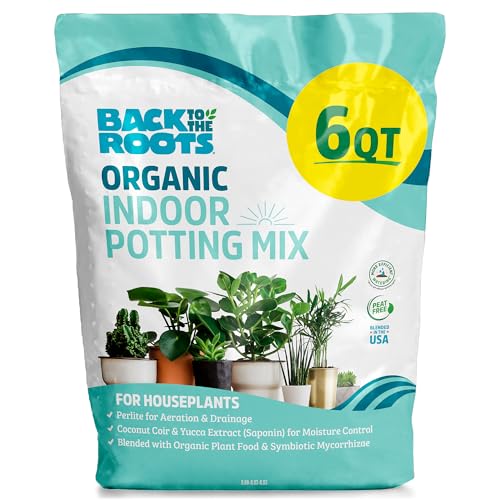
Back to the Roots Organic Indoor Potting
Organic yucca extract helps the mix hold moisture, while the peat-free formula suits rubber plant owners seeking an indoor blend.
-
Best For Larger Bag and Seeds

Miracle-Gro Organic Indoor Potting Mix, 16 qt.
A 16-quart indoor mix made with peat moss, coir, and natural fertilizer suits larger repotting jobs and seed starting.
Top 5 Potting Soils for Rubber Plant at a Glance
Start with a general indoor mix if you want a ready-to-use bag and straightforward care, or look at a chunkier blend if drainage is your main concern. The biggest differences here are bag size, ingredients, and how much the mix is designed to retain or shed water.
| Product image | Product name | Check product |
|---|---|---|
| 1 |
Back to the Roots Organic Indoor Potting | Check Price |
| 2 |
Miracle-Gro Organic Indoor Potting Mix, 16 qt. | Check Price |
3 |
Miracle-Gro Houseplant Potting Mix, 4 qt. | Check Price |
4 |
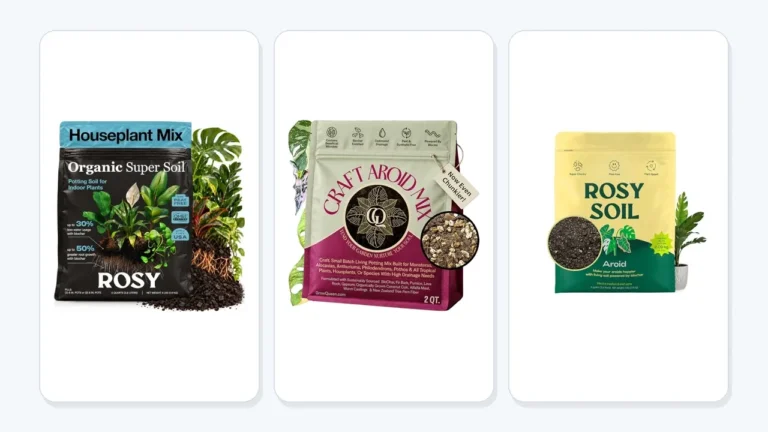
Rosy Soil Houseplant Potting Soil, Organic Indoor | Check Price |
5 |
DUSPRO Pre-Mixed 7in1 House Plant Potting Mix, | Check Price |
5 Best Potting Soils for Rubber Plant: Detailed Reviews
When I chose the best potting soil for rubber plant, I focused on drainage, moisture balance, bag size, and how much work the mix asks of a beginner. Those details matter because rubber plants dislike persistently wet roots, yet a mix that dries very quickly can make watering harder to judge.
The five options range from a small ready-to-use bag to a larger indoor mix and blends with ingredients such as bark, perlite, coir, and biochar. Comparing them side by side helps you match the soil texture and quantity to your plant, pot, and watering habits instead of buying based on a bag’s broad plant list.
1. Back to the Roots Organic Indoor Potting
Organic yucca extract helps the mix hold moisture, while the peat-free formula suits rubber plant owners seeking an indoor blend.
- Size6 Quart
- ColorIndoor Potting Mix
- Release Date2023-01-01T00:00:01Z
- Number Of Items1
Back to the Roots Indoor Potting Mix is a peat-free indoor blend for a rubber plant owner who wants a ready-to-use bag with moisture-holding ingredients. The listing describes organic yucca extract as helping retain moisture, which can slow the drying of the root ball between waterings. That can be useful in a warm, bright room, but it doesn’t mean the soil should stay wet; let the pot’s drainage and your plant’s needs guide watering.
The mix also includes mycorrhizae, a group of beneficial fungi that can live near roots and support nutrient uptake. The bag describes this as root-boosting, though results depend on the plant and growing conditions. It also includes dolomitic limestone, a soil ingredient used to balance acidity, so the blend is intended to support nutrient availability rather than simply hold the plant upright.
The bag is 6 quarts, a modest amount for a single repotting job. The listing says the mix is made without bark or compost and is less prone to indoor gnats and pests; that is not a guarantee that pests can never appear, especially if other plants or damp debris are nearby. It’s also not described as a chunky rubber-plant-specific mix, so check how quickly it drains after watering.
Pros:
- Yucca extract helps the mix retain moisture between waterings.
- Peat-free formula suits buyers avoiding peat moss.
- Mycorrhizae support root development and nutrient uptake.
- Dolomitic limestone is included to balance soil acidity.
- Six-quart bag is a manageable amount for small jobs.
Cons:
- Six quarts may not cover a large container.
- Moisture retention makes careful watering important.
- No specific rubber-plant drainage claim is given.
Buy it if: you want a peat-free indoor mix with moisture-retaining yucca extract, because those ingredients suit a straightforward repotting routine.
Skip it if: you need a visibly coarse, fast-draining blend, because the listed ingredients don’t describe a chunky texture, and a more aerated potting mix would suit you better. For another fit, consider Miracle-Gro Organic Indoor Potting Mix, 16 or Miracle-Gro Houseplant Potting Mix, 4 qt..
I’d consider Back to the Roots when you want a general indoor mix and a smaller bag is enough for the job. The blend has useful root-support and moisture-related ingredients without asking you to mix separate components first. I’d still check the soil texture and make sure the chosen pot has drainage holes before planting.
This mix makes the most sense for a beginner who wants a peat-free starting point and is willing to adjust watering to the plant’s drying speed.
2. Miracle-Gro Organic Indoor Potting Mix, 16 qt.
A 16-quart indoor mix made with peat moss, coir, and natural fertilizer suits larger repotting jobs and seed starting.
- Size16.qt
- COVERAGEOne 16 qt. bag of Miracle-Gro Organic Indoor Potting Mix fills one 12-inch container with potting soil for indoor p
- WeightNot listed; check details
- DimensionsNot listed; check details
Miracle-Gro Organic Indoor Potting Mix is a 16-quart option for someone repotting several houseplants or wanting extra mix for seed starting. The blend contains sphagnum peat moss, coir, and quick-start natural fertilizer, according to its description. Peat moss and coir help hold water, while the fertilizer supplies nutrients, so this mix offers an all-in-one starting point rather than a bare growing medium.
The product description says the mix helps regulate moisture and is intended to protect indoor plants from over- and underwatering. Think of that as a moisture-management feature, not a promise that watering mistakes become impossible. Rubber plants still need a pot with drainage, and the safest routine is to check the soil before watering instead of following a fixed calendar.
This mix is also described for houseplants, herbs, and seed starting, which gives the larger bag more possible uses. The listed coverage is one 12-inch container, though the amount can vary with the size of the root ball. A 16-quart bag can be more than you need for one small rubber plant, so consider where you’ll store the remainder and whether you’ll use it soon.
Pros:
- Sixteen-quart bag covers more than one small task.
- Peat moss and coir help manage soil moisture.
- Natural fertilizer is included in the mix.
- Described for houseplants, herbs, and seed starting.
- Coverage guidance gives a rough planning reference.
Cons:
- Large bag may leave a lot unused after one repot.
- Moisture-holding ingredients still need careful watering.
- No specific rubber-plant blend or texture is stated.
Buy it if: you have several containers to fill, because the 16-quart bag and broad indoor-use description can cover more than one planting job.
Skip it if: you only need a little soil for a small pot, because a large bag can be awkward to store, and a smaller potting mix would suit you better. Back and Miracle are worth a closer look instead.
To me, the practical draw of Miracle-Gro Organic Mix is the amount: you’re less likely to run short halfway through filling a container. Its peat moss, coir, and natural fertilizer make it a general indoor blend, not a specialty rubber plant formula. Check the exact bag size and the storage space you have before buying.
I’d choose it for a home with multiple planting jobs, rather than for someone who needs only a small top-up.
3. Miracle-Gro Houseplant Potting Mix, 4 qt.
The catalog lists INDOOR GROWING: Growing indoors is easy under the right conditions; Miracle-Gro Houseplant Potting Mix is an i. Compare fit and care needs before choosing.
- Size1 Pack
- Color4 qt
- COVERAGEOne 4 qt. bag of Miracle-Gro Houseplant Potting Mix fills one 8-inch container; amounts may vary based on the size
- WeightNot listed; check details
Miracle-Gro Houseplant Potting Mix is a small indoor blend for a rubber plant owner who wants fertilizer included and is repotting one modest-sized plant. The mix combines perlite, sphagnum peat moss, and coir. Perlite is a lightweight mineral material that creates air spaces in soil, helping water move through and making dense mixes less compact; that airflow can help roots avoid sitting in a tight, wet mass.
The mix also contains fertilizer described as feeding houseplants for up to six months. That can reduce the need to add plant food right after repotting, but it also means you should read the package directions before adding more fertilizer. Too much plant food is not a shortcut to faster growth, and a rubber plant’s light, water, and root health still matter.
The product is designed for indoor tropical container plants and is described as less prone to fungus gnats because it doesn’t contain compost or bark. That wording is comparative, not a guarantee of a pest-free pot. The listing says a 4-quart bag fills one 8-inch container, with amounts varying by root-ball size, so check the size of your plant’s pot before you assume one bag will be enough.
Pros:
- Perlite helps create air spaces in the potting mix.
- Fertilizer is described as feeding plants up to six months.
- Blend includes peat moss and coir for moisture balance.
- Intended for indoor tropical container plants.
- Four-quart coverage guidance helps estimate a small job.
Cons:
- Four quarts may not fill a larger rubber plant pot.
- Built-in fertilizer means you should avoid adding extra automatically.
- Less prone to gnats does not mean pest-proof.
Buy it if: you’re repotting one smaller indoor tropical, because the perlite blend and included fertilizer can simplify the first months of care.
Skip it if: you want a fertilizer-free mix or need several bags for a large container, because this blend already includes plant food, and a different potting mix would suit you better. If those trade-offs rule it out, Back or Miracle may suit you better.
I like the clear small-job fit of Miracle-Gro Houseplant Mix, especially when you don’t want to buy separate fertilizer at the same time. Perlite is a useful ingredient for opening up a mix, but the listing doesn’t give a detailed drainage rate or exact amount of each component. Check the bag’s directions and make sure the volume fits your pot.
This is a sensible choice for a beginner who wants a prepared tropical-houseplant blend and will follow its feeding instructions.
4. Rosy Soil Houseplant Potting Soil, Organic Indoor
The catalog lists ORGANIC INDOOR POTTING SOIL, MADE WITHOUT PEAT: Biochar, worm castings, mycorrhizae, compost, and bark fines r. Compare fit and care needs before choosing.
- Size4 Quarts
- ColorHouseplant
- Number Of Items1
- WeightNot listed; check details
Rosy Soil Houseplant Potting Soil is a peat-free blend for someone who wants a more ingredient-rich mix with bark, biochar, and worm castings. Bark fines are small pieces of bark that create gaps in the soil; those gaps help water drain and allow air to reach roots. The description also lists sand and charged biochar, which are intended to keep the blend open rather than letting it settle into a dense, soggy mass.
Worm castings are another listed ingredient, along with mycorrhizae and compost. The product describes these as sources of nutrients and root support, but the benefits depend on the plant’s growing conditions and don’t replace good light or sensible watering. The mix is marketed for tropical houseplants, including monstera and pothos, which makes its general plant category a reasonable match for a rubber plant, though the exact rubber-plant performance is not specified.
The 4-quart bag is said to fill two to three medium pots, and its resealable packaging is intended to keep leftover soil fresh. That can be handy if you repot only one plant at a time. Since this mix includes compost, don’t assume it has the same gnat-related positioning as blends that specifically omit compost; keep the soil stored closed and avoid leaving damp spills around the growing area.
Pros:
- Peat-free blend includes bark fines for an open texture.
- Biochar is included to help resist compaction.
- Worm castings and mycorrhizae are part of the mix.
- Resealable bag helps store leftover soil.
- Four quarts may cover two or three medium pots.
Cons:**
- Compost is included, unlike mixes that omit it.
- The 4-quart quantity may be short for a large plant.
- A rich ingredient list doesn’t replace checking drainage.
Buy it if: you want a peat-free blend with bark fines and a resealable bag, because the open ingredients and storage feature suit occasional repotting.
Skip it if: you prefer a mix made without compost or want a very plain growing medium, because Rosy Soil includes compost and several added ingredients, and a simpler potting mix would suit you better.
What I like about Rosy Soil Mix is that its listed ingredients explain why it should feel more open than a fine, dense soil. That matters for a rubber plant, where the pot needs to drain rather than hold standing water around the roots. I’d look closely at the ingredient panel and decide whether compost fits your indoor setup.
This mix is a stronger match for someone who values a peat-free, bark-based blend and has several medium pots to refresh.
5. DUSPRO Pre-Mixed 7in1 House Plant Potting Mix,
The catalog lists Pre-Mixed & Ready To Use: DUSPRO Recycle indoor potting soil for house plants is meticulously crafted for conv. Compare fit and care needs before choosing.
- Size2 Quarts
- ColorHouseplant Potting Mix
- WeightNot listed; check details
- DimensionsNot listed; check details
DUSPRO 7-in-1 Mix is a small pre-mixed blend for a beginner who wants drainage ingredients ready in one bag. It lists pine bark, pumice, coco coir, perlite, worm castings, gypsum, and peat moss. Pumice is a porous stone that adds larger gaps to a mix, while perlite is lighter and helps create air spaces; together with bark, those ingredients are intended to make the soil less dense.
Coir and peat moss help hold some moisture, which balances the more open ingredients. That balance is useful because a rubber plant still needs water available to its roots, even though the soil shouldn’t remain soggy. The mix is described for tropical and aroid plants, plus a range of other indoor plants, so its intended use is broad rather than limited to rubber plants.
The selected size is 2 quarts, and the description says that amount fits about two 6-inch pots. That’s convenient for a small repot or a pair of starter-size containers, but it may not cover a mature rubber plant. The ingredients also include peat moss, so this isn’t the choice for someone specifically looking for a peat-free blend.
Pros:
- Pine bark, pumice, and perlite support a more open mix.
- Coir and peat moss help hold moisture.
- Pre-mixed blend avoids measuring separate ingredients.
- Two-quart size suits a small repotting job.
- Described for tropical plants and aroids.
Cons:
- Two quarts may be too little for a mature rubber plant.
- Contains peat moss, so it isn’t peat-free.
- Several ingredients make it less simple than a basic mix.
Buy it if: you want a ready-made, more aerated blend for a small plant, because the bark, pumice, and perlite are already combined.
Skip it if: you’re repotting a large rubber plant or avoiding peat, because the 2-quart bag is small and includes peat moss, and a larger peat-free potting mix would suit you better.
I’d choose DUSPRO 7-in-1 Mix when convenience and an airy texture matter more than buying a large quantity. The blend pairs drainage-oriented ingredients with coir and peat moss, so it isn’t simply a fast-drying mineral mix. The small bag is the main thing to double-check against your pot size before you start.
This is best for a small repotting task or a beginner who would rather use a prepared blend than measure ingredients at home.
How to Choose the Best Potting Soil for Rubber Plant
The best potting soil for rubber plant should drain freely but not turn bone-dry immediately after watering. Focus on the mix’s ingredients, the pot’s drainage, the plant’s size, and how quickly your home’s conditions dry the soil.
Drainage and airflow
Drainage is how quickly extra water can move through the soil and out of the pot. Airflow means the spaces between soil particles let oxygen reach roots, which is harder when fine soil stays packed and wet. Look for ingredients such as perlite, pumice, or bark if you want a more open mix, and avoid assuming that a bag labeled “indoor” is automatically coarse enough.
A simple check is to water the plant thoroughly and see whether water exits the pot’s drainage holes. If the surface stays wet for many days or water pools, the pot, mix, room, and watering amount all deserve a closer look. For a broader overview of indoor soil choices, the houseplant potting soil guide can help you compare general-purpose mixes and ingredient styles.
Moisture retention
Moisture retention describes how much water the mix holds after watering. Peat moss and coir can hold moisture, which helps keep roots supplied between waterings, but too much retained water can be a problem if the pot lacks drainage or the room is cool and dim.
Match the mix to your habits rather than searching for a bag that promises to prevent every watering mistake. If you tend to water frequently, choose an open texture and wait until the surface has dried before watering again. If your room is warm and the pot dries quickly, a mix with some coir or peat may help keep the root ball from drying too fast.
Ingredients and amendments
An amendment is an ingredient added to change how soil behaves. Perlite and pumice add air spaces, bark creates larger gaps, while coir and peat moss hold moisture; compost and worm castings can add organic matter and nutrients. The labels tell you what the mix is designed to do, but rarely give the exact proportions, so treat ingredient lists as clues rather than guarantees.
If you plan to make your own blend, measure ingredients consistently and keep the final mix loose enough for water to pass through. A beginner-friendly indoor soil mixing recipe can help you understand how ingredients work together before you buy separate bags. Don’t add fertilizer or amendments automatically if the mix already includes them.
Pot size and drainage holes
Choose a pot only a little larger than the root ball, not a huge container with room for several years of growth. A much larger volume of wet soil can take longer to dry, which increases the chance that roots stay damp. Whatever pot you choose, it needs drainage holes so excess water can escape.
When moving a rubber plant up a size, measure the root ball and compare it with the pot opening. A pot that leaves a small amount of room around the roots is generally easier to manage than a container that is dramatically wider. Do not put rocks in the bottom as a substitute for drainage holes; they won’t make trapped water disappear.
Bag quantity and storage
Bag volume is measured in quarts, but the amount you need depends on the pot’s shape and how much space the root ball occupies. The product descriptions may give a container-size estimate, but those estimates can vary with root-ball size. For one small plant, a 2- to 6-quart bag may be adequate; a larger container or several plants can require more, so estimate before you open the bag.
Store leftover mix sealed in a dry place, away from rain and standing water. A resealable bag can help, but you can also close the top securely if the packaging allows. If you want to compare indoor blends for different plant needs, the indoor potting mix options offer another way to think about ingredient balance and bag size.
Special needs of other houseplants
A mix that works for a rubber plant may not be the right texture for every houseplant. Spider plants and corn plants are also indoor foliage plants, but their watering routines, pot sizes, and home conditions can differ. Keep your own plant’s drying rate in view rather than assuming one bag is ideal for every green plant in the house.
For instance, the spider plant soil guide discusses a related indoor plant with its own potting needs, while the corn plant soil picks offer another comparison for leafy houseplants. These comparisons can help you spot useful ingredient patterns, but use the care needs of your specific plant as the final check.
How to Use Potting Soil for a Rubber Plant for the Best Results
Use the mix to support the roots, not to bury the plant deeper than it was growing before. A gentle repot, a pot with drainage holes, and a cautious return to watering are more useful than adding extra soil amendments without a clear reason.
- Check the plant before repotting. Look for roots emerging from drainage holes, a root ball that dries unusually fast, or soil that has broken down and stayed wet. Repotting just because a calendar says so can create extra stress.
- Choose a pot with drainage holes. Use a container only slightly larger than the root ball. A decorative outer pot is fine, but remove standing water from it after watering.
- Prepare a clean work area. Lay down paper or a washable surface and set out the new pot and mix before lifting the plant. Dry potting mix can scatter easily, so add it in manageable amounts.
- Loosen the root ball gently. Slide the plant from its old pot and tease apart only the loose outer roots. Don’t tug hard on the stem or force tightly bound roots apart.
- Set the plant at its old soil level. Add mix beneath the root ball until the plant sits at roughly the same depth as before. Burying the stem more deeply can leave the base surrounded by damp soil.
- Fill around the roots without packing hard. Add mix around the root ball and tap the pot lightly to settle it. Pressing firmly can squeeze out useful air spaces.
- Water and let excess drain. Water enough to settle the soil, then allow the pot to drain fully. If the mix is already damp, avoid adding more water just to follow a rigid routine.
- Check the plant before the next watering. Feel the top layer and lift the pot if you can tell a difference in weight. Wait until the mix has begun to dry instead of watering on a fixed weekly schedule.
After repotting, keep the plant in a familiar spot with suitable light and avoid piling on changes at once. A rubber plant may take time to adjust, so don’t treat a little short-term droop as a cue to add fertilizer or water repeatedly.
How to Make Your Rubber Plant Potting Soil Last Longer
Potting mix lasts longer when it drains well, stays free of debris, and isn’t repeatedly flooded. Good care can’t keep soil fresh forever, but it can help you avoid replacing a mix early because it has become compacted or sour.
Check the soil surface every few weeks for fallen leaves, dead stems, or visible mold. Remove plant debris rather than letting it break down on top of the pot, where it may keep the surface damp. If the soil smells sour or remains wet for an unusually long time, review watering and drainage before adding anything to the pot.
Avoid pressing the soil down each time you water or move the plant. Compaction reduces air spaces, which makes it harder for water and air to move through the root zone. If the surface settles, add a little fresh mix only when needed to keep roots covered, and don’t bury the trunk’s base.
Store unused soil in a closed bag or container in a cool, dry place. Keep it off damp floors and away from outdoor rain, and don’t seal it while wet. Follow the bag’s own storage directions if they differ, especially for blends with organic ingredients or resealable packaging.
Don’t reuse old soil from a plant that had serious root rot or a pest problem. Old mix can be compacted and depleted, and it may carry unwanted organisms or debris. For routine repotting, use fresh mix when the old soil has become dense, drains poorly, or no longer supports healthy root growth.
Common Mistakes to Avoid When Buying and Using Potting Soil
Most soil trouble comes from a mismatch between the mix, pot, and watering routine. These are the easy mistakes to avoid before they turn a simple repot into a rescue job.
- Buying by the word “indoor” alone: Indoor mixes vary in texture. Read the listed ingredients and consider drainage, not just the front of the bag.
- Choosing a pot that is far too large: Excess soil stays wet longer around a smaller root ball. Move up only a little in pot size.
- Using a pot without drainage holes: Water has nowhere to go. Choose a draining pot or use a nursery pot inside a decorative cover.
- Watering on a strict calendar: Room temperature, light, and pot size affect drying. Check the soil before adding more water.
- Packing the mix down firmly: Hard pressing removes air spaces. Settle the mix gently with a light tap instead.
- Adding fertilizer without checking the blend: Some mixes already include plant food. Read the directions before feeding a newly repotted rubber plant.
- Buying too little soil: A half-filled pot partway through repotting is a needless mess. Estimate the root ball and container size, then leave a little extra for settling.
One more common slip is changing the pot, location, watering schedule, and fertilizer all at once. If the plant reacts poorly, you won’t know which change caused the trouble. Make the repotting adjustment, then give the rubber plant time to settle before changing its routine again.
How to Set Up a Rubber Plant for Repotting
A little preparation makes repotting calmer and helps keep the plant at the right depth. Set out the container, soil, and cleanup supplies first, then work in a steady order.
- Confirm that repotting is needed. Check for roots circling inside the pot, roots emerging from drainage holes, or a root ball that dries unusually fast. Don’t repot a healthy plant simply to use a new bag of soil.
- Select the next pot. Choose a pot with drainage holes that is only modestly wider than the root ball. If you use a decorative pot, make sure the inner pot can be lifted out to drain.
- Gather tools and protect the surface. Set out fresh mix, the pot, gloves if desired, and a small scoop. Keep the work area clear so you don’t have to leave a bare-root plant waiting.
- Moisten very dry mix lightly. If the mix is dusty and bone-dry, add a small amount of water and stir it through. It should not be saturated or dripping when you begin.
- Remove the plant carefully. Support the root ball rather than pulling on the trunk. If it sticks, squeeze the sides of a flexible nursery pot or run a blunt tool around the inside edge.
- Set the root ball at the correct height. Add a base layer, then check that the old soil line will remain near the surface. This avoids burying the stem too deeply.
- Backfill and settle gently. Add soil around the sides in small amounts and tap the pot to close large gaps. Leave a little space at the rim so watering doesn’t spill over.
- Drain and clean up. Water as appropriate for the mix’s moisture, let excess drain, and empty the outer pot or saucer. Wipe spilled soil from leaves and the work area.
If the plant is very large, get help holding the container steady rather than lifting the plant by its trunk. Keep the root ball together as much as practical, and don’t force a plant into a pot that is too small simply because it is easier to handle.
Common Questions About Potting Soil for Rubber Plants
What kind of potting soil is best for a rubber plant?
A rubber plant generally needs a loose potting mix that drains well while holding some moisture around the roots. Look for a blend with ingredients such as perlite, pumice, or bark if you want more air spaces, and pair it with a pot that has drainage holes. Check how the mix dries in your home before setting a watering routine.
Can I use regular potting soil for a rubber plant?
You can use a general indoor potting mix if it drains well in the chosen pot. Some regular mixes are fine and airy, while others are dense and hold water longer, so check the ingredient list and observe the drying time. If water pools or the soil remains wet for many days, review the mix, pot, and watering habits.
How often should I water a rubber plant after repotting?
There isn’t one schedule that fits every rubber plant, because room temperature, light, pot size, and soil all change how quickly the root ball dries. Water to settle the mix when needed, let excess drain, then check the soil before watering again. Avoid adding water simply because a set number of days has passed.
Does rubber plant soil need perlite?
No, perlite is not required, but it can help create air spaces in a dense mix. Pumice and bark are other ingredients that can make a potting blend more open. The key is how the finished soil drains in your pot, not whether one specific ingredient appears on the label.
How much potting soil do I need for a rubber plant?
The amount depends on the pot’s width and depth and how much space the root ball takes up. Bag coverage estimates can help, but they may vary with plant size and container shape. Measure the pot and check the bag’s stated volume before starting, and keep a little extra available for settling around the roots.
Should I add fertilizer when repotting a rubber plant?
Only add fertilizer after checking whether the potting mix already contains it and reading the directions. Some blends include plant food, while others do not list fertilizer at all. Extra feeding is not a substitute for healthy roots, suitable light, or careful watering, and newly repotted plants may need time to adjust.
Before You Bring the Soil Home
Match the bag to the pot you’re filling, then check the ingredient list for the balance you want between drainage and moisture retention. Choose a pot with drainage holes, and plan to judge watering by the soil’s condition rather than the day of the week.

I’m Maya L. Greenwood, a lifelong plant lover who believes anyone can grow something beautiful with the right guidance. After years of testing soil mixes, pruning methods, irrigation tricks, and pest-safe solutions, I started EasyGardenTips.com to turn hard-won lessons into step-by-step advice. From seed starting and container gardens to composting and seasonal checklists, my goal is to make gardening simple, sustainable, and fun.