5 Best Grow Light for Monstera Albo: Products and Buying Guide
Finding the best grow light for monstera albo can be surprisingly difficult. This variegated plant needs bright, consistent light to support healthy growth, but an overly intense lamp, poor coverage, or excessive heat can create new problems indoors.
My first choice is Orchbloom Standing Grow Light. Its 208 LEDs produce 2,000 lumens from a 25-watt draw, while the 24-to-64-inch range and 360-degree gooseneck make it easier to position around a large albo.
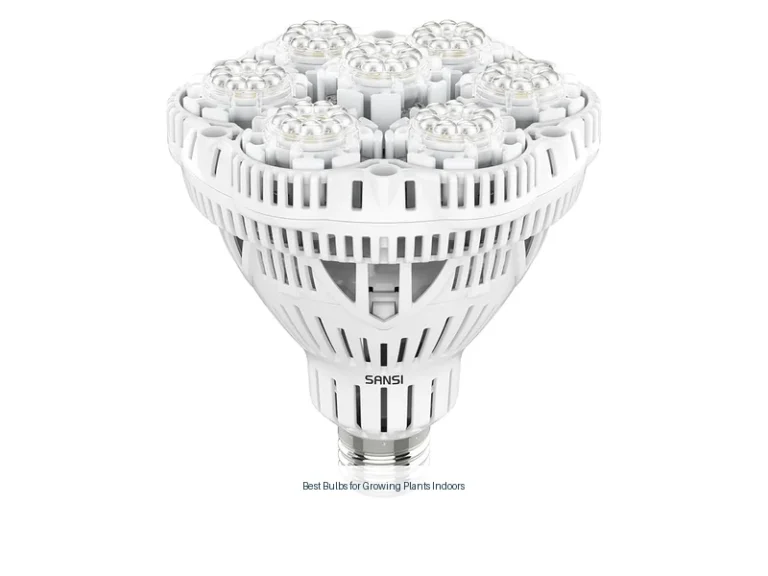
My second choice is SANSI Grow Lights. Its 36-watt output, 4000K daylight spectrum, 65.6 μmol/s PPF, ceramic heat management, and five-year protection plan make it appealing when reliable supplemental lighting matters more than having a built-in stand.
My third choice is Barrina T10 Vertical Grow Light. Barrina T10 Vertical Grow Light 4FT 42W Full Spectrum takes third place because its tall vertical format can illuminate a large plant from the side instead of concentrating light directly overhead. The 42-watt, 169-LED panel includes 660nm red wavelengths and is especially practical for a floor display with a mature monstera or several plants arranged together.
This guide compares all five options, explains their strengths and limitations, and then covers placement, brightness, timers, heat, maintenance, safety, and common mistakes. The goal is to help a beginner choose a light that fits the plant’s size, the room’s layout, and the amount of daily care they can realistically provide.
Best Grow Light for Monstera Albo
I selected these products for their direct usefulness to indoor monstera growers, including coverage, height, spectrum information, controls, installation, and practical compatibility. Customer-feedback evidence was also considered where available, while the final order favors different use cases and includes several brands rather than treating one style of lamp as suitable for every home.
| # | Image | Product | Price on Amazon |
|---|---|---|---|
| 1 |  |
Orchbloom Standing Grow Light | Check Price |
| 2 |  |
SANSI Grow Lights | Check Price |
| 3 |  |
Barrina T10 Vertical Grow Light | Check Price |
| 4 |  |
LBW Grow Light | Check Price |
| 5 |  |
FECiDA 76″ Floor Lamp Grow Light | Check Price |
Orchbloom Standing Grow Light
The Orchbloom is the most balanced choice in this group for a variegated monstera that has outgrown a small shelf lamp. Its 24-to-64-inch adjustable height gives the stand room to grow with the plant, and the 360-degree gooseneck lets you aim the light toward the leaves rather than wasting much of the output on a wall or nearby furniture.
Its 208 LEDs produce 2,000 lumens while drawing 25 watts, which gives this floor lamp useful coverage for a large monstera, bonsai, or a scattered collection of houseplants. The full-spectrum output is intended to support different stages of growth, and the eye-friendlier presentation is helpful when the light sits in a living room or beside a desk where people spend time.
The built-in timer is particularly useful for beginners. Five timing choices—4, 8, 12, 16, and 20 hours—allow a grower to establish a repeatable daily schedule without remembering to plug and unplug the lamp. The 16- and 20-hour options require pressing two controls together, so the setup is not quite as immediate as a simple single-button timer.
Pros
- Adjustable 24-to-64-inch height suits growing plants.
- 360-degree gooseneck supports targeted positioning.
- 2,000 lumens from 208 LEDs provides broad coverage.
- Five timer settings support consistent daily lighting.
- Plugs directly into a home outlet without an extra adapter.
Cons
- The tallest settings may require careful placement for stability.
- Some timer settings use combined button presses.
- A floor stand takes more room than a bulb or clip-on lamp.
My Opinion
This is the easiest all-around recommendation for a large albo owner who wants a complete, home-friendly floor setup. Leave enough space around the base, keep the light aimed at the foliage, and use the timer rather than relying on memory.
SANSI Grow Lights
SANSI takes a different approach from the standing lamps above: it is a 36-watt grow-light unit intended to be used with a suitable fixture or socket. That makes it less of an instant floor-lamp solution, but it can be a smart choice for a plant owner who already has a stable lamp, clamp fixture, or overhead setup that can safely accommodate it.
The 4000K daylight appearance covers the visible spectrum from 400nm to 780nm, and the listed color rendering index is close to 100. For an albo, that daylight presentation can make it easier to see leaf color, variegation, yellowing, or pest damage while still providing supplemental light for growth. The supplied figures list 65.6 μmol/s PPF and 265.58 μmol/s/m² PPFD at one foot, giving buyers more useful information than a vague “bright” claim.
Heat management is another important point. SANSI uses its Chip on Ceramic construction to reduce thermal resistance, while the ceramic body is listed as flame-retardant V0 and the shell carries WF2 anti-corrosion protection. It is also ETL listed and comes with a five-year protection plan according to the supplied data. Even with these protections, placement still matters: a 36-watt unit should not be pressed against leaves or enclosed where heat cannot escape.
Pros
- 4000K daylight spectrum is suitable for plant observation and growth support.
- Supplied PPF and PPFD figures make comparison easier.
- Ceramic construction is intended to improve heat handling.
- ETL listing and five-year protection plan add confidence.
- Compact format can work with an existing fixture.
Cons
- A separate compatible fixture or mounting solution may be necessary.
- It lacks the built-in stand and timer found on several alternatives.
- Close placement still requires attention to heat and coverage.
My Opinion
This is my preferred technical alternative when the buyer already has a safe, adjustable fixture. It is less convenient as a first purchase, but the documented light measurements and durable construction make it a credible option for a carefully planned setup.
Barrina T10 Vertical Grow Light
The Barrina T10 is best suited to a tall plant display where side illumination is more practical than a small overhead bulb. Its four-foot vertical format spreads light along the height of the plant, helping illuminate leaves that may sit below the top growth. That can be useful for a large monstera albo trained on a support pole or placed in a corner with limited ceiling access.
At 42 watts, the T10 is the highest-powered option in this comparison by stated wattage. Its 169 LEDs provide full-spectrum light, and the inclusion of 660nm red chips is intended to support plant needs across different growth stages. A listed CRI of 88 also helps the foliage appear more natural, which is valuable when monitoring variegation and checking whether leaves are developing normally.
The installation is straightforward: connect the stand to the light, plug it in, and turn it on. The package includes a tripod stand, two hanging clips, a hex wrench, and an installation manual, giving buyers more than one way to position the unit. The trade-off is that the available data does not list an automatic timer or dimming controls, so a separate outlet timer may be needed for a consistent schedule.
Pros
- Four-foot vertical design covers tall plants from the side.
- 42-watt output and 169 LEDs suit broad plant displays.
- 660nm red wavelengths complement the full-spectrum output.
- Includes a tripod, hanging clips, wrench, and manual.
- Tool-free assembly is simple for most indoor setups.
Cons
- A built-in timer is not listed in the supplied specifications.
- The vertical footprint may not suit narrow shelves or crowded rooms.
- Higher wattage can mean greater energy use than smaller lamps.
My Opinion
Choose the Barrina when your albo is tall, your room needs side lighting, or you want to illuminate several nearby plants. Add a compatible outlet timer if you want hands-free consistency, and leave sufficient distance so the strongest foliage is not pressed against the panel.
LBW Grow Light
LBW’s main advantage is control. The eight-inch halo panel is larger than many small plant lamps, and the stand adjusts up to 68 inches, making it suitable for a tall monstera, fiddle-leaf fig, banana tree, or other floor plant. A heavy-duty metal base with non-slip pads is intended to reduce tipping, which matters when a long gooseneck and broad panel are positioned beside an active household walkway.
The 108 LEDs cover a 380-to-800nm full-spectrum range with cool white, warm white, red, and blue LEDs. Rather than forcing one intensity for every plant, LBW provides three light modes—white, warm, and full spectrum—and five brightness levels from 20% to 100%. This is useful when a newly moved plant needs a gentler transition or when the lamp must serve plants with different light preferences.
The automatic cycle timer offers 4-, 8-, and 12-hour choices and turns the unit on and off at the same time each day once set. That is simpler than manually managing a cord, although the timer range is less flexible than the five-setting systems that extend to 16 or 20 hours. LBW also lists 12-month after-sales service and 30-day satisfaction support, which adds ownership context for buyers who want a basic support period.
Pros
- Large eight-inch panel offers broad, even coverage.
- Height adjusts up to 68 inches for tall plants.
- Three modes and five brightness levels improve flexibility.
- Automatic 4-, 8-, and 12-hour cycling is beginner-friendly.
- Metal base with non-slip pads supports stable floor placement.
Cons
- The timer does not list 16- or 20-hour settings.
- More controls can require extra adjustment during initial setup.
- Its floor stand needs room around the base.
My Opinion
LBW is a strong fit for a buyer who values dimming and positioning options more than maximum listed output. The large panel and tall stand are practical, while the shorter timer range is the main consideration for anyone seeking very long daily lighting periods.
FECiDA 76″ Floor Lamp Grow Light
FECiDA stands out for height and furniture-friendly presentation. Its adjustable 40-to-76-inch design can accommodate anything from a shorter houseplant to a tall monstera, and the stable base is intended to reduce tilting when the lamp is placed in a living room corner. The elegant floor-lamp format may appeal to someone who does not want a visibly technical plant fixture dominating the room.
The light uses 208 LEDs and provides 2,000 lumens, with the listing describing it as equivalent to a 200-watt incandescent lamp in brightness. Its full-spectrum arrangement combines 3000K, 5000K, 660nm, UV, and IR LEDs. That broad mix is presented as natural-sunlight-style illumination for indoor plants, though buyers should still judge the actual placement by how evenly the leaves are lit rather than by the spectrum label alone.
Five timer settings—4, 8, 12, 16, and 20 hours—make it easy to create a repeatable schedule. FECiDA also includes input and output sockets for daisy chaining up to three units while using one home outlet, which is useful for a small indoor jungle. The extra connection capability can reduce outlet clutter, but connected lamps should still be arranged safely and should not overload the home circuit.
Pros
- Height adjusts from 40 to 76 inches for changing plant sizes.
- Stable base is intended to reduce tilting.
- 2,000 lumens and 208 LEDs provide broad illumination.
- Five timer settings include long 16- and 20-hour choices.
- Daisy-chain function can simplify multi-lamp arrangements.
Cons
- The tallest configuration may be excessive for small plants.
- Daisy chaining requires careful cord management.
- The listing does not provide a detailed PPFD figure.
My Opinion
FECiDA is a practical choice for very tall plants or buyers who want a decorative floor lamp with long timer options. Its height and daisy-chain capability are compelling, but smaller rooms may benefit more from a shorter, more targeted unit.
How I Selected These Grow Lights for Monstera Albo
The selection emphasizes the factors that most directly affect a variegated monstera indoors: coverage, adjustability, spectrum information, controllable intensity, timer support, heat-conscious construction, and physical stability. Because albo leaves contain less chlorophyll in their white sections, a dependable lighting routine is especially important; however, more wattage alone does not automatically make a lamp better.
I also considered how much equipment a buyer receives. A complete standing lamp can be easier for a beginner than a bulb that needs a separate fixture, while a compact technical unit may be the better choice for someone who already owns suitable hardware. Customer feedback totals and ratings supplied for the products helped provide additional purchasing context, but they were not treated as proof that every home will get identical results.
For a large floor plant, coverage and positioning matter as much as the number printed on the box. A lamp that can be aimed evenly at the foliage is often more useful than a stronger lamp pointed at only one leaf.
Variegation does not mean an albo should be exposed to unlimited intensity. Start with a moderate position, watch the leaves, and adjust gradually rather than placing the lamp as close as possible on the first day.
How to Choose the Best Grow Light for Monstera Albo
The best grow light for monstera albo should match the plant’s size, the distance from the nearest window, and the way you intend to use the room. Before buying, think about whether you need a complete floor stand, a bulb for an existing fixture, a tall vertical panel, or a dimmable lamp that can be adjusted as the plant acclimates.
- Match coverage to the plant: A single compact source may not illuminate a wide, mature canopy evenly.
- Prioritize adjustment: Height, angle, and brightness controls make it easier to avoid harsh hotspots.
- Use a repeatable schedule: A built-in timer or compatible outlet timer reduces missed lighting days.
- Check the installation: Confirm whether the package includes a stand, fixture, mounting hardware, or only the light.
- Plan for safe spacing: Keep foliage, cords, and the lamp base clear of heat, water, and foot traffic.
Coverage and distance
Monstera leaves can spread widely, especially when the plant is climbing a moss pole or trellis. A narrow beam may brighten the nearest leaf while leaving the rest of the canopy in shade. Standing lamps with goosenecks allow more deliberate aiming, while vertical panels can spread light along the plant’s height.
Begin by positioning the lamp so the light reaches the majority of the foliage without touching the leaves. If only one section looks brightly illuminated and the outer leaves remain dim, raise or angle the lamp, rotate the pot periodically, or consider a second source. The goal is even supplemental lighting rather than one intense spot.
Brightness, spectrum, and controls
Wattage describes electrical consumption, not the exact amount of usable light reaching the plant. Lumens can help describe visible brightness, while PPFD and PPF are more directly useful for comparing horticultural output when those figures are supplied. Spectrum information is helpful too, but it should be considered alongside distance, coverage, and controls.
A dimmable lamp is valuable during acclimation or when the plant is close to the light. A fixed-output lamp can still work well, but its height may need to do all the intensity adjustment. For a variegated plant, the ability to make small changes is often more useful than choosing the most powerful setting immediately.
How to Set Up a Grow Light
Start by assembling the stand or fixture on a level surface and routing the cord away from water and walkways. Place the lamp beside the plant rather than directly over a dense canopy if that position gives more even coverage. Once the light is stable, set the timer and observe the plant for several days before making major changes.
First-day setup
- Inspect the cord, plug, stand, panel, and included hardware before connecting power.
- Choose a location with a stable base and enough clearance for leaves to move naturally.
- Position the light so it reaches the upper and middle portions of the plant.
- Begin with a moderate distance or brightness when the plant is new to supplemental lighting.
- Set the timer to turn on at a consistent time that fits the household routine.
For a bulb-style unit such as the SANSI, use only a fixture that is compatible with the lamp and rated appropriately. Do not improvise a loose socket, unstable clamp, or enclosed housing simply to get the light closer to the plant.
Creating a Consistent Lighting Schedule
Consistency is usually more helpful than constantly changing the settings. Choose a daily start time, allow the timer to repeat the cycle, and remember that the plant also benefits from a dark period. A lamp that stays on continuously is not automatically better and may make the room uncomfortable or disrupt the plant’s natural rhythm.
Timer choices differ among these products. Orchbloom and FECiDA offer 4-, 8-, 12-, 16-, and 20-hour settings, while LBW lists 4-, 8-, and 12-hour cycles. Barrina’s supplied information does not list an integrated timer, so an external outlet timer may be useful. SANSI’s supplied details likewise do not identify a built-in schedule control.
If a timer resets after a power interruption, check it rather than assuming the previous schedule remains active. A simple calendar reminder during the first week can help confirm that the lamp is turning on and off as intended.
Using Light with a Window
A grow light is usually supplemental rather than a complete replacement for every aspect of a bright indoor environment. A window can provide useful ambient light, but seasonal changes, blinds, cloudy weather, and the direction of the glass make natural exposure inconsistent.
Do not automatically place the lamp directly beside a hot, sunny window. The combined heat from glass and artificial light may stress foliage, especially when airflow is poor. Instead, check the leaves and room temperature, maintain reasonable clearance, and use the lamp to fill in darker periods or weaker areas.
Heat, Water, and Electrical Safety
LED grow lights generally produce less heat than traditional incandescent lamps, but every powered fixture still needs ventilation and safe placement. Keep the lamp away from splashing water, wet soil, misting spray, and drainage trays. Do not allow a long gooseneck or hanging cord to pull the stand toward the pot.
Use a grounded, suitable outlet and avoid crushing the cord under furniture. If using FECiDA’s daisy-chain function, connect only the number of units permitted by the product instructions and keep every connection accessible. A warm plug, damaged cord, flickering light, burning odor, or unusual noise is a reason to disconnect the unit and investigate before continued use.
How to Tell Whether the Setup Is Working
Watch new growth rather than judging the lamp after one day. Healthy progress may include steady leaf development, firm stems, and normal unfurling. The plant’s response also depends on watering, roots, humidity, nutrition, pests, and temperature, so a grow light cannot correct every care problem.
Signs that the light may be too intense or too close can include bleached-looking areas, crisp patches, excessive leaf curling, or unusual heat around the foliage. Signs that the plant may need more usable light can include stretched growth, long gaps between leaves, small new leaves, or persistent leaning toward the lamp. These symptoms can have other causes, so change one factor at a time.
Making adjustments gradually
Move the lamp a little higher, lower the brightness, or shorten the schedule if the foliage appears stressed. If growth is stretched and the leaves are consistently reaching toward the source, move the light closer in small steps or increase intensity modestly. Give the plant time to respond before making another adjustment.
Cleaning and Maintenance
Dust on a light panel can reduce the amount of light reaching the plant, while dust on leaves can also interfere with the foliage’s ability to use available light. Unplug the unit before cleaning. Wipe the lamp with a dry or barely damp soft cloth according to the product instructions, and never spray cleaner directly onto the LEDs, controls, plug, or power connection.
Check the stand, tripod, base, gooseneck, and hanging clips periodically. Tighten approved hardware if it loosens, but do not force a joint or modify the wiring. Keep the base free of soil and water, and inspect the timer occasionally to make sure its schedule has not changed.
Common Mistakes with Monstera Grow Lights
Most lighting problems come from treating the lamp as a set-and-forget object without considering distance, coverage, or the plant’s response. A strong product can still perform poorly if it is aimed at one leaf, left on all night, or placed where water regularly reaches the electrical components.
- Putting the lamp too close: Start with clearance and adjust gradually instead of pressing the panel against foliage.
- Using brightness as the only measure: A bright room does not guarantee even light across the whole canopy.
- Skipping the timer: Irregular schedules make it harder to understand how the plant is responding.
- Ignoring plant rotation: Turn the pot occasionally when one side receives much more light than the other.
- Overwatering after adding a lamp: More light may change drying speed, but watering should still follow soil and plant conditions.
- Blocking ventilation: Do not cover the panel, trap it behind curtains, or enclose a bulb in an unsuitable fixture.
- Forgetting the stand footprint: Measure the floor area before choosing a tall lamp for a narrow corner.
Compatibility and Room Planning
Before ordering, measure the distance from the floor or shelf to the top of the albo’s current leaves, then allow extra room for new growth. A lamp that is barely tall enough today may become awkward after the plant climbs. FECiDA reaches 76 inches, LBW reaches 68 inches, and Orchbloom adjusts to 64 inches, while Barrina’s four-foot vertical format offers a different side-lighting arrangement.
Also consider the visual character of the room. A decorative standing lamp may suit a living space, while a bulb-style light can disappear into an existing fixture. If several plants share one corner, broad coverage may be more efficient than buying a narrowly focused lamp for each pot, provided the light can be positioned evenly.
FAQS About Best Grow Light for Monstera Albo
What type of grow light is best for a monstera albo?
A full-spectrum LED with adjustable positioning and a consistent timer is a practical choice. The ideal format depends on the plant’s size: a standing lamp suits a large floor plant, while a compact bulb can work when a compatible fixture is already available.
How far should a grow light be from a monstera albo?
There is no single distance for every lamp because output and lens design differ. Start with the light far enough away that leaves are not heated or touched, then adjust gradually while watching for stretching, bleaching, curling, or crisp edges.
Can a grow light replace a window for monstera albo?
A suitable grow light can provide the supplemental illumination an indoor albo lacks, especially in a dim room or during darker seasons. The plant still needs appropriate watering, airflow, temperature, and general care, so lighting alone does not replace a healthy growing environment.
How long should a grow light run for monstera albo?
Use a consistent daily cycle rather than leaving the light on continuously. The appropriate schedule depends on intensity, distance, window light, and plant response. Timer options in this comparison range from 4 to 20 hours, so choose a moderate setting first and adjust as needed.
Is a 4000K grow light suitable for monstera albo?
Yes. The SANSI’s 4000K daylight output is intended to cover the visible spectrum and can provide a natural-looking supplemental light. Position and intensity still matter more than color temperature alone.
Does a variegated monstera need stronger light than a green monstera?
Variegated leaves contain less chlorophyll in their white sections, so the plant benefits from dependable bright, indirect or supplemental light. That does not mean maximum intensity is always safe; use gradual changes and monitor the leaves.
Which listed grow light is best for a tall monstera albo?
FECiDA offers the greatest listed height adjustment at up to 76 inches, while LBW reaches up to 68 inches and Orchbloom up to 64 inches. Barrina’s four-foot vertical format is another strong option when side illumination is preferred.
Final Thoughts
The best grow light for monstera albo depends on the plant’s height, room layout, and how much control you want. Orchbloom is my top all-around pick, SANSI is the technical alternative for an existing fixture, and Barrina is the strongest vertical option for tall displays. LBW suits buyers who want dimming flexibility, while FECiDA is ideal when maximum height and a decorative floor-lamp design matter most.

I’m Maya L. Greenwood, a lifelong plant lover who believes anyone can grow something beautiful with the right guidance. After years of testing soil mixes, pruning methods, irrigation tricks, and pest-safe solutions, I started EasyGardenTips.com to turn hard-won lessons into step-by-step advice. From seed starting and container gardens to composting and seasonal checklists, my goal is to make gardening simple, sustainable, and fun.