
Humidity plays a critical role in the drying process. When the air is too dry, moisture can be removed too quickly, which may affect the final quality and consistency of the material being dried. Maintaining a balanced humidity level allows for a slower, more controlled drying process.
Low humidity conditions are common in heated rooms, air-conditioned spaces, and dry climates where moisture evaporates faster than expected. By increasing humidity through controlled methods, you can create a more stable drying environment and prevent excessive moisture loss.
In this guide, I’ll explain how to raise humidity for drying, including the best ways to add moisture, adjust airflow, monitor conditions, and avoid common mistakes. Whether you are working with a small drying space or a larger environment, proper humidity control is key to achieving consistent results.
Why Is Humidity Important During the Drying Process?
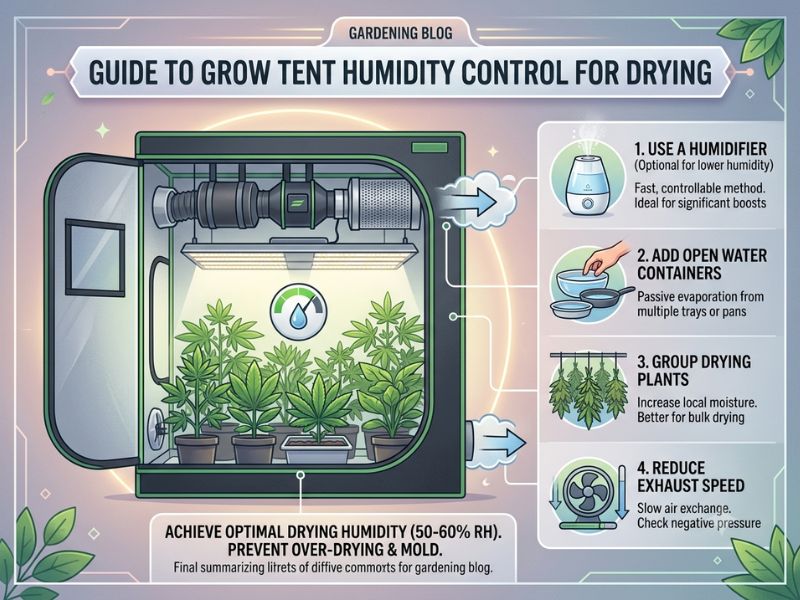
Humidity is one of the most important factors that affects how quickly moisture leaves a material during drying. The amount of water vapor in the surrounding air determines how fast evaporation occurs and whether the drying process happens evenly.
When humidity is too low, moisture can escape too quickly. This can lead to uneven drying, surface drying, or loss of desired qualities. When humidity is too high, drying may become slower because the air cannot absorb additional moisture efficiently.
Maintaining the right humidity level creates a more controlled drying environment and helps achieve more consistent results.
How Low Humidity Affects Drying
When the surrounding air is too dry, moisture is pulled out rapidly. Common effects of low humidity include:
- Faster-than-desired moisture loss
- Uneven drying
- Excessively dry surfaces
- Reduced consistency
The faster moisture leaves the material, the less control you have over the drying process.
How High Humidity Affects Drying
While increasing humidity can help slow drying, excessive moisture can create other challenges, including:
- Extended drying times
- Poor airflow conditions
- Increased risk of unwanted moisture buildup
- Difficulty maintaining consistent results
The goal is not to make the environment as humid as possible but to create the right balance for your specific drying needs.
The Relationship Between Temperature and Humidity
Temperature and humidity are closely connected. Warm air can hold more moisture, while cooler air holds less.
Changes in temperature can affect:
- Relative humidity readings
- Evaporation speed
- Drying time
For accurate control, always monitor both temperature and humidity together using reliable measuring equipment.
Monitor Humidity Before Making Adjustments
Before trying to raise humidity, measure the current conditions with a digital hygrometer or humidity meter. This helps determine whether you need a small adjustment or a more significant change.
Knowing your starting humidity level allows you to choose the most effective method without creating excessive moisture problems.
Use a Humidifier to Increase Humidity During Drying
The most effective way to raise humidity during the drying process is by using a humidifier. A humidifier adds controlled moisture to the air, allowing you to maintain a more stable environment instead of relying on temporary solutions.
This method is especially useful when the drying area is naturally dry due to heating systems, air conditioning, or low outdoor humidity.
Choose the Right Humidifier Size
The correct humidifier size depends on:
- Size of the drying area
- Current humidity level
- Room temperature
- Air circulation
- How much humidity needs to be added
A small humidifier may be enough for a small enclosed space, while larger drying rooms may require a higher-capacity unit.
Avoid using an oversized humidifier without proper monitoring because excessive humidity can slow the drying process and create moisture-related problems.
Types of Humidifiers for Drying Areas
Common humidifier options include:
Ultrasonic Humidifiers
These create a fine mist using high-frequency vibrations. They are popular because they operate quietly and can increase humidity quickly.
Evaporative Humidifiers
These use a fan and a wet wick or filter to add moisture naturally. They often provide more gradual humidity increases.
Cool Mist Humidifiers
These release moisture into the air without significantly increasing temperature, making them useful for many indoor drying environments.
Position the Humidifier Correctly
Proper placement helps distribute moisture evenly.
For better results:
- Place the humidifier away from the drying material.
- Allow airflow to spread moisture throughout the space.
- Avoid creating areas with excessive moisture.
- Keep electrical equipment protected from water exposure.
The goal is to increase overall humidity, not create a concentrated wet area.
Use a Humidity Controller for Better Accuracy
A humidity controller can automatically regulate the humidifier by turning it on when humidity drops and off when the desired level is reached.
Benefits include:
- More stable humidity levels
- Less manual adjustment
- Reduced risk of over-humidification
- Better control during long drying periods
A humidifier combined with accurate humidity monitoring is one of the most reliable ways to maintain consistent drying conditions.
Reduce Airflow to Prevent Excessive Moisture Loss
Air movement has a major impact on how quickly moisture leaves a drying environment. Strong airflow can speed up evaporation by continuously replacing moist air with drier air, which may cause humidity levels to drop faster.
Reducing unnecessary airflow can help retain moisture and create a more balanced drying environment.
Adjust Fans and Ventilation
If fans or ventilation systems are moving too much air, consider reducing their speed or adjusting their position.
Helpful adjustments include:
- Lowering fan speed when possible.
- Moving fans away from directly blowing across the drying area.
- Reducing unnecessary ventilation openings.
- Maintaining gentle air circulation instead of strong airflow.
The goal is to keep air moving without removing moisture too quickly.
Maintain Proper Air Exchange
While reducing airflow can help raise humidity, completely stopping ventilation is usually not recommended. Some air movement is still necessary to prevent stagnant conditions and maintain an even environment.
A balanced setup provides:
- Fresh air circulation.
- More stable humidity.
- Even moisture distribution.
- Better temperature control.
Too little airflow can create uneven conditions, while too much airflow can dry materials faster than intended.
Seal Unnecessary Air Leaks
Dry air entering the drying area can quickly reduce humidity. Check for areas where outside air may be entering, such as:
- Door gaps.
- Window leaks.
- Unused vents.
- Poorly sealed openings.
Reducing unwanted air exchange helps maintain the humidity created by your humidifier or other moisture sources.
Monitor Changes After Adjusting Airflow
After reducing airflow, check humidity levels regularly. Small changes in fan speed or ventilation can have a noticeable effect, especially in smaller enclosed spaces.
Use a digital hygrometer to track:
- Current humidity.
- Temperature changes.
- Daily humidity fluctuations.
Proper airflow management is about finding the right balance. Reducing excessive air movement can help raise humidity naturally while still maintaining a healthy drying environment.
Add Open Water Sources to Increase Humidity
Adding open water sources is one of the simplest ways to raise humidity in a drying area. As water evaporates, it increases the amount of moisture in the air and can help create a more balanced environment.
This method works best when humidity only needs a small increase. For larger humidity adjustments, a humidifier provides more precise control.
Use Water Trays or Containers
Placing open containers of water in the drying space allows moisture to evaporate naturally.
For better results:
- Use wider containers with more surface area.
- Place containers where air can move around them.
- Use multiple smaller containers if needed.
- Refill water as it evaporates.
A shallow tray usually releases moisture faster than a deep container because more water is exposed to the air.
Improve Evaporation With Air Movement
Gentle airflow can help distribute moisture from water containers throughout the space. However, strong airflow can remove humid air too quickly and reduce the effectiveness of this method.
Maintain:
- Light air circulation.
- Even moisture distribution.
- No direct strong airflow across the water source.
The goal is to spread humidity, not accelerate evaporation excessively.
Keep Water Sources Clean
Standing water can collect dust and develop unwanted odors over time. Regular maintenance helps prevent these issues.
Follow these practices:
- Replace water regularly.
- Clean containers frequently.
- Avoid spills near equipment.
- Remove any buildup inside containers.
Clean water sources help maintain a healthier drying environment.
Understand the Limitations of Water Containers
While water trays are affordable and easy to use, they have limitations:
- They provide less control than a humidifier.
- Humidity increases may be slow.
- Results depend on room temperature and airflow.
- Larger spaces may require multiple moisture sources.
For small humidity adjustments, open water containers can be effective. For precise humidity management, combining water sources with a hygrometer and humidity controller provides better results.
Use a Humidity Controller for Precise Drying Conditions
A humidity controller is one of the best tools for maintaining consistent moisture levels during the drying process. Instead of manually adjusting humidifiers or ventilation throughout the day, a controller automatically monitors humidity and manages connected equipment.
This helps prevent large humidity fluctuations and creates a more stable drying environment.
How a Humidity Controller Works
A humidity controller uses a sensor to measure the relative humidity in the drying area. You set your desired humidity range, and the controller automatically activates or deactivates equipment based on the readings.
For example:
- When humidity drops below the set level, it turns on a humidifier.
- When humidity reaches the desired range, it turns the humidifier off.
Some advanced controllers can also manage fans, ventilation systems, or dehumidifiers for more complete environmental control.
Benefits of Using a Humidity Controller
A controller provides several advantages:
- Maintains stable humidity levels automatically.
- Reduces the need for constant manual adjustments.
- Prevents humidity from dropping too low.
- Helps avoid excessive moisture buildup.
- Provides better control during long drying periods.
Stable humidity is especially important when environmental conditions change throughout the day.
Place the Humidity Sensor Correctly
Sensor placement affects accuracy. Avoid placing the sensor:
- Directly beside a humidifier output.
- Near heating sources.
- Against walls or corners with poor air movement.
- In areas that do not represent the actual drying environment.
For more accurate readings, place the sensor in the same area where the drying process is occurring.
Combine a Controller With Other Humidity Methods
A humidity controller works best when combined with:
- A properly sized humidifier.
- Reliable airflow management.
- A digital hygrometer.
- Regular environmental monitoring.
The controller does not increase humidity by itself—it automates the equipment responsible for adding moisture and helps maintain consistent conditions.
For anyone who needs reliable humidity management, a controller is a valuable upgrade that improves precision and reduces the risk of sudden environmental changes.
Monitor Temperature Along With Humidity During Drying
Temperature and humidity are closely connected, and changes in one can significantly affect the other. When trying to raise humidity during drying, monitoring temperature is essential because an incorrect temperature can make humidity control more difficult.
A balanced combination of temperature and humidity helps create more consistent drying conditions.
How Temperature Affects Humidity
Relative humidity changes as temperature changes.
For example:
- Warmer air can hold more moisture, which may lower relative humidity readings.
- Cooler air holds less moisture, which can increase relative humidity.
- Sudden temperature changes can cause humidity levels to fluctuate.
Because of this relationship, increasing humidity without considering temperature may not produce the results you expect.
Avoid Excessive Heat
High temperatures can increase evaporation and cause moisture to leave the drying environment faster.
To maintain better humidity:
- Keep temperatures stable.
- Avoid unnecessary heat sources.
- Improve insulation if the area is affected by outside temperature changes.
- Monitor conditions throughout the day.
A stable temperature makes it easier to maintain consistent humidity.
Use a Combined Temperature and Humidity Monitor
A digital thermometer-hygrometer allows you to track both conditions at the same time.
A good monitoring device helps you identify:
- Humidity drops caused by temperature increases.
- Daily environmental changes.
- Problems with airflow or ventilation.
- Whether adjustments are working effectively.
Place the monitor in the same area where drying is taking place for more accurate readings.
Make Gradual Environmental Adjustments
Large changes in temperature or humidity can make drying inconsistent. Instead of making sudden adjustments:
- Change one factor at a time.
- Monitor results before making further changes.
- Maintain stable conditions whenever possible.
Successful drying depends on controlling the entire environment, not just humidity alone. Managing temperature alongside moisture levels helps create a more predictable and controlled drying process.
Common Mistakes When Trying to Raise Humidity for Drying
Increasing humidity during drying requires careful control. Many people make mistakes by adding too much moisture or changing airflow without considering the overall environment. These mistakes can create unstable conditions and affect the drying process.
Understanding what to avoid helps you maintain better humidity control.
Raising Humidity Too Quickly
A sudden increase in humidity can create an unbalanced environment. Adding too much moisture at once may cause condensation and slow the drying process more than expected.
Better approach:
- Increase humidity gradually.
- Make small adjustments.
- Monitor humidity changes regularly.
- Allow time for the environment to stabilize.
Slow adjustments provide better control and more consistent results.
Using Too Much Water Without Monitoring
Adding multiple water containers or excessive moisture sources without checking humidity levels can cause humidity to rise too high.
Problems from excessive humidity may include:
- Slower drying.
- Uneven moisture levels.
- Condensation buildup.
- Poor air quality.
Always use a hygrometer to measure actual humidity instead of relying on how the room feels.
Reducing Airflow Too Much
While lowering airflow can help retain humidity, restricting ventilation too much can create other problems.
Insufficient airflow may lead to:
- Uneven drying conditions.
- Stagnant air.
- Temperature fluctuations.
- Excess moisture in certain areas.
The goal is controlled airflow, not eliminating air movement completely.
Placing Humidifiers Incorrectly
Poor humidifier placement can create uneven moisture distribution.
Avoid:
- Directly blowing mist onto the drying material.
- Placing the humidifier too close to sensitive areas.
- Creating wet spots from concentrated moisture.
Allow moisture to spread naturally through gentle air circulation.
Ignoring Temperature Changes
Many people focus only on humidity and forget that temperature affects moisture levels.
Temperature changes can:
- Increase evaporation speed.
- Change humidity readings.
- Make conditions harder to maintain.
Monitor both temperature and humidity together for better control.
Not Checking Humidity Regularly
Humidity can change throughout the day due to temperature shifts, ventilation changes, and environmental conditions.
Regular monitoring helps you:
- Identify problems early.
- Make accurate adjustments.
- Maintain stable drying conditions.
Avoiding these mistakes allows you to raise humidity more effectively while keeping the drying environment controlled and consistent.
How to Maintain Stable Humidity During Drying
Raising humidity is only part of the process. The most important goal is maintaining a stable humidity level throughout the drying period. Frequent humidity changes can make drying inconsistent and may affect the final results.
A controlled environment requires regular monitoring, proper equipment, and small adjustments when needed.
Use a Reliable Hygrometer
A digital hygrometer is essential for tracking humidity levels accurately. It helps you understand how conditions change over time and whether your adjustments are working.
For better readings:
- Place the hygrometer near the drying area.
- Keep it away from direct airflow.
- Avoid placing it near humidifier output.
- Check readings at different times of the day.
A reliable humidity reading allows you to make informed decisions instead of guessing.
Maintain Consistent Air Circulation
Air circulation helps distribute moisture evenly throughout the drying area. However, excessive airflow can remove humidity too quickly.
Aim for:
- Gentle, consistent air movement.
- Even moisture distribution.
- No strong airflow directly across the drying material.
Balanced airflow prevents areas that are too dry or too humid.
Adjust Humidity Gradually
Environmental changes should be made slowly. Large adjustments can cause unstable conditions and make it difficult to maintain the desired humidity level.
A good approach is:
- Check current humidity.
- Make a small adjustment.
- Wait for the environment to stabilize.
- Measure again.
This allows you to understand how each change affects the drying space.
Prepare for Daily Humidity Changes
Humidity often changes naturally throughout the day because of:
- Temperature fluctuations.
- Heating or cooling systems.
- Changes in ventilation.
- Outdoor weather conditions.
Monitoring these patterns helps you prepare adjustments before humidity becomes too high or too low.
Maintain Equipment Regularly
Humidity control equipment works best when properly maintained.
Regular maintenance includes:
- Cleaning humidifiers.
- Checking water containers.
- Inspecting fans and ventilation systems.
- Replacing filters when necessary.
Well-maintained equipment provides more reliable humidity control.
Maintaining stable humidity requires consistency rather than constant adjustments. By monitoring conditions, controlling airflow, and making gradual changes, you can create a more predictable drying environment.
Frequently Asked Questions About Raising Humidity for Drying
What is the easiest way to raise humidity for drying?
The easiest way to increase humidity is by using a humidifier. A humidifier provides controlled moisture and allows you to maintain a more stable environment. For small increases, open water containers or reducing excessive airflow may also help.
How can I raise humidity without a humidifier?
You can increase humidity without a humidifier by using simple methods such as:
- Adding open water trays.
- Reducing unnecessary ventilation.
- Sealing air leaks.
- Maintaining a stable temperature.
- Using moisture sources that naturally release water vapor.
These methods work best when only a small humidity increase is needed.
How quickly can humidity be increased?
The speed depends on the size of the drying area, current humidity level, temperature, and moisture source. A humidifier can increase humidity quickly, while natural methods like water trays usually take longer.
It is better to increase humidity gradually rather than making sudden changes.
Why does humidity drop during drying?
Humidity may drop because of:
- Dry surrounding air.
- Strong ventilation.
- High temperatures.
- Air leaks.
- Excessive airflow.
Identifying the reason for low humidity helps you choose the right solution.
Can airflow reduce humidity during drying?
Yes. Strong airflow removes moist air and replaces it with drier air, which can lower humidity levels. Reducing fan speed or adjusting ventilation can help retain more moisture while still maintaining proper air circulation.
How do I measure humidity during drying?
Use a digital hygrometer or thermometer-hygrometer to monitor humidity and temperature. Place the device near the drying area for the most accurate reading.
Regular monitoring helps you maintain stable conditions and avoid excessive moisture changes.
Should I keep the drying area completely closed?
No. Completely sealing a drying area can create stagnant air and uneven conditions. Controlled airflow is important for maintaining a balanced environment.
The goal is to reduce unnecessary moisture loss while allowing enough air movement.
Can high humidity damage the drying process?
Yes. Excessive humidity can slow drying and create moisture-related problems. The ideal humidity level depends on what is being dried and the desired outcome.
Always monitor humidity rather than adding moisture without measurement.
Conclusion
Raising humidity for drying requires a balanced approach. The most effective methods include using a humidifier, controlling airflow, adding moisture sources, and monitoring temperature and humidity levels regularly.
The key is maintaining stable conditions rather than simply increasing moisture as much as possible. With proper humidity control, airflow management, and accurate monitoring, you can create a more consistent and predictable drying environment.

I’m Maya L. Greenwood, a lifelong plant lover who believes anyone can grow something beautiful with the right guidance. After years of testing soil mixes, pruning methods, irrigation tricks, and pest-safe solutions, I started EasyGardenTips.com to turn hard-won lessons into step-by-step advice. From seed starting and container gardens to composting and seasonal checklists, my goal is to make gardening simple, sustainable, and fun.