5 Best Black Mulch for a Rich, Dark Look in Beds
Buy the wrong black mulch and your flower bed can look patchy, fade into a dull gray, or wash away after a few hard storms. A poor size match can also leave you lugging far more material than needed, while too little mulch means weeds still poke through and the job has to be redone.
The main choice is between compressed coir, ordinary shredded wood, and small-volume mulch for pots or tiny beds. Coverage, application depth, moisture retention, color, and the amount you can comfortably move matter more than a fancy label.
Here’s what the comparison helps you sort out:
- Which mulch fits a small planter, a flower border, or a wide yard.
- How much material a stated bag size may cover at a practical depth.
- Why black mulch can help with moisture and weeds without replacing watering or weeding.
- How to spread, maintain, and refresh a dark mulch layer without harming plant stems.
Quick Picks
-
Best For Easy Carrying and Storage

PlantBest Coco Mulch Compressed Block 9.1 lb
A 9.1-pound compressed block expands with water, helping gardeners cover beds without hauling bulky mulch bags.
-
Best For Large Landscaping Projects

Black Wood Shredded Bagged Mulch 2 cu.
Thirty-five bagged loads cover broad beds, while shredded wood helps retain moisture and discourage weed seed germination.
Top 5 Black Mulches at a Glance
PlantBest suits buyers who want lightweight storage and a simple expansion process, while Waterpallets and CountryMax make more sense for broad beds that need ordinary wood mulch. GARDENWISE covers a flexible middle ground, and Gardenera is aimed at small containers or limited planting areas, so volume and handling separate these choices most clearly.
| Product image | Product name | Check product |
|---|---|---|
| 1 |
PlantBest Coco Mulch Compressed Block 9.1 lb | Check Price |
| 2 |
Black Wood Shredded Bagged Mulch 2 cu. | Check Price |
3 |
GARDENWISE Premium Black Wood Mulch for Landscaping, | Check Price |
4 |
CountryMax Midnite Black Premium Hardwood Mulch, 2 | Check Price |
5 |
Organic Black Mulch by Gardenera – Boost | Check Price |
5 Best Black Mulches: Detailed Reviews
When I chose the best black mulch, I looked at material, coverage, handling, moisture support, and weed control because those details decide whether a bed stays tidy or becomes another weekend chore. I also paid attention to stated sizes and depths, since a bag can sound generous until you spread it over a wide border.
The group covers a compressed coconut-coir block, large bagged wood supplies, standard hardwood mulch, and a small two-quart bag. Comparing those formats side by side helps you match the material to the job before you pay for too much, too little, or something awkward to move.
1. PlantBest Coco Mulch Compressed Block 9.1 lb
A 9.1-pound compressed block expands with water, helping gardeners cover beds without hauling bulky mulch bags.
- ColorBlack
- WeightNot listed; check details
- DimensionsNot listed; check details
- MaterialNot listed; check details
PlantBest Coco Mulch suits gardeners who want a dark mulch layer without carrying a stack of heavy bags.
Compressed coir saves storage space
The PlantBest block is compressed coconut coir, made from coconut fibers and husk chips pressed into a compact shape. Add water and the block expands in minutes into approximately 16 gallons, or 60 liters, of ready-to-use material.
That format matters when you have limited storage, a small vehicle, or a back that objects to heroic lifting. A compressed block takes up less room before use, then gives you a loose mulch layer you can rake around beds, borders, walkways, trees, and plants.
The listing states that one 9.1-pound block covers up to 17.5 square feet at a 1.5-inch depth. Measure the bed before buying, because coverage changes when you spread mulch deeper or try to stretch it across a larger area.
Moisture stays near the roots
Coconut coir naturally absorbs and holds water, then releases some moisture back toward the soil as conditions change. That can reduce how quickly the surface dries, which is useful around plants that suffer when watering gets skipped.
The fibers and husk chips also interlock into a cohesive layer. That helps the mulch resist washout on slopes or uneven ground, although heavy rain can still move any loose material.
PlantBest lists the material as 100% renewable coconut coir and says the mulch can last up to two seasons. Those claims describe the material and expected use, not a promise that every garden will look unchanged for that long, so check the layer after storms and seasonal weather.
Pros:
- Compressed shape, easier storage before expansion.
- 9.1-pound block, simpler to carry than bulky bags.
- Expands to approximately 16 gallons with water.
- Covers up to 17.5 square feet at 1.5 inches.
- Interlocking fibers, better resistance to washout.
Cons:
- Requires water and expansion before spreading.
- Stated coverage is limited for very large beds.
- Coir texture differs from ordinary shredded hardwood.
Buy it if: you need a dark mulch layer for a modest bed and want a lightweight block that expands into approximately 16 gallons.
Skip it if: you need truckloads of familiar wood mulch for a broad landscape, because a compressed coir block would require too many separate blocks. For another fit, consider Black or Gardenwise.
What I like here is the practical handling advantage. PlantBest Coco Mulch earns the top rank because the 9.1-pound format solves a problem beginners often notice only after the garden-center trip: mulch is heavy, awkward, and surprisingly good at filling every spare corner of a car.
The stated 1.5-inch depth and 17.5-square-foot coverage make the math easier for a small project. I’d double-check the bed dimensions and the amount of water needed for expansion before buying, then choose PlantBest for raised beds, borders, slopes, or anyone who values easier storage over a traditional wood texture.
2. Black Wood Shredded Bagged Mulch 2 cu.
Thirty-five bagged loads cover broad beds, while shredded wood helps retain moisture and discourage weed seed germination.
- ColorBlack
- WeightNot listed; check details
- DimensionsNot listed; check details
- MaterialNot listed; check details
Waterpallets Black Wood Mulch is aimed at large landscaping jobs where a single bag or two would barely make a dent.
A half pallet handles broad beds
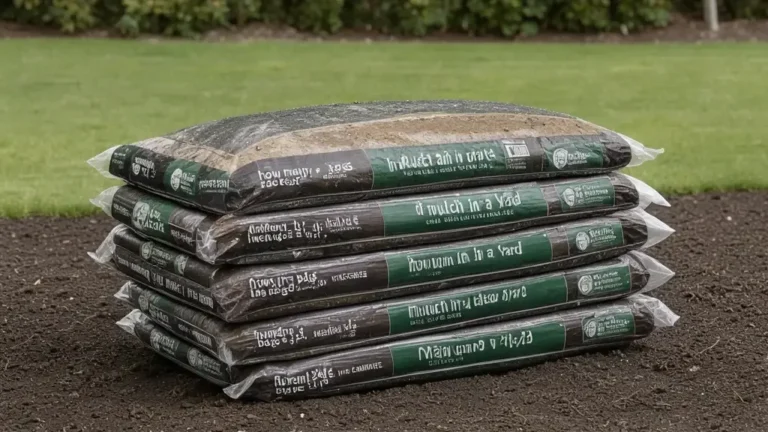
The package contains 35 bags of black shredded wood mulch. Each bag weighs 39 pounds and covers 8 square feet at a 3-inch depth, according to the listing.
That is a serious amount of material, so this format makes sense when several beds, long walkways, or a large property need fresh coverage. It also means you need a delivery and storage plan, because 35 heavy bags are not a casual afternoon purchase.
For beginners, the stated coverage gives a useful starting point. Multiply the number of bags by the stated 8-square-foot coverage, then allow extra room for irregular edges, settling, and areas where the layer needs to be even.
Shredded wood supports a familiar finish
Shredded wood creates the loose, garden-bed texture many people expect from landscape mulch. The deep black color can add contrast around green leaves, flowers, edging, and pale walkways.
The listing says the wood mulch aids moisture retention and discourages weed seed germination. Mulch does not stop established weeds from growing through a thin layer, so clear the bed first and spread the material evenly.
A 3-inch layer provides more coverage than a skimpy dusting, but keep the mulch away from trunks and plant stems. A little open space around the base lets you water and inspect the plant without creating a damp collar.
Pros:
- Thirty-five bags, suited to large landscaping areas.
- 39-pound bags, clear handling requirement before ordering.
- Covers 8 square feet per bag at 3 inches.
- Shredded wood, familiar texture for garden beds.
- Deep black color, stronger contrast around plants.
Cons:
- Heavy bags can be difficult to move alone.
- Half-pallet quantity may exceed a small garden’s needs.
- Requires dry storage or prompt spreading after delivery.
Buy it if: you are covering multiple broad beds and can handle 35 bags of 39-pound shredded wood mulch.
Skip it if: your project is a few containers or one narrow border, because a half pallet would leave you with far more material than the space needs. Plantbest and Gardenwise are worth a closer look instead.
I’d pick Waterpallets for a property-wide refresh where buying small bags would become expensive and slow. The stated coverage makes planning more concrete, and the ordinary shredded-wood texture fits the look most people expect around shrubs and flower beds.
My hesitation is the physical workload. Confirm that the 35-bag quantity, delivery arrangement, and storage space fit your project before ordering, then choose the Waterpallets half pallet when broad coverage matters more than easy handling.
3. GARDENWISE Premium Black Wood Mulch for Landscaping,
The catalog lists 🌟 Perfect for Every Project: Whether you’re enhancing the beauty of a single potted plant or tackling large-sc. Compare fit and care needs before choosing.
- ColorBlack Wood Mulch
- Size2 CF – 56 L – 60 QTS
- Number Of Items2
- WeightNot listed; check details
GARDENWISE Premium Black Wood Mulch fits buyers who want a standard-size black wood mulch option for garden beds, patios, pots, or mixed projects.
A flexible volume for several garden uses
GARDENWISE is listed as 2 CF, 56 liters, and 60 quarts. Those are different volume labels for the stated package size, so the listing gives you several ways to compare the amount with other mulch sold by cubic feet, liters, or quarts.
The brand describes this mulch for indoor plants, patios, garden beds, pathways, and potted plants. That broad use description makes the bag appealing when your project does not fit one neat category, though a large yard may need more than one package.
A flexible mulch such as this is easiest to plan after measuring each area. Keep container work separate from landscape work on your sketch so you do not accidentally use most of the bag on one decorative pot and come up short at the bed.
Moisture and temperature support
Mulch is a loose surface layer that covers soil without becoming part of the plant itself. GARDENWISE says the layer helps retain moisture and stabilize soil temperature, which can reduce rapid drying and soften temperature swings around roots.
The same layer can act as a physical barrier against some weed growth. It will not replace hand removal of existing weeds, and thin or uneven coverage leaves easy gaps for new growth.
GARDENWISE also emphasizes texture and contrast for indoor planters, pathways, and outdoor spaces. If you use wood mulch near an indoor plant, check the container’s drainage and avoid piling material against the stem, where excess moisture can create trouble.
Pros:
- 2 CF, 56 L, and 60 QT volume labels.
- Black wood mulch, consistent decorative appearance.
- Suitable for beds, patios, pathways, and pots.
- Moisture retention, fewer rapid dry-outs at the surface.
- Temperature support, steadier conditions around roots.
Cons:
- One stated package may not cover a large yard.
- Broad use claims require careful depth and placement.
- Container use needs good drainage and stem clearance.
Buy it if: you want a 2 CF bag of black wood mulch for a mix of beds, patio planters, or smaller landscape areas.
Skip it if: you need a measured supply for a very large property, because a single 2 CF package may require repeated ordering and spreading. If those trade-offs rule it out, Plantbest or Black may suit you better.
To me, the smartest feature is the clear 2 CF, 56-liter, 60-quart size. GARDENWISE earns its place because the volume is easier to compare with other bags, while the stated indoor and outdoor uses give it room to serve more than one part of a property.
I would verify how many packages your measured area needs and keep the mulch away from plant crowns. Choose GARDENWISE when you want ordinary black wood mulch with a flexible size rather than a compressed block or a full pallet.
4. CountryMax Midnite Black Premium Hardwood Mulch, 2
The catalog lists [MULTIPURPOSE LANDSCAPING MULCH]: Ideal mulch for landscaping, garden beds, flower borders, trees, shrubs, and. Compare fit and care needs before choosing.
- ColorBlack Premium Hardwood
- Size2 Cu. Ft
- [MIDNITE BLACK COLOR]Rich black hardwood mulch creates bold contrast and a clean, finished landscape appearance
- WeightNot listed; check details
CountryMax Midnite Black Premium Hardwood Mulch suits gardeners who want a traditional hardwood layer for beds, borders, trees, shrubs, and pathways.
Hardwood gives the bed a finished texture
CountryMax is listed as natural shredded hardwood mulch in a 2-cubic-foot size. Shredded hardwood spreads across soil with a familiar landscape texture, helping a bed look finished instead of bare between plants.
The deep black color creates contrast around green foliage and flowers. Color is partly a style decision, so look at nearby siding, edging, stone, and plant colors before choosing a dark surface.
The product description names flower borders, trees, shrubs, pathways, and garden beds as uses. Those areas differ in shape, so rake the mulch into an even layer rather than judging the amount by the top of the pile.
Moisture and weed support
A mulch layer helps slow moisture loss from exposed soil. CountryMax also describes the hardwood as helping insulate soil, which means the surface layer can reduce some rapid temperature changes around plant roots.
CountryMax says the mulch helps reduce weed growth by creating a protective layer. That benefit depends on enough material being present and on removing established weeds first, since a few scattered chips will not block light across the whole bed.
Airflow still matters. Leave a small gap around trunks and stems, and do not bury low branches or cover plant crowns while trying to make the bed look extra dark.
Pros:
- 2-cubic-foot package, familiar landscape volume.
- Shredded hardwood, natural texture for beds and paths.
- Deep black color, strong visual contrast.
- Helps retain soil moisture between waterings.
- Helps regulate soil temperature around roots.
Cons:
- Hardwood mulch is heavier and bulkier than coir.
- Coverage depends on the depth you spread.
- Dark color may not suit every house or planting style.
Buy it if: you want a 2-cubic-foot hardwood mulch for trees, shrubs, pathways, or traditional flower beds.
Skip it if: you need compact storage or easy carrying, because a standard hardwood bag is less convenient than a compressed mulch block.
CountryMax makes sense for the gardener who wants a straightforward hardwood appearance without a complicated format. The 2-cubic-foot size is familiar, and the listed uses cover most outdoor places where people normally spread mulch.
I’d check the amount needed for each bed and decide whether the deep black tone fits the surrounding hardscape. Pick CountryMax when a standard shredded-hardwood layer matters more than compact shipping or a small container-sized bag.
5. Organic Black Mulch by Gardenera – Boost
The catalog lists 🌱 Enhances Soil Moisture Retention: 💧 Black Mulch Cover by Gardenera helps plants conserve moisture, reducing . Compare fit and care needs before choosing.
- ColorBlack Mulch
- Size2 Quart Bag
- 🌈 Long-Lasting Color🎨 The vibrant black color of the mulch lasts for an extended period, adding visual appeal and enhancing the overall
- WeightNot listed; check details
Gardenera Organic Black Mulch is the smallest-volume choice here, aimed at a container, a small planting area, or a modest decorative touch.
The two-quart bag fits small jobs
Gardenera comes in a 2-quart bag. Quarts measure volume, not weight, so this package should be viewed as a small amount of mulch rather than compared directly with a 2-cubic-foot landscape bag.
That size can be useful when you have one potted plant, a narrow planter, or a tiny garden section that does not justify a large supply. It also limits the area you can cover, especially if you want a useful layer instead of scattering a thin handful over the soil.
Measure the surface before buying and remember that containers need clear drainage holes. Mulch should cover the soil surface without blocking water from leaving the pot.
A protective surface layer
Gardenera describes the mulch as helping retain moisture, reduce weed growth, and buffer plants from wind, sun, rain, and temperature changes. Those are normal reasons to mulch, especially when bare soil dries quickly or splashes onto leaves during watering.
The brand also describes a dark color that lasts for an extended period. Color longevity depends on sunlight, rainfall, handling, and the location of the mulch, so treat the color statement as a reason to consider the bag, not a guarantee of a fixed season.
The small volume makes placement easier around a single plant. Spread a thin, even layer, keep the plant crown visible, and check the soil beneath the mulch before watering again.
Pros:
- 2-quart bag, appropriate for small projects.
- Black mulch, adds contrast around plants.
- Helps retain moisture near the soil surface.
- Helps suppress weed growth in covered areas.
- Helps buffer soil from weather changes.
Cons:
- Small volume cannot cover broad landscape beds.
- Quart measurement does not state weight or area coverage.
- Requires careful placement around container drainage holes.
Buy it if: you need a small amount of black mulch for a pot, narrow planter, or limited planting area.
Skip it if: you are refreshing a full flower bed, because a 2-quart bag would run out long before broad coverage was complete.
Gardenera earns a place for solving the opposite problem from Waterpallets. The 2-quart size keeps a small project from forcing you to store a large leftover supply, and the stated moisture and weed benefits fit the basic job of a protective soil cover.
I would double-check the actual surface area you want to cover because no coverage depth is listed. Choose Gardenera for a small container or accent area, not as the main supply for a yard-wide mulch refresh.
How to Choose the Best Black Mulch
The best black mulch depends first on the area you need to cover, the depth you want, and how much weight you can move. Start with measurements, then choose between coir, shredded wood, hardwood, and small-volume mulch based on handling and garden use.
Measure the bed before shopping
Measure length and width for a simple rectangular bed, then multiply those numbers to get square feet. For an irregular bed, split the space into smaller rectangles or estimate several sections and add them together.
Coverage depends on depth. A shallow layer uses less material but may leave soil visible, while a deeper layer offers more consistent coverage and can better slow moisture loss.
For a product with a stated depth, use the listed coverage as your starting point. Waterpallets states 8 square feet per bag at 3 inches, while PlantBest states up to 17.5 square feet at 1.5 inches, so those figures are not interchangeable.
Choose material by handling and texture
Coconut coir is made from coconut fibers and husk chips, then compressed in the PlantBest block. Wood mulch has a more familiar shredded or hardwood appearance and is usually purchased loose in bags.
Coir can be easier to store before expansion, while a pallet of wood mulch demands space and physical effort. If your garden is close to the driveway, heavy bags may be manageable, but a raised bed at the back of the yard changes the calculation.
Garden style matters too. A dark wood surface looks formal and traditional, while coir has its own fibrous texture that may appeal to a more natural planting area.
Match volume to the job
A 2-quart bag is a small-project choice, not a practical supply for a long border. A 2-cubic-foot bag gives more room for a bed or several containers, but you still need to calculate the total surface area.
The GARDENWISE package lists 2 CF, 56 L, and 60 QTS, which gives useful comparison points. The CountryMax bag lists 2 Cu. Ft., while Gardenera lists 2 Quart Bag, so these choices occupy very different volume tiers.
If you are unsure about color, what color mulch is best is a useful question to settle before ordering. Black may make green foliage pop, but a dark surface can also draw attention to bare patches and uneven spreading.
Think about sunlight and color
Black mulch creates a strong visual frame around flowers, shrubs, and ornamental grasses. In a sunny yard, color can change with weather, dust, rain, and exposure, so no black mulch should be treated as permanently unchanged.
If holding a dark color through a sunny season matters most, read advice about mulch that holds color before deciding. A product’s color description tells you how it is presented, not exactly how the surface will look after months outdoors.
Also check the surrounding colors. Pale stone, light siding, green leaves, and bright flowers can contrast sharply with black mulch, while dark edging may make the bed look visually heavy.
Check what the listing does not say
A product may state color and volume without stating weight, coverage, ingredients, or application depth. Do not fill those gaps with guesses, especially when comparing a quart bag with a cubic-foot bag.
Look for the exact package size, stated coverage, material, delivery quantity, and any care instructions. If a term such as organic appears in a product name, treat that wording as a description rather than independent proof of certification.
For sunny beds, it also helps to separate color preference from fade resistance. Advice about black mulch that resists fading can help you frame the question, while the final choice should still match your coverage and material needs.
Consider whether you need a color refresh
Faded mulch does not always need to be removed. If the layer is still deep enough, free of trash, and not mixed heavily with soil, a compatible surface refresh may be simpler than starting over.
A dye is different from fresh mulch. It changes the appearance of existing material, so read guidance about black mulch dye options only if refreshing color is part of the plan.
Do not use a color product as a substitute for fixing poor drainage, thin coverage, exposed roots, or weeds that have already taken hold.
Decide whether hardwood is the right wood type
Hardwood mulch is a common landscape choice because shredded pieces create a familiar surface around beds, trees, shrubs, and paths. The actual appearance depends on the cut, moisture, age, and surrounding landscape.
If wood type matters to your garden or you want a specific look, read about black cedar mulch separately. Cedar, hardwood, and coir are not the same material, and a color match does not make them interchangeable.
How to Use Black Mulch for the Best Results
Clear weeds, water the soil, and spread an even layer while leaving space around plant stems and trunks. Good preparation matters as much as the mulch itself, because mulch cannot hide a badly prepared bed for long.
- Pull visible weeds before spreading anything.
- Remove sticks, plastic, and dead plant debris from the surface.
- Water dry soil so the root zone is not sealed under a dry cover.
- Expand compressed coir fully before trying to rake it into place.
- Spread wood mulch evenly instead of creating high piles near plants.
- Keep mulch away from trunks, stems, and plant crowns.
- Leave drainage holes and edging clear in containers and paths.
- Check the surface after the first heavy rain and move washed material back.
PlantBest needs water before use, while bagged wood mulch is ready to spread after opening. Let expanded coir settle before judging the final appearance, since the loose fibers may distribute differently after hydration.
For a large order, place bags close to the work area before opening them. This small bit of planning saves repeated trips with heavy loads and helps you keep the depth consistent across the bed.
How to Make Your Black Mulch Last Longer
Mulch lasts longer when water can pass through, weeds are removed early, and the layer is not piled against living plant tissue. A quick inspection each month is more useful than waiting until the bed looks badly uneven.
Check the surface after strong rain, wind, or irrigation. Pull mulch away from exposed stems, refill shallow spots, and rake scattered material back toward the bed instead of adding a fresh layer everywhere.
Keep leaves and fallen branches from forming a wet blanket over the mulch. A light layer of leaves can be normal, but thick debris hides the surface, slows inspection, and may encourage unwanted moisture around plants.
Water at the soil line when possible. Spraying the mulch surface repeatedly can move small pieces, expose soil, and make it harder to tell whether the roots actually received enough water.
Do not bury tree trunks, shrub stems, or perennial crowns. A small open ring around each plant makes watering, pest checks, and seasonal pruning easier.
Refresh only where the layer has thinned. Adding new mulch over an already deep bed can trap too much moisture and raise the soil around plants, which creates a new problem instead of solving the old one.
Common Mistakes to Avoid When Buying and Using Black Mulch
Most mulch problems come from incorrect quantity, poor preparation, or placing the material too close to plants. A few measurements and a quick inspection prevent the most common rework.
- Buying by color alone: Black does not tell you the material, volume, or coverage. Check whether the bag contains coir, shredded wood, hardwood, or a small quart quantity.
- Ignoring the stated depth: Coverage at 1.5 inches is not the same as coverage at 3 inches. Use the depth attached to the product’s coverage claim.
- Ordering a pallet for a tiny bed: Thirty-five heavy bags can create a storage problem. Measure the area before choosing a large delivery quantity.
- Choosing a quart bag for a broad border: A 2-quart bag suits a limited project. Use cubic feet or stated square-foot coverage when refreshing a large bed.
- Spreading over existing weeds: Mulch may discourage new weed growth, but established weeds can continue through a thin layer. Remove them first.
- Piling mulch against stems: Contact can hold moisture against living tissue. Leave a visible gap around trunks, stems, and crowns.
- Covering drainage holes: Container mulch should not block the holes that let excess water escape. Keep the pot’s drainage path open.
- Assuming dark color never changes: Sun, rain, dust, and time affect outdoor surfaces. Inspect the bed and refresh only when the layer needs it.
- Skipping the delivery plan: Heavy bags need a place to land and a route to the garden. Arrange storage or spreading before a large order arrives.
How to Set Up Black Mulch
Setting up a mulch bed is simple when the soil is clean, the coverage is planned, and the material stays away from plant bases. The main stumbling point is spreading too thickly in one spot while leaving bare soil in another.
- Measure the area. Write down the length, width, and any separate sections before opening a bag.
- Mark plant boundaries. Identify trunks, stems, crowns, edging, and drainage holes that must remain clear.
- Remove weeds and debris. Pull living weeds and rake away sticks, plastic, and thick leaf buildup.
- Water dry soil. Moisten the root zone before covering it, but avoid creating standing water.
- Prepare compressed coir if needed. Add water to the PlantBest block and wait for the material to expand before spreading.
- Place small piles across the bed. Distribute material around the area instead of dumping everything in one mound.
- Rake to an even depth. Check corners and edges because those areas often end up too thin.
- Pull material back from plants. Leave a visible ring around trunks, stems, and crowns.
- Inspect after watering or rain. Return washed mulch to shallow spots and clear any blocked drainage.
For bagged wood mulch, open only enough bags to establish the depth and texture you want. That keeps unused material cleaner and helps you avoid spreading the whole supply before realizing the bed needs less.
Common Questions About Black Mulch
Is black mulch good for flower beds?
Black mulch is useful for flower beds when you want a dark surface that helps retain moisture and discourage some weed growth. It also creates contrast around green leaves and colorful flowers. Prepare the bed first, spread the mulch evenly, and keep the material away from stems and crowns.
How deep should black mulch be?
A practical depth depends on the material and the coverage stated for that package. The products here list coverage at 1.5 inches or 3 inches in specific cases, so follow the matching measurement rather than guessing from a different bag. Avoid creating deep piles against plants.
Does black mulch fade in the sun?
Black mulch can change appearance from sunlight, rain, dust, and normal outdoor wear. The exact color life depends on material and conditions, so treat long-lasting color language as a product claim rather than a fixed guarantee. Inspect the bed each season and refresh thin or dull areas as needed.
Is black mulch safe around trees and shrubs?
Black mulch can be used around trees and shrubs when spread correctly, but it should not touch trunks or stems. Leave a visible gap so moisture does not stay pressed against living tissue. Keep the layer even, and do not bury exposed crowns or low branches.
Can black mulch go in potted plants?
Black mulch can go in potted plants when the material and amount suit the container. Gardenera’s 2-quart size is aimed at small projects, while larger bags may be excessive for one pot. Keep drainage holes open and leave the plant crown uncovered.
Is hardwood or coconut coir better for mulch?
Neither material is right for every garden. Coconut coir is convenient when compact storage and lighter handling matter, while shredded hardwood offers a familiar landscape texture for beds, trees, and paths. Choose by coverage, handling, appearance, moisture needs, and the space available for storage.
Make the First Mulch Purchase Easier
Measure the bed, decide how deep the layer should be, and choose a package size you can move and store without turning the project into a chore. For a small area, prioritize manageable volume; for a broad landscape, confirm coverage and delivery details before placing the order.

I’m Maya L. Greenwood, a lifelong plant lover who believes anyone can grow something beautiful with the right guidance. After years of testing soil mixes, pruning methods, irrigation tricks, and pest-safe solutions, I started EasyGardenTips.com to turn hard-won lessons into step-by-step advice. From seed starting and container gardens to composting and seasonal checklists, my goal is to make gardening simple, sustainable, and fun.