Should You Mulch in the Fall? Pros, Cons and How to Do It
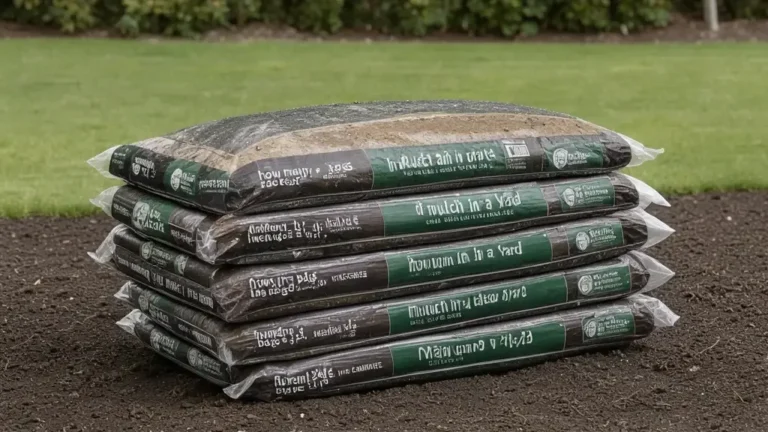
Yes, you should mulch in the fall when the soil is still workable and plants have started slowing down for winter. A 2- to 4-inch layer of suitable mulch protects roots, reduces temperature swings, holds moisture, and limits weed growth, but thick mulch against stems or tree trunks can cause rot and pest trouble.
Are you worried that fall mulch will make your plants soggy or attract insects? Are you unsure whether to mulch before the first freeze or wait until the ground is colder?
Guessing can waste mulch, smother plants, and leave shallow roots exposed during a rough winter.
You’ll learn when to mulch, which materials work best, how deep to spread them, and where fall mulch creates problems instead of solving them.
You’ll spend less time watering, protect roots from sharp temperature changes, and head into spring with cleaner beds. Skip the basic checks, though, and wet mulch can trap disease while heavy layers can bury crowns, stems, and young plants.
This takes about 9 minutes to read, then you’ll have a simple plan for your own yard:
- Choose the right fall mulching date for your climate.
- Match mulch depth and material to each planting area.
- Protect trees, shrubs, bulbs, perennials, and vegetable beds.
- Avoid common mistakes that cause rot, rodents, and spring cleanup headaches.
Should You Mulch in the Fall?

Yes, fall mulching is a smart move for most gardens after the soil cools and plants enter dormancy, but before the ground freezes solid. Spread 2 to 4 inches of mulch over bare soil, leave space around stems and trunks, and use lighter materials around plants that need sharp drainage.
Fall mulch works like a blanket for the soil, not a winter coat wrapped tightly around every plant. It slows freezing and thawing, which helps prevent frost heaving, the lifting and loosening of plants when expanding ice pushes soil upward.
A good timing window usually arrives after several light frosts or after leaves drop, depending on your region and plant types. In warm areas, gardeners may mulch later, while colder areas may need protection before the first hard freeze.
Use this quick guide:
| Garden area | Best fall mulch depth | Good material choices | Main caution |
|---|---|---|---|
| Trees and shrubs | 2 to 4 inches | Shredded bark, wood chips, pine straw | Keep mulch 3 to 6 inches away from trunks |
| Perennial flower beds | 2 to 3 inches | Chopped leaves, compost, pine straw | Do not bury plant crowns |
| Roses and tender perennials | 3 to 6 inches where needed | Straw, pine needles, loose leaves | Add protection after dormancy begins |
| Bulb beds | 2 to 4 inches | Chopped leaves, straw, pine straw | Avoid heavy, wet layers |
| Vegetable beds | 2 to 4 inches | Compost, chopped leaves, straw | Remove diseased plant debris first |
| Bare soil and paths | 2 to 3 inches | Wood chips, bark, leaves | Keep mulch off walkways and drains |
The best fall mulch depends on moisture, soil type, plant hardiness, and the amount of winter exposure. A windy bed may need heavier chips, while a damp clay bed usually does better with a loose, breathable layer.
What happens if you mulch too early? Warm, wet mulch can keep plants actively growing longer, hold excess moisture around crowns, and provide shelter for slugs before cold weather settles in.
Wait until annual weeds have slowed, the soil has cooled, and perennial tops have mostly died back. You don’t need a calendar date carved in stone; soil condition matters more than the number on the calendar.
Pro Tip: Water the bed deeply before the ground freezes if the soil is dry and your plants are still taking up moisture. Mulch holds that moisture in place, but mulch cannot replace water that never reached the root zone.
For a clean installation, remove large weeds, inspect for disease, and rake the soil lightly before spreading material. A smooth surface makes it easier to maintain an even layer instead of creating thick piles in some spots and bare patches in others.
What Are the Benefits and Drawbacks of Fall Mulching?
Fall mulch protects soil and roots, but the wrong material, timing, or depth can create trouble. The biggest gains come from steadier soil temperatures, less erosion, better moisture retention, and fewer winter weeds, while the main risks involve trapped moisture, rodents, disease, and buried plant crowns.
Why fall mulch helps
Bare soil loses moisture faster and swings between warm afternoons and freezing nights. Mulch softens those changes, so fine roots face less stress during winter.
Organic mulch also breaks down slowly and adds organic matter, the decomposed plant material that improves soil texture. Leaves, compost, bark, and straw can feed soil life as they decay, though wood chips work best on the surface rather than mixed into the soil.
Fall mulch can help with:
- Protecting shallow roots from freezing air.
- Reducing soil erosion from rain and snowmelt.
- Limiting late-season weed germination.
- Keeping mud from splashing onto low foliage.
- Holding moisture during dry winter periods.
- Giving earthworms and soil organisms a better habitat.
A thick layer of chopped leaves can make a tired flower bed look tidy in minutes. By spring, much of that material has softened and started returning nutrients to the soil.
When mulch causes problems
Mulch becomes risky when it stays wet against living plant tissue. A buried crown, the point where a perennial’s roots meet its stems, can rot under a heavy, compacted layer.
Rodents may also tunnel beneath deep, loose mulch, especially near fruit trees, shrubs, and buildings. Keep the material airy rather than packed, and remove fallen fruit or diseased leaves before covering the bed.
I once spread a generous layer of wet leaves over a perennial bed because the bed looked painfully bare before winter. The plants survived, but the matted leaves delayed spring growth and made cleanup far harder, so I now chop leaves first and spread a thinner layer.
That experience taught me a useful rule: loose and breathable beats thick and soggy. A mulch layer that stays fluffy usually protects better than a heavy mat that blocks air and water.
| Fall mulching choice | Helpful result | Possible problem | Better approach |
|---|---|---|---|
| Whole leaves | Strong insulation and free material | Matting and blocked air | Shred or chop before spreading |
| Fresh grass clippings | Fast coverage | Heat, odor, and clumping | Use thin layers only after drying |
| Wood chips | Long-lasting coverage | Can bury crowns or tie up surface nitrogen if mixed in | Keep chips on top of soil |
| Straw | Good root insulation | Seeds, moisture, and rodents | Use clean, loose straw |
| Compost | Soil improvement | Can stay wet around crowns | Apply a modest top layer |
| Pine needles | Light, breathable cover | Blows away in exposed areas | Use where wind is limited or anchor lightly |
Don’t treat every planting area the same. A rose, garlic bed, young tree, and alpine plant have different winter needs, even when they share the same yard.
How much mulch should you use?
Most beds need 2 to 4 inches, measured after the mulch settles. Use the lower end around crowns, shallow-rooted herbs, and wet soils; use more loose material only where plants need extra insulation and drainage remains good.
Never build a volcano-shaped mound around a tree. Mulch piled against bark keeps the trunk wet, encourages decay, and can invite insects into damaged bark.
A proper tree ring looks like a wide, shallow doughnut. Start several inches away from the trunk, spread mulch outward to the drip line when practical, and keep the layer level.
Important Tip: Check mulch depth with a ruler in several spots. A pile that looks even from across the yard can hide an 8-inch mound beside one plant and bare soil beside another.
How Do You Apply Fall Mulch Correctly?
Apply fall mulch in a clean, even layer after weeds are removed and the soil has cooled. The basic process is simple: prepare the bed, select suitable material, spread the correct depth, and leave breathing room around every stem and trunk.
Follow these steps:
-
Clear the planting area. Pull large weeds, remove diseased foliage, and pick up fallen fruit. Healthy leaves can become mulch, but leaves carrying fungal disease belong in the trash or a properly managed hot compost system.
-
Check the soil moisture. Water dry beds before the ground freezes, but don’t soak already wet soil. Mulch locks in existing moisture, so adding it to a swampy bed can make root problems worse.
-
Choose clean mulch. Use chopped leaves, aged compost, bark, wood chips, pine straw, or clean straw based on the plants and local weather. Avoid mulch that smells sour, contains trash, or came from diseased plants.
-
Spread the material evenly. Place 2 to 4 inches across bare soil, then measure the depth in several locations. Pull mulch away from stems, crowns, and trunks rather than pressing it into place.
-
Water lightly if needed. A light watering can settle dusty material, but don’t saturate the bed. Pine straw and shredded leaves may need a little moisture to stay put in windy weather.
-
Inspect the bed after the first storm. Wind and rain can expose roots or push mulch against stems. Rake material back into place instead of adding another thick layer everywhere.
The right installation method matters as much as the material, so use this mulch installation guide when you need a bed-by-bed process with depth checks and spacing details.
Should you mulch right up to a perennial crown? No, leave the crown visible unless the plant has a specific winter-cover requirement. The crown needs air, and buried growth points are more likely to rot than protected roots.
Place extra loose material around tender plants only after the plant has gone dormant. Covering green foliage too early traps moisture and can create a cozy hiding place for disease.
Which mulch works best for winter protection?
The best winter mulch is loose, breathable, and suited to the plant’s cold exposure. Chopped leaves, pine straw, straw, and fine bark can insulate roots, while compacted wet leaves and fresh grass clippings usually cause more trouble.
For a detailed material match, use this winter root protection mulch guide when cold temperatures threaten shallow-rooted perennials, shrubs, or newly planted trees.
Flower beds need a slightly different approach because crowns and stems sit close to the soil surface. Chopped leaves and pine straw protect well without pressing down as heavily as wet wood chips, which is why this winter flower bed mulch guide can help with perennial spacing and material choices.
Frost protection also depends on how quickly temperatures drop. A loose layer over soil protects roots, but mulch won’t stop frost from damaging exposed leaves, flowers, or tender new growth.
Use this frost protection mulch guide when the main concern is a sudden cold night rather than a long frozen winter. For bulbs, roses, and plants that need special winter handling, this overwintering mulch guide covers deeper protection and timing choices.
Fall mulch for common garden plants
Trees and shrubs usually benefit from a broad, shallow mulch ring. Keep mulch away from bark, avoid covering graft unions, and don’t use a deep layer over poorly drained soil.
Perennials need enough cover to reduce freeze-thaw movement without hiding the crown. Mark dormant plants with small stakes if their locations become hard to spot after foliage dies back.
Bulbs generally need drainage first and insulation second. Tulips, daffodils, garlic, and other fall-planted bulbs can suffer when a dense layer stays wet, so loose chopped leaves or pine straw work better than a packed blanket.
Roses may need extra protection in cold, windy locations, especially after the soil has cooled. Use loose material around the base, but don’t wrap wet mulch tightly around canes.
Vegetable beds benefit from compost, chopped leaves, or straw after harvest. Remove tomato, squash, and cucumber vines that show disease, because covering infected debris can carry problems into the next growing season.
Can you mulch over fallen leaves?
Yes, you can mulch over healthy fallen leaves if the layer stays loose and doesn’t cover evergreen foliage or plant crowns. Chopping leaves first helps prevent a thick, slippery mat that blocks air and water.
A mower with a collection bag can shred leaves quickly, or you can rake them into a thin layer and run over them several times. Small leaf pieces settle into soil gaps without forming the same dense sheet as whole leaves.
Avoid using leaves from diseased plants unless your compost system reaches conditions that can destroy the disease organisms. A few minutes of sorting can prevent a frustrating repeat problem next year.
What Fall Mulching Mistakes Should You Avoid?
The most common fall mulching mistakes are applying mulch too early, using too much, covering plant crowns, piling it against trunks, and choosing material that stays wet. Correcting those habits protects plants without turning spring cleanup into a wrestling match.
Watch for these trouble signs:
- Mulch smells sour or rotten.
- Water pools on the soil surface.
- The layer has compressed into a solid mat.
- Stems disappear under the mulch.
- Rodent tunnels appear near shrubs.
- Tree bark stays dark and wet.
- Spring shoots remain buried after the soil warms.
If you spot a problem, rake mulch away from stems and thin compacted areas on a dry day. Don’t yank plants or roots while the ground is frozen, because brittle roots can tear.
Avoid fresh wood chips mixed into the top few inches of soil. Microbes breaking down high-carbon material can temporarily use available nitrogen near the surface, leaving shallow-rooted plants short of what they need.
Fresh chips on the surface behave differently and can work well around trees and shrubs. Keep them out of vegetable seed rows and away from small crowns until they age.
Don’t use landscape fabric as a substitute for good mulch in perennial beds. Fabric can restrict soil improvements, complicate replanting, and let weeds root into the thin layer of material above it.
Pro Tip: Take a photo of each bed before plants disappear. Spring makes every dormant plant look like a mystery, and a quick reference saves a surprising amount of poking around.
Do you need to remove all fall mulch in spring? Usually not, but you should thin it and pull it back when plants begin active growth. Leave a light layer to slow weeds, then move excess material away from emerging shoots.
Some cold-sensitive perennials benefit from gradual removal rather than one dramatic cleanup. On a warm, cloudy day, rake away part of the cover, then finish the job once the forecast settles.
When should you skip fall mulch?
Skip or delay mulch when the soil is saturated, plants are still actively growing, or the bed has serious drainage problems. Adding a blanket to wet ground rarely fixes the cause and may keep roots oxygen-starved.
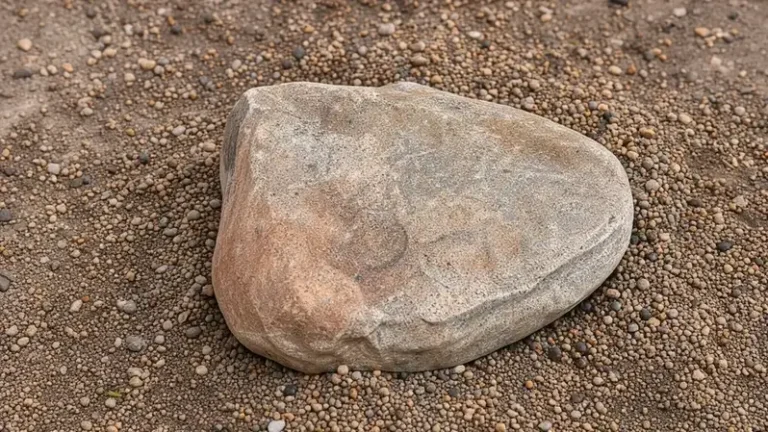
Rock mulch can also be a poor choice for winter protection in beds that need insulation. Stone changes temperature quickly and does little to cushion roots from freezing and thawing.
Avoid heavy mulch around plants that prefer dry crowns, such as some Mediterranean herbs and drought-tolerant perennials. These plants usually need excellent drainage more than extra winter moisture.
A newly planted tree still benefits from mulch, but the ring should remain wide and shallow. The goal is to protect roots, not create a damp collar around the trunk.
- Mulch after the soil cools, not while plants are still growing strongly.
- Use 2 to 4 inches in most beds, with thinner layers around crowns.
- Keep mulch away from trunks, stems, and evergreen foliage.
- Chopped leaves, pine straw, bark, and clean straw each fit different garden needs.
- Pull back excess mulch in spring as new growth appears.
FAQs About Should You Mulch in the Fall
Should you mulch before or after the first frost?
Mulch after the soil cools and plants begin dormancy, usually around several light frosts, but before the ground freezes solid. Waiting until dormancy reduces the chance of trapping warm, wet conditions around active crowns while still giving roots protection from winter temperature swings.
Is 4 inches of mulch too much in fall?
Four inches is usually acceptable for trees, shrubs, and some exposed beds, but it can be too much around perennial crowns, wet soils, or small plants. Measure the layer after spreading, and keep mulch thinner where drainage is poor or stems sit close to the soil.
Can fall mulch attract mice?
Yes, loose mulch can give mice and voles cover, especially beside buildings, shrubs, and food sources. Reduce the risk by removing fallen fruit, keeping mulch away from trunks and walls, avoiding deep matted leaves, and checking for tunnels after snow melts.
Should you mulch a vegetable garden in the fall?
Yes, fall mulch can protect vegetable soil from erosion and reduce winter weed growth. Remove diseased vines first, then use compost, chopped leaves, or clean straw over empty beds, leaving planted rows and emerging crops clear enough for air and light.
Does mulch protect plants from frost?
Mulch protects roots from frost and freeze-thaw movement, but mulch cannot protect exposed leaves or flowers from freezing air. Cover tender above-ground growth with a breathable frost cloth when needed, and use mulch as root protection rather than a full-plant cover.
When should fall mulch be removed?
Thin or pull back fall mulch when spring shoots begin emerging and the soil starts warming. Remove heavy, wet, or compacted layers first, but leave a light layer on bare soil if it stays away from crowns and stems.
Make Fall Mulch Work for Your Garden
Fall mulch is worth doing when you match the material and depth to the plant, soil, and winter weather. The practical choice is a loose 2- to 4-inch layer over cool, reasonably dry soil, with clear space around every trunk, crown, and stem.
I’d choose chopped leaves or pine straw for most perennial beds, bark or wood chips for established trees and shrubs, and compost or clean straw for empty vegetable beds. Start modestly, measure the depth, and add more only where exposure or plant needs justify it.
Your next step is simple: inspect one bed after the next cool spell, remove diseased debris, and spread a breathable layer before the ground freezes. Done that way, mulch protects roots, saves spring cleanup time, and gives your garden a calmer start when warm weather returns.

I’m Maya L. Greenwood, a lifelong plant lover who believes anyone can grow something beautiful with the right guidance. After years of testing soil mixes, pruning methods, irrigation tricks, and pest-safe solutions, I started EasyGardenTips.com to turn hard-won lessons into step-by-step advice. From seed starting and container gardens to composting and seasonal checklists, my goal is to make gardening simple, sustainable, and fun.