5 Best Organic Fertilizer for Raised Beds and Chemical Free Food
Buy the wrong fertilizer and your raised bed can produce pale leaves, weak growth, or vegetables that never fill out. Too much of the wrong nutrient may also wash away, upset the balance of the soil, or leave you redoing a planting job you thought was finished.
The useful choice depends on more than the word organic on a bag. Look at the nutrient ratio, how long the feeding lasts, how you apply the granules or liquid, and whether the formula matches a new transplant or an established bed.
Here’s what you’ll learn:
- How nitrogen, phosphorus, and potassium affect leaves, roots, flowers, and fruit.
- Which fertilizer format fits a full raised bed, a mixed planting, or a new transplant.
- How to apply plant food without piling it against stems or wasting it in runoff.
- How to store, measure, and schedule feeding through the growing season.
Quick Picks
-
Best For Long Feeding for Vegetables

Dr. Earth Organic 5 Tomato, Vegetable &
Beneficial microbes and several-month feeding help vegetable gardeners support crops without frequent fertilizer applications.
-
Best For Balanced Raised Bed Feeding

Down to Earth All Natural Fertilizers Organic
A balanced 4-4-4 formula releases nutrients gradually for gardeners feeding mixed vegetables, herbs, and greens.
Top 5 Organic Fertilizers for Raised Beds at a Glance
Dr. Earth and Down to Earth are the strongest starting points for gardeners who want broad vegetable-bed coverage and longer feeding. Whitney Farms offers a higher nitrogen-and-potassium formula for varied plantings, while the liquid fertilizer and planting tablets serve more specific jobs.
| Product image | Product name | Check product |
|---|---|---|
| 1 |
Dr. Earth Organic 5 Tomato, Vegetable & | Check Price |
| 2 |
Down to Earth All Natural Fertilizers Organic | Check Price |
3 |
Whitney Farms Organic & Natural All Purpose | Check Price |
4 |
Raised Bed Fertilizer | Check Price |
5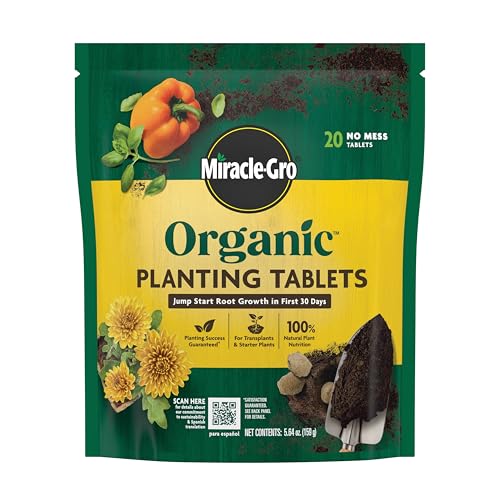 |
Miracle-Gro Organic Planting Tablets, 20 Tablets | Check Price |
Size, feeding schedule, and application style separate this group more than the word organic does.
5 Best Organic Fertilizers for Raised Beds: Detailed Reviews
When I chose the best organic fertilizer for raised beds, I looked at the nutrient balance, feeding pattern, application effort, and the kind of planting each formula supports. Those details matter because the wrong ratio can encourage leaves when you need fruit, while a confusing schedule can leave a beginner guessing.
The five choices cover a broad granular feed, a balanced vegetable formula, an all-purpose plant food, a small liquid option, and transplant tablets. Looking at them side by side helps you match the fertilizer to the job instead of treating every raised bed as if it needs the same meal.
1. Dr. Earth Organic 5 Tomato, Vegetable &
Beneficial microbes and several-month feeding help vegetable gardeners support crops without frequent fertilizer applications.
- Size4 lb
- ColorMulti
- Number Of Items1
- WeightNot listed; check details
Dr. Earth Organic Fertilizer suits gardeners who want a vegetable-and-herb feed that works across a raised bed and does not require constant reapplication.
Beneficial microbes for living soil
Dr. Earth includes beneficial soil microbes, tiny living organisms intended to support activity around plant roots. The formula lists seven champion strains along with ecto and endo mycorrhizae, which are fungi associated with plant roots.
That combination gives the fertilizer more than a simple bag of plant nutrients. For a raised-bed gardener, the appeal is a formula aimed at supporting the soil around vegetables, not only delivering a quick dose to the leaves.
Several-month feeding
The product describes feeding for several months, with nutrients released quickly and then continuing over time. That means fewer reminders during a busy growing season, although the label still matters for application rates and timing.
A longer feeding pattern can help prevent the stop-and-start routine that frustrates beginners. It also means you should avoid adding extra fertilizer early just because the bed does not look different after a few days.
What to watch
Dr. Earth has a broad vegetable, tomato, and herb focus, but the product information does not give a complete application rate for every crop or bed size. Measure according to the package directions instead of guessing from the 4-pound bag size.
Pros:
- Beneficial microbes, supports activity around plant roots.
- Several-month feeding, reduces repeated fertilizer applications.
- Vegetable, tomato, and herb focus, fits common raised-bed crops.
- 100% organic and natural ingredients, suits gardeners seeking that formula type.
- No chicken manure or sewage sludge listed, addresses specific ingredient preferences.
Cons:
- Complete crop-by-crop application rates are not listed here.
- The microbial blend may be more than a simple bed needs.
- A 4-pound bag may not match every garden’s area or feeding schedule.
Buy it if: you want a vegetable and herb fertilizer with beneficial microbes and several-month feeding.
Skip it if: you need a small, precise transplant dose, because a planting tablet would suit that job better. For another fit, consider Down or Whitney.
What I like here is the attempt to support both the crop and the soil around the roots. Dr. Earth earns the first spot because the feature mix addresses the two complaints I hear most from new gardeners, frequent feeding and uncertainty about soil support.
Double-check the package directions for your crop and bed area before spreading the granules. This fertilizer makes the most sense for a gardener feeding an established vegetable or herb bed for much of the season.
2. Down to Earth All Natural Fertilizers Organic
A balanced 4-4-4 formula releases nutrients gradually for gardeners feeding mixed vegetables, herbs, and greens.
- Size5 lb (Pack of 1)
- ColorWhite
- Is Adult ProductFalse
- Number Of Items1
Down to Earth 4-4-4 Fertilizer is a straightforward choice for gardeners who want balanced nutrition across vegetables, greens, herbs, and raised-bed plantings.
A balanced NPK ratio
The formula uses a 4-4-4 NPK ratio, meaning the listed amounts of nitrogen, phosphorus, and potassium are balanced in relation to one another. Nitrogen supports leafy growth, phosphorus is associated with root and reproductive development, and potassium supports general plant function and resilience.
A balanced ratio is useful in a mixed bed where lettuce, herbs, beans, and other vegetables may share the same soil. It does not force you to choose a fertilizer aimed only at leaves or only at fruit.
Slow-release feeding
Down to Earth describes the nutrients as slow release, so the plant food becomes available gradually rather than all at once. Gradual feeding can reduce the chance of a large nutrient surge and may require fewer repeat applications than a fast-only formula.
The 5-pound box is also intended for direct soil application or mixing into garden beds. For a beginner, that makes the basic routine easy to understand: measure, spread or mix as directed, and water when the label calls for it.
What to watch
The product information describes a broad formula, but it does not provide a universal rate for every vegetable, soil type, or bed depth. Do not assume the same amount works for a seedling, a mature tomato, and a full bed.
Pros:
- Balanced 4-4-4 ratio, fits many mixed vegetable beds.
- Slow-release nutrients, supports gradual feeding.
- Suitable for vegetables, herbs, and greens, simplifies product choice.
- 5-pound size, gives gardeners a useful amount for bed work.
- Direct soil application, avoids complicated equipment.
Cons:
- A balanced ratio may not address a confirmed soil deficiency.
- Application rates for individual crops are not included here.
- The box size may be more than a very small planter needs.
Buy it if: you want one balanced granular formula for a mixed raised bed, because the 4-4-4 ratio suits broad vegetable feeding.
Skip it if: you are starting individual transplants and want a measured dose in each hole, because a tablet formula would suit that task better. Dr and Whitney are worth a closer look instead.
I’d pick Down to Earth when the raised bed contains several kinds of edible plants and you want a simple starting point. The balanced ratio and gradual release are easier for a beginner to manage than a specialized formula that favors one crop group. Check the label rate before applying because “balanced” does not mean unlimited.
This is the sensible choice for gardeners who value a plain, repeatable bed-feeding routine.
3. Whitney Farms Organic & Natural All Purpose
The catalog lists READY TO USE: Easy-to-apply flower and vegetable fertilizer features all-in-one particle for even coverage wit. Compare fit and care needs before choosing.
- Size4 Pound
- Number Of Items1
- WeightNot listed; check details
- DimensionsNot listed; check details
Whitney Farms Organic Plant Food suits gardeners who want one fertilizer for raised beds, containers, flowers, fruits, herbs, and vegetable plantings.
A 9-2-6 nutrient ratio
Whitney Farms uses a 9-2-6 NPK ratio, which provides more listed nitrogen and potassium than phosphorus. Nitrogen helps support green growth, while potassium is linked with general plant development and fruit or flower support.
That ratio may appeal to someone growing leafy vegetables alongside flowering or fruiting plants. It is not automatically the right fit for every soil, so a soil test or crop-specific label guidance should decide whether the stronger nitrogen emphasis makes sense.
Protein-based ingredients without a manure odor
The formula lists feather meal, blood meal, soybean meal, and bone meal as nutrient sources. Whitney Farms also describes the fertilizer as protein based and says it feeds without a manure odor.
For a backyard garden near a patio or seating area, odor can affect where you are willing to apply plant food. The important point is that ingredient sources and odor are separate from application rate, so you still need to follow the package directions.
Slow-release schedule
Whitney Farms says to reapply every six weeks throughout the growing season. That schedule is more specific than a vague “feed regularly” instruction, which can help a beginner set reminders.
The ready-to-use granules are meant to be sprinkled around plants, mixed into soil, and watered to activate. A gardener who dislikes dusty applications may also appreciate the feature description of an all-in-one particle with little dust.
Pros:
- 9-2-6 ratio, gives more listed nitrogen and potassium.
- Six-week reapplication schedule, creates a clear feeding rhythm.
- Protein-based nutrient sources, feeds without a manure odor according to the listing.
- Raised-bed and container use, works across different garden formats.
- OMRI listed for organic use, provides a specific organic-use designation.
Cons:
- The stronger nitrogen ratio may not suit every soil condition.
- Six-week feeding requires calendar reminders during the season.
- A broad all-purpose formula may be less targeted than a crop-specific feed.
Buy it if: you want a multi-garden fertilizer with a six-week schedule and a 9-2-6 ratio for varied plantings.
Skip it if: your soil already has plenty of nitrogen, because a more balanced plant food may be a better fit. If those trade-offs rule it out, Dr or Down may suit you better.
To me, the smartest feature is the clear six-week schedule. Whitney Farms earns its place because a beginner can understand when the next application is due, while the raised-bed, container, fruit, flower, herb, and vegetable coverage keeps the bag useful across a changing garden. Check the nitrogen needs of your crops before buying, especially if the bed already grows lush leaves.
Choose this plant food when broad use and a defined reapplication rhythm matter most.
4. Raised Bed Fertilizer
The catalog lists Helps Improve Soil Nutrition – Supports balanced nutrients for healthy plant development. Compare fit and care needs before choosing.
- Size8 oz (1/2 Pint)
- Number Of Items1
- WeightNot listed; check details
- DimensionsNot listed; check details
Raised Bed Liquid Fertilizer is a small-format liquid plant food for gardeners who want a fertilizer aimed at vegetables, herbs, flowers, and mixed garden beds.
Liquid application
A liquid fertilizer is mixed or applied with water according to its directions, rather than spread as dry granules. That format can be useful when you prefer watering and feeding as one task, but the exact dilution rate is essential.
Liquid feeding may also make sense for a small bed where opening a large bag feels wasteful. The available product details do not state the concentrate-to-water ratio, so check the label before mixing anything.
Root and foliage support
The product describes support for balanced soil nutrition, strong root development, and healthy vegetable growth. Strong roots help plants take up water and nutrients, while healthy foliage gives the plant the working surface it needs for growth.
The formula is also described for vegetables, herbs, flowers, and mixed plantings. That broad use can help a gardener with one small bed containing several crop types, provided the label gives directions for each application.
What to watch
The container is 8 ounces, or one-half pint, which makes this a compact option rather than a clearly documented bulk feed. The product details do not list an NPK ratio, ingredient list, dilution rate, or feeding interval, so verify those points before purchase.
Pros:
- Liquid format, fits gardeners who prefer water-based application.
- Vegetable and flower use, supports mixed planting areas.
- Root development focus, addresses early plant establishment.
- 8-ounce size, suits gardeners seeking a compact container.
- Made in USA, provides a listed manufacturing detail.
Cons:
- NPK ratio is not listed in the available details.
- Dilution instructions are not listed here.
- Feeding interval is not supplied, so scheduling needs label confirmation.
Buy it if: you prefer liquid feeding for a small mixed bed, because the compact 8-ounce size avoids storing a large bag.
Skip it if: you need a clearly stated nutrient ratio, because a granular fertilizer with listed NPK numbers gives you more information upfront.
I’d consider this liquid fertilizer only after checking the label for dilution, ingredients, and timing. The compact size and mixed-planting focus are useful, but the missing nutrient details make the buying decision less clear than the granular choices above. A beginner should not have to guess how much concentrate belongs in a watering can.
Pick this format when the label answers those questions and liquid application fits your routine.
5. Miracle-Gro Organic Planting Tablets, 20 Tablets
The catalog lists PLANTING TABLETS: Miracle-Gro Organic Planting Tablets are garden fertilizer specially formulated with calcium. Compare fit and care needs before choosing.
- Size1-Pack
- Number Of Items1
- WeightNot listed; check details
- DimensionsNot listed; check details
Miracle-Gro Organic Planting Tablets are designed for new transplants and starter plants rather than routine feeding across a mature raised bed.
A tablet for the planting hole
A planting tablet is a compact dose placed in the bottom of a newly dug hole before the plant goes in. This product says the tablet is covered with a thin layer of soil, which keeps the root ball from sitting directly on the fertilizer.
That placement makes the tablet useful during transplanting, when roots are adjusting to new soil. It also prevents the beginner’s common mistake of scattering a full-bed fertilizer around a tiny starter plant without knowing how much the plant needs.
Calcium and early rooting
The tablets contain calcium and are designed to help jump-start root growth during the first 30 days after transplanting. Calcium has several roles in plant structure, while early root growth helps a transplant settle into the raised bed.
The package includes 20 no-mess tablets. The listed directions match tablet count to root-ball size: one tablet for root balls up to 4 inches, two for 4 to 6 inches, and three for 7 to 10 inches.
A narrow job by design
These tablets are for transplants and starter plants, not a replacement for a season-long raised-bed feeding plan. Once a bed is established, you may need a separate fertilizer routine based on the crop and soil.
Pros:
- Tablet format, keeps application clean and measured.
- Calcium included, supports the transplant-focused formula.
- First-30-days use, targets early establishment.
- Root-ball size directions, removes guesswork at planting time.
- 20 tablets, gives a defined number of planting doses.
Cons:
- Intended for transplants, not full-bed maintenance.
- Tablet count may not cover a large planting project.
- A separate feeding plan may be needed after establishment.
Buy it if: you are planting starter vegetables or herbs, because the root-ball directions give you a measured transplant dose.
Skip it if: you need fertilizer for a mature bed, because a granular or liquid plant food would suit ongoing feeding better.
What I like here is the narrow purpose. Miracle-Gro Organic Planting Tablets earn a place because they solve one awkward moment, feeding a new transplant without measuring loose granules around a small root ball. Confirm your root-ball size before planting, since the tablet count changes with diameter.
Choose these tablets for transplant day, not as your only answer for a whole growing season.
How to Choose the Best Organic Fertilizer for Raised Beds
The best organic fertilizer for raised beds matches the crop, soil condition, feeding schedule, and application method. Start with the label’s nutrient ratio and intended use, then choose the format you can apply accurately.
Read the NPK numbers first
NPK stands for nitrogen, phosphorus, and potassium, the three numbers printed on many fertilizer labels. Nitrogen generally supports leafy growth, phosphorus supports roots and reproductive growth, and potassium supports overall plant function.
A balanced ratio such as 4-4-4 is a practical starting point for a mixed vegetable bed. A 9-2-6 formula provides more listed nitrogen and potassium, which may suit some varied plantings but deserves more care if the soil already has high nitrogen.
Do not treat a bigger number as a promise of better results. The right ratio depends on the crop, existing soil, compost, and any soil-test results.
Match the feed to the crop
Leafy greens, herbs, root vegetables, tomatoes, peppers, beans, and flowers do not all have the same feeding pattern. A broad vegetable formula makes sense for a mixed bed, while a transplant tablet is aimed at the first stage after planting.
For a bed with lettuce and herbs, balanced nutrition may be easier to manage. For fruiting crops, read the label carefully rather than assuming a fertilizer designed for leafy growth will cover every need.
A crop list written on a garden calendar helps prevent accidental overfeeding. Write down what is planted in each section before applying anything.
Choose granular, liquid, or tablets
Granular fertilizer is sprinkled or mixed into soil and is often practical for a full raised bed. Liquid fertilizer is mixed with water and can fit smaller spaces, but dilution must be exact.
Tablets are measured doses for planting holes. They are convenient for transplants but do not replace a plan for feeding an established bed.
Use the format that makes accurate application easiest. A theoretically excellent fertilizer is a poor choice if you cannot measure or schedule it correctly.
Consider feeding speed
Slow-release fertilizer releases nutrients gradually, which can reduce the need for frequent applications. A longer feeding period is convenient, but it does not mean you should add more whenever leaves look unchanged.
Some products describe quick nutrient release followed by several-month feeding. Others give a repeat schedule, such as every six weeks. A clear schedule is especially helpful if your garden chores already fill half a notebook.
Keep a simple record of the date, product, crop, and amount used. This prevents duplicate applications after a busy week.
Check ingredients and organic-use claims
“Organic” can describe the formula or intended gardening method, but the word alone does not tell you every ingredient, certification, or application rule. Read the product label for ingredient sources, use restrictions, and any organic-use designation.
Whitney Farms lists OMRI use, and Miracle-Gro’s tablets are described as OMRI listed. The other products use organic or natural language in their descriptions, but the available details do not establish independent certification for every product.
If ingredient preferences matter to you, verify the current package information before buying. That is more reliable than assuming two products with similar front-label wording are identical.
Estimate the amount for the bed
Raised-bed area is found by multiplying length by width. A 4-foot by 8-foot bed has 32 square feet, but the correct fertilizer amount still comes from the product label and crop directions.
Do not estimate by handfuls unless the label specifically gives that method. Use a measuring cup or scale when directed, and keep fertilizer away from direct contact with stems and roots unless the product says otherwise.
A small notebook with bed dimensions prevents repeated calculations. It also helps you avoid buying far more fertilizer than the garden can use before storage becomes a problem.
How to Use Organic Fertilizer for the Best Results
Use organic fertilizer according to the label, apply it evenly, and water as directed. Good timing and careful placement matter as much as the product choice.
- Identify the crop and growth stage before opening the bag or bottle.
- Read the application rate for that crop, bed size, or root-ball size.
- Measure the fertilizer instead of estimating with an unmarked scoop.
- Spread granules evenly around the root zone, not in a thick pile against stems.
- Mix dry fertilizer into the top layer of soil if the directions call for incorporation.
- Place a transplant tablet below a thin soil layer before setting in the root ball.
- Dilute liquid fertilizer exactly as directed, using the stated water volume.
- Water according to the label so nutrients can move into the soil without creating runoff.
- Record the date and amount so you do not apply another dose too soon.
Keep fertilizer off leaves unless the label specifically describes foliar use. Granules sitting on wet foliage can cause damage, and runoff can carry nutrients outside the bed.
How to Make Your Raised-Bed Fertilizer Last Longer
Store fertilizer dry, sealed, and away from children, pets, and moisture. Careful storage protects the material from clumping and helps you keep track of what remains.
Close a granular bag or box after every use. Keep the container off damp ground, and use a dry scoop so moisture does not enter the package.
For liquid fertilizer, close the cap tightly and store the container where freezing, heat, and direct sun will not damage the package. Follow the label’s storage directions if they are more specific.
Do not leave fertilizer in a raised bed as a permanent surface layer unless the label directs that use. Mix or water it in as directed, then keep the bed covered with appropriate mulch if your gardening plan uses mulch.
Avoid mixing leftover products in one container. Different formulas may have different storage instructions, and the original label is the best way to identify the contents later.
Check the package at the start of each growing season. If the label is unreadable, the contents are wet, or the product has changed in a way the label does not describe, replace it rather than guessing.
Common Mistakes to Avoid When Buying and Using Raised-Bed Fertilizer
Most fertilizer mistakes come from choosing by packaging alone or applying without measuring. A few small habits prevent wasted money and stressed plants.
- Choosing the highest number: Stronger numbers do not automatically mean better growth. Match the ratio to the crop and soil instead.
- Ignoring a soil test: Adding nutrients that are already plentiful can create imbalance. Test when plants repeatedly struggle or the bed has a long feeding history.
- Applying too close to stems: A concentrated pile can stress young roots. Spread fertilizer around the root zone and follow the label placement directions.
- Feeding on a fixed calendar without reading the label: Products release nutrients at different rates. Use the product’s stated interval rather than copying another gardener’s schedule.
- Using a full-bed fertilizer for a tiny transplant: Small root balls need measured treatment. Choose the stated tablet count or transplant rate when available.
- Skipping water after dry application: Some granules need moisture to move into the soil. Water as directed, while avoiding runoff from the bed.
- Assuming organic means risk-free at any amount: Organic ingredients can still be overapplied. Measure the dose and keep fertilizer away from children and pets during application.
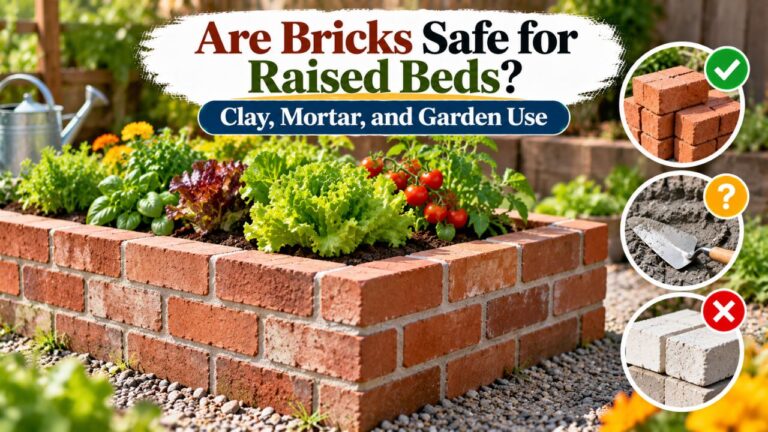
If you are still deciding between fertilizer types, the difference between soil feeding and bed construction matters too. A growing plan that includes healthier raised-bed soil can help you decide whether the main need is added nutrients, improved soil structure, or both.
Raised-bed materials also affect the growing setup, especially if the bed is new or you are replacing an old frame. Review food-safe raised-bed materials before filling a bed, because fertilizer cannot correct a poor container choice.
Common Questions About Organic Fertilizer for Raised Beds
How often should I fertilize a raised bed?
The correct interval depends on the product, crop, soil, and release speed. Some formulas describe feeding for several months, while Whitney Farms lists a six-week reapplication schedule. Follow the package rate and timing, record each application, and avoid adding another dose simply because plant growth looks slow after a few days.
Is 4-4-4 fertilizer good for raised beds?
Yes, a 4-4-4 fertilizer can be a practical choice for a mixed raised bed because the listed nitrogen, phosphorus, and potassium amounts are balanced. It is not a guarantee that every crop or soil needs the same treatment. Use the label rate and consider a soil test when plant problems continue.
Can I use fertilizer when planting transplants?
Yes, but use a transplant-specific dose when available. Miracle-Gro Organic Planting Tablets are designed for starter plants and give tablet counts based on root-ball diameter. Keep fertilizer from touching the roots directly unless the label allows that placement, and cover a tablet with soil before setting the plant.
Should I use liquid or granular fertilizer in a raised bed?
Both formats can work, but they suit different routines. Granules are practical for covering a larger bed, while liquid fertilizer may suit a small planting area or a gardener who prefers feeding with watering. Liquid products require exact dilution, and granular products require even spreading and correct watering.
Does organic fertilizer replace compost in a raised bed?
No, fertilizer and compost serve different roles. Fertilizer supplies specific nutrients, while compost can contribute organic matter and help improve soil texture. A raised bed may benefit from both, but the correct amount depends on the existing soil, compost quality, crop needs, and results from a soil test.
How long does organic fertilizer last after opening?
There is no single lifespan for every formula. Dry fertilizer generally needs a cool, dry, sealed storage place, while liquid fertilizer needs the cap closed and protection from damaging temperatures. Keep the original label, inspect the material before use, and follow any storage or expiration instructions on the package.
Choose the Feeding Job Before the Bag
Start by writing down whether you need season-long bed feeding, a balanced formula for mixed crops, liquid application, or a measured dose for new transplants. Then measure the bed or root ball, read the label rate, and choose the format you can apply accurately without guessing.
For a mature vegetable bed, focus on nutrient ratio and feeding interval. For planting day, focus on root-ball size and placement, then keep a dated record of what you applied so the next feeding is based on facts rather than memory.

I’m Maya L. Greenwood, a lifelong plant lover who believes anyone can grow something beautiful with the right guidance. After years of testing soil mixes, pruning methods, irrigation tricks, and pest-safe solutions, I started EasyGardenTips.com to turn hard-won lessons into step-by-step advice. From seed starting and container gardens to composting and seasonal checklists, my goal is to make gardening simple, sustainable, and fun.