How to Light a Flame Weeder Safely in Just Minutes
Imagine a sunny afternoon in the garden. Weeds creep between the stones, stealing nutrients from vegetables and flowers. A flame weeder rests nearby, but many hesitate to strike a spark.
The hesitation is real. Lighting a propane torch incorrectly can waste fuel, scorch soil, or even create a fire hazard. The tool looks simple, yet it requires careful technique.
Curiosity drives gardeners toward flame weeding because it promises chemical-free results. Studies show that flame weeding is most effective on weeds under 4 inches tall and can reduce herbicide use by more than 80% in some crops (SARE).
The benefit is clear. Once you learn how to light a flame weeder safely and apply it correctly, weeds shrivel in seconds. The process becomes quick, satisfying, and far safer than many imagine.
What Is a Flame Weeder and Why It Matters

A flame weeder is a propane-powered tool that uses intense heat to destroy weeds. Unlike herbicides, it doesn’t rely on chemicals. Instead, it ruptures plant cell walls with thermal exposure, causing leaves to wilt and die.
This method is especially valuable for organic gardens, vegetable plots, and pathways. It controls weeds between rows without leaving residues or harming soil health.
Different designs exist for different needs. Small handheld torches suit patios and raised beds. Walk-behind multi-nozzle models handle larger farm rows efficiently.
The science is simple. A brief exposure to flame, just long enough to wilt the weed, is more effective than burning it completely. The heat collapses plant tissue, and the plant cannot recover.
Flame weeding is not perfect. Large or woody weeds resist damage, and roots may survive. But for seedlings and tender plants, it is fast and efficient.
This balance between speed and chemical-free control explains why flame weeders are growing in popularity. The only challenge is learning to light and use them correctly.
Safety Gear and Preparation Before Lighting
Safety starts before the spark. Using propane means dealing with fuel, fire, and heat, so preparation is essential.
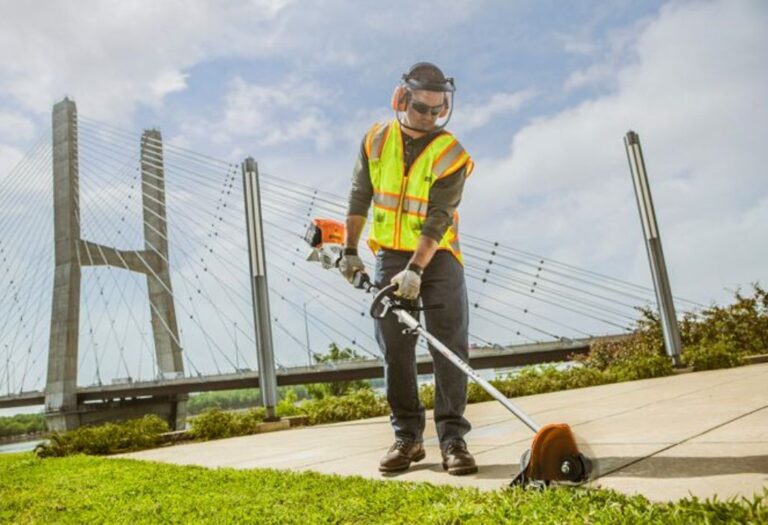
Protective gear reduces risks. Gloves, goggles, long sleeves, and closed-toe boots prevent burns from sparks or accidental contact with the flame. Flame-resistant fabrics are ideal for regular users.
The work area should be inspected carefully. Dry leaves, mulch, or wooden debris increase fire risk. Clearing a buffer zone around the weeds ensures the flame targets only what it should.
Local regulations also matter. Many regions require permits for propane torches, especially during dry seasons. Checking local rules avoids fines or dangerous misuse.
A fire extinguisher, water bucket, or garden hose should always be within reach. Flame weeding is safe when controlled, but fire safety tools make accidents manageable.
Inspecting the equipment is another critical step. Hoses, valves, and the torch head must be leak-free. A simple soap-water test can reveal escaping gas before lighting.
With safety gear on and the area cleared, the flame weeder is ready for ignition.
How to Light a Flame Weeder Step by Step
Learning how to light a flame weeder begins with patience. Rushing the process is the most common mistake new users make.
Start with the propane tank closed. Attach the hose securely to the torch handle and nozzle. Check that valves are tightened and there are no visible cracks or leaks.
Move to an open outdoor space with no flammable material nearby. Never light indoors, in garages, or under low branches.
Open the propane valve slowly. A quick release may waste fuel or cause unstable flame bursts. Adjust until you hear a gentle hiss of gas.
Use a proper igniter or striker rather than matches or lighters. A striker sparks consistently and keeps your hand safely away from the nozzle. Once lit, let the flame stabilize before moving forward.
Adjust flame intensity according to task. A medium flame—around 5 to 6 inches high—is typically enough to wilt weeds without excessive fuel use.
Finally, begin moving the flame gently over the weeds. Hold the torch at a slight angle and avoid pointing straight down. The goal is to pass the heat evenly across the weeds, not char the soil.
Choosing Optimal Conditions for Flame Weeding
Lighting a flame weeder is only part of the process. Timing matters as much as technique.
Weather conditions play a huge role in safety and effectiveness. Calm, wind-free days prevent flames from drifting dangerously. Moist soil after light rain or morning dew reduces fire risk.
Dry, hot afternoons are risky. Flames can spread in brittle grass or mulch. Morning or evening, when humidity is higher, creates safer conditions.
Weed size also influences results. Research confirms that weeds under 4 inches tall are most vulnerable to flame exposure (FlameEngineering). Mature weeds often survive or regrow, requiring repeated treatments.
Surface type should not be ignored. Flame weeding works well on gravel, soil, and paved cracks. On mulch or dry straw, however, flames may spread. Adjusting torch angle and pace keeps control over different surfaces.
Walking speed is another factor. Experts suggest moving at about 2–3 miles per hour. This is slow enough to wilt weeds but fast enough to prevent unnecessary soil heating.
The best results come from combining all these conditions. Safe weather, young weeds, and steady pace create the perfect setup for effective flame weeding.
Common Mistakes and How to Avoid Them

Even with good intentions, many users make errors that reduce results or create hazards.
One mistake is holding the flame too close to the soil. This scorches the surface, harms microorganisms, and wastes propane. The flame should only kiss the weeds, not the ground.
Another issue is overexposure. Lingering on one spot burns weeds completely but does not improve long-term control. A quick wilt is more effective and uses less fuel.
Using a flame weeder on windy days is dangerous. Embers drift, flames spread, and the operator loses control. Waiting for calm weather prevents accidents.
Failing to prepare the area is also common. Dry leaves, twigs, or woodchips ignite quickly. Clearing the area before lighting avoids flare-ups.
Neglecting safety gear leaves operators at risk. Gloves and goggles are non-negotiable. Even a brief spark can cause painful burns or eye injury.
Finally, some assume flame weeding eliminates weeds permanently in one pass. Most areas require repeated treatments, especially for perennial weeds. Understanding this prevents disappointment and wasted propane.
Renovation, Innovation, and the Future of Flame Weeding
The concept of flame weeding is not new. Farmers have used propane torches since the early 20th century for field preparation. What has changed is the technology.
Modern flame weeders feature ergonomic handles, adjustable nozzles, and safety shut-off valves. Walk-behind multi-nozzle models make it possible to treat entire rows in minutes.
Innovations include angled burners that direct heat more efficiently and shield flames from wind. Some designs use multiple torch heads for wide coverage.
In agriculture, flame weeding is gaining new relevance. With stricter pesticide regulations, organic methods are more valuable than ever. Flame weeding fits this demand perfectly, offering effective weed control without chemicals.
Future trends may include robotic systems that automate the process. Research into AI-guided flame weeders is already underway. These could combine sensors with propane torches for precise, hands-free weed control.
As adoption grows, local regulations may evolve. Certification for safe operation, emission standards, and permit systems could become standard in many regions.
For home gardeners and small farms, however, the principle will remain the same: light safely, apply correctly, and enjoy chemical-free weed management.
Conclusion
Learning how to light a flame weeder safely is more than just striking a spark. It is about preparation, awareness, and method.
From choosing the right safety gear to checking weather conditions, every detail reduces risk and improves control. Lighting the flame properly ensures a steady, stable burn that targets weeds efficiently.
The most effective results come when small weeds are treated early, surfaces are clear, and the torch is handled with patience. Mistakes like overexposure, using flame in wind, or neglecting safety gear can be avoided with awareness.
Flame weeding represents the future of chemical-free gardening. It is fast, organic, and satisfying when done correctly. With the right steps, even beginners can master this tool in minutes.
Take the time to prepare, light carefully, and practice on a safe patch of ground. The weeds will wilt, the garden will thrive, and the process will become second nature.

I’m Maya L. Greenwood, a lifelong plant lover who believes anyone can grow something beautiful with the right guidance. After years of testing soil mixes, pruning methods, irrigation tricks, and pest-safe solutions, I started EasyGardenTips.com to turn hard-won lessons into step-by-step advice. From seed starting and container gardens to composting and seasonal checklists, my goal is to make gardening simple, sustainable, and fun.