Choosing the Right Lawn Roller: A Simple Guide
Figuring out how to choose lawn roller weight can seem tricky. Many people find it tough to get started because they’re not sure how much weight their lawn needs or what factors to consider. But don’t worry! This guide is here to help you. We’ll break it down step-by-step so you can easily pick the perfect lawn roller for your yard. Get ready to explore the main points to consider, and by the end, you’ll know exactly what to do.
What is a Lawn Roller and Why Do You Need One?
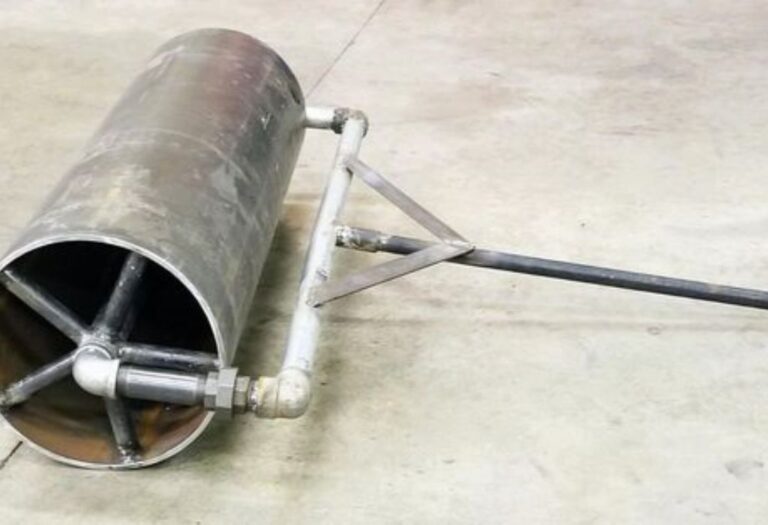
A lawn roller is a gardening tool used to flatten the ground. It’s essentially a large, heavy cylinder that you pull or push across your lawn. It is used for a variety of tasks, like smoothing out uneven surfaces, pushing down newly laid sod, and firming up the soil after seeding. Using a lawn roller promotes healthy grass growth, creating a better-looking yard overall. Lawn rollers come in different sizes and types, and the right one depends on your lawn’s specific needs and the tasks you have in mind.
The Different Types of Lawn Rollers
There are several types of lawn rollers available, each with unique features that make them suitable for different needs. Understanding the differences between these types can help you decide which one best suits your yard. The choice often comes down to the size of your lawn, the tasks you plan to perform, and your budget.
-
- Towed Rollers: These are typically larger and designed to be pulled behind a lawn tractor or ATV. They are best for large areas. Towed rollers usually have a fillable drum for adjusting the weight.
Towed lawn rollers are ideal for larger properties because they cover more ground quickly. These rollers offer significant weight capacity, allowing for efficient work on big lawns. They often include features such as a drain plug to release water, making them easy to move and store when empty. The durability and speed of these rollers make them a preferred choice for professional landscapers and homeowners with expansive lawns.
-
- Walk-Behind Rollers: These rollers are smaller and are pushed manually, making them suitable for smaller lawns or areas that are difficult to access with a larger machine. They are lighter than towed rollers. They are perfect for small or irregularly shaped yards.
Walk-behind rollers are excellent for smaller lawns or areas where maneuverability is important. Because they are not attached to any power equipment, they offer flexibility. These rollers come in different weights, making them suitable for various tasks, from smoothing out bumps to pressing down newly seeded areas. Their design often includes a handle for easy control, making them simple to operate for homeowners who prefer a hands-on approach.
-
- Water-Filled Rollers: Many rollers are designed to be filled with water, which allows you to adjust the weight according to your needs. This flexibility is a significant advantage. Water-filled rollers are versatile and can be used on various terrains and for different purposes.
Water-filled rollers are among the most popular due to their adjustability. They allow you to change the weight by adding or removing water, making them adaptable for different tasks. The process of filling and emptying is usually simple, allowing you to use the roller with varying weights as needed. This flexibility is a key feature, making these rollers a great choice for both casual gardeners and those with more involved lawn care needs.
The Advantages of Using a Lawn Roller
Using a lawn roller offers a variety of benefits. The tool is helpful for leveling uneven ground, which can improve the appearance and safety of your lawn. Rolling can also help to establish new grass by ensuring good seed-to-soil contact. Additionally, it helps in firming up the soil after it has been aerated or after winter thaws, reducing the risk of frost heave and making your lawn more resilient. Lawn rolling is a straightforward process that leads to noticeable improvements in the health and look of your lawn.
-
- Leveling Uneven Ground: This is one of the primary uses of lawn rollers. Over time, lawns can develop bumps and dips due to various factors, such as soil settling, foot traffic, and the activities of burrowing animals. A lawn roller helps to smooth out these uneven areas, creating a more uniform surface.
Leveling uneven ground with a lawn roller is a great way to improve your lawn’s aesthetics and usability. This simple action can transform a bumpy yard into a smooth, even surface. This makes mowing easier, improves the appearance, and makes the lawn safer for walking and playing. This process also helps ensure that water drains evenly, preventing puddling and promoting healthier grass growth.
-
- Improving Seed-to-Soil Contact: When seeding a new lawn or overseeding an existing one, good contact between the seeds and the soil is essential for successful germination. A lawn roller gently presses the seeds into the soil, ensuring they are adequately covered and have the best chance to take root. This is a very beneficial process to give the seeds a good start.
Good seed-to-soil contact is very important for growing healthy grass. Lawn rollers ensure that seeds are pressed into the soil properly. This enhances the seed’s ability to absorb moisture and nutrients. This contact is vital for triggering germination and supporting early growth, and it leads to a fuller, more robust lawn. By using a roller, you greatly increase the chances of getting good results from your seeding efforts.
-
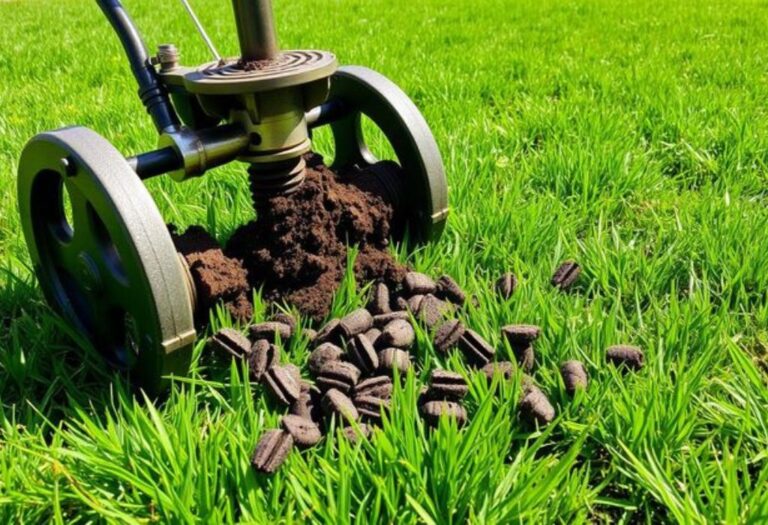
- Firming Soil After Aeration: Aerating your lawn involves creating small holes in the soil to improve air, water, and nutrient circulation. After aeration, a lawn roller can be used to firm the soil. This helps to close the holes slightly. This process prevents the soil from remaining too loose, which could lead to poor root growth.
Firming the soil after aeration is an important step to ensure the soil structure remains intact and provides the best conditions for grass growth. By using a lawn roller, you help to stabilize the soil, which prevents it from becoming overly loose. This is very beneficial for roots and their ability to anchor themselves and absorb nutrients. The proper soil structure helps the grass grow more vigorously and become more resilient.
How to Choose Lawn Roller Weight

Selecting the appropriate weight for a lawn roller is important for achieving the best results without damaging your lawn. The ideal weight depends on a number of factors, including the type of soil, the task at hand, and the size of your lawn. Choosing correctly ensures that you can improve your lawn’s condition without causing issues like soil compaction, which can hurt grass growth.
Soil Type and Its Effect on Roller Weight
The type of soil in your yard will affect the weight you should use for your lawn roller. Different soil types have different characteristics regarding compaction and how they respond to pressure. Knowing your soil type helps you to determine the right amount of pressure to apply, which is important for getting the results you need without causing harm.
-
- Sandy Soil: This type of soil drains well but can be easily compacted if too much weight is applied. Use a lighter lawn roller on sandy soil to avoid creating a compacted layer that can restrict root growth and reduce water absorption.
Sandy soil is known for its excellent drainage qualities. However, it’s also prone to compaction if subjected to excessive weight. When working with a sandy soil lawn, it is best to use a lighter lawn roller. This helps to prevent the soil from becoming too compacted, allowing the grass roots to grow properly. Good aeration is important for sandy soil because it prevents the soil from becoming overly dense, which is key for a healthy lawn.
-
- Clay Soil: Clay soil tends to hold water and is prone to compaction. When rolling clay soil, it’s very important to avoid using a roller that is too heavy, as this can make the soil extremely dense, making it hard for grass roots to grow and also preventing water and air from getting to the roots.
Clay soil, with its fine particles, has the capacity to retain more water than other types of soil, but this also means it can be very vulnerable to compaction. If you use too much weight, clay soil can become very dense and can reduce air and water movement, which grass roots need to grow. When rolling clay soil, it’s best to use a light touch to prevent these issues. Proper aeration is very helpful for improving clay soil’s structure.
-
- Loamy Soil: Loamy soil is a balanced mixture of sand, silt, and clay. It generally drains well and is fertile. Loam is the ideal soil type for most lawns, as it provides a good balance of drainage, aeration, and nutrient retention.
Loamy soil, a mix of sand, silt, and clay, is ideal for lawns because it has the right balance of drainage, air circulation, and nutrients. It typically handles a range of roller weights well. But, it’s still best to be careful and avoid using too much weight. Proper rolling improves the lawn’s condition. The right approach leads to a thriving, healthy lawn.
Matching Roller Weight to Lawn Tasks
Different lawn care tasks require different roller weights. For example, smoothing a newly seeded area needs a lighter touch than leveling out significant bumps. The specific task will directly impact how heavy your roller should be. Adjusting the weight according to the task ensures optimal outcomes and prevents damage to your lawn.
-
- Smoothing the Surface: For smoothing a lawn’s surface, particularly after over-seeding or applying fertilizer, a lighter roller weight is usually best. This helps to ensure that seeds and fertilizer are in contact with the soil. A light rolling action is key.
When smoothing the surface of your lawn, a lighter roller weight is generally the most effective approach. This technique is often used after seeding or fertilizing, as it gently presses seeds into the soil and helps ensure even distribution of fertilizer. A lighter weight also helps to avoid compaction, which is particularly important if your soil is already compact. This is key for creating a healthy lawn.
-
- Leveling Uneven Ground: For leveling uneven ground, a medium-weight roller can be effective. If the unevenness is significant, it’s very important to avoid using an overly heavy roller. It could compact the soil too much. Proper leveling involves more than just weight.
For leveling uneven ground, using a medium-weight lawn roller is often the best strategy. The goal is to smooth out bumps and dips. But, it’s important to be careful to avoid applying excessive pressure. If the unevenness is significant, using too much weight could compact the soil. Proper leveling is important for creating a smooth, safe, and attractive lawn surface, and it requires careful consideration of both weight and technique.
-
- Firming Soil After Seeding: After seeding, a medium weight roller is generally the right choice. This helps to press the seeds into the soil for good contact. The goal here is to gently press the seeds to provide the best chance for germination.
After seeding your lawn, the right amount of pressure is key for successful germination. A medium-weight lawn roller is usually the best approach for this task. It is used to gently press the seeds into the soil, creating direct contact and helping them to absorb moisture and nutrients. This gentle rolling action is vital for promoting healthy grass growth and ensuring your seeding efforts yield a lush, green lawn. Proper rolling is key for ensuring good germination.
Factors Affecting Roller Weight
When choosing a lawn roller, you need to consider factors like the size of your lawn, the type of grass you have, and the level of compaction already present in your soil. These factors affect the ideal roller weight needed. Considering these aspects leads to better results.
-
- Lawn Size: Larger lawns may handle heavier rollers due to the need to cover more ground. However, using too heavy a roller on a large lawn can result in excessive compaction. Smaller lawns generally require lighter rollers.
The size of your lawn is an important factor when selecting a lawn roller. For larger lawns, using a slightly heavier roller may seem appealing to speed up the process. But be careful not to create soil compaction. For smaller lawns, lighter rollers are generally preferable because they can more easily be maneuvered. So, whether you have a large or small lawn, you should keep weight in mind.
-
- Grass Type: Different grass types may have varying levels of tolerance to soil compaction. Fine fescue and bentgrass can be more sensitive to compaction, which means that using too heavy a roller could damage these types of grass.
Different grass types have different tolerance levels to soil compaction, so this needs to be taken into account when choosing a lawn roller. Fine fescue and bentgrass are more sensitive to compaction compared to other types. This means that using an overly heavy roller could harm these varieties. Understanding the traits of your grass type is very helpful for choosing the correct weight for your roller and protecting your lawn.
-
- Soil Compaction: If your soil is already compacted, using an extremely heavy roller could make the problem worse. In highly compacted soils, light rolling or aeration may be the better option, followed by a light rolling.
Before you start rolling, you need to think about the current condition of your soil. If your soil is already compacted, using a very heavy roller could make the problem worse. In such cases, lighter rolling or even aeration can be more appropriate. A thorough evaluation of soil compaction will ensure that you choose the most suitable weight, which is essential for maintaining the health and vitality of your lawn.
Using a Lawn Roller Safely and Effectively
Using a lawn roller safely and effectively involves more than just choosing the correct weight; it includes proper techniques and knowing when and how to roll your lawn. Following safety measures and using the right methods ensures you get the best outcomes without causing damage to your yard or yourself.
Safety Guidelines for Using a Lawn Roller
Safety is key when operating a lawn roller, and following some simple guidelines can prevent accidents and ensure a smooth experience. From wearing the right gear to taking breaks when needed, these safety guidelines protect you and your property.
-
- Wear Appropriate Safety Gear: This includes sturdy shoes to protect your feet. You should also wear gloves to help with grip. Eye protection is also recommended.
Wearing the right safety gear is very important when using a lawn roller. This includes sturdy shoes to protect your feet, which is especially important if the ground is uneven or if you’re using a walk-behind roller. Wearing gloves helps improve grip and protects your hands from blisters or abrasions. Eye protection is also good to protect your eyes from any debris that might get kicked up during operation.
-
- Check for Obstacles: Before you start, check your lawn for any objects, such as rocks, branches, or buried utilities. Clearing these items is vital to avoid damaging the roller or causing injury.
Before using a lawn roller, take the time to inspect your yard to make sure it is clear of obstructions. This includes checking for rocks, branches, and any other debris that might be lying on the surface. Also look for buried utilities like irrigation lines, which can be damaged if the roller is used carelessly. Clearing these obstacles ensures the roller runs smoothly. This also prevents damage to the roller, the lawn, and any underground utilities.
-
- Avoid Rolling on Wet Lawns: Rolling a lawn that is too wet can lead to excessive compaction, causing soil damage. It’s best to wait until the grass has dried.
You should never roll your lawn when it is wet, as this could cause excessive compaction. Wet soil is more prone to compression than dry soil, and rolling it can result in a dense, unhealthy environment for grass roots. Avoid rolling right after rain or irrigation. Wait until the grass is completely dry.
Techniques for Effective Lawn Rolling
The method you use when rolling your lawn is important for getting the best outcomes. Using the correct techniques, such as overlapping passes and controlling your speed, ensures that you can flatten the ground without causing damage to the grass. Proper technique is key for improving your lawn’s health and look.
-
- Overlap Passes: Overlap each pass by a few inches to ensure full coverage. This also helps to avoid leaving any streaks or areas of unevenness. Consistent coverage is key for a well-rolled lawn.
When rolling your lawn, overlapping each pass is key to ensure complete and even coverage. Overlapping each pass by a few inches will ensure that no area is missed. This helps to prevent uneven patches or streaks. This technique also helps to provide a smooth, consistent finish. Consistent coverage is very beneficial for achieving a professional look.
-
- Control Your Speed: Move at a steady pace. Rolling too quickly can result in an uneven finish and reduce the effectiveness of the process. Maintaining a consistent speed is very important.
Maintaining a steady pace is very important when you are using a lawn roller. Rolling too fast can result in an uneven finish. Also, you might not get the same results as when rolling slower. Taking your time allows the roller to do its job. Also, it helps you keep control of the equipment. Consistent and measured rolling ensures even pressure and consistent outcomes. This is key for achieving the desired results.
-
- Roll in Multiple Directions: For best results, roll the lawn in one direction and then go again at a perpendicular angle. This helps to address unevenness from all angles. This process ensures a more even, level result.
For the best results, rolling your lawn in different directions is often very helpful. When you roll the lawn in one direction and then repeat the process at a perpendicular angle, you are making sure all areas are addressed. This method is helpful for reducing unevenness. This method ensures that all areas are evenly rolled. It’s a great strategy for achieving a smooth, level finish.
When to Roll Your Lawn
Knowing when to roll your lawn is just as important as knowing how to roll it. Rolling at the right time of year, when the soil conditions are optimal, and when the grass is in an active growth phase can make a huge difference in the results. Proper timing is key for a healthy, beautiful lawn.
-
- Spring: This is an ideal time to roll your lawn. The soil is more pliable. It is helpful to level out any bumps that may have appeared during winter. This prepares the lawn for active growth.
Spring is often considered the ideal time to roll your lawn. During this time, the soil is generally more pliable, especially after the winter freeze. Rolling during spring helps to level out any bumps that may have emerged during the winter months. This preparation is a great way to improve your lawn’s health and look and helps the grass get off to a good start in the growing season. This helps promote a lush, healthy lawn.
-
- After Seeding: After seeding a new lawn or overseeding an existing one, rolling is very helpful to ensure the seeds have good contact with the soil. Doing this will boost germination and growth.
Rolling your lawn after seeding is a great way to boost germination. It ensures that the grass seeds have good contact with the soil. This is the best way to help the seeds absorb moisture and nutrients needed to grow. Rolling after seeding enhances the likelihood of success. It promotes lush, healthy grass growth.
-
- Avoid Rolling in Summer: During the summer months, lawns are often under stress from high temperatures and heat. Rolling at this time could cause additional damage. It is best to avoid rolling your lawn during the hot summer months.
It’s best to avoid rolling your lawn during the summer. Lawns face stress from heat and sometimes from drought. Rolling the lawn at this time can add more stress and harm the grass. Proper care in the summer months will ensure a healthy, vibrant lawn in the long run.
Examples and Scenarios
Understanding real-world scenarios can help clarify how to choose lawn roller weight. These examples demonstrate the practical application of the concepts discussed. They provide insights into the results.
-
- Scenario 1: Smoothing a New Lawn.
- A homeowner seeded a new lawn with a blend of Kentucky bluegrass.
- After seeding, the homeowner chose to use a water-filled roller. They partially filled the roller to a medium weight.
- The homeowner gently rolled the lawn in multiple directions to press the seeds into the soil.
- Results: The lawn germinated evenly and quickly, with a lush, full appearance.
- Scenario 1: Smoothing a New Lawn.
In this example, the homeowner’s decision to use a water-filled roller was perfect for gently pressing the grass seeds into the soil, which greatly improved the chances of successful germination and strong growth. This scenario shows how selecting the right equipment and methods is critical. The results are a full and beautiful lawn.
-
- Scenario 2: Leveling an Uneven Lawn.
- A homeowner noticed that their lawn had developed bumps and dips over the years due to soil settling.
- They chose a walk-behind roller.
- They filled the roller with water to a medium-heavy weight. They then rolled the lawn in overlapping passes.
- Results: The lawn’s surface became noticeably more even, making it safer and easier to mow and enjoy.
- Scenario 2: Leveling an Uneven Lawn.
This scenario highlights the practical use of a lawn roller to tackle issues such as soil settling. The decision to use a medium-heavy roller allowed for effective leveling, leading to a much safer and more aesthetically pleasing lawn. It demonstrated how choosing the correct roller and using the right method can directly address common lawn issues.
| Rolling Task | Ideal Roller Weight | Soil Type Considerations | Additional Notes |
|---|---|---|---|
| Smoothing a New Lawn | Lighter to Medium | Suitable for all soil types. Avoid over-compaction. | Ensure good seed-to-soil contact. Roll gently. |
| Leveling Uneven Ground | Medium to Medium-Heavy | Adjust weight for clay soil. Heavier on loamy soil. | Multiple passes in different directions are useful. |
| Firming After Seeding | Medium | Suitable for all soil types. | Important for uniform seed contact. |
Frequently Asked Questions
Question: How do I know if my soil is compacted?
Answer: A simple test is to try to push a screwdriver into the soil. If it’s difficult, your soil may be compacted. Other signs include poor water drainage and thin, sparse grass.
Question: Can I use a lawn roller on a slope?
Answer: Yes, but you must be very cautious. Use a lighter weight and roll across the slope. Avoid rolling up and down the slope to prevent the roller from losing control.
Question: What’s the difference between a lawn roller and a lawn aerator?
Answer: A lawn roller smooths the soil surface, while a lawn aerator creates holes in the soil to improve air, water, and nutrient flow to the roots.
Question: How often should I roll my lawn?
Answer: It depends on your lawn’s needs. Generally, rolling once or twice a year, especially in spring, is enough. Do not roll too frequently.
Question: Can I rent a lawn roller?
Answer: Yes, lawn rollers are available to rent from most equipment rental stores. Renting is a good option if you do not want to purchase one.
Final Thoughts
Choosing the correct lawn roller weight is an important step in keeping a healthy and beautiful lawn. By considering your soil type, the task you are performing, and the size of your lawn, you can select the correct roller. Knowing the weight to use for your lawn helps in smoothing the surface and firming the soil. Using the right techniques and always being cautious ensures you can get the best possible outcomes, while also keeping your yard safe. Proper timing and considering the conditions make sure your efforts are effective. With the correct approach, you can greatly improve the appearance and health of your lawn. Get out there and start rolling—your lawn will thank you!