How to Tighten Pruning Shears for Smooth, Precise Cuts
Loose pruning shears can make gardening frustrating and even unsafe. Blades that wobble or pivot improperly produce uneven cuts and increase the risk of plant damage.
Understanding how to tighten pruning shears ensures clean, precise cuts for healthier plants. Properly adjusted shears reduce hand fatigue and make pruning more efficient, saving time during garden maintenance.
Many gardeners struggle with blade misalignment and slack in pivot points, which can lead to costly replacements or injuries.
According to Better Homes & Gardens, maintaining garden tools properly can extend their lifespan by up to 50%, improving efficiency and reducing wear (source).
Safe tightening also protects the integrity of springs and pivot mechanisms. Maintaining these components ensures smooth operation, longevity, and consistent performance.
Why Tightening Pruning Shears Matters
Properly tightened pruning shears prevent blade wobbling and misalignment. Loose blades reduce cutting precision and can tear plant stems, harming overall plant health.
Tightening also ensures optimal pivot and spring tension. Balanced tension allows smooth opening and closing of the shears, reducing hand fatigue during prolonged pruning sessions.
Maintaining proper blade alignment improves pruning efficiency. Clean, precise cuts encourage faster plant recovery and minimize the risk of disease or infection.
Regular tightening extends the life of pruning shears. Preventing unnecessary wear on the pivot, blade, and handle helps maintain peak performance for years.
Understanding the importance of proper tension establishes a foundation for effective adjustments, maintenance, and safe gardening practices. Proper tightening protects both the user and the plants being pruned.
Common Problems Caused by Loose Shears
Loose pruning shears often produce uneven or ragged cuts. This damages plant stems and slows recovery, affecting overall plant health.
Wobbly blades increase hand fatigue. Extra effort is required to compensate for unstable cutting, making pruning tasks more tiring and less efficient.
Misaligned springs or pivots can result from loose bolts. This reduces blade tension and may lead to mechanical failure over time.
Blade slipping creates safety hazards. Accidental cuts can occur if the shears move unexpectedly during use.
Neglecting to tighten shears accelerates wear and tear. Loose components experience more friction and stress, shortening the tool’s lifespan.
Recognizing these problems highlights the importance of proper tightening to maintain pruning efficiency, safety, and tool longevity.
Tools and Materials Needed to Tighten Shears
A wrench or adjustable spanner is essential for adjusting the pivot bolt. Using the correct tool prevents stripping or damaging the bolt head.
Lubricating oil ensures smooth blade movement after tightening. Applying a thin coat reduces friction and protects metal components from rust.
A screwdriver may be required for some pruning shear models. Correctly sized screwdrivers prevent slippage and damage to screws or bolts.
Cleaning cloths remove dirt, sap, and moisture from blades before adjustments. A clean surface ensures precise tensioning and smooth operation.
Protective gloves safeguard hands from sharp edges during adjustments. Safety is crucial when handling metal blades and pivot components.
Having all necessary tools and materials ready streamlines the tightening process, improves safety, and ensures optimal shear performance.
Preparing Pruning Shears for Tightening
Begin by cleaning blades thoroughly to remove sap, dirt, and moisture. A clean surface ensures precise adjustments and prevents corrosion.
Inspect the pivot, bolt, and springs for signs of wear or damage. Identifying issues beforehand prevents improper tightening and potential tool failure.
Loosen any debris or rust from the bolt threads. Lubrication at this stage allows smooth adjustments and protects metal surfaces.
Check handle stability and blade alignment. Proper alignment ensures consistent cutting performance once the shears are tightened.
Set up a stable workspace to work safely. Controlling the environment minimizes slips and accidental damage during the tightening process.
Step-by-Step Guide to Tightening Pruning Shears
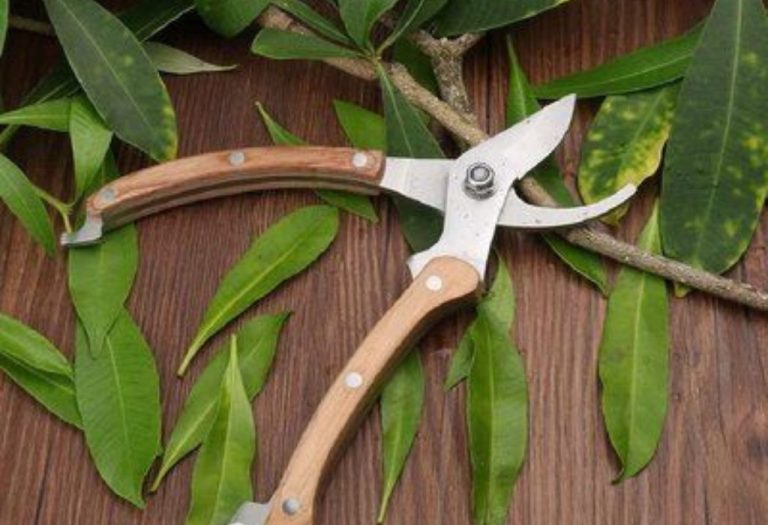
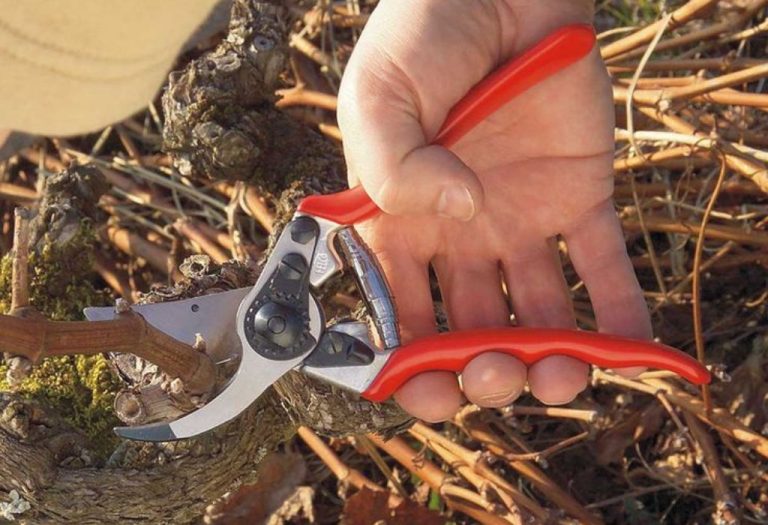
Identify the pivot bolt on the pruning shears. This is the primary adjustment point for blade tension and alignment.
Loosen the bolt slightly if it is stuck or overly tight. Applying a small amount of lubricating oil can help ease movement.
Adjust the tension to eliminate blade wobble. Proper tension ensures smooth, precise cuts without excessive force.
Retighten the bolt gradually while checking blade movement. Avoid over-tightening, which can strip threads or stress the pivot.
Test the shears on soft plant material. Ensuring smooth operation confirms that the tightening process was successful.
Adjusting for Different Shear Designs
Bypass shears require careful attention to the pivot bolt tension. Proper adjustment ensures blades slide past each other cleanly for precise cutting.
Anvil shears need the blade to sit flush against the anvil. Misalignment can crush plant stems instead of making a clean cut.
Ratchet shears rely on gear alignment and spring tension. Ensuring proper engagement prevents slipping and maintains cutting efficiency.
Heavy-duty or professional-grade shears may require specialized wrenches. Using the correct tools prevents damage to bolts and preserves blade integrity.
Compact or lightweight shears demand careful tensioning. Over-tightening can stress handles or pivots, reducing the tool’s lifespan and performance.
Safety Tips During Tightening
Always wear protective gloves and eyewear when adjusting pruning shears. This prevents accidental cuts from sharp blades and flying debris.
Work on a stable surface to avoid slips or drops. Controlled handling reduces the risk of injury during the tightening process.
Keep fingers clear of the blades while turning bolts. Proper hand placement ensures safety and precision during adjustments.
Avoid excessive force that could strip threads or damage springs. Gradual tightening maintains both safety and tool integrity.
Regularly inspect shears before and after adjustments. Identifying wear or damage early prevents accidents and preserves tool performance.
Maintenance After Tightening
Apply a thin coat of lubricating oil to the pivot and blade areas. This prevents rust and ensures smooth operation for future use.
Wipe away excess oil to avoid dirt accumulation. A clean surface maintains blade sharpness and prevents gumming.
Inspect blade alignment periodically. Proper alignment ensures continued precise and safe cuts.
Check bolt tightness after the first use post-adjustment. Minor loosening can occur, and timely correction maintains optimal tension.
Store shears safely in a dry, organized location. Proper storage prolongs tool life and preserves the effects of tightening and maintenance.
Signs Your Shears Need Retightening
Wobbly or misaligned blades indicate the pivot bolt may be loose. This affects cutting precision and can damage plants.
Excessive effort required for cuts suggests improper tension. Tightening restores smooth operation and reduces hand fatigue.
Audible clicks or looseness at the pivot point signal a need for adjustment. Addressing it prevents further wear on springs and handles.
Irregular or ragged cuts are a visual sign of blade instability. Retightening ensures clean, efficient pruning.
Springs that feel slack or weak indicate reduced tension. Proper adjustment restores optimal performance and tool longevity.
Common Mistakes to Avoid
Over-tightening the pivot bolt can strip threads or stress the handles. Gradual adjustments maintain both safety and tool integrity.
Tightening without cleaning blades first allows dirt or sap to interfere with proper alignment. Clean blades ensure smooth operation and precise cuts.
Ignoring wear on springs or pivots reduces efficiency. Regular inspection and timely adjustments prevent tool failure.
Using the wrong-sized tools can damage bolts or pivot components. Matching tools to the shear design preserves functionality and lifespan.
Skipping post-tightening testing may leave misalignments undetected. Always test shears on soft material before full use.
Avoiding these mistakes ensures pruning shears remain safe, efficient, and durable for years of gardening use.
Conclusion
Tightening pruning shears correctly ensures smooth, precise cuts and protects both the tool and the user. Properly adjusted shears reduce hand fatigue and prevent damage to plants during pruning.
Regular inspection, cleaning, and lubrication after tightening maintain blade sharpness and pivot integrity. These practices extend the lifespan of pruning shears and improve overall efficiency.
Following expert guidelines prevents common mistakes such as over-tightening, misalignment, and accidental injury. Proper tightening preserves functionality, safety, and performance for long-term use.
By implementing these step-by-step techniques, gardeners can maintain pruning shears that perform reliably and safely. Take action today to inspect, adjust, and tighten your tools for optimal gardening results.

I’m Maya L. Greenwood, a lifelong plant lover who believes anyone can grow something beautiful with the right guidance. After years of testing soil mixes, pruning methods, irrigation tricks, and pest-safe solutions, I started EasyGardenTips.com to turn hard-won lessons into step-by-step advice. From seed starting and container gardens to composting and seasonal checklists, my goal is to make gardening simple, sustainable, and fun.