Electric vs Gas Lawn Mower: Key Differences Explained
Mowing the lawn seems simple—until a sudden throttle failure, fumes lingering, or a loud engine disrupts the peace. Many homeowners find themselves wondering whether an electric mower can truly match the raw power of a gas mower.
That tension lies at the heart of the debate: electric vs gas lawn mower—which is better for your yard and lifestyle?
Electric mowers promise quiet operation, zero exhaust emissions, and lower upkeep. Gas mowers, by contrast, deliver proven torque, longer runtime (via refueling), and rugged performance.
According to The Home Depot, gas lawn mowers can offer nearly twice the power of some electric models. homedepot.com Meanwhile, Consumer Reports shows gas models still lead slightly in even cutting performance. consumerreports.org
Those stats hint at the tradeoffs each type brings—neither is universally superior. Understanding electric vs gas lawn mower differences could save you time, money, and frustration down the line. The right choice depends on your yard size, slope, climate, and how much effort you’re willing to invest.
What Are Electric and Gas Lawn Mowers?

An electric lawn mower operates using electricity supplied either through a corded connection or a rechargeable battery. Instead of a combustion engine, it uses an electric motor that spins the cutting blade efficiently and quietly.
Corded models provide constant power for smaller, close-range yards, while battery-powered mowers offer portability with a typical runtime of 30 to 60 minutes per charge.
Advances in lithium-ion technology have significantly improved battery life, torque, and charging speed, making electric mowers increasingly practical for most homeowners.
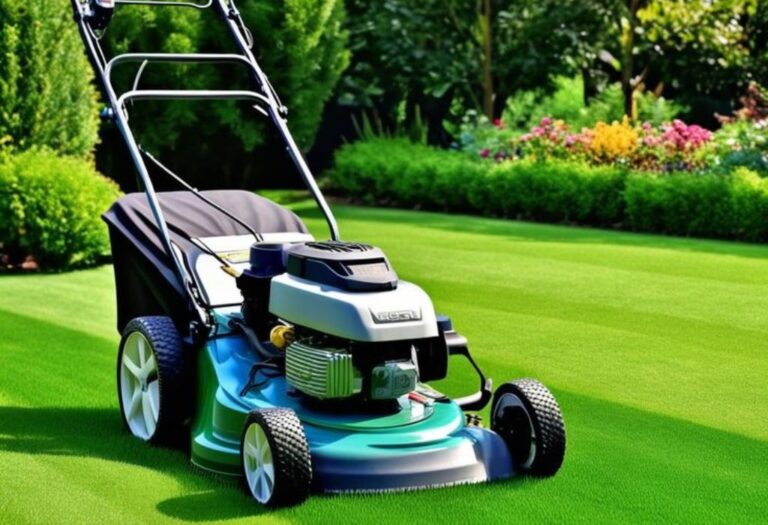
In contrast, a gas lawn mower relies on an internal combustion engine fueled by gasoline to generate cutting power.
These machines use pistons and a carburetor system to drive both the blades and, in some models, the wheels. The result is stronger torque and longer runtime, which make gas mowers ideal for larger yards and tougher terrains.
However, they are heavier, noisier, and require more frequent maintenance, such as oil changes, spark plug replacements, and fuel stabilization during storage.
In simple terms, electric mowers prioritize convenience, low noise, and eco-friendliness, while gas mowers excel in power, endurance, and versatility.
Understanding how each type functions helps homeowners decide which fits their lawn’s demands and their preferred maintenance routine.
Advantages of Electric Lawn Mowers
The rise of the electric lawn mower represents a major shift in how homeowners approach yard care. These machines are designed for simplicity, efficiency, and sustainability.
Unlike gas-powered models that rely on combustion, electric mowers use battery or corded power, eliminating the need for fuel, oil changes, or spark plug replacements. This makes them remarkably low maintenance, saving both time and long-term costs.
One of the biggest advantages is quiet operation. Electric mowers typically operate at around 70 decibels or less, compared to gas models that can exceed 90 decibels. This allows users to mow early in the morning or late in the evening without disturbing neighbors.
The absence of exhaust emissions also makes electric models a cleaner, eco-friendly alternative—a growing concern as gas engines contribute significantly to small-scale air pollution.
Modern electric mowers have evolved far beyond early limitations. Thanks to high-capacity lithium-ion batteries, many now run up to an hour on a single charge, delivering consistent blade speed and torque.
They’re also lighter and easier to maneuver, making them ideal for small to medium-sized lawns. For homeowners seeking a sustainable, hassle-free mowing experience, electric models offer the perfect balance of power, efficiency, and convenience.
Advantages of Gas Lawn Mowers
The gas lawn mower has long been the traditional choice for homeowners who value raw power and endurance. Its internal combustion engine generates higher torque than electric motors, making it the best option for tall, thick, or wet grass.
This consistent strength allows gas mowers to handle larger yards and tougher terrains without slowing down or losing cutting performance.
A major advantage of gas mowers is their unlimited runtime. Unlike battery models that require recharging, a gas mower can run continuously as long as fuel is available.
Refueling takes only a few minutes, making it highly efficient for those maintaining half-acre or multi-acre lawns. For professional landscapers and property owners, this reliability is a key reason gas mowers remain a dominant choice.
Durability is another defining benefit. Built with metal components and heavy-duty engines, gas mowers are designed to withstand long hours of operation and challenging conditions. They also offer a wider cutting width, enabling faster mowing across broad spaces.
Although gas mowers require more upkeep—like oil changes, spark plug replacements, and fuel stabilization—their unmatched performance and endurance make them a powerful and reliable solution for demanding mowing jobs and expansive lawns.
Key Differences Between Electric and Gas Lawn Mowers

When comparing an electric vs gas lawn mower, the most significant differences lie in power, maintenance, and convenience.
Gas mowers dominate in terms of cutting strength and endurance, making them suitable for large yards, dense grass, and uneven terrain. Their combustion engines deliver higher torque, maintaining consistent blade speed even when conditions get tough.
Electric mowers, on the other hand, trade brute strength for efficiency. They’re lighter, quieter, and easier to operate, making them perfect for small to medium lawns with well-maintained grass.
Maintenance is another major dividing factor. Gas mowers require routine care—oil changes, air filter replacements, and fuel system cleaning.
Electric models eliminate these tasks entirely. With no engine fluids or exhaust systems, upkeep is minimal. Owners only need to keep the blades sharp, batteries charged, and decks clean.
From an environmental standpoint, electric mowers are far cleaner, producing zero direct emissions. Gas mowers release pollutants like carbon monoxide and nitrogen oxides, contributing to air quality concerns.
While electric models cost slightly more upfront, they often save money in fuel and maintenance over time.
In short, gas mowers prioritize raw performance, while electric mowers deliver eco-friendly efficiency and simplicity, appealing to modern homeowners seeking sustainability.
Cost, Maintenance, and Operating Efficiency
The long-term cost of owning an electric vs gas lawn mower extends beyond the purchase price. Electric mowers generally cost more upfront, especially for high-end battery-powered models.
However, they quickly balance that with lower operating and maintenance costs. There’s no need to buy gasoline, oil, or replacement spark plugs, and the overall upkeep is minimal.
Charging a battery costs only a few cents per session, making electric models far cheaper to run season after season.
Gas mowers, while often cheaper initially, tend to be more expensive to maintain. Regular oil changes, air filter replacements, and fuel expenses add up over time. In addition, fuel price fluctuations can significantly affect annual operating costs.
According to Consumer Reports, electric mowers can save up to 30–40% in annual maintenance expenses compared to gas-powered options (source).
Efficiency also differs between the two. Electric mowers start instantly with the push of a button, while gas engines may require several pulls and occasional tuning. Electric models are more energy-efficient but depend on battery life, which gradually declines after a few years of use.
Ultimately, electric mowers offer lower lifetime costs and easier upkeep, whereas gas mowers trade higher maintenance for superior cutting power and extended runtime.
Environmental Impact and Noise Levels
One of the most overlooked yet crucial aspects of the electric vs gas lawn mower debate is environmental impact. Electric mowers produce zero direct emissions, making them a cleaner choice for eco-conscious homeowners.
Since they rely on battery or corded power, they eliminate the release of carbon monoxide, hydrocarbons, and nitrogen oxides—pollutants commonly emitted by gas engines.
According to the U.S. Environmental Protection Agency (EPA), small gas-powered engines like those in lawn mowers account for nearly 5% of total air pollution in the United States (source).
In addition to reducing emissions, electric mowers are much quieter, typically operating between 65–75 decibels. This makes them suitable for early morning or evening mowing without disturbing neighbors.
Gas mowers, on the other hand, often exceed 90 decibels, a noise level that can cause hearing damage with prolonged exposure.
The reduced noise pollution from electric mowers contributes to a more peaceful outdoor environment, particularly in suburban or shared residential areas.
Furthermore, electric mowers align with growing trends toward sustainable lawn care. As more cities adopt noise and emission regulations, battery-powered models are becoming the future standard.
While gas mowers remain powerful, the eco-friendly, low-noise performance of electric mowers offers a clear advantage for environmentally responsible homeowners.
Which One Is Best for Your Yard
Choosing between an electric vs gas lawn mower ultimately depends on your lawn’s size, layout, and mowing habits. For small to medium yards under half an acre, an electric mower is often the best choice.
It’s lightweight, easy to maneuver, and perfect for flat lawns with minimal obstacles. The lower noise level and maintenance needs make it ideal for residential neighborhoods or homeowners who prefer quiet operation.
However, for large properties or uneven terrain, a gas mower provides clear advantages. Its higher torque and unlimited runtime make it better suited for tall or thick grass, rough ground, and longer mowing sessions.
Gas models are also preferable for users who don’t want to wait for battery recharges and require consistent performance throughout the job.
Homeowners should also consider climate and storage. In hot or humid areas, electric batteries may degrade faster, while gas mowers can struggle to start in cold weather. Cordless electric models excel in convenience but require regular charging and proper battery care.
In summary, electric mowers are ideal for smaller, low-maintenance lawns, while gas mowers dominate in power and endurance for larger, demanding yards. Matching the mower’s strengths to your specific lawn conditions ensures efficiency, durability, and lasting satisfaction.
Conclusion
The debate over electric vs gas lawn mower highlights two distinct approaches to lawn care—one driven by efficiency and sustainability, the other by power and endurance.
Electric mowers have advanced rapidly, offering quiet performance, zero emissions, and easy maintenance, making them a smart choice for modern homeowners who value convenience and eco-friendliness.
Gas mowers, however, continue to lead in raw cutting power and long runtime, thriving in large yards, uneven terrain, and heavy-duty mowing conditions. Their durability and ability to refuel instantly make them reliable workhorses for demanding tasks.
Ultimately, the best mower depends on your yard size, terrain, and lifestyle. If you prefer simplicity, lower upkeep, and cleaner operation, an electric mower is the future-forward option.
If you need maximum torque, long-lasting performance, and proven dependability, a gas mower remains hard to beat.
No matter which you choose, regular maintenance—like blade sharpening, cleaning, and proper storage—will ensure consistent results and a healthier lawn.
By understanding the strengths and trade-offs of both types, homeowners can make an informed decision that balances comfort, performance, and environmental responsibility for years to come.

I’m Maya L. Greenwood, a lifelong plant lover who believes anyone can grow something beautiful with the right guidance. After years of testing soil mixes, pruning methods, irrigation tricks, and pest-safe solutions, I started EasyGardenTips.com to turn hard-won lessons into step-by-step advice. From seed starting and container gardens to composting and seasonal checklists, my goal is to make gardening simple, sustainable, and fun.