Grow Tent Operation Tips for a Safe Indoor Garden
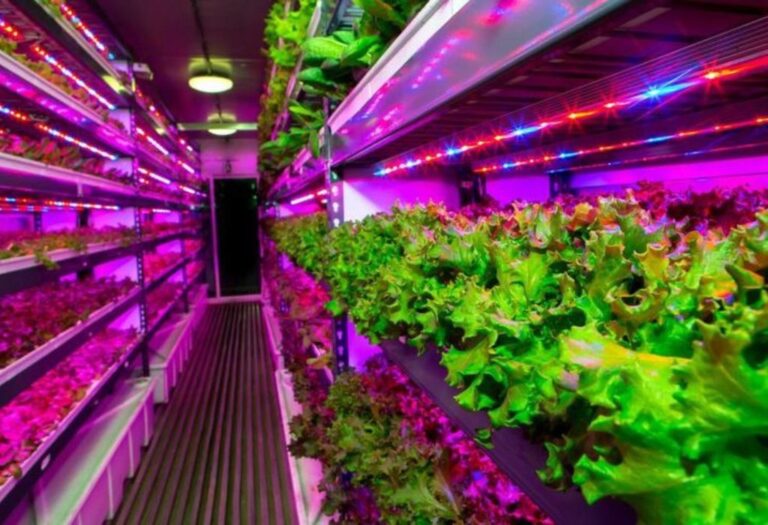
Setting up a grow tent is a common interest, particularly for those new to indoor gardening. The abundance of equipment, from powerful lights to electrical systems, can make grow tent safety tips seem a bit challenging at first. Don’t worry, we’ll keep it simple! This guide breaks down the basics to help you create a safe and thriving indoor garden. We’ll start with the essentials, making sure you know the important steps to operate a tent safely and effectively.
Setting Up Your Grow Tent Correctly
The first steps you take are very important for the safety of your grow tent. Getting these initial settings right can prevent issues later. From choosing a good spot for your tent to putting together the frame and installing the right equipment, there’s a lot to consider. We’ll explore these aspects, covering crucial points like ventilation and electrical setups. It is essential to remember that a secure setup is the foundation of a successful growing experience. This also sets the stage for healthy plants.
Choosing the Right Location for Your Tent
Choosing the right spot is more than just finding somewhere that fits; it is about finding a space that protects both your garden and your home. You want a location that’s away from direct sunlight, which could increase the temperature and harm your plants. Make sure the area has easy access to an electrical outlet. Proper ventilation is also key. The grow tent will need to vent air and potentially control humidity, so consider the availability of vents or windows in the area. Avoiding dampness is a must, so it’s best to keep the tent away from any areas prone to moisture, like basements.
- Ventilation is essential: Ensure the space has good airflow. This helps in removing heat and maintaining the right humidity levels inside the tent. Consider using an exhaust fan to pull air out and a carbon filter to remove odors.
- Assess the electrical situation: Check if your electrical circuit can handle the lights and other equipment you plan to use. Overloading a circuit poses a fire risk.
- Consider accessibility: Pick a place where you can easily reach your plants for watering, checking, and general care. Easy access makes maintaining your garden much simpler.
- Control temperature: Aim for a spot where temperature fluctuations are minimal. Extreme heat or cold can harm your plants and affect the grow tent’s performance.
Assembly and Equipment Placement Inside
Once you have selected your space, the next stage is assembling the grow tent and carefully putting in your equipment. This part involves putting together the tent frame, hanging lights, installing ventilation systems, and putting down your grow medium. Every step is about making your garden safe. Proper setup helps keep the equipment within the tent from causing any risk. It also keeps your plants and the whole setup operating smoothly.
- Frame and Tent Structure: Follow the manufacturer’s instructions to build your tent frame. Make sure all the poles are correctly connected and that the frame is sturdy. Place the tent on a level surface.
- Light Hanging: Securely hang your grow lights at the proper height from the plants. Use the provided hangers or sturdy rope. Keep the lights away from the tent walls to prevent heat build-up.
- Ventilation System: Put your exhaust fan and carbon filter in place, usually at the top of the tent. Ensure the ducting is properly connected to vent air outside or through a window.
- Planting Medium: Place your pots or grow trays with your growing medium. This could be soil, coco coir, or other soilless mixtures.
Understanding Electrical Safety in Your Grow Tent

Electricity is a vital part of your grow tent, but it is also a potential danger if not handled properly. Proper electrical safety is absolutely critical to avoid fires and electrical shocks. This section covers all the important points to make sure your electrical setup is secure and safe. Understanding the safe use of power strips, the hazards of overloading circuits, and best practices for electrical wiring are essential steps. Prioritizing electrical safety ensures that your grow tent remains a safe place for your plants and for you.
Power Strips and Extension Cords: Safe Usage
Using power strips and extension cords is very common in grow tents, but they must be used correctly. Power strips help to connect multiple devices to one outlet, while extension cords can add length. However, it is essential to be cautious to avoid overloading the circuit. If too many appliances draw too much electricity, this can lead to overheating. This could cause the power strip or cord to catch fire. Always use power strips and extension cords that are rated for the amount of power your equipment needs.
- Choose High-Quality Power Strips: Select power strips with surge protection to protect your equipment from voltage spikes. Make sure the power strip has an appropriate amperage rating for your equipment’s total power consumption.
- Avoid Overloading: Never plug more devices into a power strip than it can handle. Check the power ratings (watts or amps) of each device and add them up. Make sure the total does not exceed the power strip’s capacity.
- Proper Extension Cord Use: Use extension cords that are rated for outdoor use, especially if they will be exposed to moisture. Keep cords away from water sources.
- Inspect Regularly: Regularly check your power strips and cords for any signs of damage, such as fraying or cracks. Replace damaged items right away.
Circuit Overload and Grounding Practices
Circuit overload and good grounding are the cornerstones of electrical safety in your grow tent. Overloading happens when too many electrical devices draw more power than the circuit can safely handle. Grounding provides a path for excess electricity to go, preventing electric shocks. To ensure electrical safety, it is necessary to assess the electrical capacity of your circuits, use the right grounding methods, and prevent any risk of electric shocks.
- Assess Circuit Capacity: Before starting your grow tent, check the electrical panel to see how much power each circuit can manage. Lights, fans, and other equipment can use a lot of power.
- Use Grounded Outlets and Equipment: Make sure all outlets in your grow tent are grounded, and all your equipment uses three-prong plugs. Grounding provides an important safety path.
- Avoid Daisy Chaining: Do not plug one power strip into another. This is called “daisy chaining” and increases the risk of overloading circuits and fire.
- Regular Inspections: Regularly check your electrical setup for any wear and tear. Make sure wires are properly connected and that no devices are drawing more power than they should.
Controlling Temperature and Humidity for Grow Tent Safety
Controlling temperature and humidity within your grow tent is important not only for plant health but also for safety. Excessive heat can damage equipment, increase fire risk, and create an uncomfortable environment. Similarly, too much humidity can lead to mold growth and affect your equipment. Careful monitoring, ventilation, and the use of the right equipment are key to maintaining a safe, stable climate. This section will guide you through setting up climate control. It will help ensure that both your plants and your setup are protected.
Ventilation Systems for Air Circulation
An effective ventilation system is critical for controlling both temperature and humidity. It removes stale air and introduces fresh air. This helps to eliminate excessive heat, reduces humidity, and prevents the buildup of dangerous gases. The system also helps in preventing mold and other issues. Setting up a good ventilation system involves selecting the right fan size, planning airflow, and regular maintenance. A well-designed system keeps your plants healthy and ensures your grow tent is safe.
- Choosing the Right Fan: The fan should be large enough to circulate all the air in your tent frequently. Calculate the cubic feet per minute (CFM) needed. This depends on the size of your tent and the heat produced by your lights.
- Airflow Planning: Set up the fan to create a consistent flow of air within the tent. Place an exhaust fan at the top to remove hot air and an intake fan or passive intake at the bottom to bring in fresh air.
- Carbon Filter Use: If odors are a concern, use a carbon filter on the exhaust side to remove them. Make sure to replace the filter when it loses its effectiveness.
- Regular Maintenance: Check the fans and filters regularly to keep them clean. Remove dust and debris to keep them running efficiently.
Humidity Control and Its Importance
Proper humidity control is another important part of a safe grow tent. Excess humidity can cause mold and mildew to grow on your plants and the tent structure. This can damage equipment and cause health issues. Keeping humidity in check involves using humidifiers or dehumidifiers, monitoring humidity levels, and making sure there is proper airflow. Maintaining the right humidity levels ensures a safer environment for your plants and helps prevent any issues that can compromise the health of your garden.
- Monitoring Humidity: Use a hygrometer to regularly measure humidity levels inside your tent. Keep a record of your readings.
- Using Humidifiers and Dehumidifiers: Use a humidifier to increase humidity if the environment is too dry. A dehumidifier can be used to decrease humidity. Choose models designed for indoor growing.
- Proper Air Circulation: Make sure that the ventilation system is working effectively to circulate air and reduce humidity. This can reduce the growth of mold and mildew.
- Regular Inspection: Check your tent for signs of mold or mildew regularly. If you find any, address the cause immediately.
Reducing Fire Hazards and Water Damage
Fire and water are significant dangers in grow tents. Powerful lights and electrical setups can cause fires if not handled properly. Water spills or leaks from watering or hydroponics systems can cause electrical hazards and damage. Making sure the grow tent is protected from these risks is crucial. This involves keeping flammable materials away from the equipment, setting up water safeguards, and being prepared for emergencies. These precautions protect both your plants and your space from potential harm.
Preventing and Handling Fire Hazards
To reduce the chance of fire, you should pay attention to several safety measures. Keep flammable materials away from your grow lights and electrical equipment. Regularly check your equipment for any signs of wear. Have a fire extinguisher handy for emergencies. Being ready to respond to a fire emergency can help you to quickly contain the fire and minimize any damage. These steps are critical to ensuring the security of your tent and the safety of your plants and yourself.
- Keep Flammable Materials Away: Make sure there are no flammable materials near your lights, ballasts, or any other electrical equipment. Keep the area clear of paper, cloth, and other things that can catch fire easily.
- Regular Equipment Checks: Examine your electrical equipment and lights for any signs of wear and tear, such as frayed wires or cracked sockets. Replace any damaged items immediately.
- Fire Extinguisher: Have a fire extinguisher nearby and know how to use it. Make sure the extinguisher is appropriate for electrical fires.
- Emergency Plan: Have a plan in place. Know what to do if a fire starts, including turning off the power and evacuating the area.
Protecting Against Water Damage and Leaks
Water damage in a grow tent can cause electrical hazards, mold growth, and harm to equipment and plants. Preventing water damage involves taking precautions, from carefully watering your plants to using equipment that avoids leaks. Setting up safeguards, like leak trays and drainage systems, can help to contain water and reduce the damage. These preventive measures are essential for keeping your grow tent safe and for ensuring the well-being of your plants.
- Watering Practices: Water your plants carefully to avoid spills. Use trays under pots to catch any excess water.
- Equipment Placement: Place water sources and equipment that uses water, such as hydroponic systems, away from electrical devices.
- Leak Detection and Protection: Install a leak detection system or use leak-proof trays to catch any spills. Regularly inspect for leaks.
- Drainage Systems: If you use a hydroponic system, ensure that the drainage system is well designed and maintained to avoid spills.
Best Practices and Proactive Maintenance
Besides specific safety measures, some general best practices and proactive maintenance can significantly improve the safety and efficiency of your grow tent. Keeping your equipment clean, checking for any issues regularly, and following good habits will help you maintain a safe, thriving environment for your plants. It’s about being vigilant and proactive to prevent issues before they happen.
Regular Equipment Inspection and Cleaning
Regular equipment inspection and cleaning is essential for keeping your grow tent safe and efficient. Dust, debris, and wear and tear can reduce the performance of the equipment and increase the risk of hazards. Inspecting your equipment regularly for damage, cleaning it, and scheduling needed maintenance will greatly help to prolong the life of the equipment. It also prevents any hazards.
- Light Fixtures: Examine light fixtures for loose connections, damaged bulbs, and any signs of overheating. Clean the reflectors and lenses regularly to ensure the lights are working well.
- Fans and Filters: Keep your fans and filters clean to maintain airflow. Clean any dust or debris from fan blades. Change carbon filters as recommended.
- Electrical Components: Regularly check cords, power strips, and other electrical components for any damage. Make sure all connections are secure and that cords are not frayed or damaged.
- Water-Related Equipment: Check for any leaks in watering systems or hydroponic setups. Clean water tanks and lines.
Following Safe Growing Practices
Adopting safe growing practices will help keep your plants healthy. Good habits also contribute to the safety of your grow tent. This includes choosing the right nutrients, using pest control methods safely, and being aware of any potential dangers. The right choices will promote the best results while also keeping the environment safe and secure. Safe growing practices are about doing things carefully.
- Nutrient Management: Always follow the instructions when using fertilizers and nutrients. Overfeeding can cause problems. Always store chemicals correctly.
- Pest Control: Use pest control methods safely. Avoid using anything toxic that can be harmful to you or your plants. Follow all instructions.
- Plant Health: Regularly check your plants for any signs of disease or pests. Take care of any issues as quickly as possible.
- Record Keeping: Keep records of your growing practices. This will help you track changes in your tent and in the health of your plants.
Frequently Asked Questions
Question: What’s the most common fire hazard in a grow tent?
Answer: Overloaded electrical circuits, often caused by using too many devices on a single power strip, are a common fire hazard.
Question: How often should I check my grow tent’s wiring?
Answer: Check your wiring regularly, at least once a month, for any signs of wear, such as fraying or cracking. Replace damaged components right away.
Question: Can I use tap water in my grow tent?
Answer: Tap water might be okay, but it’s often better to use filtered water to prevent mineral buildup and potential harm to your plants. Test your water and adjust your practices accordingly.
Question: How can I tell if my grow tent is getting too hot?
Answer: You can tell if your grow tent is too hot by using a thermometer to measure the temperature. If it’s consistently above the recommended range for your plants (usually 70-85°F or 21-29°C), you need to improve ventilation.
Question: What do I do if I find mold in my grow tent?
Answer: If you find mold, remove the affected plants and clean the area thoroughly with a mold-killing solution. Improve airflow and control humidity to prevent future mold growth.
Final Thoughts
Keeping your grow tent safe requires careful planning, consistent attention, and the application of these grow tent safety tips. From choosing the correct location and putting the equipment in place to managing electricity and maintaining the environment, every step helps create a secure and thriving space for your plants. It’s important to prioritize safety to keep your plants protected. Also, it ensures the equipment lasts longer. By using regular checks and being ready for any problems, you can make sure your grow tent is a safe and fruitful place for all of your gardening projects. Embrace these practices, and enjoy a rewarding experience.