5 Best Self Propelled Gas Lawn Mower Under $400: Buying Guide
Finding the best self propelled gas lawn mower under $400 means balancing cutting width, engine power, drive traction, height adjustment, and the amount of confidence you can place in the available product information. A lower price does not automatically mean a poor mower, but it does make practical differences—such as wheel size, speed control, deck construction, and bag capacity—more important.
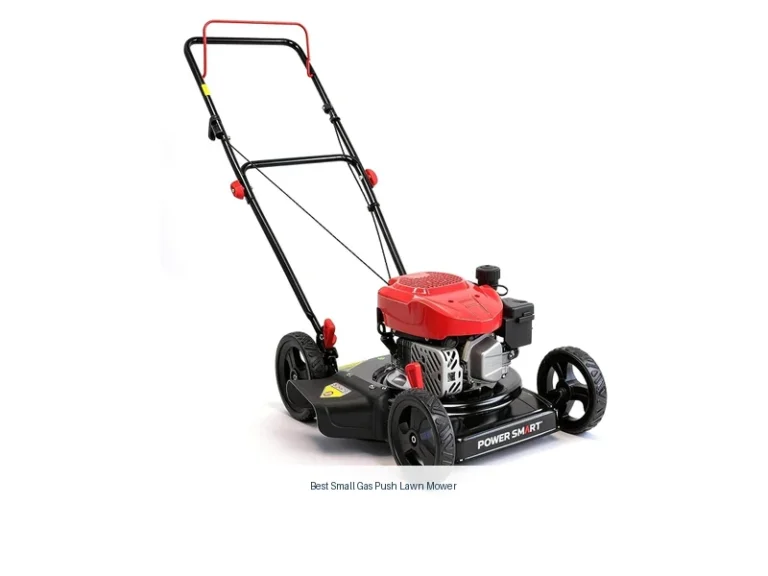
My first choice is PowerSmart 21″ Self-Propelled Gas Lawn Mower. It stands at the top of this 5-product list because it offers the strongest overall fit for the buying priorities covered below.
My second choice is SENIX 201cc 22″ 3-in-1 Variable Speed Self Propelled Gas Lawn Mower. It is the option I would compare next when a buyer has slightly different priorities from my first pick.
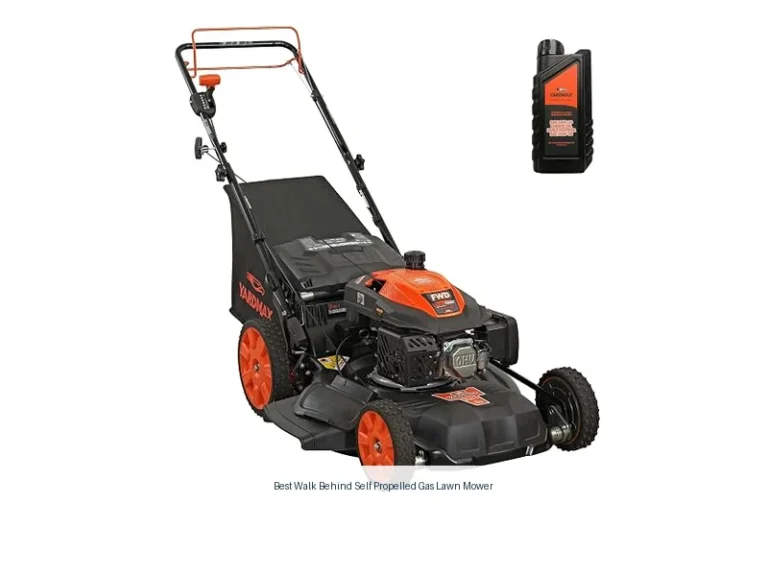
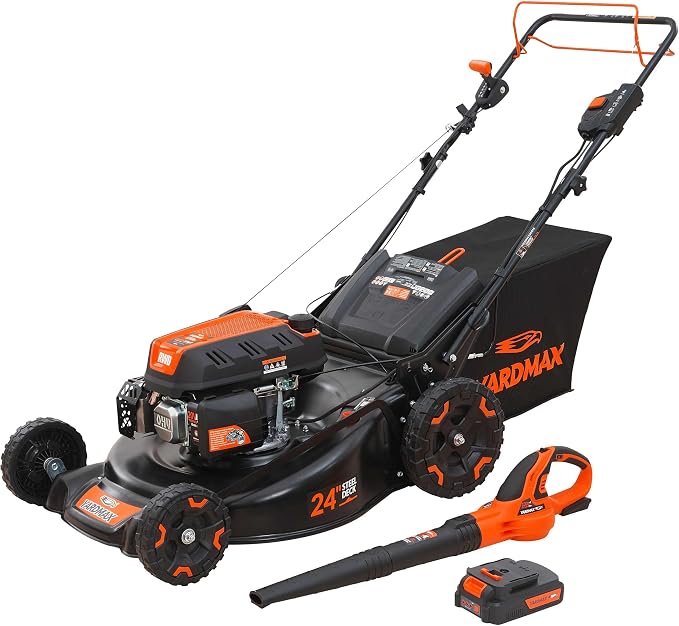
My third choice is YARDMAX 22 In. 201cc Select PACE 6-Speed CVT High-Wheel FWD Self-Propelled Mower. It rounds out my top three with a useful alternative for buyers whose priorities differ from the first two choices.
This guide compares all five candidates, explains who each mower suits best, and separates useful specifications from marketing noise. You will also find selection criteria, setup and maintenance advice, common mistakes to avoid, and focused answers to questions buyers commonly ask before choosing a gas self-propelled mower.
.amz-product-card:hover{transform:translateY(-3px)!important;box-shadow:0 10px 26px rgba(20,70,110,.12)!important;border-color:#bdd7ea!important;}
Best Self Propelled Gas Lawn Mower Under $400
I selected these mowers for their relevance to the search, the usefulness of their supplied specifications, the type of terrain and lawn sizes they address, and customer-feedback evidence where available. I also kept the list varied across established and lesser-known brands so shoppers can compare different approaches to deck size, propulsion, height control, and ownership convenience.
| # | Image | Product | Price on Amazon |
|---|---|---|---|
| 1 |  |
PowerSmart 21″ Self-Propelled Gas Lawn Mower | Check Price |
| 2 |  |
SENIX 201cc 22″ 3-in-1 Variable Speed Self Propelled Gas Lawn Mower | Check Price |
| 3 |  |
YARDMAX 22 In. 201cc Select PACE 6-Speed CVT High-Wheel FWD Self-Propelled Mower | Check Price |
| 4 |  |
Bdujhit 20″ Self-Propelled Gas Lawn Mower | Check Price |
| 5 |  |
AMERISUN AV8621S1 21″ 170cc 4-Cycle OHV Rear-Wheel-Drive Mower | Check Price |
PowerSmart 21″ Self-Propelled Gas Lawn Mower
The PowerSmart earns the top position by offering a balanced set of features rather than chasing one standout specification. Its 170cc overhead-valve engine is appropriately matched to a 21-inch steel deck, giving the mower a practical combination of cutting capacity and manageable size for medium yards.
Rear-wheel drive is useful when the lawn includes inclines or uneven sections because the powered wheels remain at the back of the machine. The 10-inch rear wheels should also help it roll over ordinary bumps more confidently than a mower with small wheels. That does not eliminate the need to guide it carefully on steep slopes, but it makes the layout more suitable for varied terrain.
The 3-in-1 system lets you bag clippings, mulch them, or discharge them from the rear. Bagging is helpful when the lawn needs a tidy finish, while mulching can return finely cut material to the grass. Rear discharge is convenient when speed matters more than collecting clippings. Six single-lever height positions span 1.5 to 3.9 inches, covering short decorative cuts and taller seasonal settings.
Pros
- Rear-wheel drive and 10-inch rear wheels suit slopes and uneven ground.
- 21-inch steel deck offers a useful balance of coverage and maneuverability.
- Bagging, mulching, and rear discharge provide flexible clipping management.
- Six height settings cover 1.5 to 3.9 inches.
Cons
- The 1.4-bushel bag may require frequent emptying on larger or heavily grown lawns.
- Its 170cc engine is less substantial on paper than the 201cc alternatives.
- Customer feedback is mixed, with a supplied 3.5 rating from 1,877 ratings.
My Opinion
This is the safest all-around pick for a homeowner who wants rear-wheel traction, broad cutting flexibility, and a familiar 21-inch format. The mixed customer rating means buyers should pay attention to assembly, fuel, and maintenance instructions rather than treating the machine as maintenance-free.
SENIX 201cc 22″ 3-in-1 Variable Speed Self Propelled Gas Lawn Mower
SENIX takes a more powerful approach with a 201cc four-cycle OHV engine and a 22-inch steel deck. The extra inch of cutting width will not transform every mowing session, but it can reduce the number of passes across an open lawn. That makes the mower a strong candidate for medium to large yards where efficiency matters.
Its rear-wheel-drive system works with 11-inch rear wheels to provide traction over slopes, uneven ground, and thicker grass. Large wheels can make it easier to maintain momentum across minor ruts, although the wider deck may feel less nimble around narrow planting beds or tight gates. Buyers should measure storage and access areas before choosing a 22-inch mower.
A meaningful advantage is variable self-propelled speed. Instead of forcing every user to walk at one preset pace, the mower can be adjusted to better match a slower pace around obstacles or a faster pace on open stretches. The six-position cutting adjustment ranges from 1.25 to 4 inches, giving room to raise the blade during hot or dry periods and lower it when a shorter appearance is appropriate.
Bagging, mulching, and side discharge cover the most common mowing preferences. Side discharge is particularly practical when the lawn is long and collecting every clipping would slow the job, while the bagging option provides a cleaner result near paths and garden borders.
Pros
- 201cc engine and 22-inch steel deck favor larger mowing jobs.
- Variable-speed propulsion improves control over different lawn sections.
- 11-inch rear wheels provide useful clearance and traction.
- Height range of 1.25 to 4 inches handles varied grass conditions.
Cons
- The wider deck may be cumbersome in narrow spaces.
- It may require more storage room than a compact 20-inch mower.
- Its supplied 3.9 customer rating is based on 1,299 ratings, so long-term ownership expectations should remain measured.
My Opinion
The SENIX is the better fit for an open, moderately large lawn where cutting width and engine capacity matter more than compact handling. Its variable speed is a particularly useful control feature, making it more adaptable than a mower with one fixed propulsion pace.
YARDMAX 22 In. 201cc Select PACE 6-Speed CVT High-Wheel FWD Self-Propelled Mower
The YARDMAX differs from the other leading options through its Select PACE six-speed continuously variable transmission. In practical terms, the user can select a propulsion setting that better matches walking speed. This is valuable for someone who finds a standard self-propelled mower too fast near landscaping or too slow on an open section.
Its 201cc engine and 22-inch deck put it in the same broad capacity class as the SENIX The high-wheel design and rubber tires with aggressive spiked tread are intended to improve traction and maneuverability especially where the ground is uneven However this model uses front-wheel drive rather than rear-wheel drive Front drive can be convenient when turning at the end of a row because lifting or easing the front wheels can help pivot the mower but rear drive is often preferred.
Starting is simplified by an automatic choke system, so the operator does not need to manually prime or choke the engine according to the supplied specifications. A deck cleanout port also gives owners a more convenient way to address grass buildup beneath the deck. Keeping that area clear supports consistent airflow and makes routine care less unpleasant.
The main compromise is that the supplied information does not identify the bag capacity or list the exact cutting-height range. Buyers who frequently mulch, bag large volumes, or have specific height requirements should confirm those details before purchase.
Pros
- Six-speed CVT lets users select a more comfortable mowing pace.
- 201cc engine and 22-inch deck suit substantial lawn areas.
- Spiked rubber tires are intended to improve traction and maneuverability.
- Automatic choke and deck cleanout port simplify routine use.
Cons
- Front-wheel drive may be less reassuring than rear-wheel drive on sustained slopes.
- Supplied information does not state bag capacity or cutting-height range.
- The larger deck may be less convenient around tight landscaping.
My Opinion
The YARDMAX is the most compelling choice for buyers who prioritize pace control and easy starting. I would favor it for relatively open yards with moderate slopes, while shoppers who specifically need rear-wheel traction or a known height range should look at the PowerSmart or SENIX first.
Bdujhit 20″ Self-Propelled Gas Lawn Mower
Bdujhit offers a more compact 20-inch steel deck with a 140cc four-stroke OHV engine rated at 5.0 horsepower. The narrower deck can be easier to maneuver around trees, beds, and smaller gates, and it still covers a respectable path with each pass. For a smaller residential lawn, the reduced width may be an advantage rather than a compromise.
The mower provides bagging, mulching, and rear discharge, so the owner can choose between collecting clippings, returning them to the lawn, or moving them out of the mowing path. Its stated 1.7-bushel bag is larger than the PowerSmart bag specification, which may reduce emptying stops when grass is long. The listing also identifies a 0.42-gallon fuel tank and a 0.2-gallon engine oil tank, though actual run time will depend on conditions and operating habits.
Eight single-lever height positions range from 1 to 3.2 inches. That gives finer adjustment than the six-position designs here, but the maximum height is lower than the SENIX’s 4-inch setting. The mower reaches a stated blade speed of up to 2,800 RPM, and the maker positions it for dense grass and continuous work. Because the supplied customer rating is 5.0 from only three ratings, that score is encouraging but not enough to establish a broad ownership pattern.
Pros
- Compact 20-inch deck can be easier to guide in smaller yards.
- Eight height positions allow fine adjustment from 1 to 3.2 inches.
- 1.7-bushel bag offers useful capacity for collecting clippings.
- Three cutting modes support bagging, mulching, and rear discharge.
Cons
- 140cc engine is smaller than the 170cc and 201cc alternatives.
- Maximum 3.2-inch cutting height gives less room for tall-grass settings.
- The 5.0 customer rating comes from only three ratings and should be interpreted cautiously.
My Opinion
This mower makes the most sense for a homeowner who values a smaller footprint, detailed height control, and a comparatively generous bag. It is less persuasive for very large yards or neglected grass where the larger-engine options may provide a more comfortable margin.
AMERISUN AV8621S1 21″ 170cc 4-Cycle OHV Rear-Wheel-Drive Mower
The AMERISUN AV8621S1 occupies a familiar middle ground: a 170cc four-cycle OHV engine, a 21-inch heavy-duty blade, and a reinforced steel deck. That size is practical for many residential lawns because it offers useful coverage without becoming as bulky as some 22-inch machines.
Its rear-wheel-drive system is intended to provide traction on flat ground and inclines. That configuration can help when the mower needs to climb gradually sloped sections, although no walk-behind mower should be treated as a substitute for safe slope technique. A six-position lever changes the cutting height from 1.5 to 3.9 inches, which is a versatile range for normal seasonal adjustments.
The auto-choke system is intended to make starting easier, while forced-air cooling supports smooth engine operation. The 3-in-1 design allows bagging, mulching, or rear discharge, so the mower can be adapted to a tidy edging pass or a faster open-lawn session. One ownership convenience is that the mower is described as fully assembled in the box: the handle only needs to be unfolded before use, and it can fold for more compact storage.
Customer feedback is limited to 33 ratings, but the supplied 4.2 score is positive. That is useful context, not a guarantee of durability. Buyers should still verify the condition of the deck, handle, wheels, and controls during setup and follow the engine-care instructions carefully.
Pros
- Rear-wheel drive supports traction on flat and inclined terrain.
- 21-inch reinforced steel deck offers a practical residential size.
- Auto choke and stated in-box assembly simplify initial setup.
- Folding handle helps conserve storage space.
Cons
- Supplied customer feedback is limited to 33 ratings.
- It lacks the variable-speed control highlighted by the YARDMAX and SENIX.
- The 170cc engine offers less stated capacity than the 201cc models.
My Opinion
The AMERISUN is a sensible option for someone who wants a straightforward 21-inch rear-drive mower with minimal assembly. Its positive but limited customer-feedback sample makes it worth considering, especially where storage convenience matters, but it does not offer as much speed control as the higher-ranked alternatives.
How I Selected the Best Self Propelled Gas Lawn Mower Under $400
Selection started with direct relevance to the search: every candidate uses a gas engine and self-propelled walk-behind format, and each supplies enough information to compare deck size, drive layout, cutting modes, and height adjustment. I then weighed how those specifications affect ordinary lawn care rather than treating the biggest engine or widest deck as automatically superior.
The ranking also considers practical fit. Rear-wheel drive received attention because it can be useful on inclines, while front-wheel drive can still appeal to people who value easier turning. Variable-speed controls, wheel size, bag capacity, automatic choke systems, folding handles, and cleanout access all influenced where a mower landed because they affect daily effort beyond the basic act of cutting grass.
Do not judge a self-propelled mower by engine size alone. Drive-wheel placement, pace control, cutting-height range, and the way you handle clippings can matter just as much in a residential yard.
Customer feedback was treated as supporting evidence, not absolute proof. The PowerSmart has the largest supplied feedback sample but a mixed 3.5 rating, while the Bdujhit’s 5.0 score comes from only three ratings. That difference in sample size matters, so the list combines customer-feedback context with transparent specification-based trade-offs.
A perfect or near-perfect score from a very small number of ratings should encourage further checking, not end the research. Look for consistent comments about starting, propulsion, assembly, bagging, and long-term engine operation.
How to Choose the Best Self Propelled Gas Lawn Mower Under $400
The right mower depends on the shape of your lawn, how often you cut, and whether you prefer collecting, mulching, or discharging clippings. Before choosing, match the mower’s physical size and drive system to your property instead of buying the most powerful-looking specification.
- Match deck width to the property: A 20- or 21-inch deck is easier around obstacles, while a 22-inch deck can reduce passes across open lawns.
- Choose drive placement carefully: Rear-wheel drive generally suits buyers focused on traction over inclines; front-wheel drive can make turning feel more convenient.
- Look for pace control: Variable speed is helpful when the yard includes both open stretches and delicate areas near landscaping.
- Check the height range: More positions provide finer control, while a higher maximum setting can be useful when grass should be left taller.
- Consider clipping capacity: A larger bag reduces interruptions, but mulching or discharge may be faster when the lawn is large.
Engine size and cutting conditions
A 201cc engine offers more stated displacement than a 140cc or 170cc engine, but engine size is only one part of performance. Grass height, moisture, blade sharpness, travel speed, and deck airflow also affect how easily a mower moves through the lawn. A smaller engine paired with a suitable deck can be perfectly reasonable for a maintained residential yard.
For thick or occasionally overgrown grass, a wider deck and larger engine may reduce the need for repeated passes. Still, mowing too much height at once can strain any walk-behind machine. Raising the deck first and making a second pass is often kinder to the mower and produces a more even result.
Deck width, wheel size, and maneuverability
A 22-inch deck sounds appealing because it covers more ground, but width can become a nuisance near fences, gates, shrubs, and garden borders. Measure the narrowest route between storage and lawn. Also consider turning space: a mower that fits the yard but cannot turn comfortably around obstacles may take longer overall.
Larger rear wheels can help roll over shallow uneven areas and maintain clearance under the rear of the mower. They do not make a machine suitable for every slope, and traction still depends on the surface, tire condition, grass moisture, and operator control.
Bagging, mulching, and discharge choices
Bagging provides a clean appearance and is useful when clippings would otherwise collect on paths. The trade-off is repeated emptying, especially during spring growth or after a delayed mowing session. Mulching can save disposal effort, but it works best when the grass is not excessively tall or wet.
Discharge modes are efficient for open spaces where appearance is less important immediately after cutting. Check whether the specified system discharges to the rear or side, because that affects where clippings land and how easily the mower can work beside paths or beds.
Setting Up a Gas Self-Propelled Mower
Even a mower described as easy to assemble deserves a careful first inspection. Take the machine out in a clear area, check that the handle is locked in its operating position, and confirm that control cables are not pinched or sharply bent. Tighten any hardware identified in the supplied instructions before adding fuel or oil.
Use only the fuel and engine oil type, quantity, and change schedule specified by the applicable manual. The product data identifies oil and fuel capacities for the Bdujhit, but those figures should not be assumed to apply to the other four mowers. Overfilling can be as problematic as running low, so a level-surface check is worthwhile.
Before the first cut, inspect the blade area without placing hands beneath the deck. Confirm that the bag, mulch component, or discharge attachment is seated correctly. Test the propulsion control in a small open area, beginning at a slow walking pace and keeping the mower away from people, pets, loose gravel, and landscaping materials.
A simple first-mow routine
- Walk the lawn and remove stones, branches, toys, and hoses.
- Set a taller cutting height if the grass is long or the weather is hot and dry.
- Start on level ground and verify that the mower moves forward only when the drive control is engaged.
- Make a slow perimeter pass before working back and forth across the main area.
- Stop the engine before adjusting attachments, clearing buildup, or emptying the bag.
How to Maintain a Gas Self-Propelled Mower
Routine maintenance protects both cutting quality and ownership convenience. After each use, remove accumulated grass from accessible deck surfaces once the engine is off, the spark plug connection is handled according to the manual, and the machine is stable. Never reach under the deck while the blade could move.
Keep the blade sharp and properly secured. A dull or damaged blade can produce ragged cuts and may encourage repeated passes. The YARDMAX’s deck cleanout port can make underside cleaning more convenient, but it does not replace the need for periodic inspection. Check the bag and discharge components for tears, blockages, or loose fittings as well.
Follow the engine manual for oil checks, oil changes, air-filter care, spark-plug service, and fuel handling. Do not guess a maintenance interval based on another mower’s engine. At the beginning of each mowing season, inspect the wheels, drive cable, handle fasteners, and height-adjustment mechanism before returning to regular use.
Storage between mowing seasons
Choose a dry, ventilated storage location protected from rain and extreme exposure. Fold the handle only as directed, and avoid placing heavy objects on controls or cables. Seasonal fuel preparation should follow the engine maker’s instructions; fuel-related mistakes can cause starting problems when the mower is needed again.
Using Self-Propulsion Safely on Slopes
Self-propulsion reduces pushing effort, but it does not remove the risks of slopes. Walk across a slope when the instructions permit rather than moving straight up and down, keep both hands on the controls, and slow the pace before turns. Wet grass, loose soil, and leaves can reduce traction even when a mower has large or aggressively treaded wheels.
Rear-wheel-drive models in this list may feel better suited to inclines, while the YARDMAX’s front-wheel-drive layout has its own turning advantages. Neither configuration should be used on terrain that is beyond the mower’s instructions or your ability to maintain control. Stop the engine before moving the mower across steps, hard obstacles, or non-grass surfaces.
Common Mistakes to Avoid
Many disappointing mowing sessions begin with a mismatch between the machine and the lawn rather than a defective mower. A few simple habits can protect the engine, improve the cut, and reduce unnecessary frustration.
- Do not choose a 22-inch mower without checking gates, sheds, and storage width.
- Do not mow wet, excessively tall grass at the lowest height setting.
- Do not assume every 3-in-1 attachment is installed correctly without checking its fit.
- Do not reach below the deck to clear grass while the engine or blade could move.
- Do not treat a small number of high customer ratings as conclusive durability evidence.
- Do not skip oil, blade, air-filter, cable, and wheel checks because the mower is self-propelled.
When the mower slows in heavy grass, first reduce the cutting load or raise the deck. Repeatedly forcing the machine through tall growth is not a substitute for correct mowing height and maintenance.
FAQ About Gas Self-Propelled Mowers Under $400
Is a gas self-propelled mower under $400 suitable for a medium yard?
Yes, the five options here are aimed at residential mowing, and their 20-, 21-, or 22-inch decks can suit medium yards. The best match depends on access width, terrain, grass thickness, and how much time you want to spend emptying the bag.
Is rear-wheel drive better for an inclined lawn?
Rear-wheel drive is often a sensible preference for inclines because the powered wheels are positioned at the back of the mower. It is not a guarantee of safe control, however. Slope angle, moisture, tire condition, and the operator’s technique remain important.
Which mower has the most useful speed control?
The YARDMAX provides a six-speed CVT, and the SENIX is identified as variable speed. These systems are useful for matching propulsion to walking pace, especially when a lawn alternates between open areas and sections near obstacles.
Are 20-inch and 22-inch mower decks very different?
The wider 22-inch deck can reduce passes across an open lawn, while a 20-inch deck may maneuver more comfortably through tight spaces. Measure gates and storage areas before prioritizing coverage.
Should I bag, mulch, or discharge grass clippings?
Bagging gives a tidy finish, mulching avoids collecting clippings when conditions are suitable, and discharge is efficient for open areas or taller grass. The best option changes with grass length, moisture, lawn appearance, and disposal preferences.
Does a higher customer rating guarantee the best mower?
No. A rating is more informative when it comes from a larger number of ratings and when the comments address starting, propulsion, assembly, cutting, and durability. The Bdujhit’s 5.0 score, for example, comes from only three ratings, while the PowerSmart’s 3.5 score comes from a much larger supplied sample.
Final Thoughts
The PowerSmart 21 Self-Propelled Gas Lawn Mower is my leading choice for balanced rear-wheel traction, three cutting modes, and practical height control. The SENIX 201cc 22-inch mower is the stronger alternative for open lawns needing extra deck and engine capacity, while the YARDMAX 22-inch Select PACE is best for shoppers who value six-speed pace adjustment. Together, they represent the strongest choices for the best self propelled gas lawn mower under $400.

I’m Maya L. Greenwood, a lifelong plant lover who believes anyone can grow something beautiful with the right guidance. After years of testing soil mixes, pruning methods, irrigation tricks, and pest-safe solutions, I started EasyGardenTips.com to turn hard-won lessons into step-by-step advice. From seed starting and container gardens to composting and seasonal checklists, my goal is to make gardening simple, sustainable, and fun.