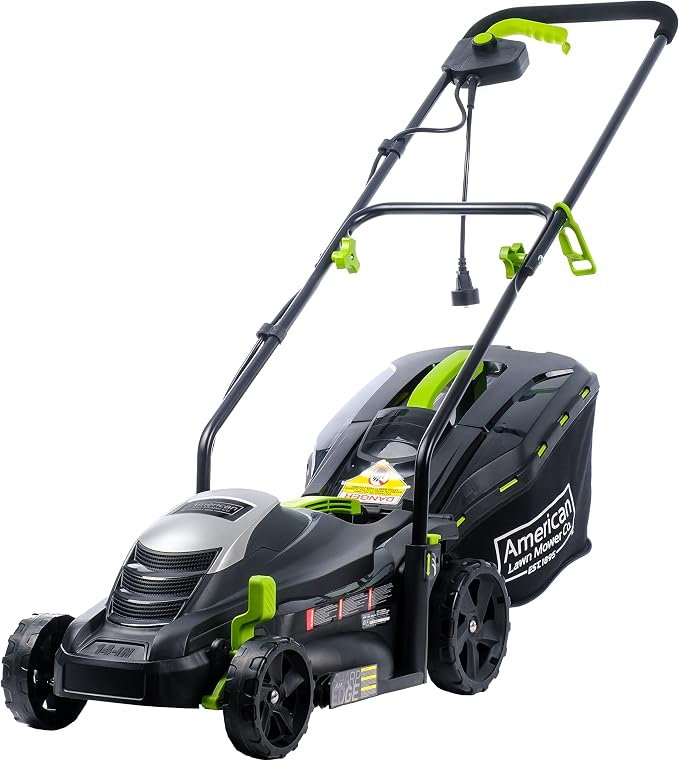
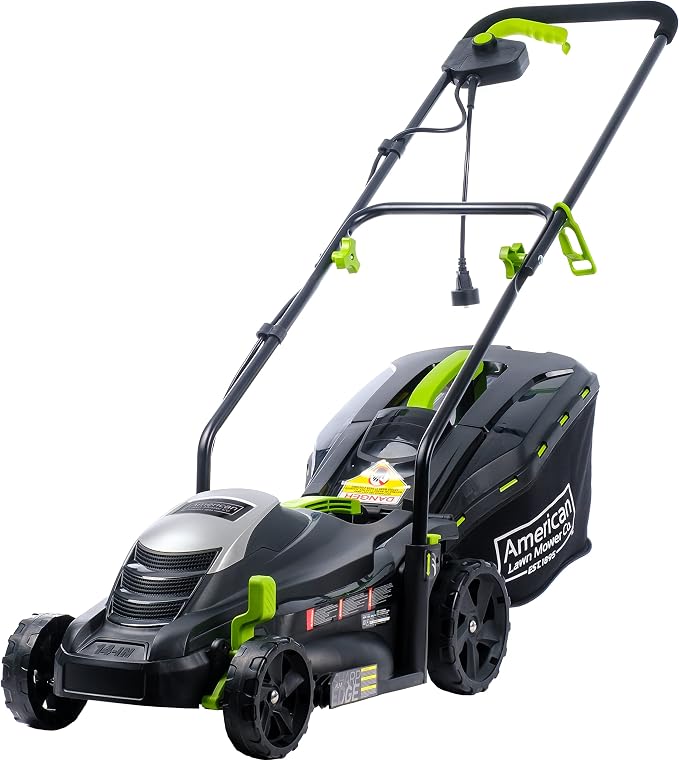
5 Best Self Propelled Gas Lawn Mower Under $300: Buying Guide
Finding the best self propelled gas lawn mower under $300 means balancing engine strength, cutting width, traction, collection capacity, and the practical details that make a mower pleasant—or frustrating—to own. Budget models can offer useful capability, but their specifications and customer-feedback history vary considerably.
My first choice is PowerSmart 21-Inch Self-Propelled Gas Lawn Mower. It stands at the top of this 5-product list because it offers the strongest overall fit for the buying priorities covered below.
My second choice is Bezioie 141cc Self-Propelled Gas Lawn Mower. It is the option I would compare next when a buyer has slightly different priorities from my first pick.
My third choice is ZLLIEZQU 140CC 5HP Self-Propelled High-Wheel Gas Lawn Mower. It rounds out my top three with a useful alternative for buyers whose priorities differ from the first two choices.
This guide compares all five options, explains the trade-offs behind their rankings, and covers engine care, setup, mowing technique, storage, safety, and selection factors. The goal is to help a first-time buyer identify the right fit instead of choosing solely by engine size or an attractive listing title.
.amz-product-card:hover{transform:translateY(-3px)!important;box-shadow:0 10px 26px rgba(20,70,110,.12)!important;border-color:#bdd7ea!important;}
Best Self Propelled Gas Lawn Mower Under $300
I selected these mowers for their direct relevance to the target category, useful cutting and propulsion details, available customer-feedback evidence, and variety among brands and designs. I did not treat a high score with only one or two responses as equal evidence to a model with a much larger feedback history, so the rankings consider both the stated capabilities and the confidence behind the available information.
| # | Image | Product | Price on Amazon |
|---|---|---|---|
| 1 |  |
PowerSmart 21-Inch Self-Propelled Gas Lawn Mower | Check Price |
| 2 |  |
Bezioie 141cc Self-Propelled Gas Lawn Mower | Check Price |
| 3 |  |
ZLLIEZQU 140CC 5HP Self-Propelled High-Wheel Gas Lawn Mower | Check Price |
| 4 |  |
haedspup 140cc Self-Propelled Four-Stroke Gas Lawn Mower | Check Price |
| 5 |  |
Xisulay 131cc Self-Propelled 3-in-1 Walk-Behind Gas Lawn Mower | Check Price |
PowerSmart 21-Inch Self-Propelled Gas Lawn Mower
The PowerSmart earns the top position with a well-balanced set of capabilities rather than one isolated specification. Its 170cc OHV engine gives it the largest stated displacement in this group, while the steel deck and 21-inch cutting width should help it cover a medium or larger yard efficiently. A wider path can reduce passes, although it also requires a little more room around narrow gates and landscaping.
Rear-wheel drive is an important advantage when the lawn includes slopes or uneven patches. The 10-inch rear wheels provide additional traction and can make the mower easier to guide through changing terrain than a smaller-wheeled design. Propulsion still needs sensible pacing: the operator controls direction and should avoid relying on the drive system to handle steep areas recklessly.
Its 3-in-1 setup allows rear bagging, mulching, or rear discharge. The 1.4-bushel bag is useful when a tidy finish matters, while mulching can return finely cut material to the lawn. Six height positions from 1.5 to 3.9 inches cover common seasonal preferences, though the adjustment range is not as fine as some competing models.
Pros
- 170cc OHV engine and 21-inch steel deck
- Rear-wheel drive with large 10-inch rear wheels
- Bagging, mulching, and rear-discharge options
- Six cutting heights from 1.5 to 3.9 inches
Cons
- Fewer height positions than some alternatives
- The 1.4-bushel bag may require regular emptying on larger lawns
- Its 3.5 rating comes from a much larger feedback pool, so expectations should remain realistic
My Opinion
This is the strongest all-around choice for a medium yard, particularly when traction and cutting productivity matter more than compact storage. Buyers should confirm the mower’s assembly, fuel, and maintenance requirements before the first use, and should keep the deck clear after mowing to preserve airflow and cutting performance.
Bezioie 141cc Self-Propelled Gas Lawn Mower
The Bezioie takes second place by emphasizing convenience and adjustment flexibility. Its air-cooled 141cc four-stroke OHV engine produces a stated 9.0 ft-lb of torque, and the no-choke, no-primer starting design is intended to reduce the number of steps before mowing. That can be helpful for beginners who are less familiar with traditional small-engine starting procedures.
An 8-level single-lever height adjustment covers 1 to 3 inches and changes all four wheels together. Synchronized adjustment is more convenient than setting each wheel independently, while the lower maximum height may not suit owners who prefer to leave grass relatively tall during hot or dry conditions. The 20-inch steel deck offers a useful middle ground between maneuverability and coverage.
Bagging, mulching, and side discharge give this mower practical versatility. The stated 50-liter catcher has a widened opening for emptying, and the foldable design can help owners with limited garage or shed space. The listing also describes a large fuel capacity and claims very long mowing range, but those claims are unusually stated and should be confirmed in the included instructions before planning work around them.
Pros
- No-choke, no-primer starting design
- Eight synchronized cutting-height settings
- 20-inch steel deck with three clipping-management modes
- 50-liter grass catcher and foldable body
Cons
- Only a small amount of customer feedback is available
- The 1-to-3-inch height range is narrower than the PowerSmart’s
- Fuel-capacity and acreage statements should be verified before use
My Opinion
The Bezioie is a reasonable alternative for a buyer who values simple starting, storage convenience, and a large catcher. Before assembly, check that the bag, side-discharge rail, and folding handle are properly secured; after folding, store the mower where fuel vapors and accidental movement are not a concern.
ZLLIEZQU 140CC 5HP Self-Propelled High-Wheel Gas Lawn Mower
ZLLIEZQU’s main appeal is its combination of a high-wheel chassis, self-propelled drive, and generous collection capacity. The 7.7-inch front wheels and 9.7-inch rear wheels are intended to make travel over uneven areas easier, while the 20-inch cutting width remains manageable around ordinary residential obstacles. That layout may also appeal to buyers maintaining open spaces such as community grounds or larger estates.
The 140cc four-stroke single-cylinder OHV engine is listed at 5 horsepower and 2,800 rpm. Those figures suggest a mower aimed at regular, demanding grass cutting, but engine numbers alone do not determine how it will perform in wet, tall, or densely packed grass. Cutting more slowly and avoiding an overgrown first pass will help any mower in this class.
Eight height settings cover 1 to 3.2 inches, giving more adjustment steps than the PowerSmart while extending slightly higher than the Bezioie. A 60-liter bag is the largest stated catcher in the group, which can reduce interruptions on a broad lawn. The trade-off is added weight when full, so emptying it before it becomes difficult to lift is sensible.
Pros
- High-wheel layout for uneven terrain
- 20-inch cutting width and self-propelled drive
- Eight height settings from 1 to 3.2 inches
- Large stated 60-liter grass bag
Cons
- Only two customer responses support the current rating
- Pull-start operation may be less convenient for some users
- The larger catcher can become cumbersome when completely full
My Opinion
This mower looks best suited to buyers who prioritize wheel clearance and fewer bag-emptying stops over compact handling. Because the available feedback is very limited, inspect the manual and included installation accessories carefully, then confirm the drive, height lever, and bag attachment before tackling a full lawn.
haedspup 140cc Self-Propelled Four-Stroke Gas Lawn Mower
The haedspup focuses on straightforward propulsion and maneuverability rather than a long list of precise operating specifications. Its 140cc four-stroke engine is presented as a stable, fuel-conscious power source for routine residential and community lawn care. The listing also describes a metal deck and anti-corrosion body, which are useful qualities for an outdoor machine, although long-term durability will depend heavily on cleaning and storage.
Self-propulsion can reduce the effort required across longer stretches of grass, especially for an owner who finds a conventional push mower tiring. The compact, lightweight positioning may be valuable around corners, narrow paths, and landscaping. On the other hand, a lighter mower can feel less planted in thick grass or when the collection bag is full, so buyers should match expectations to normal residential maintenance rather than heavy brush clearing.
Adjustable mowing height allows the cut to be changed for seasonal conditions and lawn preferences. The supplied information does not specify the number of height positions, cutting width, wheel sizes, bag capacity, or starting method. Those missing details matter when comparing it directly with the more fully described options, and they are worth confirming before purchase if a particular deck size or storage arrangement is essential.
Pros
- 140cc four-stroke engine
- Self-propelled operation can reduce pushing effort
- Lightweight, compact positioning for residential maneuvering
- Metal deck and anti-corrosion body are stated
Cons
- Several important specifications are not supplied
- Very limited customer-feedback evidence
- Less information is available about the catcher and cutting system
My Opinion
The haedspup may suit a buyer who wants a simple self-propelled mower for a smaller residential space and is comfortable confirming details independently. Treat the missing deck, bag, wheel, and starting information as a buying checkpoint rather than assuming this model matches better-documented alternatives.
Xisulay 131cc Self-Propelled 3-in-1 Walk-Behind Gas Lawn Mower
Xisulay stands out for its rear-wheel system, 3-in-1 clipping control, and included heavy-duty brush-cutter attachment. Rear-wheel traction can help on inclined or uneven ground, while rear bagging, mulching, and side discharge let the owner choose between a tidy lawn, returned clippings, or faster discharge. The foam-wrapped angled handle is another small but practical touch for reducing hand pressure during longer sessions.
The 131cc engine is listed at 2,850 rpm, and the mower is described as lightweight with a 50-liter grass catcher. That combination could be convenient for navigating tight corners and obstacles without giving up a reasonably large collection container. A full 50-liter bag will still affect maneuverability, so emptying it before it becomes heavy is preferable to forcing the drive system through a crowded yard.
The brush-cutter attachment broadens the machine’s intended use to brambles, shrubs, weeds, nettles, and dense overgrowth. Buyers should be careful not to interpret that attachment as permission to use the mower carelessly on material beyond its safe operating instructions. The supplied information also mentions a push-button start, but it does not explain the starting system or provide detailed compatibility guidance for the attachment.
Pros
- Rear-wheel traction for slopes and uneven terrain
- Mulching, side discharge, and rear bagging
- 50-liter grass catcher and lightweight handling
- Brush-cutter attachment for listed overgrowth tasks
Cons
- Only one customer response is available
- Attachment compatibility and operation details need confirmation
- 131cc engine is the smallest listed in this group
My Opinion
Xisulay is an interesting option for an owner who values versatility and expects to handle more than ordinary lawn grass. I would give special attention to the attachment instructions, blade changes, protective equipment, and storage procedure before using it on brush, because that extra capability also adds responsibility.
How I Selected These Budget Self-Propelled Gas Mowers
The comparison starts with the actual needs behind the search: a gas-powered walk-behind mower that supplies its own forward motion while remaining in a budget-focused category. I gave weight to propulsion type, engine information, deck width, wheel layout, height adjustment, clipping options, catcher size, and storage practicality. A mower with several useful modes can be more valuable than one with a larger engine but little information about how clippings are handled.
I also considered the strength of the available customer-feedback evidence. PowerSmart has a far larger feedback pool than the other listings, which makes its middling score more informative than a perfect score based on one or two responses. The remaining models may still be suitable, but their limited feedback means buyers should verify assembly, support, parts availability, and specifications before relying on them for demanding work.
Important selection takeaway: A high rating with very few responses is a signal to investigate, not proof of superior ownership experience.
Brand variety also mattered. Including several lesser-known options gives shoppers meaningful alternatives in deck size, wheel design, collection capacity, and starting convenience. It does not mean every stated claim has equal certainty; missing measurements and unusually broad performance claims should remain part of the decision.
Practical rule: Choose the mower whose complete set of documented capabilities matches your lawn, rather than choosing the largest engine number in isolation.
How to Choose a Self-Propelled Gas Mower for Your Yard
The right choice depends on terrain, mowing frequency, storage, and how you want to handle clippings. For the best self propelled gas lawn mower under $300, compare the complete ownership picture: propulsion and wheels for movement, deck and height range for cutting, and maintenance demands for keeping the engine reliable.
- Choose rear-wheel drive or larger rear wheels when slopes and uneven ground are common.
- Look for a deck width that fits both the yard and the narrowest gate or pathway.
- Prioritize a larger catcher if you regularly bag clippings, but remember that a full bag adds weight.
- Check the height range rather than counting adjustment positions alone.
- Give greater confidence to substantial customer feedback than to a perfect score with almost no responses.
Engine size and mowing conditions
Engine displacement can indicate the general power class, but it is not a guarantee of cutting performance. Grass height, moisture, blade sharpness, terrain, and mowing speed all affect the load placed on the engine. A 131cc or 140cc mower may be perfectly adequate for regularly maintained residential grass, while a larger 170cc model gives more reserve for a wider deck and tougher conditions.
Drive system and wheels
Self-propulsion reduces the effort of pushing, but the operator still needs to steer, control speed, and turn safely. Rear-wheel drive is useful where traction is important, particularly on inclines. Larger wheels can roll over small surface changes more easily, but they do not remove the need to clear sticks, inspect the lawn, and mow across slopes cautiously rather than straight up and down.
Deck width and height adjustment
A 20- or 21-inch deck is a practical size for many residential properties. Wider decks can shorten mowing time in open areas, while narrower machines may be easier around trees, beds, and tight passages. Height adjustment matters because cutting too short can stress grass. Use a taller setting during hot or dry periods when the lawn benefits from more leaf surface, provided the mower’s available range supports that preference.
Bagging, mulching, and discharge
Bagging gives the neatest appearance but creates repeated emptying and disposal work. Mulching avoids carrying clippings and can return fine material to the lawn when conditions are suitable. Discharge is often convenient for quickly covering open areas, but it requires attention to where clippings land. Make sure the chosen mower includes the chute or bag hardware needed for the mode you plan to use.
Initial Setup and First Use
Budget gas mowers often need basic assembly before the first cut. Read the supplied manual completely, identify every handle fastener and attachment, and keep small hardware away from children and pets. Do not guess about oil type, fuel requirements, or starting steps when the instructions are available.
- Inspect the deck, wheels, handle, cables, bag, discharge parts, and blade area for shipping damage.
- Secure the handle and confirm that the drive and blade-control levers move freely without binding.
- Fill engine oil and fuel only according to the manual’s instructions; never overfill or mix fluids casually.
- Test the catcher, mulch plug, or discharge component while the engine is off.
- Start the mower in an open outdoor area and let the engine settle before beginning a full pass.
- Make a short test cut, then stop and inspect the clipping pattern, wheel adjustment, and drive response.
A mower that vibrates, leaks, stalls repeatedly, or has a control that does not return properly should not be forced into service. Stop the engine, disconnect the spark-plug connection when the manual directs it, and investigate the cause before continuing.
How to Mow More Efficiently
Self-propulsion works best when the mower is allowed to maintain a steady pace. Avoid racing through tall grass, because the blade may struggle to process the volume and the engine may labor unnecessarily. In overgrown areas, raise the deck for the first pass and lower it later only if the lawn and mower can handle the additional cut.
Use the terrain to your advantage
On slopes, maintain firm footing and mow across the face of the slope when the manual permits it rather than taking a risky straight climb. Do not mow wet ground if it makes footing uncertain. Keep the drive speed controlled near trees, borders, and drop-offs, and disengage propulsion when positioning the mower for a tight turn.
Choose the right clipping mode
Use bagging when the lawn is damp, excessively long, or needs a particularly tidy finish. Mulching is more effective when the grass is reasonably dry and only a modest amount is removed. Side or rear discharge can save time on open stretches, but check nearby walkways, vehicles, garden beds, and neighboring property before selecting it.
Maintenance and Storage That Matter
Gas mowers need more ongoing attention than battery-powered alternatives, but a simple routine can prevent many avoidable problems. After each session, remove grass buildup from the deck once the engine is off and the machine is stable. Never put hands near the blade; use the safe procedure in the manual and appropriate tools.
After each mowing session
- Brush or clean clippings from the deck, wheels, discharge area, and bag.
- Check for loose fasteners, damaged cables, bent parts, or unusual vibration.
- Empty and dry the grass catcher before storing it.
- Look at the air-intake area so packed debris does not restrict cooling.
Periodic engine care
Check oil level before use and change it at the intervals specified by the manufacturer. Keep the air filter clean or replace it when required, and inspect the spark plug according to the maintenance schedule. A dull or damaged blade reduces cut quality and can make the engine work harder, so sharpening or replacement should be handled safely and within the mower’s instructions.
Seasonal storage
Store the mower under cover in a dry, ventilated location. Fuel-storage instructions vary, so follow the manual rather than assuming every engine should be treated identically. Keep the mower away from ignition sources, and do not store it where children can reach the controls or where it could tip into a walkway.
Safety and Ownership Considerations
Wear sturdy footwear, eye protection, and hearing protection when appropriate. Clear stones, branches, toys, and wire from the mowing area before starting. Keep bystanders and pets away from the machine, especially when using discharge or a brush-cutter attachment.
Turn the engine off before clearing a blockage, adjusting the height, removing a catcher, or inspecting the blade. Do not assume that stopping forward movement makes the blade safe; follow the manual’s shutdown procedure every time. When working on slopes, prioritize footing and control over speed, and stop if conditions become slippery.
Common Mistakes to Avoid
Many ownership problems come from choosing based on one impressive claim or using the machine outside its practical limits. A few cautious habits protect the mower and the operator.
- Do not treat a perfect score with one response as conclusive evidence.
- Do not start the engine before checking oil and completing assembly.
- Do not cut wet, tall grass at the lowest setting on the first pass.
- Do not overfill a catcher until it becomes difficult to lift or steer.
- Do not use a brush-cutter attachment without reading its specific instructions.
- Do not store fuel or a fueled mower near heat, flames, or poor ventilation.
When specifications are missing, verify them before buying: deck width, catcher style, starting method, height range, replacement blades, and local service support can all affect long-term satisfaction.
Frequently Asked Questions
Is a self-propelled gas mower a good choice for a sloped yard?
It can be, especially when the mower uses rear-wheel drive and larger rear wheels such as the PowerSmart, Xisulay, or ZLLIEZQU options. Traction does not eliminate slope hazards, so mow only when footing is secure and follow the operating guidance for the specific machine.
Is a 20-inch deck large enough for a typical residential lawn?
A 20-inch deck is a practical size for many residential yards. It offers useful coverage while remaining easier to steer around landscaping than a substantially wider commercial-style machine. A 21-inch deck may reduce passes on open ground, but gate and pathway width should also be considered.
Should I choose bagging, mulching, or discharge?
Bagging is best when you want a tidy finish, mulching can return fine clippings to the lawn, and discharge is convenient for quickly covering open areas. The best mode depends on grass length, moisture, local conditions, and whether you want to handle the clippings afterward.
Does a bigger engine always mean a better mower?
No. A larger engine can provide more reserve, but wheel design, deck width, blade condition, height range, traction, and maintenance also affect results. Match engine size to the lawn’s mowing frequency and terrain instead of selecting by displacement alone.
What should I verify when a mower has very little customer feedback?
Confirm the complete manual, assembly requirements, warranty or support details, replacement blade availability, catcher design, fuel and oil instructions, and the exact starting procedure. Limited feedback does not automatically mean poor quality, but it provides less ownership evidence.
Final Thoughts
The best self propelled gas lawn mower under $300 for most medium-yard buyers is the PowerSmart 21-Inch Self-Propelled Gas Lawn Mower with 170cc OHV Engine because it combines strong documented capability, rear-wheel traction, a steel deck, and three clipping options. The Bezioie 141cc Self-Propelled Gas Lawn Mower is the most appealing alternative for easy starting, folding storage, and eight height settings, while the ZLLIEZQU 140CC 5HP Self-Propelled High-Wheel Gas Lawn Mower suits shoppers who value high wheels and a large catcher. Confirm the missing details, prepare the engine correctly, and choose according to terrain and mowing habits rather than headline specifications alone.

I’m Maya L. Greenwood, a lifelong plant lover who believes anyone can grow something beautiful with the right guidance. After years of testing soil mixes, pruning methods, irrigation tricks, and pest-safe solutions, I started EasyGardenTips.com to turn hard-won lessons into step-by-step advice. From seed starting and container gardens to composting and seasonal checklists, my goal is to make gardening simple, sustainable, and fun.