5 Best Push Self Propelled Lawn Mower: Product Picks and Guide
Choosing the best push self propelled lawn mower means balancing cutting power, hillside control, deck size, maintenance, and the kind of effort you want to avoid. A gas mower may suit thick grass and larger yards, while a battery model can simplify starting, storage, and routine upkeep.
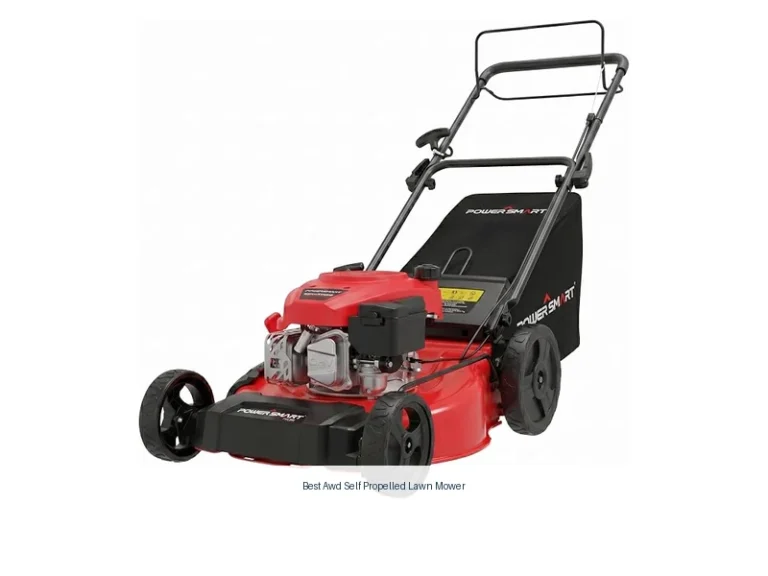
My first choice is PowerSmart 21″ Self-Propelled Gas Lawn Mower. It stands at the top of this 5-product list because it offers the strongest overall fit for the buying priorities covered below.
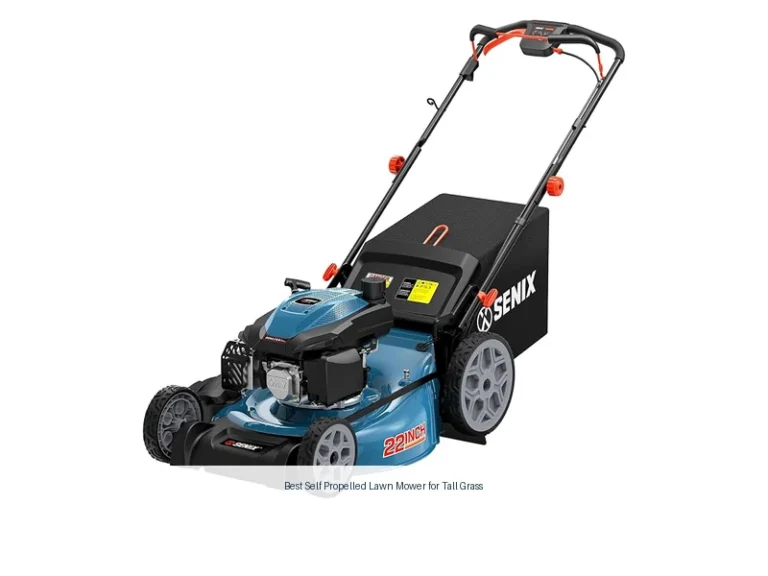
My second choice is SENIX 201cc 22″ 3-in-1 Variable Speed Self Propelled Gas Lawn Mower. It is the option I would compare next when a buyer has slightly different priorities from my first pick.
My third choice is YARDMAX 22 In. 201cc Select PACE 6 Speed CVT High Wheel FWD. It rounds out my top three with a useful alternative for buyers whose priorities differ from the first two choices.
This guide compares all five selections by deck design, propulsion, cutting options, ease of operation, and ownership considerations. It also explains what to check before buying, how to set up and maintain a mower, which compromises matter most, and how to narrow the list for your own lawn.
.amz-product-card:hover{transform:translateY(-3px)!important;box-shadow:0 10px 26px rgba(20,70,110,.12)!important;border-color:#bdd7ea!important;}
Best Push Self Propelled Lawn Mower
I selected these models for their direct relevance to self-propelled walk-behind mowing, useful product specifications, customer-feedback evidence where available, and a practical mix of gas and battery options. The ranking considers how clearly each mower serves a real use case rather than treating engine size or deck width as the only measure of value.
| # | Image | Product | Price on Amazon |
|---|---|---|---|
| 1 |  |
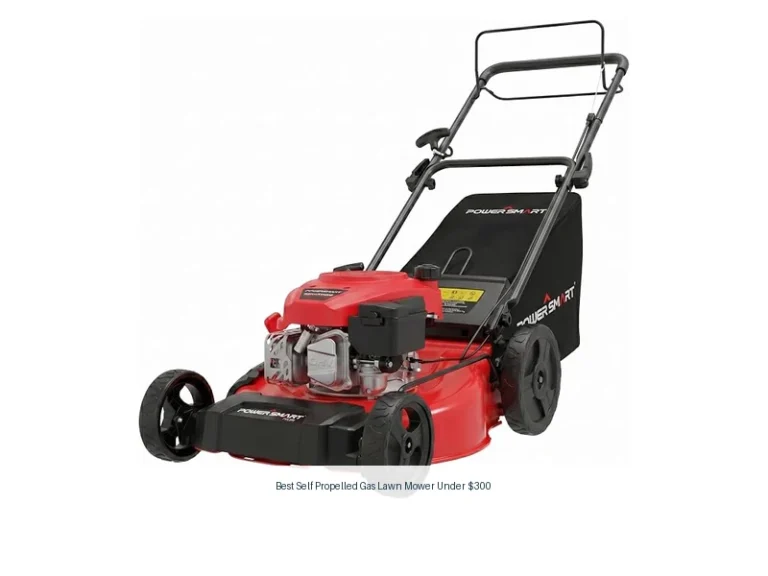
PowerSmart 21″ Self-Propelled Gas Lawn Mower | Check Price |
| 2 |  |
SENIX 201cc 22″ 3-in-1 Variable Speed Self Propelled Gas Lawn Mower | Check Price |
| 3 |  |
YARDMAX 22 In. 201cc Select PACE 6 Speed CVT High Wheel FWD | Check Price |
| 4 |  |
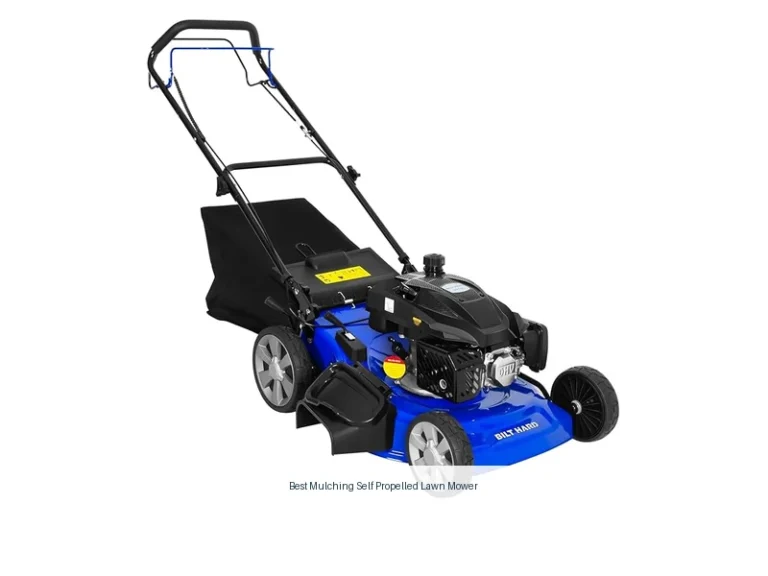
BILT HARD 21″ Self Propelled Gas Lawn Mower | Check Price |
| 5 |  |
Greenworks 60V 21in Push Lawn Mower | Check Price |
PowerSmart 21″ Self-Propelled Gas Lawn Mower
The PowerSmart stands out as a balanced option for a homeowner who wants traditional gas power without moving to an especially large or complicated machine. Its 170cc OHV engine is sized for routine residential mowing, while the 21-inch steel deck covers enough ground to keep medium-yard work from becoming unnecessarily slow.
Rear-wheel drive is a meaningful advantage when the lawn includes slopes, soft patches, or uneven ground. The large 10-inch rear wheels should help the mower maintain traction and roll over small changes in terrain more confidently than a basic push model. That does not remove the need for careful footing on steep or wet slopes, but it makes the drive arrangement more appropriate for challenging sections.
The 3-in-1 system lets you collect clippings in the 1.4-bushel bag, mulch them back into the lawn, or use rear discharge when speed is the priority. Six height settings from 1.5 to 3.9 inches provide room to raise the deck during hotter conditions or lower it for a more closely cut appearance. A single-lever adjustment also makes seasonal changes less tedious.
Pros
- Rear-wheel drive and 10-inch rear wheels suit slopes and uneven terrain.
- Steel 21-inch deck offers a useful balance of coverage and maneuverability.
- Bagging, mulching, and rear-discharge options support different mowing conditions.
- Six height positions span 1.5 to 3.9 inches.
Cons
- Its 170cc engine is less substantial on paper than the 201cc gas alternatives.
- Gas ownership requires routine engine and fuel care.
- The 1.4-bushel bag may require regular emptying during heavy growth.
My Opinion
This is the strongest all-around pick when traction, straightforward controls, and versatile clipping management matter more than maximum deck width. It fits medium-yard owners particularly well, provided they are comfortable with gas-mower maintenance.
SENIX 201cc 22″ 3-in-1 Variable Speed Self Propelled Gas Lawn Mower
SENIX takes a more powerful and productive approach with a 201cc four-cycle OHV engine and a 22-inch steel cutting deck. That extra inch of width is not transformative by itself, but over many passes it can reduce the number of rows required. The larger engine also gives this model a convincing fit for thicker grass and medium to large lawns.
Its rear-wheel-drive system works with 11-inch rear wheels, a combination aimed at traction and smoother movement over uneven ground. The variable-speed self-propelled function is the feature that most clearly separates it from a basic single-speed mower. A slower pace can help around landscaping or tight turns, while a faster setting may make open sections less tiring.
Bagging, mulching, and side discharge cover the three common ways homeowners manage clippings. Mulching can keep nutrients on the lawn when the grass is dry and not overly long, while bagging creates a tidier finish. Side discharge is convenient when the lawn has grown high, although it leaves clippings spread across the cut area. The six-position height adjustment spans 1.25 to 4 inches, giving this mower a broad seasonal range.
The trade-off is that a wider, more powerful gas mower can feel like more machine than a small, flat lawn requires. Buyers should also remember that variable drive adds a control choice to learn, even though it can make long mowing sessions easier to tailor.
Pros
- 201cc OHV engine and 22-inch steel deck suit demanding residential mowing.
- Variable self-propelled speed improves pace control.
- 11-inch rear wheels help with slopes, thick grass, and uneven terrain.
- Six height settings range from 1.25 to 4 inches.
Cons
- Larger deck and engine may be excessive for compact yards.
- Gas fuel and engine maintenance remain part of ownership.
- Side discharge differs from the rear-discharge arrangement of some competitors.
My Opinion
SENIX is a strong alternative for buyers who want extra cutting coverage and adjustable travel speed. I would place it ahead of a smaller mower for a large, open lawn, but the PowerSmart is a slightly simpler fit for many medium-yard situations.
YARDMAX 22 In. 201cc Select PACE 6 Speed CVT High Wheel FWD
The YARDMAX is built around control. Its Select PACE continuously variable transmission offers six speed choices, allowing the operator to select a walking pace rather than accepting one fixed drive speed. That can be useful when mowing around trees, gardens, and edging, where a fast setting may feel awkward, or across open lawn, where a quicker pace can save time.
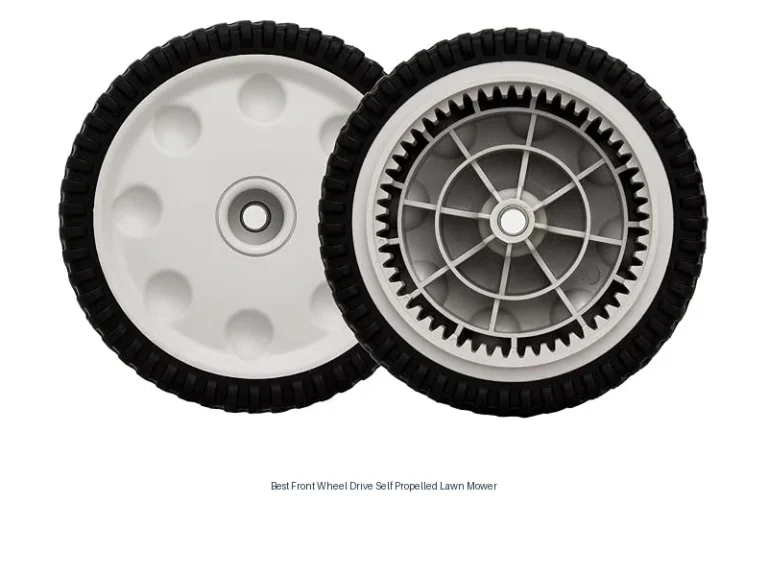
The high-wheel layout and rubber tires with aggressive spiked tread are intended to improve traction and maneuverability. This is a front-wheel-drive mower, so its handling character differs from the rear-wheel-drive PowerSmart and SENIX models. Front-wheel drive can be convenient when lifting the front slightly for turns, while rear-wheel drive generally receives more attention for sustained traction on slopes. Buyers with steep terrain should consider that distinction carefully.
An automatic choke removes the need to manually prime or choke the engine at startup which may make routine starting less fussy The 22-inch deck provides broad coverage and the single-lever deck adjustment makes height changes quick The deck cleanout port is another practical ownership detail it gives the operator a dedicated way to rinse or clear buildup from beneath the cutting deck subject to following the mower s operating and.
The available product information confirms 3-in-1 operation, but it does not specify the complete height range or bag capacity. Those details are worth verifying before purchase if a particular cutting height or collection volume is important.
Pros
- Six-speed CVT gives unusually broad pace control.
- 22-inch deck and 201cc engine support efficient mowing on larger lawns.
- Aggressive tire tread is intended to improve traction and maneuverability.
- Automatic choke simplifies starting, and the deck cleanout port aids upkeep.
Cons
- Front-wheel drive may be less suitable than rear-wheel drive for some slopes.
- The supplied information does not state the height range or bag capacity.
- More transmission choices can add complexity for buyers who prefer simple controls.
My Opinion
YARDMAX is the most compelling pick for pace-sensitive mowing. Its CVT and tire design make it distinctive, but buyers should confirm the missing deck-height and bag details and think honestly about whether front-wheel drive fits their terrain.
BILT HARD 21″ Self Propelled Gas Lawn Mower
BILT HARD focuses on straightforward operation and broad height adjustability. The 201cc four-stroke OHV engine produces a stated 9.0 ft-lb of torque, and the 21-inch steel deck offers the familiar balance between cutting coverage and manageable size. Its no-choke, no-primer starting design is appealing to anyone who would rather avoid manual startup adjustments.
The mower uses rear-wheel drive with a single-speed self-propelled system. That arrangement is less customizable than SENIX or YARDMAX, but it can be easier for a beginner to understand: engage the drive and work at the mower’s set pace. The angled handle with foam wrapping is intended to reduce hand fatigue, a useful consideration when a mowing session covers a larger yard.
Eight cutting-height positions range from 1.2 to 3.75 inches, giving this model more adjustment steps than the other listed gas mowers. The single lever synchronizes the height across all four wheels, so changing from a taller seasonal setting to a shorter one should not require adjusting each corner separately. Bagging, mulching, and side discharge cover the main clipping choices.
The main limitation is the lack of variable drive speed. A single pace may be perfectly adequate on an open, mostly level lawn, but it offers less control around obstacles or for users with a naturally slower walking speed. The relatively small customer-feedback sample also gives less evidence than the higher-volume alternatives.
Pros
- 201cc OHV engine provides substantial residential mowing power.
- No-choke, no-primer starting design simplifies operation.
- Eight height settings cover 1.2 to 3.75 inches.
- Rear-wheel drive, foam-wrapped handle, and 3-in-1 clipping control support comfortable routine use.
Cons
- Single-speed propulsion offers less pace control than variable-drive models.
- Side discharge is used instead of rear discharge.
- Customer-feedback volume is lower than for the top-ranked gas selections.
My Opinion
BILT HARD makes sense for a buyer who values simple starting and many height choices over transmission flexibility. It is a solid feature-to-size match for medium or larger lawns, though I would choose another model if variable walking speed is a priority.
Greenworks 60V 21in Push Lawn Mower
Greenworks provides the only battery-powered alternative in this group, and its advantages begin before the blade turns. The included 5.0 Ah battery and charger eliminate gasoline handling, engine oil, and pull-start routines. The 60V system is described as delivering 3,200 RPM blade speed and power comparable to a 150cc gas mower, while also producing no exhaust fumes during use.
Its heavy-duty steel deck is rated IPX4 waterproof and uses a rust-resistant design. That does not mean the mower should be left outdoors or operated carelessly in unsafe weather, but it gives the machine a useful level of protection for damp conditions. SmartCut self-sharpening blades adjust power automatically for tall, wet, or thick grass, helping the mower respond to changing conditions without requiring the operator to manage engine controls.
The 4-in-1 system supports mulching bagging side discharge and turbo leaf mode Oversized 10-inch rear wheels and 8-inch front tires are intended to make pushing easier although this product is identified as a push mower rather than a self-propelled model That distinction matters the operator supplies the forward force LED headlights can extend.
Battery runtime is the key detail to confirm for a particular lawn because the supplied information does not state a mowing-time figure. The mower is compatible with more than 75 Greenworks 60V tools, which can improve battery value for buyers already invested in that ecosystem.
Pros
- Battery operation avoids gas fumes, engine oil, and routine gas-engine maintenance.
- Included battery and charger make the package ready for cordless use.
- 4-in-1 cutting and turbo leaf mode add seasonal flexibility.
- Four-year tool and battery warranty and broad 60V compatibility support long-term value.
Cons
- It is a push mower, not a self-propelled mower, so the operator must provide forward effort.
- Battery runtime is not specified in the supplied information.
- Buyers without other Greenworks 60V tools may gain less ecosystem value.
My Opinion
Greenworks is the best fit here for someone who prioritizes quiet, low-maintenance cordless ownership and already has, or plans to build, a Greenworks 60V tool collection. It should not be selected by mistake if self-propulsion is a firm requirement.
How I Selected These Best Push Self Propelled Lawn Mower Options
The selection starts with the actual job: helping a homeowner move through a lawn with less physical effort while still getting a controlled cut. I compared propulsion layout, deck width, engine or battery system, wheel design, height adjustment, clipping management, startup approach, and the ownership details that affect everyday convenience. I also considered the available customer-feedback volume and rating context, but those signals were treated as supporting evidence rather than a substitute for product specifications.
Important distinction: self-propelled does not mean fully automatic. The drive system helps move the mower, but the operator still guides it, manages turns, watches footing, and chooses a safe pace.
Brand variety also mattered. The group includes several gas mowers with different drive and speed approaches, plus a Greenworks cordless model. That comparison makes the trade-offs clearer: the gas machines emphasize sustained cutting power and familiar refueling, while the battery machine emphasizes simpler startup and reduced maintenance.
Do not rank a mower by deck width alone. Wheel drive, walking-speed control, terrain, cutting-height range, and the amount of maintenance you are willing to perform can matter more than one extra inch of coverage.
How to Choose the Best Push Self Propelled Lawn Mower
The right choice depends on the lawn and the operator more than on a single headline specification. Before selecting the best push self propelled lawn mower for your property, identify the terrain, typical grass conditions, desired clipping method, storage situation, and whether gas or battery ownership better matches your routine.
- Choose rear-wheel drive when traction on slopes or uneven ground is a major concern.
- Favor variable speed when the lawn has obstacles or your walking pace changes frequently.
- Match deck width to the lawn: wider decks cover open areas faster, while narrower designs can be easier around landscaping.
- Check the complete height range if you mow both tall seasonal grass and short maintained turf.
- Confirm whether the mower is self-propelled or push-only before purchase.
Gas power or battery power
Gas models remain attractive for buyers who want a familiar refueling process and strong performance across repeated mowing sessions. They can be a practical choice for larger lawns or thick grass, but they require attention to fuel, engine care, and seasonal storage. Gas equipment also produces exhaust and generally creates more operating noise than a cordless mower.
Battery power simplifies the ownership routine. There is no gasoline to store, no engine oil to change, and no combustion exhaust while mowing. The compromise is that runtime depends on the battery and workload, and the mower must be charged between sessions. The Greenworks model includes a battery and charger, but buyers should still verify that the available capacity suits the size and growth rate of their lawn.
Drive type and terrain
Rear-wheel drive generally makes sense when the mower must maintain traction while climbing or working across uneven ground. Large rear wheels can also help the machine roll over minor bumps. Front-wheel drive may make turning convenient because the front can be lifted more easily, but it deserves closer consideration on sloped lawns. A flat property with many trees may favor maneuverability, while an incline places more emphasis on controlled traction.
No drive layout makes unsafe mowing safe. Avoid wet, slippery slopes, keep both hands available for control, and follow the operating instructions for the specific mower. If a property has severe inclines, terraces, or difficult footing, a walk-behind mower may not be the appropriate solution at all.
Deck width and cutting height
A 21- or 22-inch deck is a useful residential middle ground. A wider deck can reduce passes across a large open yard, but it may be less nimble between narrow planting beds. Steel decks offer a durable construction approach, although they still benefit from cleaning and dry storage.
Height range matters because cutting grass too short can create unnecessary stress, especially during hot or dry periods. A mower with several positions gives more room to adapt. Single-lever adjustment is convenient because it reduces the chance of leaving one wheel at a different height from the others.
Clipping management
Bagging is useful when appearance and cleanup are priorities, but a bag fills faster in long or damp grass. Mulching returns finely cut clippings to the lawn when mowing conditions are suitable. Discharge is often the fastest choice for overgrown areas, though the direction and location of discharge matter around paths, flower beds, and neighboring property.
Setup Before the First Mow
A few careful setup steps can prevent frustration and reduce avoidable wear. Start by unpacking the mower on a level surface and checking the handle, wheels, bag, discharge components, and controls for secure attachment. Do not assume every model uses the same assembly or starting procedure; the included instructions should take priority.
Gas mower preparation
- Inspect the deck and blade area while the mower is turned off and secured.
- Use only the fuel and oil types and amounts specified in the product instructions.
- Check that the bag, mulch insert, or discharge component is correctly seated before starting.
- Test the height lever and drive control without placing hands near the blade.
- Start on a clear, level area and listen for unusual vibration or noise.
The automatic-choke YARDMAX and no-choke, no-primer BILT HARD are intended to simplify starting, but “easy start” does not eliminate the need for correct fuel and safety procedures. PowerSmart and SENIX owners should become familiar with their respective starting controls before tackling a full lawn.
Battery mower preparation
Charge the Greenworks battery with the supplied charger according to its instructions, then install it firmly before engaging the controls. Keep the battery and charger in a suitable dry storage location when not in use. Check that the bag, side-discharge piece, or mulch configuration is properly installed, and remember that the mower still needs to be pushed forward because it is not self-propelled.
How to Mow More Efficiently
Begin with a walkthrough. Remove branches, toys, stones, and other objects that could damage the blade or become projectiles. Mark sprinkler heads and low edging that may not be obvious from a distance. Mow when the grass is reasonably dry when possible, since wet clippings can clog the deck and make the surface slippery.
Use the drive system thoughtfully
Engage self-propulsion only after the mower is pointed in a safe direction. Use a slower setting around trees, borders, and tight turns. On open lawn, a moderate pace usually gives the blade more opportunity to process clippings evenly than rushing forward. The YARDMAX offers six CVT speeds, while SENIX provides variable speed; the PowerSmart and BILT HARD use simpler drive approaches.
Keep the mower moving in a predictable path and overlap passes slightly so strips of uncut grass are not left between rows. Change mowing direction periodically when practical. This can help avoid creating a visibly repeated pattern and may reduce the tendency of grass to lean in one direction.
Choose the right cutting mode
Use mulching when the grass is not excessively long and the deck can process the clippings without clogging. Bagging is a better choice when the lawn has grown high or when clippings on the surface would be undesirable. Side or rear discharge can save time on a neglected area, but keep discharge away from people, windows, vehicles, and garden beds.
Maintenance and Storage That Matter
Routine care is especially important for gas mowers because engine performance and starting reliability depend on more than blade sharpness. After each use, allow the machine to cool, disconnect the spark-plug-related safety connection when required by the instructions, and clear grass from the deck only with safe methods. Never reach beneath a mower that could start or rotate.
Gas mower care
- Keep the blade clean and inspect it for damage or excessive dullness.
- Check the air filter and oil according to the maintenance schedule.
- Inspect the drive cable, wheels, handle, and bag for wear or looseness.
- Use the specified fuel-storage procedure before a long off-season period.
- Store the mower under cover in a dry, stable location.
A deck cleanout port, as found on the YARDMAX, can make underside cleaning more convenient, but it does not replace safe shutdown procedures. Steel decks on the gas models should be kept reasonably free of packed grass and moisture to help limit corrosion.
Battery mower care
Remove the battery before cleaning, transporting, or inspecting the Greenworks mower. Keep vents and the deck free of clippings, and store the battery and charger in the conditions specified by the manufacturer. Avoid leaving the complete mower exposed to rain for extended periods even though the product information identifies an IPX4 water-resistant design.
Battery runtime can change with tall grass, damp conditions, cutting height, blade condition, and repeated stops. If a single charge does not cover the lawn, plan a charging interval rather than forcing the mower through conditions that cause it to bog down.
Common Mistakes to Avoid
Many mowing problems come from choosing a machine that does not match the property or from using the right mower in the wrong way. A powerful engine cannot compensate for poor footing, a clogged deck, an unsuitable cutting height, or careless handling around obstacles.
- Do not confuse a push mower with a self-propelled mower; the Greenworks model requires the operator to provide forward force.
- Do not assume a larger engine automatically makes a mower better for a small, obstacle-filled yard.
- Do not mow steep or wet slopes simply because the mower has large rear wheels.
- Do not cut extremely tall grass at the lowest height in one pass if the deck begins clogging.
- Do not lift, tip, clean, or inspect the mower while the blade could still rotate.
- Do not leave fuel, batteries, or the entire mower stored in unsuitable conditions.
- Do not overlook missing specifications such as bag capacity, runtime, or height range when those details affect your property.
Safety reminder: stop the mower before clearing clippings, removing an object, adjusting the bag, or investigating unusual vibration. A few seconds of caution is preferable to trying to solve a problem while the blade is active.
FAQ
What is the best self-propelled mower for a sloped lawn?
The PowerSmart is the top recommendation in this group for a sloped or uneven residential lawn because it combines rear-wheel drive with large 10-inch rear wheels. SENIX also deserves consideration because it pairs rear-wheel drive with 11-inch rear wheels. Neither option removes the need for safe footing or careful handling on steep terrain.
Is a 21-inch or 22-inch mower better?
A 22-inch mower can cover slightly more ground per pass and may save time on a broad, open lawn. A 21-inch mower can be easier to maneuver around landscaping and narrow sections. The difference is modest, so terrain, drive layout, and walking-speed control should influence the decision as much as deck width.
Which mower has the most control over travel speed?
The YARDMAX offers six CVT speed choices, making it the most adjustable option in this selection. SENIX also provides variable self-propelled speed. PowerSmart and BILT HARD use simpler propulsion arrangements, which may appeal to buyers who prefer fewer controls.
Is the Greenworks mower self-propelled?
No. The Greenworks 60V 21-inch model is a push mower, so the operator supplies the forward movement. Its battery operation, 4-in-1 functionality, LED lights, and lower routine maintenance make it attractive for cordless buyers, but it should not be chosen when self-propulsion is essential.
Which mower offers the widest cutting-height range?
SENIX ranges from 1.25 to 4 inches, while PowerSmart ranges from 1.5 to 3.9 inches and BILT HARD ranges from 1.2 to 3.75 inches. BILT HARD offers eight positions, giving it more adjustment steps, while SENIX reaches the highest stated setting among those models.
Should I choose bagging or mulching?
Bagging is useful for a cleaner-looking lawn or when grass is long and clippings would be excessive. Mulching is convenient when the grass is cut regularly and conditions allow the mower to distribute small clippings evenly. Discharge is often the quickest approach for heavy growth, but it requires attention to where clippings land.
Final Thoughts
The best push self propelled lawn mower for most medium-yard buyers in this group is the PowerSmart 21 Self-Propelled Gas Lawn Mower 170cc OHV Engine Rear-Wheel, thanks to its balanced deck size, rear-wheel traction, and 3-in-1 flexibility. Choose the SENIX 201cc 22 3-in-1 Variable Speed Self Propelled Gas Lawn for more engine and deck capacity, or the YARDMAX 22 In. 201cc Select PACE 6 Speed CVT when adjustable mowing speed is the deciding feature.

I’m Maya L. Greenwood, a lifelong plant lover who believes anyone can grow something beautiful with the right guidance. After years of testing soil mixes, pruning methods, irrigation tricks, and pest-safe solutions, I started EasyGardenTips.com to turn hard-won lessons into step-by-step advice. From seed starting and container gardens to composting and seasonal checklists, my goal is to make gardening simple, sustainable, and fun.