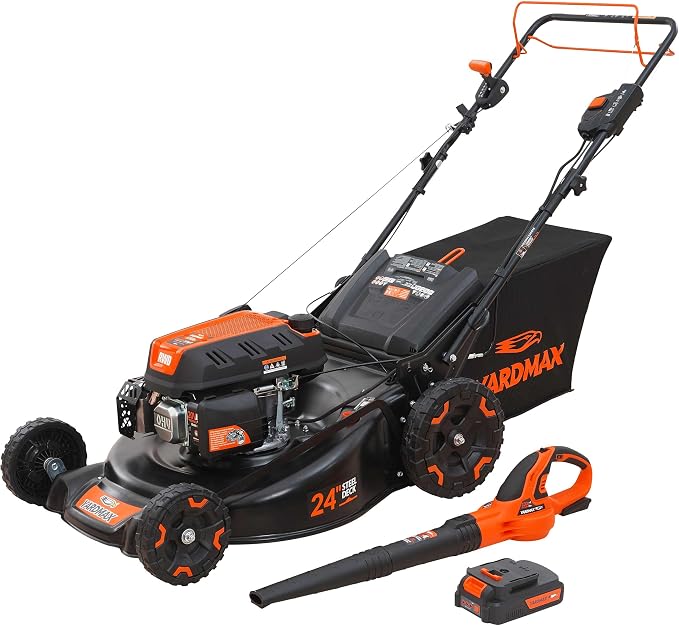
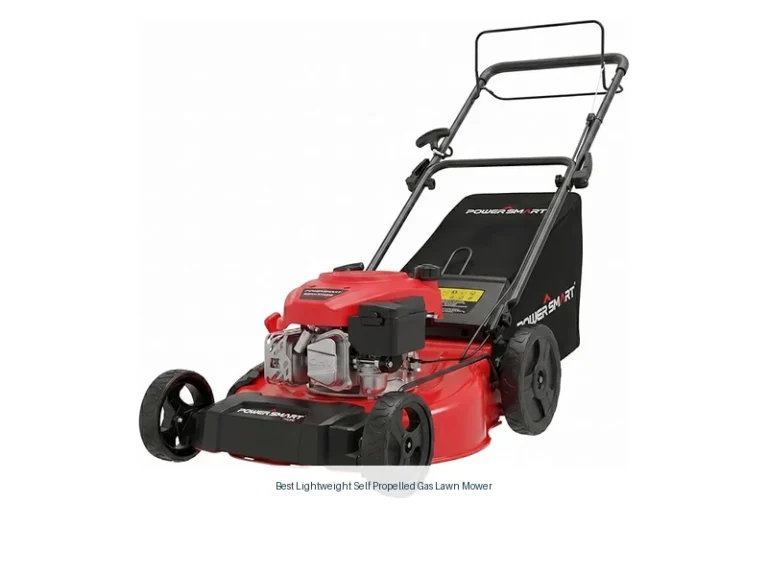
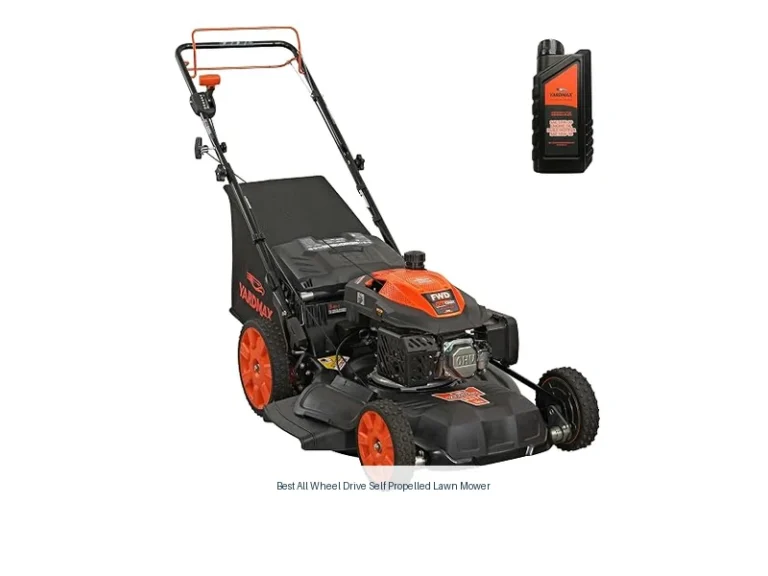
5 Best Rear Wheel Drive Self Propelled Lawn Mower: Top Choices
Finding the best rear wheel drive self propelled lawn mower means balancing traction, cutting power, control, and maintenance rather than simply choosing the widest deck. Rear-wheel drive is especially useful when a mower must climb slopes, handle uneven ground, or push through thicker grass without constantly losing grip.
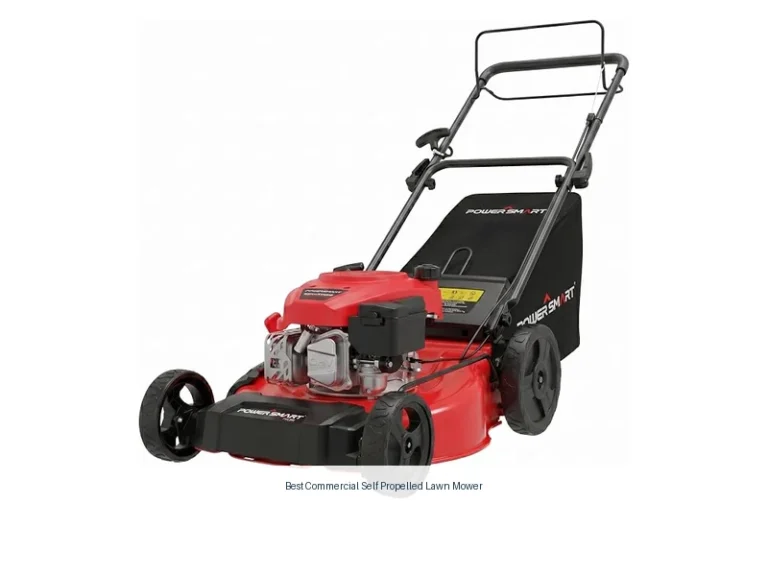
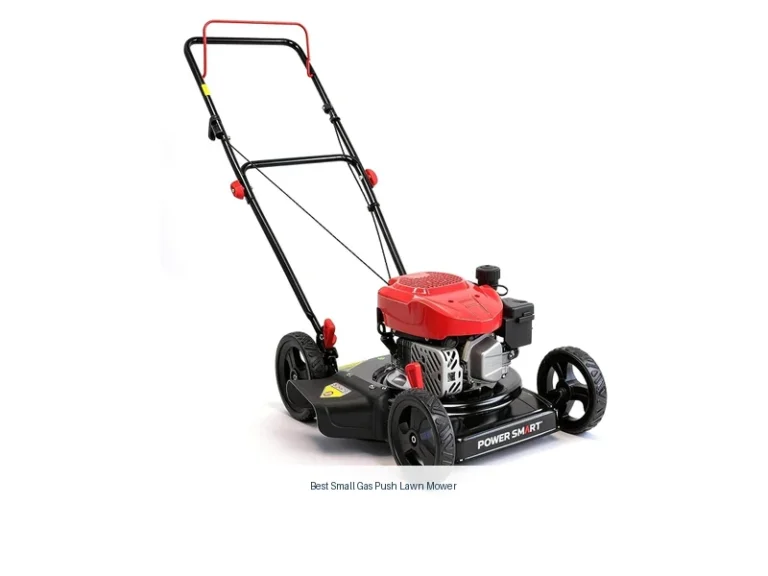
My first choice is PowerSmart 21-Inch Self-Propelled Gas Lawn Mower. It stands at the top of this 5-product list because it offers the strongest overall fit for the buying priorities covered below.
My second choice is SENIX 22-Inch 201cc Rear-Wheel Self-Propelled Gas Lawn Mower. It is the option I would compare next when a buyer has slightly different priorities from my first pick.
My third choice is YARDMAX 22-Inch 201cc Select PACE Self-Propelled Gas Mower. It rounds out my top three with a useful alternative for buyers whose priorities differ from the first two choices.
This guide compares all five choices by power source, drive system, deck size, cutting flexibility, storage, and ownership demands. You will also find clear strengths and limitations for each mower, followed by selection criteria, setup and maintenance advice, common mistakes, and focused answers to questions shoppers often ask.
.amz-product-card:hover{transform:translateY(-3px)!important;box-shadow:0 10px 26px rgba(20,70,110,.12)!important;border-color:#bdd7ea!important;}
Best Rear Wheel Drive Self Propelled Lawn Mower
I selected these mowers for their direct relevance to self-propelled walk-behind mowing, practical cutting features, and the amount of useful product information available. Customer-feedback evidence, product ratings, engine and deck specifications, drive layouts, and brand variety also helped shape the ranking; this is a research-based comparison rather than a hands-on test.
| # | Image | Product | Price on Amazon |
|---|---|---|---|
| 1 |  |
PowerSmart 21-Inch Self-Propelled Gas Lawn Mower | Check Price |
| 2 | 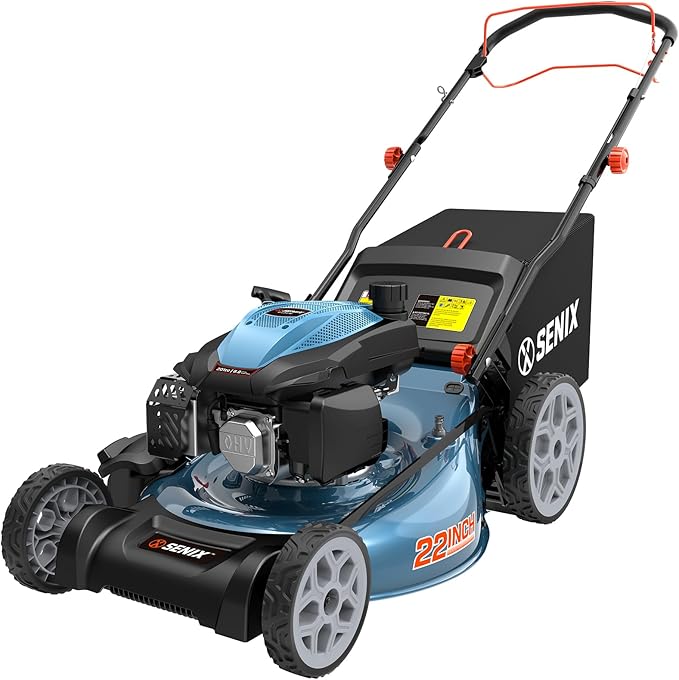 |
SENIX 22-Inch 201cc Rear-Wheel Self-Propelled Gas Lawn Mower | Check Price |
| 3 |  |
YARDMAX 22-Inch 201cc Select PACE Self-Propelled Gas Mower | Check Price |
| 4 | 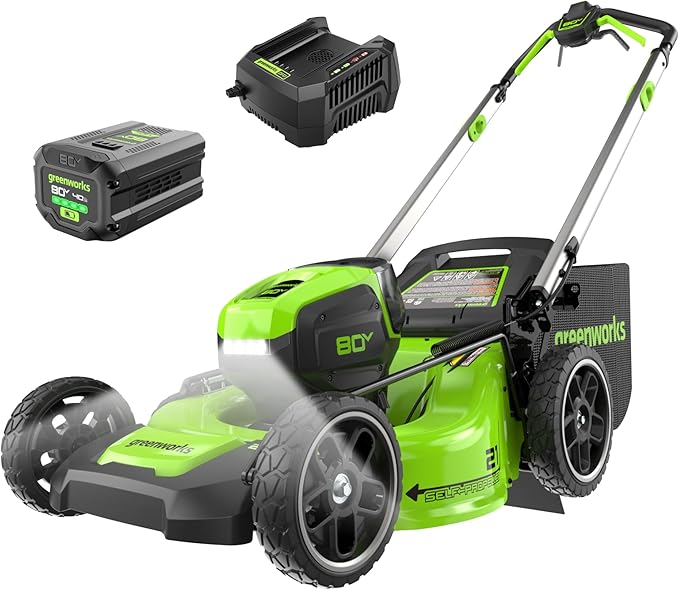 |
Greenworks 80V 21-Inch Self-Propelled Battery Lawn Mower | Check Price |
| 5 |  |
BILT HARD 21-Inch 201cc Self-Propelled Gas Lawn Mower | Check Price |
PowerSmart 21-Inch Self-Propelled Gas Lawn Mower
The PowerSmart earns the top position by covering the needs of a typical medium-yard owner without leaning too far toward either maximum size or unnecessary complexity. Its 170cc OHV engine provides the gas-powered output needed for regular mowing, while the rear-wheel drive and large 10-inch rear wheels are useful on slopes and uneven sections.
A 21-inch steel deck is a sensible middle ground. It is wide enough to reduce the number of passes across a medium or larger lawn, but it should remain easier to maneuver around landscaping than a very wide commercial-style machine. The 3-in-1 system lets you collect clippings in the 1.4-bushel bag, mulch them back into the lawn, or use rear discharge when speed matters more than a tidy collection.
The six-position height adjustment covers 1.5 to 3.9 inches. That range gives a new owner room to raise the deck during vigorous seasonal growth or lower it when a shorter appearance is appropriate. A single lever also makes changes less tedious between sections of the yard.
Pros
- Rear-wheel drive and 10-inch rear wheels support traction on slopes.
- 21-inch steel deck balances coverage and maneuverability.
- Bagging, mulching, and rear discharge provide useful flexibility.
- Six cutting heights range from 1.5 to 3.9 inches.
Cons
- The 170cc engine is smaller than the 201cc engines on several alternatives.
- Gas operation requires fuel, engine care, and more routine upkeep than a battery mower.
- The 1.4-bushel bag may require frequent emptying in heavy grass.
My Opinion
This is the strongest all-around pick for a buyer who wants rear-wheel traction, familiar gas power, and straightforward mowing modes without moving to an oversized deck. Choose it for medium yards and sloped areas, but consider a larger-engine option if the grass is consistently dense or the property approaches the upper end of the mower’s practical workload.
SENIX 22-Inch 201cc Rear-Wheel Self-Propelled Gas Lawn Mower
SENIX takes a more powerful approach than the top-ranked PowerSmart. Its 201cc OHV four-cycle engine produces 4.7 horsepower and 8.8 foot-pounds of torque, giving it a useful advantage for large mowing areas and thick grass. The single-speed rear-wheel drive reaches up to 2.9 MPH, so it can reduce walking effort while keeping the controls relatively simple.
The 22-inch cutting system is recommended for lawns up to 2,200 square meters, or roughly 11/20 acre, according to the supplied product information. That wider path can shorten mowing time, although a wider mower may take more room to turn around trees, beds, and narrow gates. The heavy-duty steel deck and manganese steel alloy blades add durability-oriented construction, while the vortex tunnel airflow is intended to improve discharge and collection.
Six height settings span 1.25 to 4 inches, giving this mower one of the more flexible cutting ranges in the group. Its 3-in-1 arrangement supports mulching, side discharge, and rear bagging, which is helpful when grass conditions change. The folding handle is another practical advantage for garages or sheds with limited floor space.
Pros
- 201cc engine supplies more stated torque than the smaller PowerSmart.
- 22-inch deck is suitable for larger lawns.
- Rear-wheel drive and a 2.9 MPH self-propelled speed reduce pushing effort.
- Six height settings cover 1.25 to 4 inches.
- Foldable handle and stated two-year warranty add ownership convenience.
Cons
- Single-speed propulsion offers less pace control than a variable-speed system.
- The wider deck may feel less convenient in tight landscaped spaces.
- Gas-powered operation still brings fuel and engine-maintenance responsibilities.
My Opinion
SENIX is the better match when cutting capacity and engine strength matter more than compactness. It ranks just behind PowerSmart because its single-speed drive gives the operator less control over walking pace, but it is a compelling choice for a broad, relatively open lawn where the 22-inch deck can work efficiently.
YARDMAX 22-Inch 201cc Select PACE Self-Propelled Gas Mower
The YARDMAX stands apart with its Select PACE six-speed CVT. Instead of moving at one fixed propulsion speed, the operator can select a pace that better matches walking speed and terrain. That is valuable for anyone who finds a standard self-propelled mower either too slow or too fast, particularly when mowing long straight stretches followed by tighter turns.
Its 201cc engine and 22-inch deck place it in the same general capacity class as the SENIX. Aggressive spiked tread on the rubber tires is intended to improve traction and maneuverability, while the high-wheel design can be helpful when rolling over uneven ground. The automatic choke is also beginner-friendly because it removes the need to manually prime or choke the engine at startup.
There is an important qualification for shoppers focused specifically on rear-wheel drive: the supplied model information identifies this YARDMAX configuration as front-wheel drive. Front drive can make pivoting and turning easier because lifting or redirecting the front end disengages the driven wheels, but it generally is not the first choice for sustained uphill traction. Its deck cleanout port and single-lever height adjustment help simplify routine use.
Pros
- Six-speed CVT offers substantially more pace adjustment than single-speed drive systems.
- 201cc engine and 22-inch deck suit larger mowing areas.
- Automatic choke simplifies starting.
- Spiked rubber tire tread supports traction and maneuverability.
- Deck cleanout port can make underside cleaning easier.
Cons
- The supplied configuration is front-wheel drive, not rear-wheel drive.
- Front-wheel drive may be less suitable for sustained slopes.
- More transmission-speed choices can take longer for a new owner to become comfortable with.
My Opinion
YARDMAX is the best fit here for a mostly level yard where variable walking speed is a higher priority than rear-wheel grip. I would not choose it over the first two for a distinctly hilly property, but its CVT makes it an appealing alternative for buyers who want to fine-tune pace and maneuver frequently around obstacles.
Greenworks 80V 21-Inch Self-Propelled Battery Lawn Mower
Greenworks changes the ownership equation by replacing a gas engine with an 80V brushless electric power system. The included 4.0Ah battery is stated to cut up to one-half acre on a full charge, although actual coverage varies with grass condition and operator technique. That makes it particularly attractive to buyers who prefer cordless convenience and want to avoid fuel storage, oil-related engine care, and extension cords.
The 21-inch steel deck keeps coverage comparable to the PowerSmart, while the brushless motor is built for efficient operation, torque, quiet running, and longer service life. The stated noise advantage is significant for households where early morning or evening mowing matters. LED headlights further support those low-light mowing times, though normal visibility and safe footing should still determine when the mower is used.
Rear-wheel drive with variable speed control gives Greenworks both traction and pace adjustment. That combination is useful on mixed terrain because the operator can slow down around landscaping or increase pace on open stretches. The four-year limited tool and battery warranty is also a meaningful ownership point, and compatibility with more than 75 Greenworks 80V tools may add value for someone already invested in that battery platform.
Pros
- 80V battery system avoids gas, oil, and extension cords.
- Rear-wheel drive and variable speed control support traction and maneuvering.
- Brushless motor and steel deck combine quiet operation with durable construction.
- LED headlights help with early or late mowing.
- Four-year limited tool and battery warranty is clearly stated.
Cons
- Half-acre coverage is an estimate that changes with grass and technique.
- Battery runtime can limit uninterrupted mowing on larger or heavily overgrown lawns.
- It offers the most value when the owner can use other Greenworks 80V tools.
My Opinion
This is the standout choice for a buyer who wants rear-wheel control without the routine of a gas engine. It ranks below the gas options mainly because runtime depends on battery conditions and lawn difficulty, but the quiet brushless system, included charger, lights, and broad battery-platform compatibility make it a highly practical cordless option.
BILT HARD 21-Inch 201cc Self-Propelled Gas Lawn Mower
BILT HARD focuses on straightforward gas-powered utility. Its 201cc four-cycle OHV engine produces a stated 9.0 foot-pounds of torque, giving it substantial cutting power on paper. The 21-inch steel deck is large enough for efficient coverage without making the mower as broad as a 22-inch alternative.
Rear-wheel drive and single-speed self-propulsion are intended to make larger lawns less tiring, while the angled, foam-wrapped handle can reduce pressure on the hands during longer mowing sessions. The mower offers bagging, mulching, and side discharge rather than rear discharge, so it suits owners who want to direct clippings to the side when clearing a large open section.
Eight cutting-height positions, from 1.2 to 3.75 inches, give this model fine adjustment for different lawn conditions. A single lever synchronizes all four wheels, which is more convenient than adjusting each corner separately. The no-choke, no-primer starting design may also appeal to beginners, although proper fuel care and routine gas-engine maintenance remain part of ownership.
Pros
- 201cc OHV engine provides a strong stated 9.0 foot-pounds of torque.
- Rear-wheel drive reduces effort on larger lawns.
- Eight height settings offer precise cutting adjustments.
- Single-lever adjustment changes all four wheels together.
- No-choke, no-primer starting design is beginner-friendly.
Cons
- Single-speed propulsion provides less pace control.
- Its discharge option is side discharge rather than rear discharge.
- The available product information does not state a formal warranty period.
My Opinion
BILT HARD is a sensible value-oriented choice for someone who wants a strong gas engine, rear-wheel drive, and unusually fine height adjustment. Its lower customer-feedback volume gives me less evidence than the higher-ranked options, and the lack of a stated warranty period is worth clarifying before purchase, but the basic feature set is well matched to larger residential lawns.
How I Selected These Rear-Wheel Mowers for the Topic
The ranking starts with drive layout and practical mowing capability, not brand recognition alone. Rear-wheel drive received the most weight because it can help keep driven wheels engaged when the mower is traveling uphill or across uneven ground. I then considered deck width, engine or motor output, height adjustment, propulsion control, discharge choices, storage details, and ownership support.
Product relevance was not identical across the group. Four listed configurations provide rear-wheel drive, while the YARDMAX is included as a useful comparison because it offers a 22-inch deck, a 201cc engine, and six-speed CVT control but is identified as front-wheel drive. That distinction matters: a buyer searching specifically for rear-wheel traction should not assume every self-propelled high-wheel mower provides the same climbing behavior.
Drive layout should be confirmed before purchase. A mower can have large rear wheels and still use front-wheel drive, and those two systems feel different on slopes, turns, and uneven ground.
Customer-feedback evidence also influenced the order where available, but ratings and customer-feedback volume do not replace compatibility. A mower with a strong average score can still be a poor match for a steep yard, a narrow gate, or a property larger than its practical runtime. The final ranking therefore favors the combination of traction, usable controls, cutting flexibility, and a clearly defined buyer fit.
The best match is the mower that fits the lawn’s terrain and maintenance tolerance. Extra engine size or deck width is not automatically an advantage if maneuverability, storage, or routine care becomes frustrating.
How to Choose a Rear-Wheel Self-Propelled Lawn Mower
Begin with the lawn rather than the feature list. Measure the approximate mowing area, identify slopes and rough sections, note how often the grass becomes tall or wet, and think about where the mower will be stored. Then compare drive type, power source, deck width, speed control, and cutting options against those real conditions.
- Choose rear-wheel drive for slopes: It is generally the more relevant layout when climbing or crossing uneven ground is a priority.
- Match deck width to access: A 21-inch deck is easier to place around obstacles, while a 22-inch deck can reduce passes on open lawns.
- Decide between gas and battery: Gas provides familiar refueling and sustained operation; battery power offers quieter, cleaner-feeling ownership without fuel handling.
- Look beyond engine displacement: Torque, blade design, airflow, terrain, and mowing frequency all affect how easily a mower handles grass.
- Check the controls: Variable-speed drive is useful when walking pace changes often, while single-speed operation is simpler on open, consistent ground.
Terrain and traction
Rear-wheel drive is most valuable when the operator must keep the mower moving uphill or across ground that is not perfectly level. Large rear wheels can also help roll over small irregularities, but they do not eliminate the need for safe footing. On a steep slope, mow according to the manufacturer’s safety guidance, keep the mower under control, and avoid turning sharply across the face of the hill.
For a mostly level lawn, front-wheel drive is not automatically unusable. The YARDMAX demonstrates why some shoppers may prefer it: front-driven wheels can make turning around beds and trees convenient, and six-speed CVT control can make the pace easier to match. The trade-off is that it does not satisfy the same traction priority as a true rear-wheel-drive mower.
Deck width and property layout
A 22-inch deck covers slightly more ground per pass than a 21-inch deck, but the difference is most useful on open lawns. Tight gates, narrow side yards, raised beds, play equipment, and closely spaced trees can make a wider mower less convenient. Measure the narrowest access point before buying, not just the total lawn size.
Steel decks appear throughout this selection because they support a durable, solid mowing platform. They also add weight, which can influence how easily the machine is lifted, stored, or redirected. A buyer who rarely needs to carry the mower may prefer the sturdy feel, while someone who must load it into a vehicle should consider the complete machine’s handling demands.
Engine, motor, and runtime needs
Gas models make sense when the lawn is large, grass growth is heavy, or uninterrupted mowing is important. The 170cc PowerSmart is aimed at a more moderate workload, while the 201cc SENIX and BILT HARD offer more stated engine output. That does not mean the larger engines are always better; they may bring more fuel use, noise, and maintenance responsibilities.
The Greenworks battery mower is a better fit when quiet operation and low routine upkeep matter most. Its stated half-acre coverage is not a guarantee for every lawn. Tall, damp, dense, or neglected grass can consume more battery capacity, so owners of larger properties should plan their mowing schedule and charging routine accordingly.
Cutting height and clipping management
Multiple height settings help accommodate seasonal growth and different lawn preferences. Raising the deck is usually sensible when grass is long or conditions are stressful, while removing too much growth in one pass can leave the lawn looking uneven. A wide adjustment range is especially useful for a new owner still learning what height works best for the grass type and season.
Bagging is helpful when clippings must be removed, mulching can return finely cut material to the lawn, and discharge is convenient when covering broad areas quickly. The models differ in discharge direction, so check whether the mower supports the method you actually expect to use. A side-discharge mower is not interchangeable with a rear-discharge model for every landscaping layout.
Setup Tips for a First Mowing Session
Start by reading the supplied instructions completely, especially the sections covering handle assembly, blade-area safety, fuel, battery charging, and drive controls. A mower that arrives with a folding or partially assembled handle should be checked for secure fasteners before the first use. Do not assume every gas mower uses the same starting sequence simply because the engine sizes are similar.
- Inspect the deck, wheels, handle, bag, discharge components, and controls before starting.
- For gas models, use the fuel type and procedure specified in the instructions and work outdoors.
- For the Greenworks model, charge the 4.0Ah battery fully and confirm it is seated correctly before mowing.
- Walk the lawn first and remove branches, stones, toys, hoses, and other objects.
- Test propulsion at a slow pace in an open area before approaching slopes or landscaping.
Set the cutting height higher than the lowest available setting when mowing unfamiliar or tall grass. Make a short pass, observe the result, and adjust gradually rather than trying to remove a large amount in one session. Keep the drive disengaged when moving the mower across areas where propulsion is unnecessary, if the control design permits it.
Maintenance and Storage That Protects the Mower
Gas machines need the most ongoing attention. Follow the manual for oil, air-filter, spark-plug, fuel, and blade service intervals rather than guessing from engine size. Keep fuel-related work outdoors and away from ignition sources. Before inspecting underneath, shut the mower down completely and follow the manufacturer’s procedure for disconnecting the spark plug or otherwise preventing accidental starting.
Battery ownership is simpler but not maintenance-free. Remove the battery when the mower is being stored or transported if the instructions call for it, keep the battery and charger in suitable conditions, and avoid leaving the pack exposed to extreme heat, moisture, or freezing conditions. The deck, wheels, handle, and underside still need regular cleaning and inspection.
Grass buildup beneath the deck can interfere with airflow, bagging, mulching, and discharge. Clean it safely after the mower is shut down, and use the YARDMAX cleanout port as intended if that feature matches the cleaning procedure in its instructions. Never reach into a deck containing a blade that could move unexpectedly.
Store any mower in a dry, stable location where it cannot tip onto a child or pet. Foldable handles can save space, but folding hardware should be secured before moving the machine. At the start and end of the season, inspect tire condition, fasteners, blade sharpness, cables, and self-propelled controls.
Using the Drive System Effectively
Self-propulsion should reduce effort, not remove the operator’s responsibility for steering and speed. Engage the drive only when ready to move, use a slower pace near obstacles, and release the drive before attempting a tight turn if the mower’s controls require it. Variable-speed models such as Greenworks and YARDMAX can be slowed for intricate areas, while single-speed models may require more deliberate steering and route planning.
On slopes, move in the safest direction recommended by the instructions for that specific mower. Avoid sudden changes of direction, wet grass, and conditions where the wheels cannot maintain reliable traction. A rear-wheel-drive system can improve control, but it cannot make an unsafe slope safe.
Plan a mowing pattern that reduces repeated reversing and sharp pivots. Long, controlled passes suit open lawns, while shorter sections around beds can prevent the operator from wrestling with the mower. If the bag fills quickly, empty it before the mower becomes difficult to steer or the airflow drops noticeably.
Common Mistakes to Avoid
Many ownership problems begin before the first full mowing session. Buyers sometimes select a mower by deck width alone, assume every high-wheel model is rear-wheel drive, or overlook the practical difference between single-speed and variable-speed propulsion.
- Do not assume a 22-inch deck will fit through every gate or side passage.
- Do not confuse large rear wheels with a rear-wheel-drive layout.
- Do not expect a battery’s stated coverage to remain identical in tall or damp grass.
- Do not cut over hidden objects that could damage the blade or deck.
- Do not store a gas mower with neglected fuel or a battery mower with an improperly stored battery.
- Do not use the lowest cutting height simply because it is available.
When comparing models, write down three non-negotiables—terrain, access width, and mowing area—before considering convenience features. This prevents an impressive specification from distracting you from a basic compatibility problem.
FAQ About Rear-Wheel Self-Propelled Lawn Mowers
Is rear-wheel drive better for a sloped lawn?
It is generally the more suitable drive layout for slopes because the driven rear wheels can help maintain traction while moving uphill. It is not a substitute for safe mowing practices, appropriate footwear, dry conditions, and following the mower’s instructions.
Are 21-inch or 22-inch decks better?
A 22-inch deck can cover more ground on an open lawn, while a 21-inch deck may be easier to maneuver through narrow access points and around landscaping. The better size depends on the property layout as much as the total lawn area.
Is a gas mower better than a battery mower for a large yard?
Gas can be more convenient for long, uninterrupted sessions because refueling is quick and does not depend on battery capacity. A battery mower can still work well when the area fits its stated runtime and the owner values quiet operation and reduced routine engine care.
Does a self-propelled mower still require pushing?
Yes. The drive system assists forward movement, but the operator still guides, turns, stops, and controls the mower. On slopes and around obstacles, steering and safe positioning remain important.
What cutting height should a beginner use?
Start in a middle or moderately high setting, especially if the grass is long or the lawn’s preferred height is unknown. Make gradual changes after observing the cut rather than removing a large amount of grass in one pass.
Final Thoughts
The best rear wheel drive self propelled lawn mower for most medium-yard buyers in this group is the PowerSmart 21-inch gas mower because it balances traction, deck size, mowing flexibility, and simple controls. SENIX is the stronger alternative for larger open lawns and more engine output, while YARDMAX remains the better choice for variable pace on mostly level ground despite its front-wheel-drive layout. Greenworks is the quiet cordless option, and BILT HARD suits buyers who want a powerful gas mower with eight height settings.

I’m Maya L. Greenwood, a lifelong plant lover who believes anyone can grow something beautiful with the right guidance. After years of testing soil mixes, pruning methods, irrigation tricks, and pest-safe solutions, I started EasyGardenTips.com to turn hard-won lessons into step-by-step advice. From seed starting and container gardens to composting and seasonal checklists, my goal is to make gardening simple, sustainable, and fun.