
5 Best Garden Enclosures to Protect Raised Beds All Season
Buying the wrong garden enclosure can leave gaps wide enough for rabbits to squeeze through, a cover too short for your plants, or a frame that turns into a wind sail. You may spend a weekend assembling protection, then still find chewed leaves, broken stems, or a door that makes daily watering annoying.
The right choice depends first on what is getting into your garden and how much space you need to cover. A low panel fence can stop rabbits and chipmunks, while a tall walk-in cage gives birds and larger small animals less access and leaves room for tending plants.
Here is what the guide covers:
- How to match enclosure height and footprint to your bed.
- Which materials help with airflow, visibility, and outdoor wear.
- How to anchor a cage so wind cannot lift the edges.
- What to check before buying a small insect habitat.
Quick Picks
-
Best For Large covered garden beds

timiland Crop Cage Large Size Plant Protection
Breathable mesh, two zippered doors, and a 6.5-by-10-foot footprint protect larger planting areas from small animals.
-
Best For Flexible raised-bed barriers

6 Panels Raised Garden Bed Animal Barrier
Six modular iron panels form custom shapes, while 24-inch sides block rabbits, chipmunks, and other small garden visitors.
Top 5 Garden Enclosures at a Glance
The Timiland crop cage suits gardeners protecting a large bed with one breathable cover, while the six-panel barrier works better around irregular beds or separate planting areas. The two Outsunny cages offer walk-in protection in different footprints, and the Bucherry habitat is meant for butterflies and other small insects rather than full-size vegetable beds.
| Product image | Product name | Check product |
|---|---|---|
| 1 |
timiland Crop Cage Large Size Plant Protection | Check Price |
| 2 |
6 Panels Raised Garden Bed Animal Barrier | Check Price |
3 |
Outsunny 8′ x 4′ x 6′ Crop | Check Price |
4 |
Outsunny 6′ x 4′ x 6′ Crop | Check Price |
5 |
Bucherry Wooden Butterfly Habitat Cage Monarch Caterpillar | Check Price |
5 Best Garden Enclosures: Detailed Reviews
When I chose the best garden enclosures, I paid attention to coverage, height, mesh or panel material, door access, and anchoring needs. Those details decide whether animals stay out, whether plants still receive airflow and rain, and whether you can reach a tomato plant without dismantling half the garden.
The group covers several kinds of protection instead of pretending one shape suits every yard. Comparing a low modular barrier with a tall walk-in cage makes the trade-off clear, while the small wooden habitat belongs in a separate lane for insect observation and butterfly care.
1. timiland Crop Cage Large Size Plant Protection
Breathable mesh, two zippered doors, and a 6.5-by-10-foot footprint protect larger planting areas from small animals.
- ColorGREEN
- Size6.5x10Ft light green
- Number Of Items1
- WeightNot listed; check details
The Timiland crop cage is a large mesh garden tent for covering vegetables, flowers, fruits, or herbs where birds and small animals are a problem.
Broad mesh coverage
The cover uses breathable mesh, a net-like fabric that allows air movement while forming a physical barrier. Sunlight and rain can still reach plants, so the enclosure does not turn the bed into a dark box or require you to remove the cover after every shower.
For a gardener with several rows or a long raised bed, the 6.5x10Ft light green size gives more room than a small square cage. Measure the outside edges of the planting area first, because a few extra inches of bed width can make an otherwise useful cover frustrating to fit.
Two zippered doors
A zippered door is an opening that closes with interlocking teeth, rather than a loose flap that can blow aside. Two doors give you entry points from different sides, which can make watering, harvesting, and checking leaves easier when the cage sits against a fence or wall.
The cover is intended to keep birds, voles, and other small animals out while plants receive sunshine and rain. Mesh protection does not solve every pest problem, though, so check the lower edge for gaps and confirm that the mesh openings suit the animals in your yard.
Pros:
- Large 6.5x10Ft size, covers a broad planting area.
- Breathable mesh, lets sunlight and rain reach plants.
- Two zippered doors, make routine garden access easier.
- Green cover, blends into many backyard planting spaces.
- One enclosure, protects vegetables, flowers, fruits, and herbs.
Cons:
- Large footprint, needs enough clear space around the bed.
- Mesh alone, may not stop every insect or determined animal.
- Outdoor cover, needs careful anchoring in windy weather.
Buy it if: you need broad mesh coverage over a long planting area, because the 6.5x10Ft size and two zippered doors reduce repeated cover removal.
Skip it if: you only need a short border around one compact raised bed, because a panel fence would use less space and suit that layout better. For another fit, consider Panels or Outsunny.
I’d pick the Timiland crop cage when coverage matters more than a rigid, low profile. The breathable cover protects a larger planting zone without blocking ordinary sun and rain, and two doors are a practical touch for daily care. Double-check the available ground area and plan how the lower edges will be secured before buying.
This cage suits gardeners who want one broad barrier over mixed crops.
2. 6 Panels Raised Garden Bed Animal Barrier
Six modular iron panels form custom shapes, while 24-inch sides block rabbits, chipmunks, and other small garden visitors.
- ColorBlack
- Size24 in(H) x 14.26 ft(L)
- Is Adult ProductFalse
- Number Of Items6
The six-panel raised bed barrier is a modular iron fence for gardeners who want to shape protection around a bed instead of covering the entire planting area.
Adjustable panel layout
The set includes six panels and seven stakes, with each panel listed as 24 inches high by 28.5 inches wide. A modular layout means you connect sections into a rectangle, square, or straight line, so the fence can follow the shape of a raised bed or garden border.
That flexibility helps when a bed is not a perfect rectangle. You can also separate the panels into different arrangements, though the finished layout depends on the available connection points and the space between your plants and the fence.
Iron mesh barrier
The panels use black powder-coated iron, a metal finish applied to help resist rust and corrosion. The 1-inch mesh and 24-inch height are intended to block rabbits, chipmunks, and similar small animals while keeping the garden visible.
The included stakes are 29.5 inches long, which gives the barrier a deeper anchor than the visible 24-inch panel height. Press the stakes firmly into suitable soil, and avoid leaving gaps at corners where a small animal may push under the lower edge.
Pros:
- Six panels, create several garden shapes.
- 24-inch height, forms a visible animal barrier.
- One-inch mesh, helps block rabbits and chipmunks.
- Powder-coated iron, resists rust and corrosion.
- Seven stakes, support the connected fence layout.
- Smooth edges, make handling more comfortable.
Cons:
- Low fence, does not provide a roof against birds.
- Rigid panels, may not fit very curved beds.
- Open top, leaves plants exposed to weather and flying pests.
Buy it if: you need a shaped barrier around a raised bed, because six iron panels and seven stakes let you adjust the boundary.
Skip it if: birds are your main garden problem, because the open top leaves a walk-in mesh cage better suited to overhead protection. Timiland and Outsunny are worth a closer look instead.
What I like here is the simple boundary-first approach. The six-panel barrier does not cover every leaf, but the 24-inch sides can keep common small visitors away without making the garden feel enclosed. Check the bed perimeter, soil firmness, and the height of nearby plants before ordering.
This fence suits people who want flexible edges and quick visual access to the whole bed.
3. Outsunny 8′ x 4′ x 6′ Crop
The catalog lists Plant Protector: This plant tent prevents birds or other small animals from entering your planting area and pr. Compare fit and care needs before choosing.
- ColorGreen
- Size8′ x 4′ x 6′
- Number Of Items1
- WeightNot listed; check details
The Outsunny 8 x 4 x 6 crop cage is a tall walk-in mesh enclosure for gardeners who want room to tend vegetables inside the protected area.
Walk-in height and door
The cage measures 8′ x 4′ x 6′, with an overall size listed as 94.5 inches long by 47.2 inches wide by 72.8 inches high. A walk-in height means you can enter instead of reaching over a low fence, which is useful for pruning, harvesting, and checking plant leaves.
The door is listed as 47.2 inches wide by 72.8 inches high. That opening gives a clear route inside, but the cage still needs a level footprint with enough surrounding room for the frame and door to open without catching on a fence or shed.
Steel frame and mesh
The frame uses 16mm round steel tubes, while the cover is described as tear-resistant mesh. Steel tubing gives the structure a firm skeleton, and the mesh blocks birds and small animals while letting sun and rain reach the plants.
The frame should be buried deep into the soil for a more secure grip, especially where wind is common. A tall enclosure catches more wind than a low border, so anchoring is not a minor setup detail. It is part of making the cage useful outdoors.
Pros:
- 8′ x 4′ x 6′ size, gives plants substantial covered space.
- Walk-in door, simplifies pruning and harvesting.
- 16mm steel tubes, provide a defined frame.
- Tear-resistant mesh, protects plants while allowing airflow.
- Six-foot height, reduces bending during garden care.
- Green color, fits naturally among outdoor plants.
Cons:
- Tall frame, needs careful anchoring in windy locations.
- 8-foot length, may not suit a small patio garden.
- Assembly guidance, recommends two people for easier setup.
Buy it if: you want to walk inside a long protected bed, because the six-foot height and wide door reduce reaching and bending.
Skip it if: your growing space is narrow or close to a wall, because a lower panel barrier would need less clearance and anchoring effort. If those trade-offs rule it out, Timiland or Panels may suit you better.
I’d choose the Outsunny 8 x 4 x 6 cage for a gardener who treats access as a daily concern, not an occasional chore. The tall frame and walk-in door make plant care easier than working over a low fence, while the 16mm steel tubes give the enclosure a defined structure. Confirm that two people can assemble it and that the frame can be buried securely.
This cage makes sense for a long backyard bed with room around it.
4. Outsunny 6′ x 4′ x 6′ Crop
The catalog lists Plant Protector: This plant tent prevents birds and small animals from entering your planting area, protecting. Compare fit and care needs before choosing.
- ColorGreen
- Size4′ x 4′ x 6′
- Number Of Items1
- WeightNot listed; check details
The Outsunny 4 x 4 x 6 crop cage is a more compact tall mesh enclosure for a square planting area that still needs walk-in access.
Compact walk-in footprint
The cage is listed at 4′ x 4′ x 6′, with overall dimensions of 47.25 inches wide by 47.25 inches deep by 70.75 inches high. That square footprint takes less ground space than the longer Outsunny cage, while the tall frame still gives you room to enter for watering and harvesting.
A compact footprint is helpful beside a patio, fence, or small backyard path. Measure the bed and the door approach together, since a cage can fit over the plants but still leave too little space to open the entrance comfortably.
Mesh, steel, and access
The enclosure uses a 16mm round steel tube frame and tear-resistant mesh. The steel supports the tall shape, while the mesh keeps birds and small animals away without blocking sunlight, rain, or ordinary airflow.
The walk-in door is listed as 147.25 inches wide by 47.25 inches high in the product details, so check the current dimensions carefully because that wording does not match the overall cage orientation. The listing also recommends one to two people for assembly, which is sensible for aligning a tall frame and securing the cover.
Pros:
- 4′ x 4′ x 6′ size, fits smaller planting zones.
- Six-foot height, allows walk-in plant care.
- 16mm steel tubes, support the cage frame.
- Tear-resistant mesh, allows sun and rain through.
- Zippered door, provides entry for watering and harvesting.
- Green finish, keeps the enclosure visually subdued.
Cons:
- Square footprint, may not cover a long raised bed.
- Tall structure, needs secure stakes and buried frame edges.
- Door dimensions, deserve careful checking before purchase.
Buy it if: you need tall protection over a compact square bed, because the 4′ x 4′ footprint saves ground space while preserving walk-in height.
Skip it if: you want a low border that exposes every plant from above, because a panel fence would be simpler for that type of access.
To me, the smart part of this Outsunny cage is the combination of a small footprint and a tall profile. The shape can work beside a house or patio where a long cage would be awkward, and the mesh keeps the planting area open to sun and rain. I would double-check the door measurement and plan the anchoring before placing an order.
This enclosure suits small-space gardeners who still want to step inside.
5. Bucherry Wooden Butterfly Habitat Cage Monarch Caterpillar
The catalog lists Complete Butterfly Hatching Kit: you will receive 1 wooden frame butterfly habitats, perfectly sized at 20 x 1. Compare fit and care needs before choosing.
- ColorWood
- Size20″
- Number Of Items1
- WeightNot listed; check details
The Bucherry butterfly habitat is a small wooden and mesh enclosure for observing caterpillars, butterflies, ladybugs, praying mantises, and other small insects.
Wooden frame and fine mesh
The habitat measures 20 x 11.8 x 18 inches, with a natural wood frame and breathable mesh covering. The mesh provides ventilation and visibility, while the wooden frame helps the enclosure hold its shape during observation or care.
This design is aimed at delicate insects rather than vegetable protection. Fine mesh can protect wings from rough contact, and the 360-degree view makes the habitat useful for a classroom, patio activity, or supervised garden observation.
Detachable assembly
The kit includes matching screws and a screwdriver, and the frame is described as detachable for flatter storage. A detachable design matters when the habitat is seasonal, because you can take it apart rather than finding a permanent place for a box that sits unused.
The smooth, child-safe construction and soft mesh are intended to reduce handling risks around young observers and fragile wings. Even with that design, insects need suitable food, moisture, and careful cleaning, so the habitat itself does not replace proper care.
Pros:
- 20 x 11.8 x 18-inch size, suits small insect observation.
- Wooden frame, supports the habitat structure.
- Fine breathable mesh, provides ventilation and visibility.
- Detachable design, stores flat between uses.
- Included screws and screwdriver, support home assembly.
- Soft mesh, helps protect delicate insect wings.
Cons:
- Small enclosure, is not intended for vegetable beds.
- Insect care, requires suitable food and regular cleaning.
- Wooden frame, needs dry storage between outdoor uses.
Buy it if: you want a small observation habitat for butterflies or other insects, because the wooden frame, fine mesh, and detachable design support supervised care.
Skip it if: you need to protect a raised bed from rabbits or birds, because a full-size garden cage would cover plants more effectively.
I’d choose the Bucherry habitat for learning, observation, and careful insect care rather than ordinary crop protection. The 20 x 11.8 x 18-inch size stays manageable indoors or on a patio, and the detachable frame helps with storage. Check the care needs of the insect before bringing anything inside, since a mesh cage cannot correct unsuitable food or temperature.
This habitat suits families, teachers, and gardeners raising small creatures.
How to Choose the Best Garden Enclosures
The best garden enclosures match the pest, plant height, bed shape, and amount of access you need each day. Start with the threat and the bed measurements, then choose between a low fence, a covered cage, or a small insect habitat.
Identify the animal problem
A low barrier can help with rabbits, chipmunks, and other ground-level visitors, but it does not shield leaves from birds. A mesh roof or full crop cage gives overhead protection, while a fine insect habitat serves a completely different purpose.
Look for the actual entry route before choosing an enclosure. Check under the bed, between panels, and around doors, because a narrow gap at ground level can defeat an otherwise well-sized barrier.
Measure the planting area
Measure length, width, and height in feet or inches, then add room for the frame, door swing, and your hands. A 4′ x 4′ enclosure suits a compact square bed, while an 8-foot cage needs a long, clear section of yard.
For a cover over a raised bed, measure the outside edges rather than the soil surface. Include trellis posts, tomato supports, or wide leaves that may press against the mesh when plants grow.
A fitted cover for raised beds can also help when the main need changes during the season, such as frost protection after insect pressure has eased. The right cover should leave enough room for plant growth without resting heavily on stems.
Pick the right height
Use a low fence when you need a visible boundary around plants and easy access from every side. Choose a walk-in cage when you expect regular pruning, harvesting, or watering inside the enclosure.
A six-foot cage is easier on your back than a 24-inch barrier, but the taller frame catches more wind and takes more room. Tall plants may also need internal support, so do not treat enclosure height as the same thing as plant support.
Check mesh openings and airflow
Mesh size determines what can pass through, while airflow helps reduce trapped heat and damp conditions. Fine mesh is useful for delicate insects and small gaps, while larger garden mesh may focus on birds and small animals.
Do not seal a plant enclosure tightly against leaves. Wet foliage pressed against fabric can stay damp longer, so leave a little breathing room and open the door when weather and pest pressure allow.
Compare materials and anchoring
Steel or iron panels offer a rigid boundary, while mesh cages depend on a frame, cover, and secure lower edges. Powder-coated metal can resist outdoor corrosion, but every material still benefits from dry storage and inspection.
Anchoring should match the shape and location. Stakes work in soil, while a tall cage may need buried frame edges and extra attention near exposed corners. A sun shade for vegetable garden beds can reduce heat stress, but shade cloth and animal mesh solve different problems, so do not substitute one for the other.
Plan access before buying
A zipper door, hinged gate, or removable panel determines how easily you can reach the plants. The best opening is the one you will actually use without brushing against leaves or crawling into the bed.
Place the entry where a hose, watering can, basket, and your knees can reach it. If harvesting requires moving the entire enclosure, daily maintenance will become an unnecessary chore.
Consider climbing plants
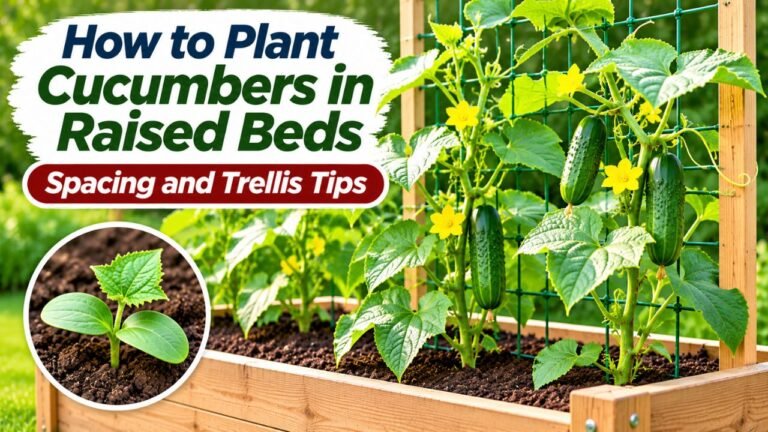
Tomatoes, cucumbers, peas, and beans may need a separate support structure inside or beside the enclosure. A garden cage keeps animals away, but a cage frame may not be designed to carry the weight of mature vines.
If vertical growing is part of the plan, leave room for a trellis and check that the cover will not press against the foliage. A suitable trellis for raised beds can save ground space, but it needs enough clearance from the enclosure walls for airflow and harvesting.
How to Use Garden Enclosures for the Best Results
Install the enclosure before animals learn that young plants are available, and check every opening after the first day outside. Good placement, secure edges, and regular access matter as much as the frame or mesh.
- Clear stones, weeds, and sharp stems from the footprint.
- Set the cage or panels around the bed before fastening the cover.
- Press stakes firmly into the soil and bury frame edges where instructed.
- Smooth the mesh so no loose section rests heavily on plant stems.
- Close every zipper, panel connection, or lower gap after watering.
- Open the door from the same side each time to avoid stepping on plants.
- Inspect after strong wind, heavy rain, or animal activity.
- Remove fallen leaves and standing water from the enclosure floor.
For a modular fence, connect panels before filling the bed with tall plants. That approach leaves room to adjust the shape without snapping stems or reaching through a dense canopy.
For a walk-in crop cage, keep the door fully closed after entry and exit. Birds and small animals do not need a dramatic opening; a casual unzipped door can be enough.
For a butterfly habitat, use gentle handling and clean the enclosure between occupants. Keep the habitat in a suitable location with the food and moisture required by the species, rather than placing it in harsh afternoon sun.
How to Make Your Garden Enclosure Last Longer
Regular inspection is the easiest way to extend outdoor enclosure life. Clean the mesh, tighten loose connections, and store removable parts dry when the growing season ends.
Brush soil and leaves away from the lower edges once a week during active use. Damp debris can hold moisture against metal or fabric, and a hidden pile can also create a bridge for small animals.
Rinse mesh with clean water when dust or pollen blocks airflow, then let the fabric dry fully before closing the enclosure. Avoid dragging a cover across rough ground, because small tears often begin at corners and seams.
Inspect zippers before forcing them. Remove soil or plant pieces from the teeth, and guide the zipper along the track instead of pulling hard when the mesh is under tension.
Check stakes and panel joints after storms. Push loose stakes back into firm soil, straighten panels before connections bend, and repair or replace a damaged section before an animal finds the opening.
Keep wooden insect habitats dry between uses. Wipe the frame instead of soaking it, let the mesh dry indoors, and store screws and the screwdriver together so setup does not become a scavenger hunt later.
Do not use an enclosure as a snow or ice support unless the instructions clearly allow it. Heavy accumulation can pull down mesh, bend metal, and press against plants that should have been covered or moved before severe weather.
Common Mistakes to Avoid When Buying and Using Garden Enclosures
Most enclosure problems come from a mismatch between the pest, the footprint, and the daily care routine. Avoid these mistakes before assembly rather than trying to rescue a crowded or poorly anchored garden later.
- Choosing by length alone: A cover may span the bed but lack enough height for mature plants. Measure width and height, including supports and expected growth.
- Ignoring the lower edge: Animals can push beneath a loose cover or panel. Press edges down, bury frame sections where suitable, and inspect corners after watering.
- Using a low fence for birds: A 24-inch barrier cannot block animals that enter from above. Use a roofed mesh cage when overhead access is the concern.
- Skipping wind planning: Tall mesh cages catch gusts. Select a sheltered site when possible, bury the frame, and check stakes after storms.
- Crowding plants against mesh: Leaves touching fabric may rub, stay damp, or become easy targets through openings. Leave growing room around the outer edge.
- Forgetting the door path: A door blocked by a fence, hose, or dense plant is hard to use. Plan the entry before anchoring the enclosure.
- Treating shade cloth as animal mesh: Shade reduces sunlight, while animal barriers block access. Choose the material for the actual problem rather than the color or appearance.
A related raised bed with cover can make sense when you are starting a new bed and want the container and protection designed together. Existing beds usually offer more flexibility with a separate enclosure, especially when the planting layout changes from season to season.
How to Set Up Garden Enclosures
Set up a garden enclosure on a calm day with the bed empty or plants still small. A helper makes tall frames easier to hold square, and careful measuring prevents the common mistake of tightening the cover before the frame is aligned.
- Measure and mark the footprint, including the entry side.
- Clear stones and sharp debris that could damage mesh.
- Lay out panels, tubes, stakes, cover sections, and fasteners.
- Build the frame or connect panels loosely before final tightening.
- Square the corners by checking that opposite sides match.
- Attach the mesh without pulling so tightly that seams strain.
- Bury or stake the lower edges, especially on the windward side.
- Open and close the door several times before placing plants inside.
For the six-panel barrier, test the shape around the bed before driving every stake fully into the ground. The best final arrangement may be a rectangle, square, or straight run depending on the bed and nearby paths.
For the tall Outsunny cages, have one person hold the frame while another aligns sections and cover edges. Do not rely on mesh tension alone to keep the cage in place.
For the Bucherry habitat, assemble the wooden frame on a flat surface and check that the mesh has no folds near the door. Keep the included small parts away from children and insects until the frame is secure.
Common Questions About Garden Enclosures
What is the best height for a garden enclosure?
The best height depends on access and plant growth. A 24-inch barrier can suit a low raised bed and ground-level pests, while a six-foot cage is more comfortable for pruning and harvesting inside. Measure mature plant height and include space for supports before choosing the frame.
Do garden enclosures stop rabbits and birds?
A low panel barrier can help stop rabbits and similar ground animals, but birds need overhead coverage. A mesh crop cage with closed sides and a roof offers broader protection. No enclosure works well if the lower edge, door, or corner has a gap large enough for the animal to use.
Can a garden enclosure protect plants from frost?
A mesh animal cage alone should not be treated as full frost protection. Mesh can block pests while allowing air and rain through, but frost protection usually requires a suitable cover placed over plants with enough clearance. Check the cover material and local weather needs before relying on an enclosure during a freeze.
How do I stop wind from moving a garden cage?
Secure the lower edges, use the included stakes correctly, and bury frame sections when the instructions call for it. Place the cage in a sheltered area if possible, then inspect it after strong gusts. Tall cages need more attention because their larger sides catch more wind.
Should a garden enclosure touch plant leaves?
Plant leaves should have room from the mesh whenever possible. Contact can cause rubbing, trapped moisture, or easier feeding through the openings. Measure for mature growth, prune carefully when appropriate, and use internal supports if vines or tall stems press against the cover.
Can I use a garden enclosure for butterflies?
A dedicated insect habitat is better for butterflies and caterpillars than a full-size vegetable cage. Fine breathable mesh, visibility, gentle handling, and manageable cleaning matter more than walking space. Provide the correct food and conditions for the insect, because an enclosure does not replace species-specific care.
Choose Protection That Fits Your Actual Garden
Start by measuring the bed, identifying the animal, and deciding how often you need to enter the enclosure. If the plan is a broad covered bed, confirm the footprint and anchoring space; if the need is a low boundary or insect habitat, choose the smaller format only after checking the opening, mesh, and care requirements.

I’m Maya L. Greenwood, a lifelong plant lover who believes anyone can grow something beautiful with the right guidance. After years of testing soil mixes, pruning methods, irrigation tricks, and pest-safe solutions, I started EasyGardenTips.com to turn hard-won lessons into step-by-step advice. From seed starting and container gardens to composting and seasonal checklists, my goal is to make gardening simple, sustainable, and fun.
One Comment