5 Best Clip on Grow Lights for Indoor Plants: Products Compared
The comparison below explains where each lamp fits, what its controls mean in everyday use, and which trade-offs deserve attention. After the product details, you will find practical advice on placement, timers, safety, maintenance, plant coverage, and common setup mistakes. When comparing best clip on grow lights for indoor plants, I look at how each option fits a real buying need, where it performs well, and which trade-offs matter.
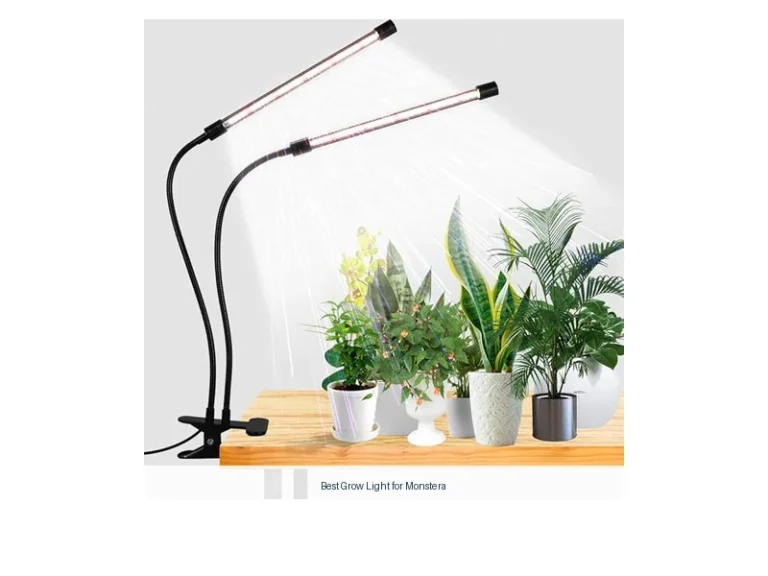
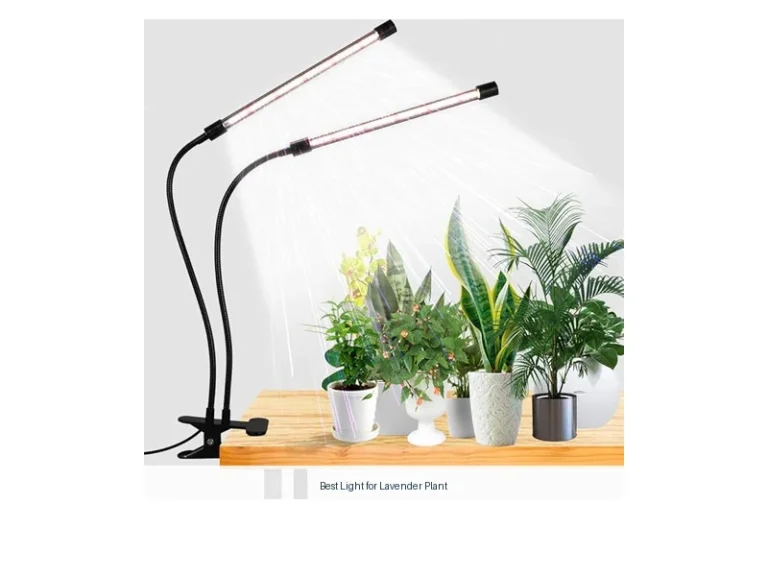
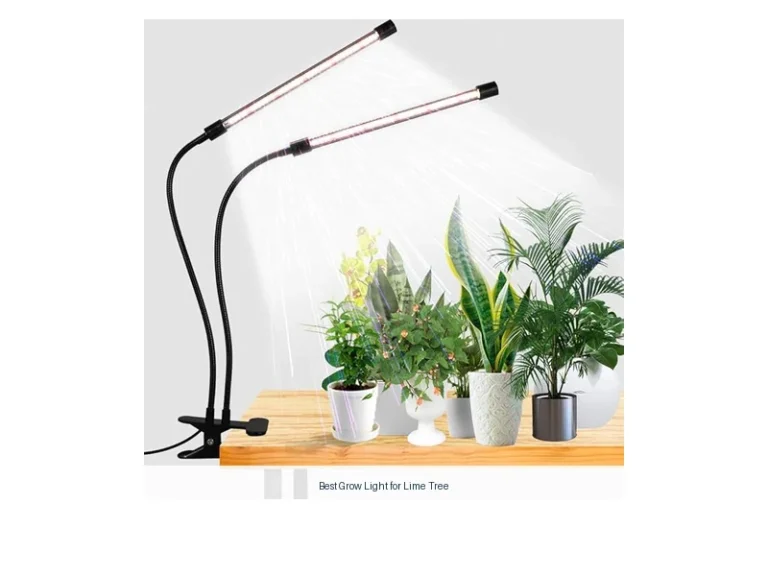
My first choice is bseah Full Spectrum Clip-on Grow Light Plant Lamp. Its 10 brightness levels, three lighting modes, and flexible 360-degree goosenecks make it easier to adapt the light as plants move from germination to foliage growth or flowering.
My second choice is SANSI 5W Ceramic Technology Pot Clip-on Grow Light. Its 5W output, four dimming levels, 4000K light, USB power options, timer, and two-year service offer a neat solution for a single plant or small container.
My third choice is RWNTAO 168-LED White and Red Clip Plant Grow Lights. Choosing the best clip on grow lights for indoor plants is less about finding the brightest lamp and more about matching coverage, controls, placement, and daily convenience to your plants. A small succulent on a desk needs a different setup from a shelf filled with herbs or flowering plants.
Below, I compare the selected best clip on grow lights for indoor plants options, explain the strengths and trade-offs of each one, and cover the buying factors plus practical setup, use, compatibility, maintenance, longevity, safety, troubleshooting, storage, and common mistakes that matter before choosing.
Best Clip on Grow Lights for Indoor Plants
I selected these products for their direct relevance to indoor plant lighting, useful control options, clip-on practicality, and the amount of product detail available for comparison. Customer-feedback evidence was also considered where supplied, along with differences in format, coverage, power approach, and brand offering; this is a feature-based evaluation rather than hands-on testing.
| # | Image | Product | Price on Amazon |
|---|---|---|---|
| 1 |  |
bseah Full Spectrum Clip-on Grow Light Plant Lamp | Check Price |
| 2 |  |
SANSI 5W Ceramic Technology Pot Clip-on Grow Light | Check Price |
| 3 |  |
RWNTAO 168-LED White and Red Clip Plant Grow Lights | Check Price |
| 4 |  |
Eurbolan Upgrade 96-LED Halo Clip-on Grow Light | Check Price |
| 5 |  |
Shyineyou Compact Full-Spectrum Clip Grow Lights | Check Price |
bseah Full Spectrum Clip-on Grow Light Plant Lamp
The bseah lamp is a strong all-around option for plant owners who do not want to outgrow a simple clip-on light quickly. It offers 10 dimmable brightness levels, so a buyer can start gently with a young seedling or lower the intensity for a plant that is already receiving some daylight. Three lighting modes are intended to support different growth stages, including germination, blooming, and fruit production.
Its 360-degree flexible goosenecks make positioning less awkward than with a fixed lamp. That matters when leaves grow unevenly or when the clip must sit on one side of a shelf. Instead of moving the entire plant every time, you can redirect the light toward the foliage. The built-in 3-, 9-, and 12-hour timer can also turn the lamp on and off at the same time each day after setup, provided it remains connected to power.
This model is especially appealing for shoppers who value controls and ongoing support. The advertised 24-month warranty provides useful ownership reassurance, although the buyer still needs a suitable nearby power outlet and a stable surface for the clip. Multiple adjustable heads can be helpful for a small cluster of plants, but they also create more cords and positioning decisions than a single compact lamp.
Pros
- 10 brightness levels and three lighting modes provide fine adjustment.
- 360-degree goosenecks help direct light around growing foliage.
- Automatic 3/9/12-hour cycle timer remembers the daily schedule.
- 24-month warranty adds support after purchase.
Cons
- Its multi-adjustment design may be unnecessary for one tiny plant.
- It requires continuous power for the automatic daily cycle to work.
My Opinion
This is my top pick for a flexible indoor plant station. The combination of broad dimming control, timer options, adjustable positioning, and warranty support gives it the widest practical appeal among these five choices.
SANSI 5W Ceramic Technology Pot Clip-on Grow Light
SANSI takes a more focused approach with a one-pack pot clip light intended for a single plant or a small growing area. Its 5W output and 4000K natural-looking light suit shoppers who want supplemental illumination without an overly harsh appearance on a desk, shelf, or windowsill. The ceramic technology is presented as a way to improve power conversion, making this an interesting choice for buyers who are conscious of efficiency.
The lamp uses four brightness levels rather than the 10 levels offered by some competitors. That gives less incremental control, but it can also make daily operation simpler: choose 25%, 50%, 75%, or 100% and adjust only when the plant’s position or condition changes. The flexible gooseneck and pot clip allow the light to be aimed at the plant without adding a separate stand or support piece.
One notable advantage is its 5V low-voltage input. The supplied information says it can be powered through a power bank, laptop, or computer, which gives renters and desk users more placement freedom. The 3-, 6-, and 12-hour timer choices also differ from the 3/9/12-hour pattern used by several other products here. SANSI lists ETL quality verification and two-year service, but the one-pack format is less suitable for a broad shelf or several plants unless you purchase additional lamps.
Pros
- Compact one-pot format suits desks, shelves, and windowsills.
- 5V low-voltage power can work with a power bank, laptop, or computer.
- 4000K light has a relatively natural indoor appearance.
- Timer offers 3-, 6-, and 12-hour cycles.
- Two-year service and ETL listing add useful buyer reassurance.
Cons
- One lamp is best suited to one plant or a limited area.
- Four brightness levels offer less fine control than 10-level models.
My Opinion
SANSI is the most sensible alternative for a buyer who values compact size, low-voltage flexibility, and a natural-looking lamp over maximum coverage. It is a particularly good fit for a single potted plant rather than a crowded indoor garden.
RWNTAO 168-LED White and Red Clip Plant Grow Lights
RWNTAO is the coverage-oriented choice in this group. The two-pack includes four-head light arrangements, with each bar described as using 37 sunlight-white LEDs and five red LEDs. That combination is intended to support different stages: white light for vegetative and structural growth, red light for flowering, fruiting, and leaf development, and a combined setting for a broader sunlight-like approach.
For someone caring for several small plants, the two-pack can be more practical than buying a single narrow lamp. The four flexible heads can be distributed across foliage, helping illuminate more than one point from a shared clip position. The 360-degree goosenecks and sturdy clips also make it easier to adjust the angles as plants grow. Still, a larger arrangement needs more room and may look busy on a very small desk.
Control is a major strength. Ten dimming levels allow gradual changes, while the three lighting modes let the owner choose white, red, or combined output. Its 3-, 9-, and 12-hour cycle timer can repeat the selected schedule automatically the following day, which is useful when plant care must continue during workdays or short trips. The available product information does not state a warranty, power input, or safety certification, so buyers should confirm those details on the current listing before ordering.
Pros
- Two-pack format can serve a broader plant area.
- Four heads provide more freedom to distribute light.
- White, red, and combined modes support different growth preferences.
- 10 brightness levels offer precise adjustment.
- Automatic 3/9/12-hour timer reduces daily manual operation.
Cons
- The multi-head design may be visually or physically excessive for one small plant.
- Supplied information does not specify a warranty, power input, or certification.
My Opinion
RWNTAO is a strong fit for an indoor plant shelf, propagation area, or collection of small pots. I would choose it when coverage and lighting flexibility matter more than having the simplest, smallest setup.
Eurbolan Upgrade 96-LED Halo Clip-on Grow Light
Eurbolan stands out visually with a dual circular halo shape rather than a conventional bar or single bulb. Its 90 white and six red LEDs are arranged to provide focused illumination around the plant, while the soft, flicker-free description may appeal to people who keep plants near a desk or living area. The circular form can also distribute light in a way that looks more deliberate in a home setting.
The control layout is straightforward: three lighting modes and five brightness levels cover basic adjustments without creating an overly complicated menu. Its timer choices are unusual among these products, offering 6-, 12-, and 16-hour cycles. That extra 16-hour option may be useful for plants or rooms that need a longer daily schedule, while the 6-hour setting can suit supplemental lighting when a plant already receives daylight.
Placement is another positive. A 360-degree gooseneck helps aim the halo, the anti-slip clip is intended to keep the lamp stable, and the 78.74-inch power cord gives more freedom when the nearest outlet is not immediately beside the pot. The aluminum circular lampshade is described as aiding heat dissipation. Buyers should remember that a halo lamp still needs enough clearance around its frame and should be positioned so leaves do not press against the light.
Pros
- Distinctive dual-halo design suits visible home and office spaces.
- 96 LEDs combine white and red light for indoor plant use.
- 6/12/16-hour timer choices offer a longer-schedule option.
- Long 78.74-inch cord makes placement more flexible.
- Aluminum lampshade is intended to improve heat dissipation.
Cons
- Five brightness levels are less granular than 10-level alternatives.
- The circular light may need more clearance around dense foliage.
My Opinion
Eurbolan makes the most sense for someone who wants a decorative, focused lamp with an unusually long timer option. It is less compelling for buyers who need two separate plant zones or maximum brightness-step control.
Shyineyou Compact Full-Spectrum Clip Grow Lights
Shyineyou focuses on small spaces and small plants. The compact lights are described as 12.8 inches tall, making them suitable for desks, apartment shelves, dorm rooms, windowsills, succulents, herbs, and seedlings where a larger lamp could crowd the area. The two-pack is useful when two pots need separate positioning rather than one light being stretched across a wide collection.
Each lamp uses 4000K full-spectrum light and 10 brightness levels. That combination gives beginners a relatively simple way to adjust intensity while keeping the lamp’s appearance closer to neutral indoor light than a strongly colored grow lamp. The 3-, 9-, and 12-hour timer supports consistent daily operation, which is especially helpful for people who often forget to switch supplemental lighting on or off.
The clip and 360-degree gooseneck make placement adaptable on shelves, planters, or tables. A 78.74-inch USB cable provides useful reach, and the low-voltage design is described as including built-in safety features. The main limitation is scale: this is a compact solution, not a substitute for a broad, high-coverage fixture. Buyers with mature, wide plants should check whether the small lamp heads can illuminate enough foliage before choosing it, and they should make sure the USB power source can remain connected for the chosen schedule.
Pros
- Two-pack suits two small plants or separate locations.
- Compact 12.8-inch format works well in tight rooms.
- 10 brightness levels allow gradual adjustments.
- 4000K full-spectrum output has a practical indoor appearance.
- Long USB cable and low-voltage design support flexible placement.
Cons
- Compact size limits coverage for large or wide plants.
- USB operation requires a dependable nearby power source.
My Opinion
Shyineyou is a sensible budget-space-style choice for beginners with succulents, herbs, seedlings, or a pair of small pots. I would not make it the first choice for a large collection that needs powerful, wide-area coverage.
How I Selected These Best Clip on Grow Lights for Indoor Plants
The selection prioritizes the practical problems a clip-on lamp must solve: directing light toward foliage, maintaining a repeatable schedule, adjusting intensity, fitting a real indoor space, and supporting the plant’s likely growth stage. I also compared the number of lamps, head arrangement, timer choices, power information, cord length, warranty or service details, and the stated intended uses.
Customer-feedback volume and ratings were part of the supplied evidence, but they were not treated as proof that every plant will respond identically. The list includes products with different strengths rather than five nearly identical lamps: bseah emphasizes broad control, SANSI targets one-pot efficiency and low-voltage use, RWNTAO offers multi-head coverage, Eurbolan brings a halo format, and Shyineyou focuses on compact two-pack convenience.
For a clip-on grow light, adjustability is only valuable when the lamp can remain stable and close enough to the plant without blocking leaves or creating an awkward cord arrangement.
The product information also has gaps. For example, not every listing supplies the same details about power, warranty coverage, certification, or physical dimensions. Those omissions matter, so buyers should confirm current listing information before purchase, especially when a lamp will be used for many hours each day.
A timer helps with consistency, but it does not replace correct distance, suitable brightness, airflow, watering, or attention to the plant’s actual condition.
How to Choose the Best Clip on Grow Lights for Indoor Plants
Start with the plant area, not the feature count. A single succulent on a desk may benefit from one compact lamp, while a shelf of herbs may need multiple heads or two separate units. Then consider how much natural light the plants already receive, how much space the clip and cord require, and whether you prefer a simple schedule or more detailed control.
- Match coverage to the plant area: one-pot lamps are not ideal for a broad shelf.
- Choose useful controls: more brightness levels help with gradual adjustment; more modes can help with different growth stages.
- Check the timer: confirm that its available hours fit your daily lighting plan.
- Inspect power needs: USB or 5V operation may be convenient, but it still needs dependable continuous power.
- Plan the clip location: the clamp must attach securely without crushing a pot rim, shelf edge, or delicate support.
Coverage and number of heads
A lamp’s practical coverage depends on more than the number of LEDs. Head shape, distance, angle, and plant width all affect how much foliage receives light. A four-head product can spread illumination across several small plants, but it may be unnecessarily complicated for one narrow pot. Conversely, a small single lamp may leave the outer leaves of a bushy plant shaded.
Before ordering, estimate where the clip will sit and draw an imaginary area from the lamp to the leaves. If the plant is wider than that area, consider a two-pack, multiple heads, or a lamp that can be positioned from above rather than from one side.
Brightness levels and lighting modes
Ten dimming levels provide more room for gradual changes than four or five settings. That can be useful when introducing a plant to supplemental lighting or when seasonal daylight changes. However, more settings are not automatically better if the controls are inconvenient to use. A beginner who prefers simplicity may appreciate a smaller number of clear choices.
White, red, and combined modes can give buyers more ways to tailor the light. White light is generally presented for vegetative and structural growth in the supplied product information, while red light is associated with flowering, fruiting, and leaf growth. Treat these modes as adjustment tools rather than guarantees of a particular result.
Timer behavior
Automatic cycles are valuable because plants benefit from a consistent routine and people often forget manual switching. The products here offer different choices: 3/9/12 hours, 3/6/12 hours, or 6/12/16 hours. Think about whether the lamp is supplemental or the primary indoor light source. A plant receiving bright daylight through a window may need a different schedule from one in a dark corner.
Check whether the timer is a repeating cycle rather than a one-time countdown. Several of these lamps are described as remembering the schedule and turning on at the same time the next day, but that function generally depends on uninterrupted power. If the USB adapter or outlet is switched off, the cycle may need to be set again.
Color appearance in living spaces
Natural-looking 4000K light, such as the specification supplied for SANSI and Shyineyou, can blend more comfortably into a desk or home environment. White-plus-red systems may offer more spectral flexibility, but their appearance can be less neutral in some settings. Decide whether the lamp will sit in a bedroom, office, kitchen, or dedicated plant corner before choosing a visual style.
Setting Up a Clip-on Plant Light
Begin with a sturdy attachment point. The clip should grip a shelf, table edge, or pot support firmly without bending the surface or pressing against fragile ceramic. If the lamp wobbles when the gooseneck is adjusted, move the clamp rather than accepting an unstable position.
Point the light toward the leaves instead of directly at the soil unless the plant is very small. For a multi-head model, spread the heads so the brightest area is not concentrated on one leaf cluster. Leave enough room for new growth, and avoid trapping foliage against the lamp housing.
Use a moderate brightness setting at first, especially when the plant has been living in a dim location. Observe leaf color, curling, dryness, and general posture over time. Raising the intensity gradually is more sensible than assuming the highest setting is always best.
Using Timers Without Losing Plant Control
Set the timer during a period when you can watch the first cycle. Confirm that the light turns on and off when expected, then check it again the following day. This is particularly important for USB-powered lamps, because a loose cable, switched power strip, or sleeping computer can interrupt the routine.
A timer controls duration, not plant health. If a plant receives strong window light during the day, count that exposure as part of the overall environment. Avoid extending the schedule simply because the lamp offers a 12- or 16-hour option. Plants need a regular dark period as well as light.
Positioning Light for Even Growth
Side lighting can cause a plant to lean toward the lamp, while overhead lighting tends to distribute illumination more evenly across the top growth. A flexible gooseneck lets you experiment with both approaches. For a tall plant, aim at the active foliage; for a low tray of seedlings, use a broader, more centered position.
Turn the plant occasionally if the lamp is mounted on only one side. This can help prevent one-sided growth, although rotating the plant should not be used to compensate for a lamp that is clearly too narrow for the plant. When leaves become crowded, adjust the heads or move the light farther away rather than allowing foliage to overlap heavily.
Power, Cord, and Compatibility Considerations
Read the power description carefully before assuming a lamp will work with any USB source. SANSI is specifically described as using 5V low-voltage input and working with a power bank, laptop, or computer. Shyineyou is described with a long USB cable and low-voltage operation. Other products in the supplied data do not provide the same power details, so verify the current listing and included accessories.
A long cord improves placement but also creates a trip and snag risk. Route it along the back of a desk or shelf, keep connectors away from watering areas, and avoid pinching it beneath furniture. Do not use a portable battery as the only power plan unless you know it can operate for the desired schedule without shutting down.
Cleaning and Maintenance
Disconnect the lamp before cleaning. Use a soft, dry cloth to remove dust from the light housing, gooseneck, and clip. Dust can reduce the amount of light reaching the plant and may collect around ventilation or heat-dissipation areas. Do not spray water or household cleaner directly onto the lamp, controls, cable, or power connection.
Inspect the clip periodically for loosening, slipping, or damage. Check that the gooseneck still holds its position and that the cable insulation has not been crushed. If a lamp begins flickering, becomes unusually hot, or smells like overheated plastic, disconnect it and investigate the power connection or contact the seller rather than continuing to operate it.
Common Mistakes to Avoid with Clip-on Grow Lights
Most problems come from treating a small lamp like a universal replacement for sunlight. A clip-on light can provide helpful supplemental illumination, but results depend on distance, coverage, duration, plant type, watering, and airflow.
- Do not place the lamp so close that leaves touch the housing or press against hot areas.
- Do not assume the highest brightness setting is appropriate for every plant.
- Do not aim several heads at one small leaf cluster while leaving the rest of the plant shaded.
- Do not hide the cord where water from a watering can could run toward the power connection.
- Do not rely on a timer while ignoring signs of light stress, dryness, or uneven growth.
- Do not attach a heavy multi-head lamp to a weak shelf edge that flexes under the clip.
Consistency matters, but more light is not always better. Adjust duration, distance, and brightness together instead of changing only one control repeatedly.
How to Make the Light Last Longer
Give the lamp a stable home and avoid repeatedly bending the gooseneck farther than necessary. Flexible arms are useful for positioning, but constant aggressive repositioning can place unnecessary stress on the neck or cable. Set the desired angle first, then make small corrections as the plant grows.
Keep leaves, soil, and water away from the light housing. When repotting or rearranging plants, unplug the lamp and move the clip carefully. Store a compact unit in a dry location if it will not be used for a season, with the cable loosely coiled rather than tightly wrapped around the lamp.
When a Clip-on Light Is the Wrong Size
Clip-on lamps work best for small collections, individual pots, propagation areas, and shelves where a fixed fixture would be excessive. They become less suitable when plants are tall, very wide, densely packed, or numerous enough that one lamp must be placed far away to cover everything.
If the outer leaves stay visibly darker, if the lamp must sit too far from the foliage, or if several clips compete for the same shelf edge, reconsider the format. A two-pack such as RWNTAO or Shyineyou may solve a modest coverage problem, but a larger collection may ultimately need a broader dedicated fixture.
FAQS About Best Clip on Grow Lights for Indoor Plants
Are clip-on grow lights suitable for beginners?
Yes. A clip, flexible neck, brightness control, and automatic timer make this format relatively approachable. Beginners should still start with moderate brightness, secure the clamp, and watch the plant for changes rather than relying on the highest setting.
Which option is best for one small indoor plant?
SANSI is the most focused one-pot choice, while Shyineyou can work well when two small plants need separate lamps. The better fit depends on whether you prefer one compact lamp or a two-pack for separate placement.
Which clip-on lamp is better for several small plants?
RWNTAO is the strongest coverage-oriented option in this group because it comes as a two-pack and uses four adjustable heads. bseah is another flexible choice for a small cluster, especially when adjustable brightness and timer control are priorities.
Should an indoor plant light stay on all day?
Not automatically. Use the available timer settings and consider the plant’s natural window light. Plants need a consistent dark period, and the correct schedule varies with the plant, room brightness, and whether the lamp is supplemental.
Can a USB clip-on grow light use a power bank?
SANSI is specifically described as using 5V low-voltage input and being compatible with a power bank, laptop, or computer. Shyineyou is also described as a low-voltage USB lamp. Confirm the current product instructions and make sure the power source can stay connected for the complete timer cycle.
How far should a clip-on grow light be from a plant?
The supplied product information does not provide one universal distance for every model and plant. Begin with the lamp aimed at the foliage without touching it, use a moderate setting, and adjust based on coverage and plant response. A wider plant may need multiple heads rather than simply moving one lamp farther away.
Final Thoughts
The best clip on grow lights for indoor plants depends on coverage and control more than on headline features alone. bseah Grow Light Plant Lights is my top overall choice, SANSI Grow Lights is the best compact one-pot alternative, and RWNTAO Grow Lights Upgrade 168 LEDs is the strongest option for broader multi-plant coverage. Eurbolan suits buyers who want a halo design and longer timer choices, while Shyineyou is a practical compact two-pack for small plants and tight spaces.

I’m Maya L. Greenwood, a lifelong plant lover who believes anyone can grow something beautiful with the right guidance. After years of testing soil mixes, pruning methods, irrigation tricks, and pest-safe solutions, I started EasyGardenTips.com to turn hard-won lessons into step-by-step advice. From seed starting and container gardens to composting and seasonal checklists, my goal is to make gardening simple, sustainable, and fun.