Can You Use Potting Soil in the Ground? What Gardeners Must Know
Yes, you can use potting soil in the ground for small planting jobs, but it’s usually a poor choice for filling a whole garden bed. Potting mix drains differently from native soil and can dry out quickly, so use it where its loose texture helps rather than treating it as a simple soil replacement.
Have you ever opened a bag of potting mix and wondered if you could put the leftovers straight into your yard? Or worried that a new plant will struggle in hard, sticky soil unless you give it a softer start?
I once used leftover potting mix to fill a planting hole in heavy ground, thinking the plant would appreciate the fluffy pocket. The hole held water longer than the surrounding soil, and the plant looked droopy after a stretch of rain; that’s a common mistake, not a dumb one.
I wrote this to help you tell the difference between a useful small-scale application and a mix-up that can make garden soil harder to manage. The goal is simple: help you choose the right material for the job, whether you’re transplanting a flower, filling a low spot, or improving a bed.
If you get the choice right, you can put leftover mix to work without wasting money or creating a soggy pocket around roots. If you use it as bulk fill, you may get uneven moisture, poor contact between soil layers, or a bed that settles more than expected.
This takes about 10 minutes to read. You’ll come away knowing:
- When potting mix can help plants growing in the ground.
- Why a planting hole shouldn’t become a pocket of different soil.
- What to use for garden beds, lawns, and trees instead.
- How to handle leftover mix without wasting it.
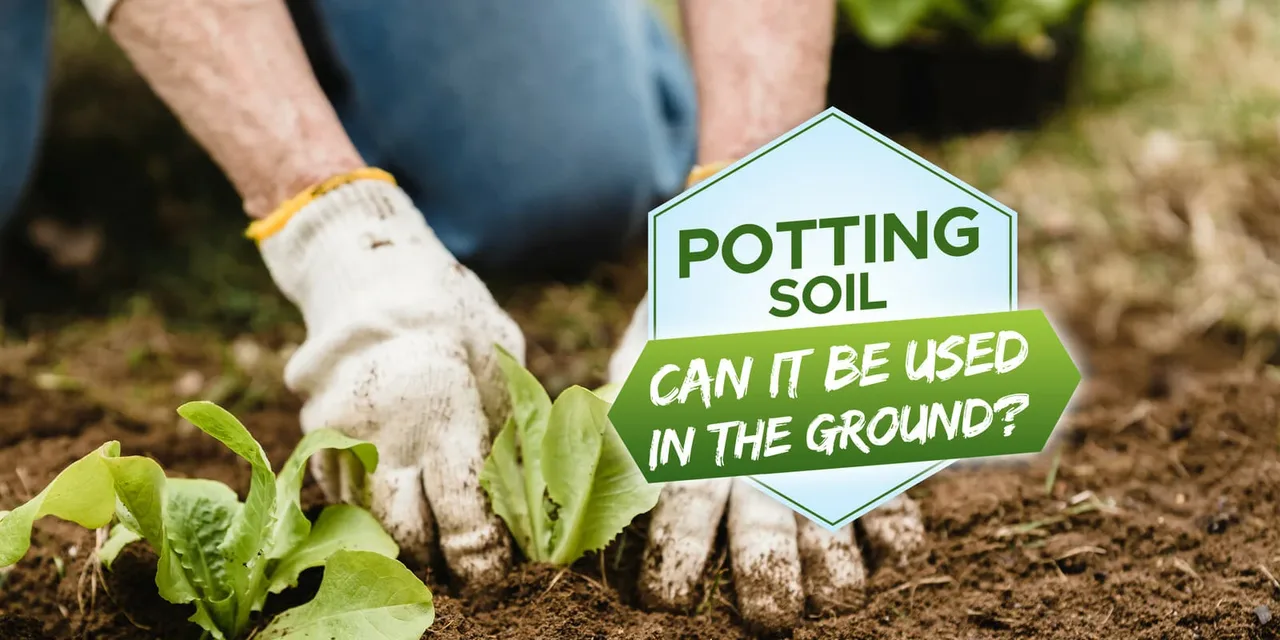
Can You Use Potting Soil in the Ground?
Yes, potting soil can go in the ground for small jobs, such as topping off a shallow planting area or using a modest amount around a plant, but it shouldn’t replace the native soil in a large bed. Potting mix is made to support plants in containers, while garden soil includes mineral particles and living material shaped by the site.
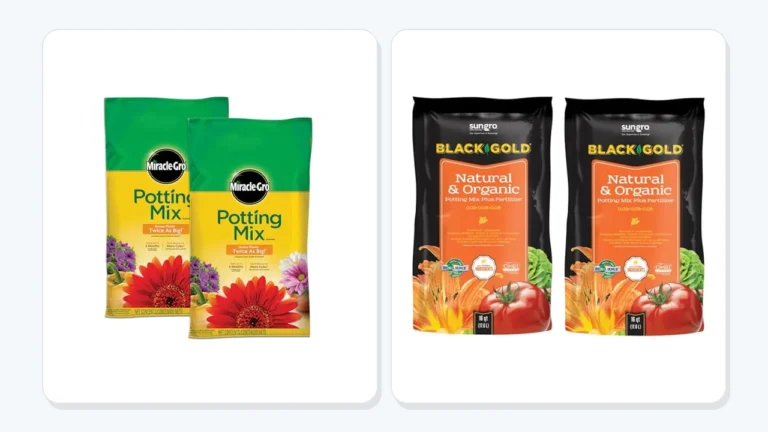
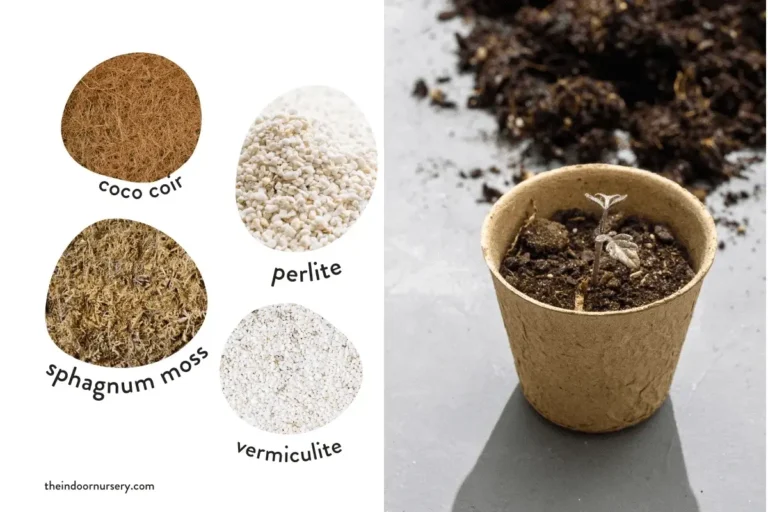
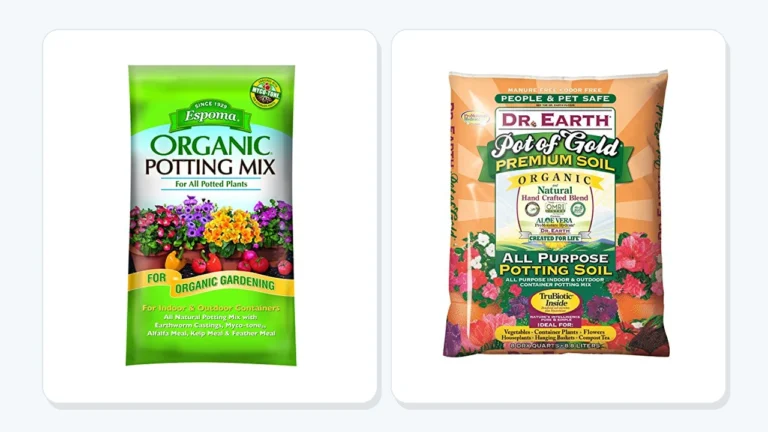
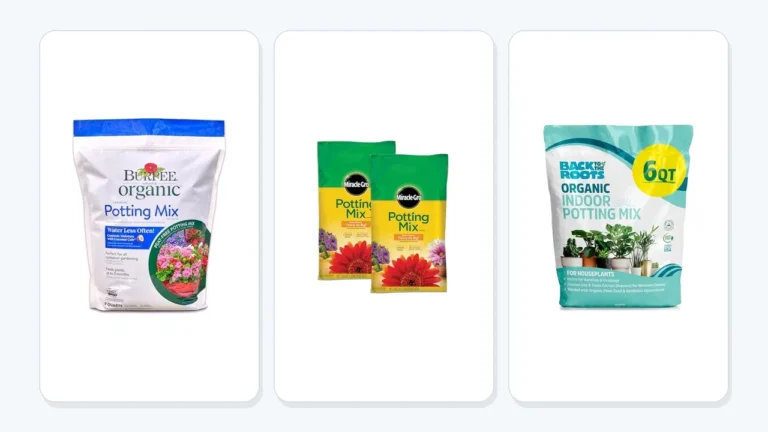
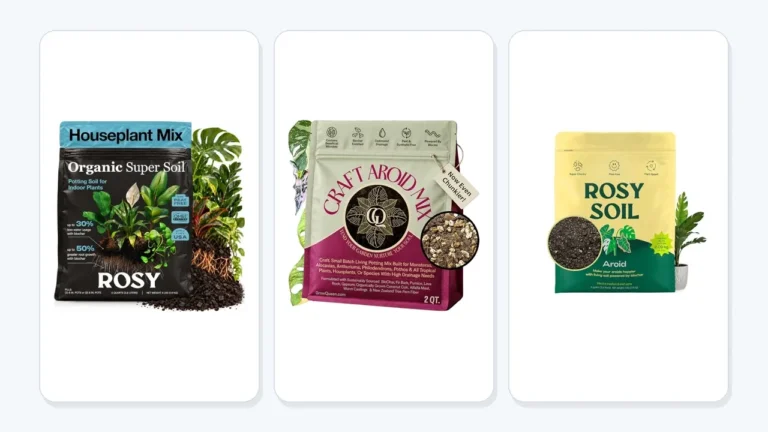
The name can be confusing: most bagged potting soil isn’t soil dug from the ground. It’s a potting mix, often made with materials such as peat moss or coir, bark, perlite, and added fertilizer; the exact blend varies by product.
That loose texture helps roots get air in a pot, where the mix is surrounded by a container. In open ground, the same mix may behave differently because it meets denser soil and faces rainfall, wind, and drainage conditions the bag wasn’t designed for.
| Ground use | Is potting mix a good fit? | Better approach |
|---|---|---|
| A small flower or herb planting | Sometimes | Mix a modest amount into the loosened soil around the planting area |
| Filling a whole raised bed | Usually not by itself | Use a blend intended for garden beds |
| Filling a low spot in the lawn | No | Use screened topsoil or a lawn topdressing blend |
| Improving a broad garden bed | Not as the main amendment | Add compost or another amendment suited to the soil |
| Reusing a small amount left in a bag | Often | Spread it thinly or blend it into a small planting area |
The safest choice depends on your soil texture, drainage, plant, and the amount of mix involved. A handful used around a small annual flower isn’t the same job as several bags used to fill a new bed.
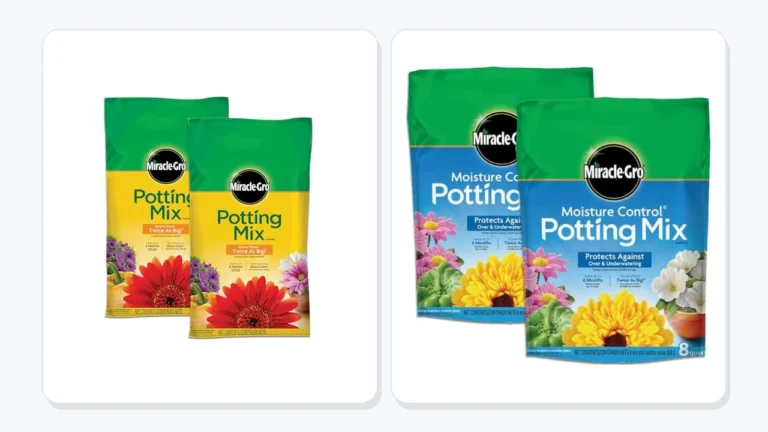
If you’re filling containers that sit outside, a mix designed for outdoor conditions may suit the job better than a general-purpose indoor blend. The differences among outdoor potting mixes often come down to how the ingredients handle moisture, airflow, and changing weather.
Where Potting Mix Works, and Where It Doesn’T
Potting mix can be useful in the ground when you have a small, clearly defined need and the local soil can still interact with it. It’s less suitable as a shortcut for changing the texture of a whole bed or replacing several inches of topsoil.
A small scoop can loosen a compact planting area or help use up an open bag before it goes stale. But if you’re trying to improve heavy clay across a broad bed, adding a little fluffy mix won’t reliably change the soil structure; the amount is too small, and the contrast between materials can be a nuisance.
One common exception is a small annual or herb planting where you’ve already loosened the surrounding soil. You can blend a modest amount of potting mix into the loosened soil, then water the area and watch how quickly it dries. Don’t leave a neat pocket of pure mix surrounded by hard ground.
What if you’re setting up a raised bed? Potting mix can be part of the discussion, but it’s generally not the best material to fill a whole bed because it may be too light, costly, or quick to dry for that use. A blend designed for beds is a better starting point, and the guidance on potting soil in raised beds can help you compare the trade-offs.
The same distinction matters for lawn repair. A few small bare patches need contact between grass seed and the ground, not a deep layer of fluffy material; if you’re considering potting soil on a lawn, keep in mind that thick coverage can bury seed and make the surface uneven.
How to judge the job
Before opening the bag, ask what you’re trying to fix. If the problem is a small planting area, a modest amount may help; if the problem is poor drainage or compacted soil across a large space, potting mix alone won’t solve it.
Check the bag for ingredients and fertilizer information. Some mixes include a starter fertilizer, which supplies nutrients for early growth, while others have no added fertilizer or contain slow-release nutrients. Don’t assume a bag is fertilizer-free just because it looks like plain brown material.
Pro Tip: If the mix has been open for a while, break up clumps and check that it doesn’t smell sour or feel slimy before using it. A little dust or dried material can be normal; a foul smell is a reason to skip it for a planting area.
Why a Potting-Mix Pocket Can Cause Trouble
Potting mix and native soil can hold and release water at different rates, which may leave roots dealing with two separate moisture zones. That’s why blending the materials gradually is safer than making a deep pocket of one inside the other.
Roots don’t stop at the edge of a planting hole, and water doesn’t always move through different materials at the same pace. If the potting mix is very loose but the surrounding ground is dense, rain can collect in the hole or run away from the mix, depending on the soils and site conditions.
I once loosened a hole but didn’t break up the hard ground around its sides, leaving a soft center inside a firm shell. Watered soil felt fine at the top but stayed wet lower down, a good reminder that a generous scoop of airy mix can’t fix poor drainage by itself.
The opposite problem can show up in hot, dry weather. Some mixes dry faster than the surrounding ground, especially near the surface, so a small plant may need more frequent watering until its roots grow into the native soil.
Roots also need soil contact to spread from the root ball into the garden. A sharp boundary between potting mix and compacted ground can make that transition harder, much like a sponge tucked into a tight plastic wrapper.
If a planting hole stays waterlogged after ordinary rain, pause before adding any mix. Check the site’s drainage and the plant’s needs first; a plant suited to wetter ground may be a better fit than trying to engineer a quick fix with bagged material.
Don’t turn potting mix into bulk fill
A large bed takes a lot of material, so filling it with potting mix can become an expensive way to get a light, fast-draining growing medium that may need more frequent watering. It can also settle as the mix breaks down, leaving the surface lower than you planned.
For a new in-ground bed, improve the existing soil across the planting area instead of swapping in a different material only where roots begin. A soil test can help identify nutrient or pH issues, while a layer of finished compost can add organic matter without relying on a container blend.
Important Tip: If a bag lists fertilizer, follow its label before adding more. Too much fertilizer near young roots can damage plants, and the right amount depends on the product and the crop.
How to Use Potting Soil in the Ground Safely
Use potting mix as a small part of a planting job, not as a separate replacement layer. Blending a modest amount into loosened ground helps reduce the sharp difference between the bagged mix and the surrounding soil.
- Choose the spot. Check sunlight, drainage, and the plant’s needs before digging. Avoid a spot that stays flooded or dries to a crust if the plant needs steady moisture.
- Loosen the area. Break up the soil across the planting area rather than creating a narrow, smooth-sided hole. A wider area gives roots room to spread.
- Blend in a modest amount. Mix the potting material evenly into the loosened soil. Don’t create a deep pocket of pure mix at the bottom of the hole.
- Set the plant at the right depth. Keep the top of the root ball near the surrounding soil surface unless the plant’s instructions call for a different depth.
- Backfill and water. Use the blended native soil around the roots, then water enough to settle the soil without leaving a puddle.
- Watch the moisture. Check the soil near the root ball over the next several days. Water when the plant’s needs and local conditions call for it, rather than following a fixed daily schedule.
The first watering helps close air gaps around roots, but it doesn’t mean the soil should stay soaked. A finger check near the root zone is more useful than guessing from the surface, which can look dry while lower soil is still damp.
For trees and shrubs, keep the backfill close to the soil already on site unless a qualified local expert or the plant’s care instructions recommend another approach. Trees need to establish roots beyond the original planting hole, so a soft, highly different pocket isn’t a substitute for preparing the wider area properly.
A potting mix intended for containers isn’t automatically a good tree-planting amendment. If you’re comparing maple tree potting mix or spruce tree potting mix, focus on the specific growing situation: a tree in a pot has different root and drainage limits from one planted in the ground.
Pro Tip: Keep the empty bag or take a photo of its ingredients before you toss it. That makes it easier to tell whether you’ve added fertilizer, wetting agents, or other ingredients when you’re planning the next feeding.
Better Materials for Beds, Grass, and Trees
For broad in-ground improvements, choose a material that suits the size and purpose of the area. Potting mix is built around container needs, while garden soil, compost, and lawn topdressing serve different jobs.
Compost is decomposed organic material that can add organic matter to many garden soils. Use finished compost and spread it across the area you’re improving; a soil test can help you avoid adding amendments your soil doesn’t need.
Topsoil is the upper layer of ground soil sold for filling or leveling, though its quality can vary. Look for a clean, screened product that suits the job, and don’t assume every bag or bulk pile labeled topsoil has the same texture or organic content.
For grass seed, use a thin covering that lets seed stay in contact with the soil and still receive light and moisture. A grass-specific blend can be useful for a bare patch, but a thick layer of potting mix can leave seed buried or wash away in heavy rain; the details in a guide to potting mix for grass patches are relevant when you’re choosing material for a small repair.
For trees, the right planting depth, drainage, and root flare matter more than filling the hole with a special bagged mix. A tree’s root flare is the widened area where the trunk meets the roots, and it should not be buried under extra soil or mulch.
If your soil is compacted, don’t try to fix it by dumping a small amount of potting mix on top. Loosen the area where appropriate, reduce foot traffic, and use compost or another amendment based on the soil’s condition. Some sites need drainage work or a different plant choice, not a new bag of growing medium.
What to do with leftover mix
A small amount of clean leftover potting mix can be used in a container, blended into a limited planting area, or spread thinly over suitable garden soil. Avoid piling it around stems or using it to cover a large lawn area.
If the bag has been wet for a long time, smells unpleasant, or contains visible mold or pests, don’t spread it through a prized planting bed. The right disposal option depends on local waste rules and what’s in the mix, so check the product label and local guidance.
- Potting mix can help with small planting jobs, but it shouldn’t replace garden soil across a large area.
- Blend it into loosened ground instead of leaving a separate pocket.
- Use compost, suitable topsoil, or a bed-specific blend for larger projects.
- Check drainage, fertilizer labels, and plant needs before adding anything.
FAQs About Can You Use Potting Soil in the Ground
Can you plant directly in potting soil in the ground?
Yes, a small plant can grow in potting soil placed in the ground, but roots still need to connect with the surrounding soil. Blend a modest amount with loosened native soil rather than filling a deep hole with pure mix. Check moisture after planting because the two materials may dry at different rates.
Is potting soil the same as garden soil?
No, potting soil is usually a prepared growing mix for containers, while garden soil contains mineral particles and organic matter from the ground. Potting mix often includes lightweight ingredients that improve air space and drainage in pots. Bag labels vary, so check the ingredient list instead of relying on the product name alone.
Can potting soil improve clay soil?
A small amount of potting mix won’t reliably improve a large area of clay soil. The mix may behave differently from the dense ground around it, and the quantity may be too small to change the bed’s structure. For a broad area, test the soil and use an amendment suited to the problem.
Can you use old potting soil in the garden?
Yes, old potting soil may be reusable if it’s clean, has no unpleasant smell, and hasn’t had a serious pest or disease problem. Break up clumps and check the bag’s fertilizer information before mixing it into a small area. If the mix is slimy, foul-smelling, or contaminated, don’t spread it around healthy plants.
Can potting soil be used to fill a low spot in the yard?
No, potting soil is usually too light and loose to make dependable bulk fill for a low spot. It can settle or wash away, leaving the area uneven again. Use suitable topsoil or another filling material for the grade, then choose lawn or garden seed appropriate to the site.
Choose the Mix for the Job You Have
Potting soil can be useful in the ground, but the amount and placement matter more than the label on the bag. Use a little for a small planting task, blend it with loosened native soil, and check the plant’s water needs as roots settle in.
For a full bed, lawn repair, or tree planting, choose material meant for that job rather than asking potting mix to do every job at once. In my view, that’s the simplest way to avoid wasted bags and a planting hole that acts like a tiny, unpredictable bathtub.
Your clearest next step is to look at the size of the area you’re changing. If it’s small, use a modest amount and blend it; if it’s large, start with the soil or planting material suited to the whole space.

I’m Maya L. Greenwood, a lifelong plant lover who believes anyone can grow something beautiful with the right guidance. After years of testing soil mixes, pruning methods, irrigation tricks, and pest-safe solutions, I started EasyGardenTips.com to turn hard-won lessons into step-by-step advice. From seed starting and container gardens to composting and seasonal checklists, my goal is to make gardening simple, sustainable, and fun.