How to Get Rid of Potting Soil Smell: Simple Fixes That Work
Most potting soil smells fade when you let the mix dry and get fresh air moving around it. If the odor is sour, rotten, or like ammonia, check for excess moisture, poor drainage, or decomposing material before using the soil.
Is the smell coming from an unopened bag, a houseplant, or both? And is it just earthy, or does it make you want to move the pot to the porch?
I once opened a bag that smelled so sour I thought something had spilled nearby. I used it anyway, and the funk hung around after potting day because the mix was damp and packed tight. It’s a common mistake, not a dumb one.
I wrote this to help you sort out a harmless earthy smell from an odor that calls for a change in care or a fresh bag. You’ll get practical steps for the soil, the pot, and the room, without masking the problem with perfume or household chemicals.
Get it right, and you can clear the air, avoid stressing a plant, and save usable soil instead of tossing it by reflex. Skip the cause, and the smell can linger, return after watering, or point to roots that are staying too wet.
This takes about 10 minutes to read. You’ll come away knowing how to:
- Air out a smelly bag without spreading dust indoors.
- Decide when potting soil needs drying, replacing, or disposal.
- Fix a houseplant pot that smells after watering.
- Prevent the damp conditions that bring the odor back.
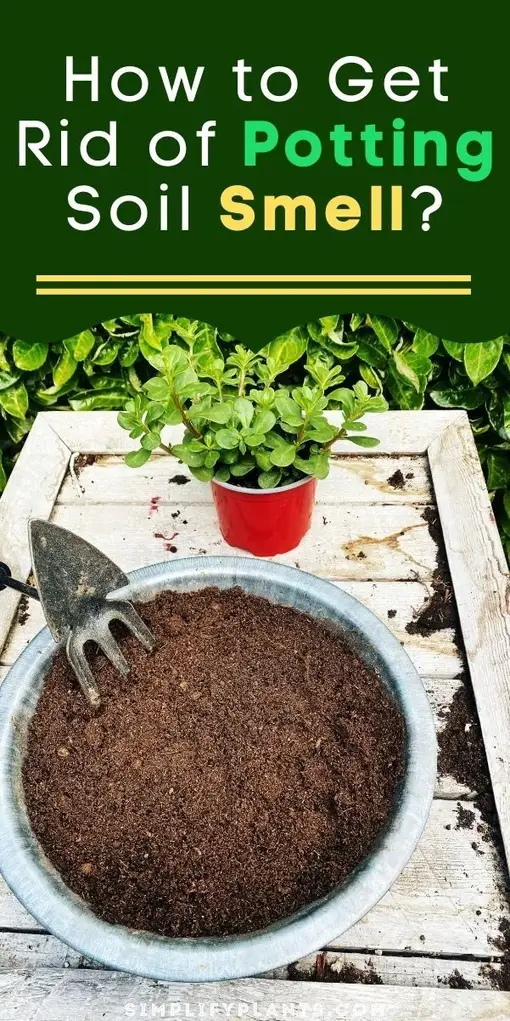
How to Get Rid of Potting Soil Smell
To get rid of potting soil smell, first stop adding water, then let the mix dry and air out; if the odor is rotten, chemical, or still strong after drying, replace the soil. A clean pot with drainage holes and a suitable mix can help keep a stale smell from returning.
Start by figuring out where the odor comes from. Smell the open bag away from your face, then check the pot, saucer, and nearby drain or trash bin; a musty room can make an ordinary soil smell seem stronger.
- Pause watering. If the soil feels wet, let the surface and upper layer dry before adding more. Don’t let a pot sit in water collected in its saucer.
- Move the pot or bag to a ventilated spot. Choose a dry, sheltered area away from food, pets, and children. Avoid a windy spot if the mix is dusty.
- Loosen the soil. For a bag, open it fully and gently turn the top layer with a clean scoop. For a potted plant, loosen only the surface without cutting into roots.
- Check the odor again after drying. A mild, earthy smell may fade as excess moisture evaporates. A sharp sour, rotten-egg, or ammonia-like odor is a reason to stop and inspect the mix rather than cover it up.
- Replace soil that stays foul. If the smell remains after the mix has dried and aired, or you spot slime, widespread mold, or decaying roots, don’t use that soil for a houseplant.
Aeration means letting air reach the soil so excess moisture can evaporate and the mix doesn’t stay densely packed. It can help with a damp bag, but it won’t make contaminated or badly decomposed soil safe to reuse.
A light earthy scent is normal because potting mixes contain organic materials such as bark, peat, or compost. What matters is whether the odor is unusually sharp, unpleasant, or persistent, and whether the mix is wet or showing other signs of trouble.
| What you smell or notice | Likely cause | Best first move |
|---|---|---|
| Mild, earthy smell | Normal organic ingredients | Air out the bag or pot |
| Sour or swampy smell | Mix staying too wet or poorly aerated | Pause watering and check drainage |
| Rotten-egg smell | Soil may be waterlogged and low in air | Stop using it until you inspect the mix |
| Ammonia-like smell | Strong-smelling, nitrogen-rich material may be breaking down | Air it out; replace it if the odor persists |
| Musty smell with surface growth | Persistent dampness or poor airflow | Reduce moisture and inspect the soil |
| Odor that seems to come from the saucer | Stale water or residue under the pot | Empty and wash the saucer |
Does the smell seem strongest right after watering? That often means water is lingering in the pot or saucer, so check that the drainage holes are clear and the pot can drain freely.
Find the Cause Before Treating the Soil
Potting soil smell usually comes from moisture and organic matter, not from a problem that needs fragrance or disinfectant. Check the bag, water, drainage, plant roots, and surface before choosing a fix.
Waterlogged soil is mix that stays saturated long enough to limit air around the roots. Dense, wet soil can develop sour or swampy odors, and roots may struggle if the pot can’t drain. Don’t try to solve that by adding a layer of gravel at the bottom; the pot’s drainage holes and the mix itself matter more.
If the pot has no drainage holes, excess water has nowhere to go. A decorative outer pot can also hide standing water, so lift the nursery pot out and empty the cachepot after watering.
When you repot, choose a mix suited to the plant and the container. A better-draining potting soil can help reduce the time roots spend in soggy conditions, especially for plants that don’t like consistently wet roots.
Soil ingredients can smell different from bag to bag. Compost, bark, and other organic ingredients may have a noticeable earthy scent, while some mixes containing manure or other nutrient-rich materials can smell stronger. The odor should ease with airflow; a powerful smell that sticks around deserves a closer look.
I once kept watering a plant because its drooping leaves looked thirsty, even though the soil was still damp below the surface. When I finally checked the roots, the wet mix had a sour smell and the plant needed fresh soil. That taught me to check moisture before reaching for the watering can.
Root rot is decay in roots, often associated with persistently wet conditions and poor airflow. Roots that are dark, soft, or mushy deserve attention, especially when the pot smells sour and the plant is declining.
Mold on the surface can appear when soil stays damp and the area has limited airflow. A small patch doesn’t automatically mean the whole bag is dangerous, but widespread growth, a bad odor, or mold returning quickly suggests you should change the conditions and assess the soil. For a closer look at the signs and likely causes, read why potting soil molds.
If you’re growing around children or pets, check the product label and keep open soil out of reach. A non-toxic potting soil option may suit your household better, but no potting mix should be eaten or left where a child or pet can easily get into it.
Pro Tip: Check the soil an inch or two below the surface with a finger or a clean wooden stick before watering. A dry-looking top can hide damp soil underneath, especially in a large pot.
Clean the Pot and Keep the Smell from Returning
Cleaning the pot, removing trapped water, and adjusting how you water can stop a stale odor from coming back. If the soil smells bad because it’s breaking down or staying soaked, cleaning the container alone won’t fix the cause.
- Lift the plant’s pot out of any decorative outer pot and pour away standing water.
- Check the drainage holes for compacted soil or debris, then clear them without forcing a tool through the root ball.
- Wash the saucer and outer pot with soap and water, and rinse away residue.
- If the pot smells after cleaning, let it dry before returning the plant.
- If the plant’s own soil has a persistent foul odor, repot it in fresh mix and trim only roots that are clearly dead or decayed with clean tools.
Don’t pour bleach, scented cleaner, or disinfectant into potting soil. Those products can harm roots and won’t correct waterlogged mix. If you handle a moldy or dusty bag, avoid breathing the dust, wash your hands afterward, and keep the material away from your face.
The right watering routine depends on the plant, pot size, room conditions, and season. Water when the plant’s needs and soil moisture call for it, then let extra water drain; don’t follow a fixed schedule just because a calendar says it’s Tuesday.
Pests can show up in damp potting soil, too. If tiny flies hover around the plant or you spot larvae near the surface, the odor and insects may share a moisture problem; the guide to getting rid of soil bugs covers pest-focused steps.
To prevent fungus gnats, small flies that often breed in moist organic soil, avoid keeping the surface continually wet and remove dead leaves from the pot. Better watering habits can make the pot less inviting, and preventing fungus gnats in soil is easier than chasing adults around the windowsill.
A fresh bag can have a noticeable scent without being spoiled. If the smell bothers you, open the bag in a ventilated place, use the soil only if it appears and smells sound after airing, and keep it closed between uses so it doesn’t collect moisture or debris.
If you’d rather avoid a repeat pest problem, a gnat-free potting soil mix may be worth considering. Still, even a clean mix can attract gnats if it stays wet, so watering habits matter just as much as the bag you choose.
Important Tip: Don’t store damp leftover soil in a tightly sealed bag. Let excess moisture escape first, then close the bag and keep it in a cool, dry place.
FAQs About How to Get Rid of Potting Soil Smell
Is a strong earthy smell in potting soil normal?
A mild earthy smell is normal in potting soil because many mixes contain organic materials. A sharp sour, rotten-egg, or ammonia-like smell is different, especially if the soil is wet or the odor persists after airing. Check moisture and drainage before using a mix with a strong, unpleasant odor.
Can I use potting soil that smells like rotten eggs?
No, don’t use potting soil with a persistent rotten-egg smell on a plant. The odor can point to wet, poorly aerated mix, so check whether the soil is saturated and inspect the roots if a plant is already potted. Replace soil that still smells foul after drying and airing.
Will cinnamon or baking soda remove the smell?
No, cinnamon and baking soda won’t fix the cause of a foul potting soil odor. Adding powders or fragrance can mask the smell without addressing waterlogged mix, poor drainage, or decaying roots. Remove the cause, let the soil dry if appropriate, and replace it when the odor persists.
How long should I air out potting soil?
There’s no fixed airing time because drying depends on how wet the soil is, the amount of mix, and the airflow. Check the soil’s moisture and smell rather than relying on a set number of hours. If the odor stays strong after the mix dries, don’t use it.
Should I throw away potting soil with mold?
Not always. A small amount of surface growth may relate to damp conditions, but widespread mold paired with a foul odor is a stronger reason to discard the mix. Keep moldy soil away from your face, avoid stirring up dust, and address the moisture and airflow conditions that helped it grow.
Choose the Fix That Matches the Smell
A little earthy scent usually calls for fresh air, while a sour or rotten odor calls for a closer check of water, drainage, and roots. Don’t waste time trying to perfume the soil; the smell will come back if the underlying mix stays wet or continues to break down.
I’d start with the simplest useful checks: empty the saucer, feel below the soil surface, and give the pot or bag some airflow. If the odor fades and the mix looks sound, you may be able to keep using it. If it remains foul, replacing the soil is the safer, less frustrating choice.
The next time you notice that smell, pause before watering. That one small check can help protect the plant, clear the room, and save you from repeating the same messy fix a week later.

I’m Maya L. Greenwood, a lifelong plant lover who believes anyone can grow something beautiful with the right guidance. After years of testing soil mixes, pruning methods, irrigation tricks, and pest-safe solutions, I started EasyGardenTips.com to turn hard-won lessons into step-by-step advice. From seed starting and container gardens to composting and seasonal checklists, my goal is to make gardening simple, sustainable, and fun.