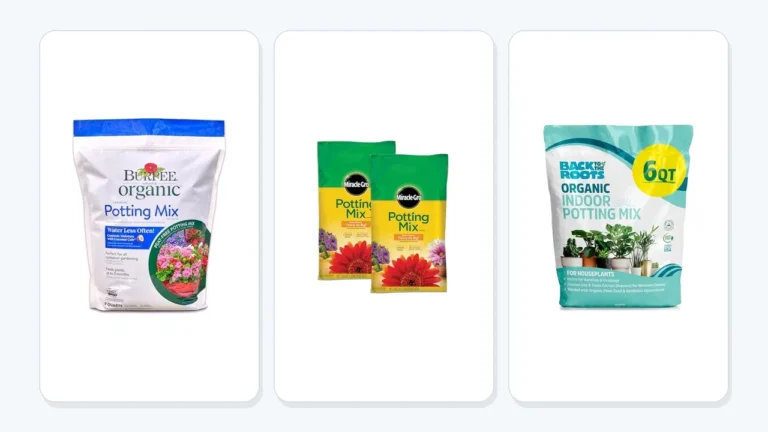
5 Best Potting Soil for Impatiens: Mixes for Bright, Steady Blooms
A poor potting soil choice can leave impatiens drooping even when you water often, or sitting in soggy mix that stays wet around the roots. Buy a bag that is too dense, and a container may drain slowly; choose a very coarse mix, and you may be watering again before you expected. Either way, you can lose time and flowers trying to correct the mix after planting.
Impatiens need an even supply of moisture, but their roots still need air and a pot with drainage holes. The useful middle ground is a mix that holds some water without turning dense and soggy, and a bag size that matches your container so you don’t have a half-used sack sitting around for months. None of these mixes is described specifically as an impatiens formula, so the reviews explain what each feature may mean for container-grown impatiens and what to keep an eye on.
Here’s what you’ll get from this guide:
- How to match moisture retention and drainage to your pot and watering habits.
- What each mix includes, and where its stated use may or may not fit impatiens.
- How to pot, water, and care for impatiens without making the roots sit in water.
- Which details to confirm on the bag before planting.
Quick Picks
-
Best For Moisture-Retaining Indoor Mix
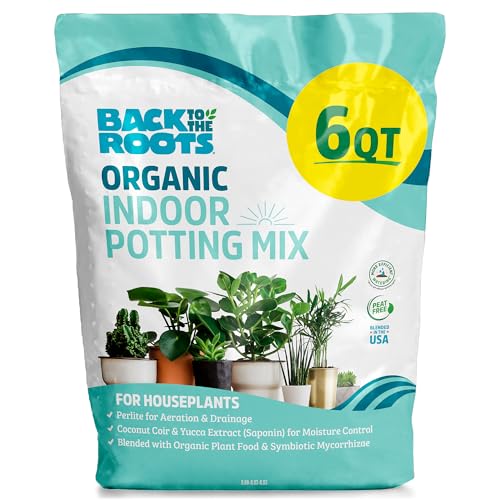
Back to the Roots Organic Indoor Potting
Organic yucca extract helps soil retain moisture, while mycorrhizae support root growth for impatiens in indoor containers.
-
Best For Airy Tropical Potting Mix

Rosy Soil Houseplant Potting Soil, Organic Indoor
Bark fines, sand, and biochar keep the mix open and draining for growers who want less soggy container soil.
Top 5 Potting Soils for Impatiens at a Glance
Start with Back to the Roots if you want a moisture-retaining indoor mix in a 6-quart bag, or Rosy Soil if an airy tropical blend sounds closer to your watering and drainage needs. The other options range from a small, fertilized houseplant mix to a larger general container mix and a chunky aroid blend, so the main differences are texture, stated use, and bag size.
| Product image | Product name | Check product |
|---|---|---|
| 1 |
Back to the Roots Organic Indoor Potting | Check Price |
| 2 |
Rosy Soil Houseplant Potting Soil, Organic Indoor | Check Price |
3 |
Miracle-Gro Houseplant Potting Mix, 4 qt. | Check Price |
4 |
Burpee Premium Organic Potting Mix Garden Soil | Check Price |
5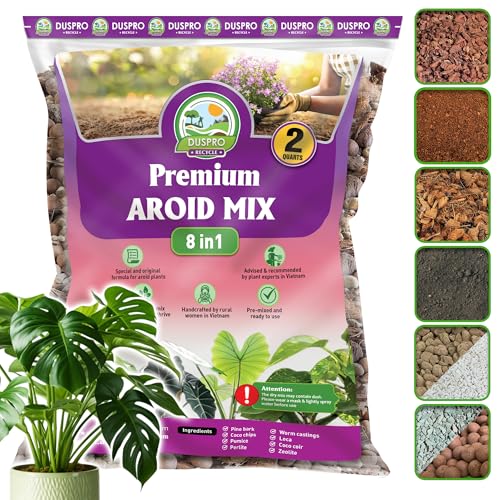 |
DUSPRO 8-in-1 Aroid Potting Mix, Pre-Mixed Chunky | Check Price |
5 Best Potting Soils for Impatiens: Detailed Reviews
When I chose the best potting soil for impatiens, I paid attention to how each mix handles moisture, how freely water can drain, and whether its stated uses make sense for a flowering container plant. Those details matter because a beginner needs to avoid both a root zone that stays waterlogged and a pot that dries out too quickly.
I also considered bag size, feeding claims, and how specialized the ingredient blend is. The options here are not all alike: some are general indoor mixes, while others are aimed at tropical plants or outdoor containers, so reading the label and watching the soil after watering are part of making a good match.
1. Back to the Roots Organic Indoor Potting
Organic yucca extract helps soil retain moisture, while mycorrhizae support root growth for impatiens in indoor containers.
- Size6 Quart
- ColorIndoor Potting Mix
- Release Date2023-01-01T00:00:01Z
- Number Of Items1
Back to the Roots Indoor Mix is a peat-free houseplant potting mix for someone growing impatiens in an indoor container and looking for help retaining moisture.
Its yucca extract is described as helping the soil hold moisture. In a pot, that may help slow drying between waterings, which is useful if a warm room or a small container makes the mix dry faster than you expect. It does not mean the soil should stay wet all the time, so check the pot before adding more water.
The mix also includes mycorrhizae, beneficial fungi that live around plant roots and can help with nutrient uptake. That is a root-support feature, not a guarantee of larger blooms or faster growth, but it may be welcome when you are establishing a plant in fresh mix. The bag is 6 quarts, and the mix is described as peat-free and made without bark or compost.
One limitation is that the product is presented as an indoor houseplant mix rather than an impatiens-specific blend. If your impatiens are outdoors, or if your pot drains slowly, check how quickly water passes through before relying on moisture retention as a benefit.
Pros:
- Yucca extract helps retain moisture between waterings.
- Mycorrhizae support root development and nutrient uptake.
- Peat-free mix suits buyers avoiding peat ingredients.
- Six-quart bag offers more mix than a four-quart option.
Cons:
- Indoor houseplants, not impatiens, are the stated focus.
- Moisture retention still requires careful watering and drainage.
Buy it if: you’re planting indoor impatiens and want a mix with moisture-retaining yucca extract and mycorrhizae.
Skip it if: your outdoor container needs a blend specifically described for outdoor flowers, because this mix is positioned for indoor houseplants, and a general outdoor container mix would suit you better. For another fit, consider Rosy or Miracle.
I’d consider Back to the Roots a reasonable first look for indoor pots because its moisture-retention feature addresses a real beginner headache: a mix that dries between checks. The 6-quart size is handy for more than one small pot, though the amount you need depends on pot dimensions and root-ball size. Before buying, confirm that your container has drainage holes and that the bag’s full directions suit the way you plan to grow impatiens.
2. Rosy Soil Houseplant Potting Soil, Organic Indoor
Bark fines, sand, and biochar keep the mix open and draining for growers who want less soggy container soil.
- Size4 Quarts
- ColorHouseplant
- Number Of Items1
- WeightNot listed; check details
Rosy Soil Houseplant Mix is an indoor tropical-plant blend for growers who want an open texture and are comfortable checking moisture rather than keeping a pot constantly wet.
The blend includes bark fines, small pieces of bark that create spaces in the mix, along with sand and charged biochar. The maker says these ingredients help keep the soil open and aerated, meaning air can move around the roots and water can drain rather than pooling. That structure may be useful if your watering tends to be generous, though the pot still needs drainage holes.
Rosy Soil also lists worm castings and mycorrhizae. Worm castings are composted worm material that can add nutrients, while mycorrhizae are fungi associated with plant roots. The mix is marketed for tropical houseplants and can also be mixed into existing soil, so the product’s stated uses are broader than one plant type, but impatiens are not specifically named.
A 4-quart bag is a relatively small amount, and the open texture may need more frequent watering in a hot, breezy spot than a denser mix. Keep an eye on the pot rather than assuming the blend will stay moist for a set number of days.
Pros:
- Bark fines, sand, and biochar create an open mix.
- Airy structure helps water move through the pot.
- Worm castings add a nutrient-containing ingredient.
- Resealable bag helps store leftover mix.
Cons:
- Four quarts may not cover several larger containers.
- Airy texture may dry faster in hot or exposed locations.
- Impatiens are not named among the stated plant examples.
Buy it if: you want indoor impatiens in a mix designed to stay open and drain freely, because its bark fines, sand, and biochar support that texture.
Skip it if: you want a dense mix that stays damp for longer between checks, because this blend is built around airflow and drainage, and a more moisture-retentive potting mix would suit you better. Back and Miracle are worth a closer look instead.
What I like about Rosy Soil is that the ingredients give a beginner a clear idea of why it is meant to drain: the structure is not relying on one vague claim. The small bag makes sense for a single modest repot, but it could run short for a collection. Check the container size and your usual watering routine before choosing an airy blend for moisture-loving impatiens.
3. Miracle-Gro Houseplant Potting Mix, 4 qt.
The catalog lists INDOOR GROWING: Growing indoors is easy under the right conditions; Miracle-Gro Houseplant Potting Mix is an i. Compare fit and care needs before choosing.
- Size4 qt
- Color4 qt
- COVERAGEOne 4 qt. bag of Miracle-Gro Houseplant Potting Mix fills one 8-inch container; amounts may vary based on the size
- WeightNot listed; check details
Miracle-Gro Houseplant Potting Mix is a small indoor mix for someone who wants a fertilized blend and is planting impatiens in a houseplant-style container.
The mix contains perlite, a lightweight mineral added to potting soil to create air spaces and improve drainage. The maker also lists sphagnum peat moss and coir, a fiber made from coconut husks, in the blend. Together, those ingredients give it both an airy component and materials that hold water, a combination that may help a pot avoid feeling like either a brick or a sieve.
This mix is described as feeding indoor container plants for up to six months. That can save you from immediately adding a separate fertilizer after repotting, but it is a stated feeding period rather than a promise that every plant needs no further care. Follow the package directions and avoid adding extra fertilizer just because the plant looks slow to bloom.
The bag is 4 quarts, which the maker says fills one 8-inch container, with the amount varying by root-ball size. Its stated use is indoor tropical houseplants, not impatiens, so judge the mix by its moisture and drainage in your own pot.
Pros:
- Perlite adds air spaces for drainage.
- Peat moss and coir help the mix retain moisture.
- Fertilizer is stated to feed plants for up to six months.
- Four-quart amount is described for one 8-inch pot.
Cons:
- Feeding claim means you should check before adding fertilizer.
- Indoor houseplants are the stated target, not impatiens.
- Small bag may not cover multiple large pots.
Buy it if: you’re potting one indoor impatiens and want a mix with perlite and built-in fertilizer, because those features combine drainage support with stated feeding.
Skip it if: you prefer an unfertilized mix so you can control feeding from the start, because this soil includes fertilizer, and a plain potting mix would suit you better. If those trade-offs rule it out, Back or Rosy may suit you better.
I’d look at Miracle-Gro if you want an easy-to-find style of indoor mix with its fertilizer and drainage ingredients spelled out. Its stated coverage gives you a useful starting point for one 8-inch container, but the root ball changes how much mix fits. Check the feeding directions carefully, especially if you already use a liquid plant food.
4. Burpee Premium Organic Potting Mix Garden Soil
The catalog lists SUPPORTS VIBRANT GROWTH: Transform your garden with our premium indoor/outdoor potting soil! This nutrient-ric. Compare fit and care needs before choosing.
- Size9 Quart
- NPK0.12-0.12-0.12
- ColorPotting Mix
- Number Of Items1
Burpee Premium Organic Potting Mix is a larger general container blend for someone planting several impatiens or filling a container that needs more soil than a small houseplant bag provides.
The mix includes coco coir, a fiber made from coconut husks that can hold moisture while improving airflow in the soil. For an impatiens container, that balance may help keep roots supplied with water without making the mix as dense as garden soil. Drainage still depends on the container, so a drainage hole matters just as much as the bag’s ingredients.
Burpee says this blend feeds immediately and provides slow-release nutrition for up to three months. The listed NPK is 0.12-0.12-0.12, a label format showing the proportions of nitrogen, phosphorus, and potassium in the fertilizer. Follow the package feeding instructions rather than stacking another fertilizer on top without checking, since extra feeding is not automatically better for a potted plant.
At 9 quarts, this is the largest bag among the first four options here. It is described for indoor and outdoor containers, flowers, herbs, and vegetables, a broader fit for flowering pots than a mix aimed only at tropical houseplants. The product does not name impatiens specifically, so watch moisture after planting.
Pros:
- Nine-quart bag offers more soil for several pots.
- Coco coir helps balance moisture and aeration.
- Stated for flowers and indoor or outdoor containers.
- Feeding is described as immediate and slow-release.
Cons:
- Larger bag may leave more leftover mix after one small pot.
- Fertilizer is included, so check directions before supplementing.
- Impatiens are not specifically named in the plant examples.
Buy it if: you’re filling several flower containers and want a larger bag with coco coir, because the 9-quart size and broad container use can be practical.
Skip it if: you need only a small amount of unfertilized soil, because this is a larger, fertilized container mix, and a smaller plain potting mix would suit you better.
To me, Burpee has the clearest fit for a batch of flowering containers because the stated use includes flowers and outdoor containers, not only houseplants. The larger amount and feeding claim could save extra trips when planting several pots. Before purchase, check the bag’s current directions and decide whether its stated feeding period fits your existing fertilizer routine.
5. DUSPRO 8-in-1 Aroid Potting Mix, Pre-Mixed Chunky
The catalog lists Pre-Mixed 8-Ingredient Aroid Blend: DUSPRO Recycle Aroid Mix is a ready-to-use blend designed for aroid plants. Compare fit and care needs before choosing.
- Size2 Quarts
- ColorAroid Potting Mix
- WeightNot listed; check details
- DimensionsNot listed; check details
DUSPRO Aroid Potting Mix is a small, chunky blend intended for aroids, for growers who want a very open mix and have a container that drains well.
Its eight listed ingredients include pine bark, pumice, coir, coco chips, LECA, perlite, zeolite, and worm castings. LECA means lightweight expanded clay aggregate, small clay pieces that can help create air pockets in a pot. Along with bark, pumice, and coco chips, those chunks make the mix airier than a fine, uniform potting soil, so water can pass through quickly.
That fast-draining structure can be useful for plants that need extra air around roots, but impatiens need regular moisture. The mix also includes coir, which can help manage moisture, yet the product is chiefly described for aroids rather than impatiens. A beginner may need to check the pot more often and adjust watering if the mix dries out quickly.
The 2-quart size is described as enough for about two 6-inch pots, though the actual amount depends on root balls and how full you fill each container. DUSPRO recommends using a nursery pot or planter with drainage holes for best drainage. That advice is especially relevant with a chunky blend; a decorative pot without a drainage opening can trap water beneath the soil.
Pros:
- Eight listed ingredients arrive pre-mixed and ready to use.
- Bark, pumice, and clay pieces create a chunky texture.
- Open structure supports airflow and faster drainage.
- Two-quart amount suits a small repotting job.
Cons:
- Aroid focus is not a direct match for impatiens.
- Very open texture may need close moisture checks.
- Small bag is unlikely to cover several larger containers.
Buy it if: your impatiens pot tends to stay wet and you want a chunky mix, because the blend is designed to provide open space and fast drainage.
Skip it if: you want soil that holds moisture with less frequent checking, because this aroid blend drains quickly, and a more balanced container mix would suit you better.
I’d treat DUSPRO as a specialized option, not the automatic choice for a first pot of impatiens. Its ingredient list makes the airy texture easy to understand, and that may help in a pot that otherwise stays soggy. The trade-off is a greater chance of needing to monitor moisture, so check the stated coverage and make sure the planter drains before committing.
How to Choose the Best Potting Soil for Impatiens
Choose a mix that keeps the root zone evenly moist while allowing extra water to drain out. The best potting soil for impatiens depends on where the pot sits, how quickly it dries, and whether you prefer a built-in fertilizer or a plain mix.
Balance moisture and drainage
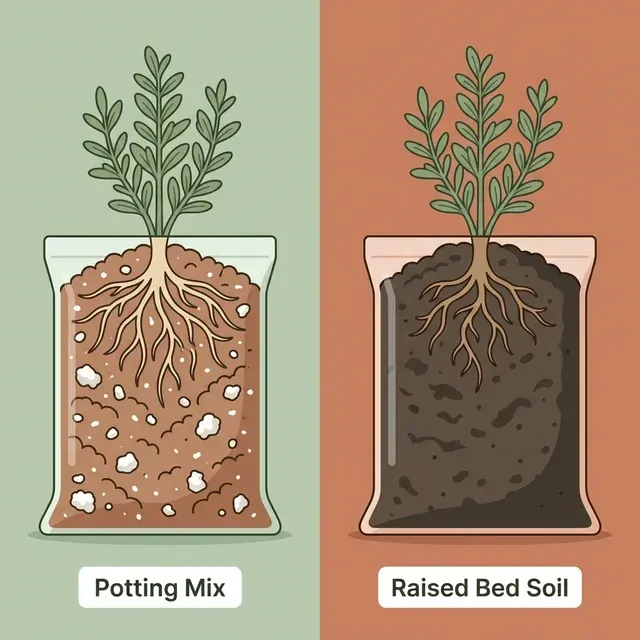
Potting mix should hold some water between checks without staying saturated. A mix with coir, peat, or another moisture-holding ingredient may help the soil stay damp longer; perlite, bark, pumice, or similar coarse ingredients add spaces where air and water can move.
There is no single bag label that guarantees the right balance for every impatiens pot. A plant in a warm, sunny spot may use water faster than one in a cool, shaded place. As a starting point, look for a container mix that mentions both moisture retention and drainage, then check the soil after watering rather than relying on the ingredient list alone.
Match the mix to the container
A drainage hole is a practical must for most container-grown impatiens. Excess water needs somewhere to go, and a decorative outer pot can hide a puddle underneath a nursery pot if you forget to empty it.
Choose a bag size based on the pot’s inside measurements and the space the plant’s root ball will occupy. Product coverage estimates are only starting points; a root ball takes up space, and a wide, shallow container uses soil differently from a tall, narrow one. When choosing potting soil for flowers, compare the listed container uses and make sure the blend is meant for containers rather than garden beds. potting soil for flowers
Decide whether fertilizer should be included
Some mixes include fertilizer, while others focus on the growing medium alone. An included feeding period can make the first weeks simpler, but it also means you should read the package before adding liquid fertilizer or plant food.
Look for a stated feeding duration and any instructions about when to fertilize again. Do not assume that a stronger fertilizer dose will make impatiens bloom better. If the label gives no feeding directions, treat that as a question to resolve before planting instead of guessing from the color of the leaves.
Consider indoor versus outdoor use
A mix described for indoor houseplants may still physically fit in a container outdoors, but the bag’s stated use matters. Outdoor pots can face wind, heat, and faster drying, while indoor pots may stay wet longer because air movement and light differ.
Choose a product that names the setting and container type closest to your plan. For hanging baskets, weight and drying rate are also important because the basket can dry faster and may be awkward to water; use a mix suited to that setup rather than assuming any houseplant soil will behave the same way. mix for hanging baskets
Check texture and bag size before buying
Fine, dense soil and coarse, chunky blends behave differently in a small pot. If the bag lists bark, perlite, or pumice, expect a more open texture than a fine, uniform mix; if the soil is moisture-retentive, expect to check the pot before watering instead of adding water on a fixed schedule.
A 4-quart bag may be enough for a modest repot, while a 9-quart bag is more sensible when you are filling several containers. Use the stated coverage where available, but allow for roots and container shape. For seedlings, a coarse potting mix may be less suitable than a fine, light seed-starting blend; impatiens seed starting is a separate job from filling a mature plant’s pot. soil for flower seeds
How to Use Potting Soil for Impatiens
Use fresh container mix in a pot with drainage, set the plant at its previous soil level, and water thoroughly once. After that first watering, let the surface and pot weight guide your next check instead of following a rigid daily schedule.
- Choose a pot with drainage. Check the bottom before adding soil. If you use a decorative cachepot, keep the plant in a draining nursery pot inside it and empty standing water after watering.
- Prepare the mix. Open the bag and loosen clumps gently with your hands or a clean scoop. Do not press the soil into a hard block, since compacted mix leaves less room for air and water movement.
- Add a shallow base layer. Put enough mix in the pot so the root ball sits near the height it was growing before. A deep pile under the roots can leave the plant sitting too high after the soil settles.
- Set the plant at its existing depth. Hold the root ball in place and fill around the sides. Keep the stem base at the same level rather than burying extra stem under fresh soil.
- Fill gaps without packing tightly. Tap the pot lightly to settle the mix. Pressing hard can squeeze out the air spaces that help roots function.
- Water until excess drains. Add water slowly across the surface and let it leave through the bottom. Empty the saucer or outer pot so the roots do not sit in runoff.
- Check moisture before watering again. Touch the surface and feel the pot’s weight. Water when the mix is beginning to dry, but avoid waiting until the plant is badly wilted or repeatedly soaking already-wet soil.
- Keep notes for the first week. Record how quickly the pot dries in its actual location. That simple check helps you adjust for shade, room temperature, pot material, and weather without guessing.
If you are planting impatiens in a basket, water can run out quickly and the hanging position can make frequent checks inconvenient. For a basket with fuchsias, too, the plant’s needs and the container’s drying pattern deserve attention, so compare the mix and care considerations for potting soil for fuchsias before choosing a basket setup.
How to Make Your Potting Soil for Impatiens Last Longer
Fresh potting soil lasts longer when you prevent it from becoming compacted, contaminated, or stored while wet. Keep the bag closed between uses and store it in a dry place where rain and pests cannot get in.
After filling a pot, avoid pressing down firmly every time you water or weed. A light surface check is enough; repeated compression can reduce the open spaces that let air reach roots and water move through the container. If the mix pulls away from the pot edge or gets hard, check whether it has dried too far before adding water slowly.
For unused soil, reseal the original bag or transfer the mix to a clean container with a lid. Keep the container out of direct rain and away from standing water, and do not put a wet scoop back into the bag. A damp, sealed sack can become clumpy and unpleasant to handle, while an open bag can collect debris.
Do not assume old soil is automatically ready for another plant. Check it for a sour smell, persistent wet clumps, visible pests, or a texture that has collapsed into dense mud. If it looks and smells normal, you can assess whether it still drains well; if water pools on the surface, refresh the mix or use a new bag rather than hoping a struggling plant will fix it.
Follow the bag’s fertilizer instructions, especially when the mix claims to feed plants for a set period. Adding fertilizer on top of a mix that already contains it can create unnecessary feeding, and the right schedule depends on the specific bag and plant. For another flowering plant grown indoors, such as gardenia, soil needs can differ; check the separate guidance for indoor potted gardenia soil rather than assuming every flowering plant wants the same mix.
Common Mistakes to Avoid When Buying and Using Potting Soil for Impatiens
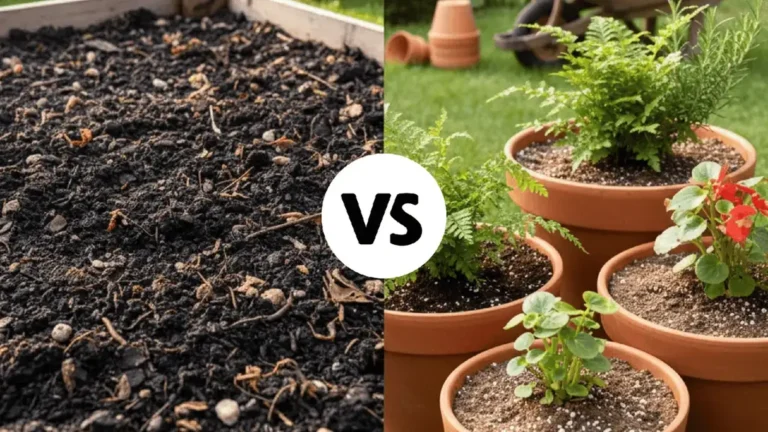
- Using garden soil in a container: It may compact more than a container mix and can drain poorly. Choose potting mix made for containers.
- Buying a mix only because the bag says “organic”: That word does not tell you whether the texture suits your pot or watering habits. Check the ingredients, stated use, and drainage advice.
- Ignoring the drainage hole: Even a well-draining blend cannot make excess water disappear from a sealed pot. Use a draining container or a removable nursery pot.
- Watering on the calendar: A pot may dry at a different pace indoors, outdoors, in shade, or in heat. Check the soil and pot before watering.
- Adding fertilizer without reading the label: Some mixes already include feeding. Check the feeding period and directions before adding more.
- Packing soil tightly around roots: Firm pressure can compress the mix and reduce air spaces. Fill loosely and tap the pot to settle it.
- Choosing a chunky mix without planning for its dry-down: Coarse ingredients can let water pass through quickly. Check moisture more often at first and decide if that routine works for you.
Common Questions About Potting Soil for Impatiens
What potting soil is best for impatiens?
A container mix that holds moisture while still draining is a sensible starting point for impatiens. Look for a bag that describes container use and includes both moisture-managing and aerating ingredients, then use a pot with drainage holes. No mix in this roundup is specifically labeled for impatiens, so monitor how it behaves in your own container.
Can I use regular potting soil for impatiens?
Yes, a general potting mix made for containers can be suitable if it retains some moisture and drains excess water. Avoid using ordinary garden soil as the main fill in a pot, since it may compact and hold water differently. Check the bag’s stated use and make sure the container drains freely.
How often should I water impatiens in pots?
Water when the soil is beginning to dry, rather than following the same schedule every day. Heat, pot size, sun exposure, wind, and soil texture all change how quickly a container dries. Check the surface and feel the pot before watering, then let extra water drain instead of leaving the pot in a full saucer.
Do impatiens need potting soil with fertilizer?
Not necessarily; some potting mixes include fertilizer, and others do not. If the bag lists a feeding period, follow its directions before adding another fertilizer. If you choose a mix without stated feeding, use plant food only according to its label and the plant’s needs.
Is peat-free potting soil suitable for impatiens?
Peat-free describes an ingredient choice, not a guarantee that the mix has the right moisture balance for every impatiens pot. Check what replaces peat and whether the blend is meant for containers. Watch how quickly the soil dries and drains after planting, since those real conditions matter more than the label alone.
How much potting soil do I need for one impatiens plant?
The amount depends on the pot’s dimensions and the size of the plant’s root ball. Use a bag’s stated coverage as a starting estimate, then allow space for the roots rather than filling the container to the rim before planting. If you are repotting, choose a pot only large enough to accommodate the plant and fresh mix comfortably.
Make the Pot and Watering Routine Fit the Plant
Before choosing a bag, measure the container, confirm it has drainage, and decide how often you can check soil moisture. Then compare the mix’s stated ingredients, feeding directions, and coverage with those needs; after planting, let the pot’s actual dry-down tell you when to water.

I’m Maya L. Greenwood, a lifelong plant lover who believes anyone can grow something beautiful with the right guidance. After years of testing soil mixes, pruning methods, irrigation tricks, and pest-safe solutions, I started EasyGardenTips.com to turn hard-won lessons into step-by-step advice. From seed starting and container gardens to composting and seasonal checklists, my goal is to make gardening simple, sustainable, and fun.