
How to Make Potting Soil for Hanging Baskets: Light, Fluffy Mix
Make a light, airy hanging-basket mix with two parts peat moss or coco coir, one part compost, and one part perlite or pumice. The blend holds enough water for roots while letting extra water drain away.
Do your baskets dry out before the end of a hot afternoon, or stay heavy and soggy after watering? Either problem can wear you down, especially when you’re hauling a watering can across the porch every day.
I once mixed a basket blend with dry coco coir and rushed straight to planting. The coir pulled moisture from the first watering, and my fresh plants drooped before they’d settled in. It’s a common mistake, not a dumb one.
I wrote this for anyone who wants a dependable homemade mix without turning potting day into a chemistry project. You’ll get a simple recipe, learn what each ingredient does, and know how to adjust the blend for your climate and plants.
Get the mix right, and you’ll have better drainage, steadier moisture, and roots with room to grow. Get it wrong, and a basket can turn into a heavy, sour-smelling mess or dry out while you’re still making coffee.
Set aside about 9 minutes, and you’ll come away knowing how to:
- Measure a balanced mix with ordinary buckets or scoops.
- Adjust the blend for heat, shade, and thirsty flowers.
- Fill a basket without blocking its drainage.
- Fix common problems such as soggy roots or fast-drying soil.
How to Make Potting Soil for Hanging Baskets: the Basic Recipe
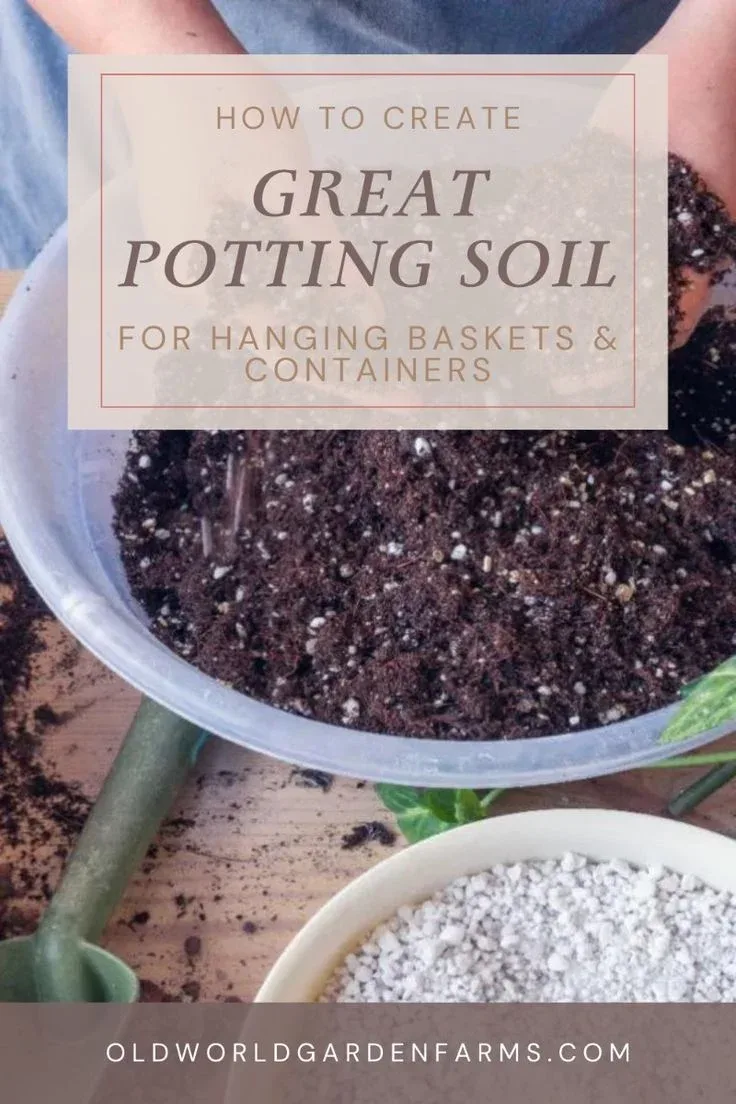
A reliable homemade basket mix uses two parts peat moss or coco coir, one part finished compost, and one part perlite or pumice, measured by volume. For a 12-inch basket, you might use two 1-gallon buckets of coir, one bucket of compost, and one bucket of perlite.
Here’s what goes into the mix:
| Ingredient | Amount | What it does |
|---|---|---|
| Peat moss or coco coir | 2 parts | Holds moisture and gives the mix a light base |
| Finished compost | 1 part | Adds organic matter and a modest supply of nutrients |
| Perlite or pumice | 1 part | Creates air spaces and helps excess water drain |
Drainage means water can move through the mix and out of the basket rather than sitting around the roots. The goal isn’t a dry mix; it’s a damp, springy one that doesn’t stay waterlogged.
Use a bucket, scoop, or flowerpot as your measuring tool. Keep the same tool for all ingredients, since “one part” means the same volume each time, not the same weight.
Before filling the basket, combine everything in a clean tub or wheelbarrow. Break up clumps, pick out large sticks, and mix until the ingredients look evenly blended.
Then moisten the mix until it feels like a wrung-out sponge. A handful should hold together briefly when squeezed, then crumble when you tap it; if water drips from your fist, the mix is too wet.
Pro Tip: If your compost feels dense or has large chunks, sift it through a coarse screen before mixing. That helps keep the finished blend open and easier to work with.
Choose Ingredients That Match Your Plants and Weather
The basic recipe is a starting point, not a one-size-fits-all formula. Hanging baskets lose moisture faster than many ground-level pots because air moves around their sides and the whole container may sit in sun.
Peat moss holds water well, but it can be difficult to wet once it dries out. Coco coir, made from coconut husk fibers, is often easier to rewet and comes in compressed blocks that need water before use.
If you use coir, follow the package directions to expand it, then fluff it before measuring. If you use peat, wet it slowly and stir as you go; dry peat can float, repel water, and make a dusty cloud that nobody needs in their face.
Perlite is a light, white mineral that adds air spaces, while pumice is a heavier, porous mineral with a similar job. Either can help loosen the mix, though pumice adds more weight to a hanging container.
Compost brings organic matter and nutrients, but too much can make a basket dense or hold more water than the roots need. Choose finished compost that smells earthy, not sour or rotten, and avoid using fresh manure in a ready-to-plant basket.
What if your flowers need more feeding than the mix provides? Use a fertilizer labeled for container plants and follow its directions; compost alone may not supply nutrients for a full growing season.
A flower-heavy basket may call for a slightly richer blend, while a basket that stays wet in a shaded spot may benefit from a little more aeration. If you’re comparing ready-made options for bloom-focused containers, potting soil for flowers can help you weigh those priorities against a homemade mix.
For hot, windy locations, keep the same basic structure but choose coir as the base and check baskets more often. If a basket dries too quickly, a small increase in coir can help; don’t solve every dry spell by piling in compost, which can make the mix heavy.
Does a basket under a porch need the same recipe as one in full sun? The base mix can stay the same, but the watering needs won’t; a shaded basket usually dries more slowly than one exposed to afternoon heat and wind.
For a basket that dries fast, add water-retaining material only if its label says it’s suitable for containers, and use the stated rate. Too much can cause uneven moisture or make the mix swell, so it’s not a shortcut I’d use without checking the label first.
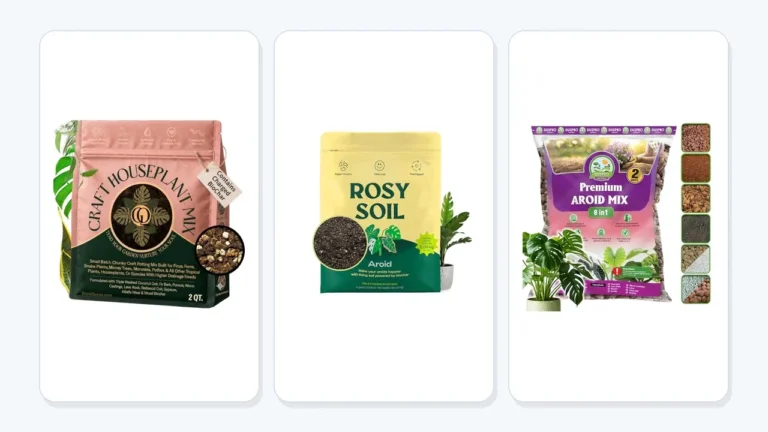
A ready-made basket mix can save time if you don’t want to buy separate ingredients. When you’re deciding whether to blend your own or buy a product, mixes for hanging baskets offer a useful comparison point for moisture retention and convenience.
Keep the Mix Light, Safe, and Root-Friendly
A hanging basket has a weight limit set by its hook, chain, bracket, and mounting surface. Wet growing mix weighs more than dry mix, so a dense blend can strain the hardware even when the basket looks small.
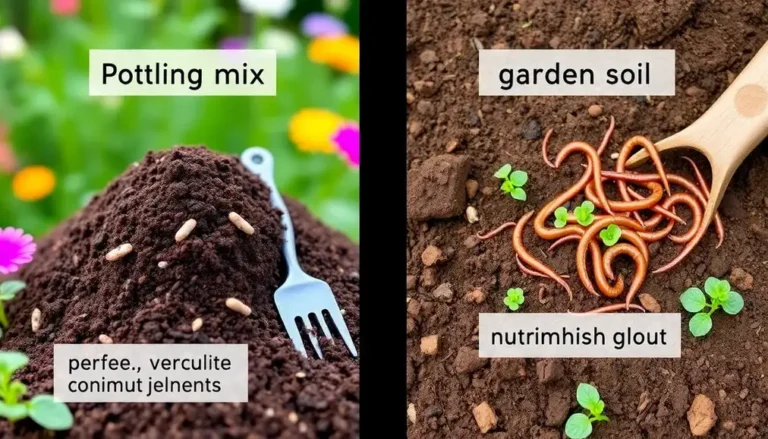
Garden soil usually isn’t a good swap for peat or coir in a hanging basket. It can compact in a container, reduce air around the roots, and add weight; even nice-looking soil from a garden bed can behave differently in a basket.
The same light recipe can work for many annual flowers, foliage plants, and small container plants, but plant needs still matter. Mini roses, for instance, may need steady moisture and regular feeding, so mixes for mini roses can be a helpful comparison if roses are the main feature.
Rose cuttings have different needs from established basket plants. Cuttings are usually rooted in a clean, low-nutrient medium that stays moist but airy, so don’t use compost-rich basket mix for that job; mixes for rose cuttings cover that separate purpose.
Handle dry ingredients with care. Avoid breathing dust, wear gloves if your skin is sensitive, and dampen dusty material before mixing; people with asthma or other breathing concerns may prefer a mask and outdoor workspace.
Potting mix can contain mold or other organisms that irritate some people, especially if a bag has been stored damp. If you’re concerned about exposure while handling mix, soil safety risks]] is a useful topic to review; wash your hands afterward and keep the material away from food surfaces.
I once opened a damp bag that had a musty smell and tried to use it anyway. I stopped, discarded the questionable material, and switched to a clean batch; if a mix smells rotten or shows heavy mold, don’t bury the problem under fresh compost.
Important Tip: Check your basket’s hanging hardware before filling it. A sound mix can’t make an undersized hook or loose bracket safe.
Mix, Fill, and Plant the Basket Without Problems
A careful filling routine helps the roots settle into the mix and gives water a clear path out. Prepare the basket and its liner before you wet the blend, so the damp mix doesn’t sit around while you hunt for supplies.
- Check the basket. Confirm the liner is in place and the drainage openings aren’t blocked.
- Moisten and blend the ingredients. Break apart clumps and mix until the texture looks even.
- Add mix in layers. Fill partway, set the plants at the height you want, then tuck mix around their root balls.
- Leave a watering rim. Keep a little space below the basket’s edge so water can soak in instead of running over the sides.
- Water slowly. Apply water until it begins to drain, then pause and water again if the surface sheds water too quickly.
Don’t pack the mix down hard to make room for more. A gentle press removes large gaps around roots, but firm tamping squeezes out air and can leave the basket dense.
Avoid burying the stems deeper than they grew in their nursery pots. Crowding the crowns with wet mix can invite rot, especially in plants that prefer good airflow around their base.
Once planted, lift the basket carefully to judge its weight, and hang it only from sturdy hardware. The feel of the basket after watering gives you a useful comparison later: a very light basket may need water, while a persistently heavy one may be staying too wet.
A freshly planted basket may need extra attention as roots settle in. Check the mix with a finger rather than watering by the calendar, since sun, wind, basket size, and plant growth all change how quickly it dries.
Fix Dry, Soggy, or Unhappy Baskets
Most basket problems come from a mismatch between moisture, airflow, and plant needs. Check the mix and drainage before changing several things at once, or you won’t know which adjustment helped.
| What you notice | Likely cause | What to try |
|---|---|---|
| Water runs off the surface | The mix dried out and became hard to wet | Water in several slow passes |
| Basket stays heavy and wet | Poor drainage, excess water, or dense mix | Clear drain openings and let the mix dry somewhat |
| Plants wilt while the mix is wet | Roots may lack air or may be damaged | Pause watering and check the root zone |
| Mix shrinks from the sides | The blend dried and pulled away from the basket | Rewet slowly and refill gaps with damp mix |
| Leaves pale as plants grow | Nutrients may be running low | Feed according to a container fertilizer label |
When dry mix repels water, don’t dump a full watering can over it and hope for the best. Add water in small rounds, giving each round time to soak in; a quick flood can spill over the rim while the root ball stays dry.
If a basket smells sour or remains wet for days, check that its drainage holes are open and that the liner isn’t holding water like a sealed bag. Letting the mix dry a little between waterings can help, but don’t let the roots bake completely dry.
Wilting doesn’t always mean a plant needs water. If the mix feels wet and the plant still droops, adding more water can make root stress worse; check the mix below the surface and look for drainage first.
Do you need to replace the whole basket mix when a plant struggles? Not always; if the mix drains freely and doesn’t smell sour, a watering adjustment may be enough, while a compacted or foul-smelling blend may need replacing.
For a basket that dries too fast, check whether the plant has filled the container with roots or whether wind and direct sun are driving rapid moisture loss. Moving the basket to a less exposed spot can help more than constantly adding dense ingredients.
A small watering log can reveal patterns without turning gardening into homework. Note whether the basket is in sun or shade and how the mix feels before watering; after a week, you’ll have a better sense of its rhythm.
- Use two parts peat or coir, one part compost, and one part perlite or pumice as a starting mix.
- Moisten ingredients before planting, and keep drainage openings clear.
- Adjust watering and basket placement before making large changes to the recipe.
FAQs About How to Make Potting Soil for Hanging Baskets
Can I use regular potting soil in hanging baskets?
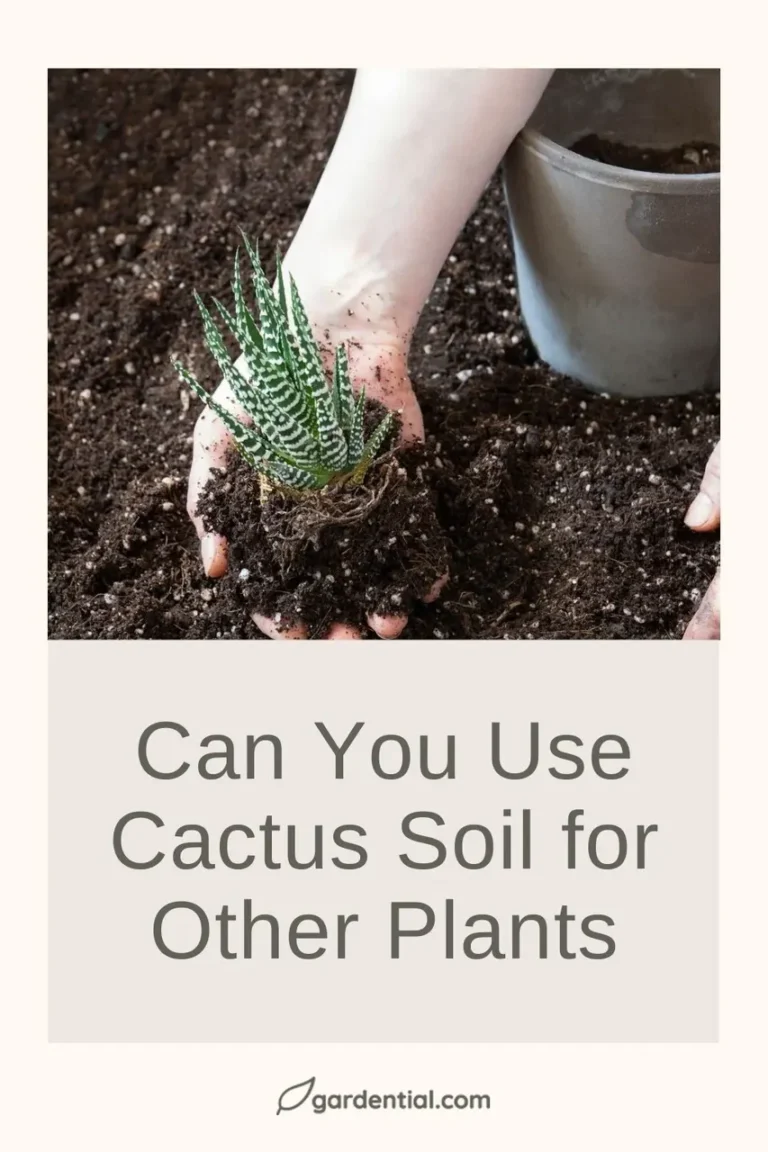
Yes, regular potting soil can work if the bag is labeled for containers and the basket drains freely. Some blends are heavier or hold more water than hanging baskets need, so check how quickly the basket dries before changing the mix or watering schedule.
Can I use garden soil in a hanging basket?
No, garden soil usually compacts in a hanging container and can reduce airflow around roots. The extra weight also makes a wet basket harder on its hook or bracket. Use a container mix made from light ingredients instead of digging soil from a garden bed.
Should I add fertilizer to homemade basket mix?
You can add fertilizer, but follow the product label rather than guessing at an amount. Finished compost supplies some nutrients, though flowers may need more as they grow. A container fertilizer lets you feed based on the product’s directions and the plants’ growth.
How often should I water hanging baskets?
There’s no fixed schedule that works for every basket. Check the mix with a finger and water when the upper layer feels dry, then adjust for sun, wind, temperature, and plant size. A small basket in afternoon sun may dry sooner than a larger basket in shade.
Can I reuse potting soil from last year’s basket?
Yes, if the old mix is clean, drains well, and has no signs of serious disease or pests. Remove dead roots and loosen compacted material, then refresh it with clean ingredients. Replace mix that smells rotten, stays soggy, or came from plants with major disease problems.
Is coco coir better than peat moss for hanging baskets?
Neither is best for every gardener. Coco coir is easy to rewet after drying, while peat moss holds moisture well but can be stubborn to wet once bone-dry. Choose based on what you can source and how often you can check the basket.
Make a Mix You Can Keep Up With
A hanging-basket mix doesn’t need a long list of ingredients to do its job. Start with a light base, add a modest amount of compost, and include an airy material so roots get both moisture and oxygen.
In my view, the biggest win comes from matching the mix to your routine. If you can water often, a lighter blend may suit you; if you’re away during hot afternoons, coir and a sheltered spot can make care less stressful.
The clearest next step is to make one small batch before filling every basket. Wet it, check how it drains, and adjust the recipe only if the mix stays soggy or dries too fast. Then you’ll have a practical blend that fits your plants, your porch, and your watering habits.

I’m Maya L. Greenwood, a lifelong plant lover who believes anyone can grow something beautiful with the right guidance. After years of testing soil mixes, pruning methods, irrigation tricks, and pest-safe solutions, I started EasyGardenTips.com to turn hard-won lessons into step-by-step advice. From seed starting and container gardens to composting and seasonal checklists, my goal is to make gardening simple, sustainable, and fun.


2 Comments