
Can You Use Cactus Potting Soil for Other Plants? Smart Swaps
Yes, cactus potting soil can work for many other plants, especially succulents and herbs, but its fast drainage can leave moisture-loving plants thirsty. Match the mix to the plant, then add or remove material to control how quickly water drains.
Have you ever watered a houseplant, only to find the potting mix dry again before the week’s out? Or wondered if that leftover bag of cactus mix can save you a trip to the garden center?
I once used a gritty cactus mix for a leafy houseplant because the bag was already open and the plant needed repotting. The water ran through so fast that I spent the next few days checking the pot and second-guessing myself. It’s a common mistake, not a dumb one.
I wrote this for anyone staring at a half-full bag of cactus soil and a plant that needs a new home. You’ll learn which plants can use the mix as-is, which need a change, and how to tell if the blend is draining too fast.
Get the mix right, and you can reuse what you have, avoid soggy roots, and keep a thirsty plant from drying out too quickly. Skip the match between soil and plant, and you may end up watering constantly or dealing with root rot, a problem that starts when roots stay too wet.
This takes about 10 minutes to read. By the end, you’ll know how to:
- Match cactus mix to a plant’s moisture needs.
- Adjust a mix with common potting ingredients.
- Spot signs that the soil drains too fast or too slowly.
- Reuse leftover mix without creating a new plant problem.
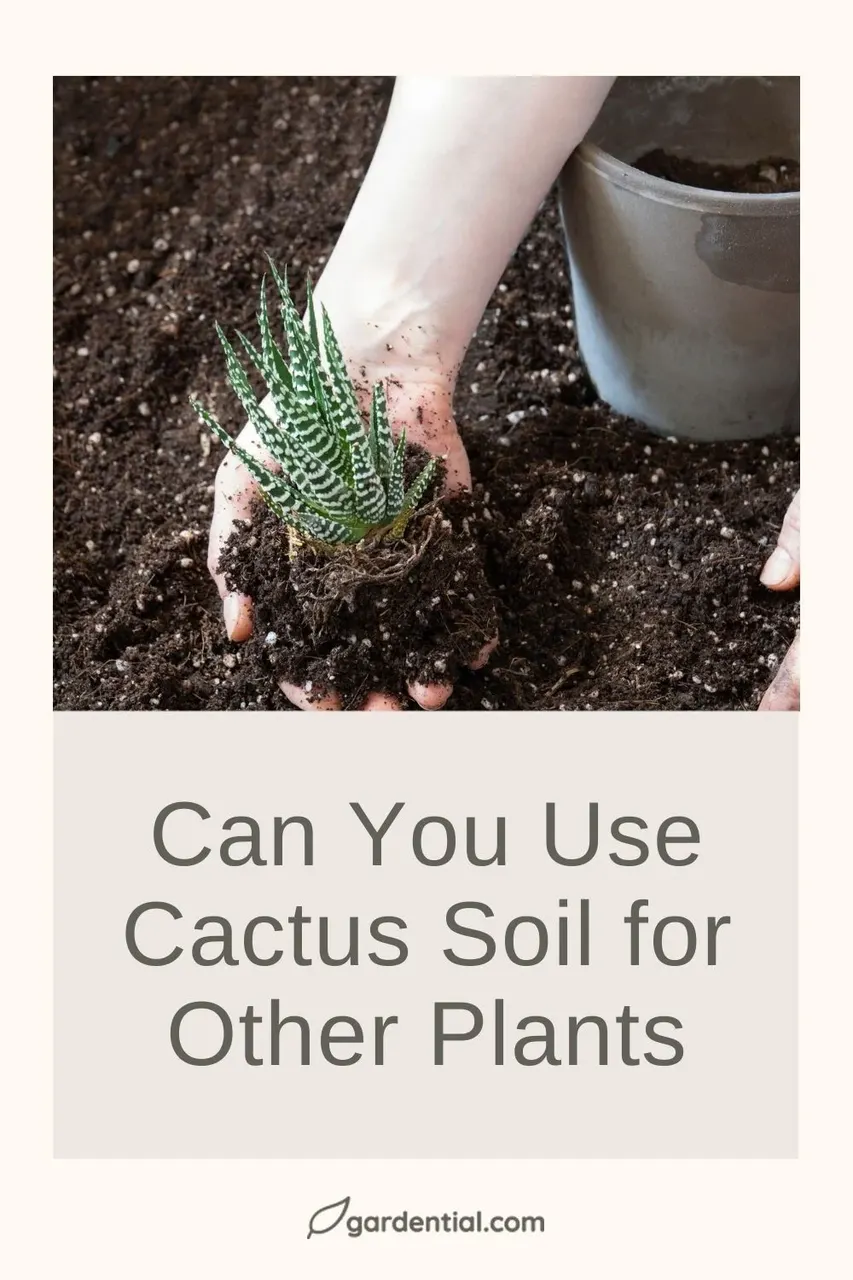
Can You Use Cactus Potting Soil for Other Plants?
Cactus potting soil can suit plants that need quick drainage, but it usually needs adjustment for plants that prefer evenly moist soil. A small succulent can often use cactus mix straight from the bag, while a thirsty fern may need a blend that holds more water.
Cactus potting soil is a growing mix made to drain faster than many general-purpose potting soils. Brands vary, but bags often contain materials such as bark, peat or coir, and gritty ingredients like perlite, pumice, or sand.
The mix isn’t automatically “dry” or “low-nutrient.” Its ingredients and proportions determine how much water it holds, and a label that says “cactus” doesn’t tell you the full recipe. Check the bag for the ingredients and follow the care needs of the plant you’re repotting.
A useful starting point is to compare how long the plant likes its roots to stay damp. Cactus mix helps when a plant needs air around its roots and the pot must drain freely; it can cause trouble when a plant needs a steady supply of moisture.
You’ll find a more detailed comparison of cactus soil vs potting soil helpful if you’re choosing between a cactus blend and standard houseplant mix. The main difference is usually how quickly water drains and how long the mix stays moist, not a guarantee that one bag suits every plant.
- Use cactus mix as-is for many cacti and succulents.
- Add moisture-holding material for many leafy houseplants.
- Check the label and the plant’s care needs before repotting.
Which Plants Can Use Cactus Potting Soil?
Cactus soil is most useful for plants that tolerate dry spells and need well-drained roots. For plants with higher moisture needs, use cactus mix as part of a blend rather than as the whole potting medium.
| Plant type | Cactus mix as-is? | Better approach |
|---|---|---|
| Cacti and many succulents | Often | Use a mix labeled for the plant; check the ingredients |
| Rosemary, thyme, and oregano | Often, in a pot with drainage | Use a blend that drains well and avoid keeping it soggy |
| Snake plant | Sometimes | Add a little moisture-holding potting mix if the blend is very gritty |
| Pothos and many common houseplants | Usually not | Blend with regular potting mix to retain more water |
| Ferns and moisture-loving plants | Usually not | Use a moisture-retentive mix suited to the plant |
| Christmas cactus | Usually not by itself | Use a loose mix that still holds some moisture |
The table is a starting point, not a fixed rule. The plant’s age, pot size, light, room temperature, and watering habits all affect how quickly the soil dries.
For a succulent with thick leaves, quick drainage can help prevent roots from sitting in wet soil. Still, different succulents don’t all want identical care; a guide to potting soil for succulents can help you compare mixes for the kind of plant you’re growing.
Herbs such as rosemary and thyme often handle a fast-draining mix better than basil does. Basil tends to prefer more consistent moisture, so a bag that dries quickly may mean more frequent watering and droopy leaves between waterings.
What if your plant tolerates dry soil but isn’t a cactus? A snake plant or jade plant may be fine in a gritty mix, but check the soil after watering; if the center dries almost immediately, blend in some regular potting mix.
Aeoniums are succulents, but they can have different seasonal growth and watering patterns from other familiar rosette-shaped plants. If you’re growing one, guidance on soil for aeoniums may help you choose a mix without assuming every succulent has the same needs.
Christmas cactus is a different case from desert cactus. It grows as an epiphyte, meaning it naturally grows on other plants rather than in dry desert ground, so a very gritty mix may dry faster than it prefers; a discussion of commercial soil for Christmas cactus can help you pick a better-fitting blend.
How to Adjust Cactus Potting Soil for Other Plants
You can make cactus mix hold more water by blending in regular potting mix, or make it drain faster by adding a gritty material. Start with a small batch, then judge the result by how quickly the pot dries and how the plant responds.
A simple adjustment is easier than trying to rescue a whole pot later. Use potting mix made for containers, not garden soil, which can compact in a pot and restrict airflow.
- Check the cactus-mix label and look at the plant’s moisture needs.
- Add a small amount of regular potting mix if the plant needs moisture to last longer.
- Blend thoroughly so one part of the pot isn’t dense while another is mostly grit.
- Repot into a container with drainage holes.
- Water the mix and check how long it stays damp before deciding whether to adjust it again.
There’s no single ratio that works for every plant or every bag. A starting blend of equal parts cactus mix and regular potting mix can be useful for some common houseplants, but treat that as a trial, not a universal recipe; a very gritty cactus mix may need more moisture-holding material.
I once tried to fix a fast-drying pot by adding a thick layer of regular potting mix on top. The top stayed damp while the lower mix dried quickly, so I had to unpot the plant and blend everything evenly. Mixing the ingredients throughout the pot is less fussy than layering them.
If you’d rather start with a recipe than adjust a purchased bag, instructions for making cactus potting soil can help you build a fast-draining blend from separate materials. The right ingredients depend on the plant and what’s available where you live, so don’t treat any recipe as a magic formula.
Pro Tip: Wet a small test batch before repotting. If water streams through immediately and the mix feels nearly dry soon after, add moisture-holding potting mix for a plant that dislikes drying out.
What Can Go Wrong When You Reuse Cactus Soil?
The main risks are a mix that dries too quickly, a mix that stays wet too long, or a pot without drainage. Watch the soil and leaves after repotting instead of relying on the product name alone.
A plant that dries too fast may show limp leaves, dry edges, or soil that pulls away from the pot. Those signs can also come from heat, direct sun, or missed watering, so check the plant and its growing conditions before changing the mix again.
If the soil stays wet for days and the plant’s leaves turn soft or yellow, the mix may hold too much water, the pot may be too large, or drainage may be blocked. Don’t add more gritty material until you’ve checked the pot’s drainage holes and the soil’s condition.
Could you use cactus soil for a tropical cactus like San Pedro? San Pedro cactus is a desert cactus, so a freely draining mix is generally a better fit than a moisture-retentive houseplant blend; a guide to soil for San Pedro cactus can help you compare suitable options.
Common problems usually have a practical fix:
- The mix dries very quickly: Add regular potting mix and check whether the plant is getting strong sun or heat.
- The mix stays soggy: Check for blocked drainage holes and consider a grittier blend suited to the plant.
- Water runs down the pot’s edge: The mix may have dried and shrunk; water slowly so it can take up moisture.
- The plant wilts after repotting: Check the root ball and soil moisture before assuming the mix is the cause.
Don’t add fertilizer just because the soil is gritty or drains quickly. Cactus mixes vary, and some contain fertilizer while others don’t; check the label and follow the plant’s feeding needs rather than guessing.
Important Tip: If you find mushy roots or a foul smell, pause before watering again. Remove badly damaged roots with clean tools and repot in fresh, suitable mix; get help from a local plant professional if the damage is severe or you’re unsure what you’re seeing.
FAQs About Can You Use Cactus Potting Soil for Other Plants
Can I use cactus soil for regular houseplants?
Sometimes, but cactus soil alone often drains too quickly for common leafy houseplants. Mix it with regular potting mix if the plant needs more even moisture, then monitor the soil after watering. A pothos may tolerate a gritty blend better than a fern, so match the mix to the plant.
Can I use cactus soil for herbs?
Yes, many Mediterranean herbs, including rosemary and thyme, can grow in a fast-draining mix when the pot has drainage holes. Basil often prefers steadier moisture, so cactus mix may need regular potting mix added. Check the soil as it dries instead of following a fixed watering schedule.
Is cactus soil the same as succulent soil?
Not always. Cactus and succulent mixes often share fast-draining ingredients, but brands can use different materials and proportions. A bag labeled for succulents may hold more or less moisture than another bag.
Read the ingredient list and check whether the mix suits your plant’s watering needs.
Can cactus potting soil be used for seedlings?
Cactus mix is usually too coarse or fast-draining for many seedlings, whose small roots need steady moisture. Some seed-starting mixes are finer and hold water more evenly. Check the seed packet’s growing directions, and avoid letting the surface dry out while the seedlings are getting established.
Can I reuse cactus soil after repotting?
Yes, if the old mix is clean, free of pests, and hasn’t been left around a diseased plant. Remove old roots and debris, then blend the soil with fresh material suited to the new plant. Don’t reuse mix that smells sour, looks moldy, or came from a plant with root disease.
Does cactus soil need fertilizer?
Not always. Some commercial cactus mixes contain fertilizer, while others don’t, and the label should tell you what’s included. If the mix has no fertilizer, follow the feeding needs of the plant and use a suitable product at the label’s rate.
More fertilizer won’t fix a poor soil match.
Make the Soil Fit the Plant
Cactus potting soil can be a smart swap when the plant likes fast drainage, but a bag label can’t replace knowing how your plant uses water. Many succulents, cacti, and some herbs can grow in it as-is; thirsty houseplants often do better with a blend that holds moisture longer.
I’d start with the plant’s needs, check the mix, and adjust a small amount before repotting the whole plant. That gives you a chance to catch a mix that dries too fast without turning a simple potting job into a rescue mission.
Your next step is simple: look at the soil ingredients and the plant’s care needs, then choose to use the mix straight or blend it before planting.

I’m Maya L. Greenwood, a lifelong plant lover who believes anyone can grow something beautiful with the right guidance. After years of testing soil mixes, pruning methods, irrigation tricks, and pest-safe solutions, I started EasyGardenTips.com to turn hard-won lessons into step-by-step advice. From seed starting and container gardens to composting and seasonal checklists, my goal is to make gardening simple, sustainable, and fun.


One Comment