5 Best Potting Soil for Pink Princess Philodendron: Keep the Pink
Buying the wrong potting soil can leave a pink princess philodendron sitting in a wet, compacted root zone, even when you’re careful with the watering can. A mix that dries too fast creates the opposite headache: you’re checking the pot constantly and still can’t tell what the roots need. Either way, a small repot can turn into a messy do-over.
For this plant, a useful mix needs enough open space around roots for air and drainage, but it shouldn’t behave like dry gravel. Chunky bark and porous stone can keep a mix from packing tightly, while ingredients such as coco coir or compost can help it hold some moisture. Your pot, light, temperature, and watering habits still affect how quickly the mix dries.
Here’s what to focus on before you repot:
- How chunky the ingredients are and whether the mix suits an aroid.
- How much material you need for the pot you already own.
- What to do after repotting so you don’t water by guesswork.
- Simple care steps that help prevent a soggy or compacted root zone.
Quick Picks
-
Best For Airy Aroid Mix

Rosy Soil Aroid Soil Mix, Chunky Biochar
Pine bark, pumice, and biochar create open structure that helps roots get airflow, suiting growers who want a chunky mix.
-
Best For Small-Bag Repotting

Grow Queen Craft Aroid Potting Mix, Chunky
A pre-moistened 2-quart blend of bark, pumice, and lava rock gives a small repot a ready-to-use, airy mix.
Top 5 Potting Soils for Pink Princess Philodendron at a Glance
If you want a chunky, aroid-focused mix, start with Rosy or Grow Queen, then choose based on how much soil you need. The other options range from a general indoor potting mix to larger-volume blends, so the main differences are texture, listed ingredients, and bag size.
| Product image | Product name | Check product |
|---|---|---|
| 1 |
Rosy Soil Aroid Soil Mix, Chunky Biochar | Check Price |
| 2 |
Grow Queen Craft Aroid Potting Mix, Chunky | Check Price |
3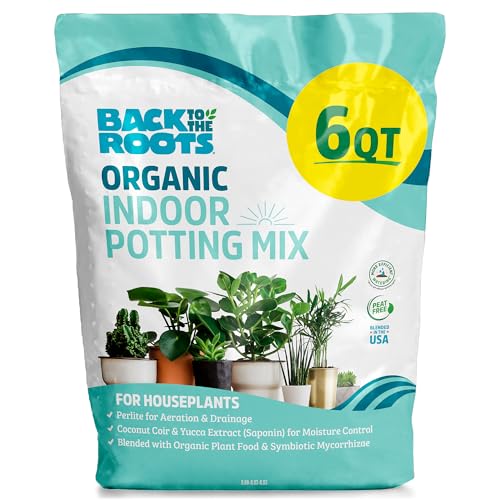 |
Back to the Roots Organic Indoor Potting | Check Price |
4 |
Soil Sunrise Aroid Plant Potting Soil Mix | Check Price |
5 |
AROID Potting Mix/Premium Soil for Monstera, Philodendron, | Check Price |
5 Best Potting Soils for Pink Princess Philodendron: Detailed Reviews
When I chose the best potting soil for pink princess philodendron, I paid attention to texture, drainage ingredients, moisture-holding materials, and bag size. Those details matter because a tight mix can stay wet around roots, while a very airy one may need closer watering checks.
I also weighed how clearly each blend describes its ingredients and intended plants. The choices here include small and larger bags, mixes made specifically for aroids, and a general indoor blend, so you can match the texture and amount to your plant rather than buy more soil than you need.
1. Rosy Soil Aroid Soil Mix, Chunky Biochar
Pine bark, pumice, and biochar create open structure that helps roots get airflow, suiting growers who want a chunky mix.
- Size4 Quarts
- ColorAroid
- Number Of Items1
- WeightNot listed; check details
Rosy Aroid Mix is a chunky, aroid-focused blend for a grower who wants an open potting mix for a pink princess and other tropical houseplants. Its stated ingredients include pine bark fines, pumice, biochar, worm castings, mycorrhizae, and compost.
Pine bark is small, woody material that creates larger gaps than fine, dense potting soil usually has. In Rosy Aroid Mix, the bark works with pumice to leave room for water to drain and air to reach the roots. That structure can be useful if you tend to water generously or your current mix stays damp for a long time, though a chunky texture doesn’t make overwatering impossible.
The blend also includes biochar, a porous form of charcoal, plus worm castings and compost. Those materials give the mix a different ingredient profile from a plain bag of indoor potting soil, but they don’t remove the need to check moisture before watering. The bag is 4 quarts, and the stated yield is about two to three medium 6-inch pots, which helps you judge whether one bag is enough for your plan.
One thing to watch is that bark and stone can make watering feel different from watering a fine-textured mix. Water may pass through the visible gaps quickly, so check the root zone rather than assuming the whole pot is dry just because the surface looks dry.
Pros:
- Pine bark and pumice add open structure for root airflow.
- Biochar, castings, and compost give the blend several organic components.
- Aroid-focused mix is intended for philodendrons and tropical plants.
- Four-quart bag may cover more than one small pot.
- Resealable bag helps keep leftover mix contained between uses.
Cons:
- Chunky texture may need more frequent moisture checks than fine soil.
- Bag volume may be more than needed for one small pot.
- No measured particle size or watering schedule is specified.
Buy it if: you want an aroid-focused mix with bark and pumice, because the open texture can help keep the root zone from packing tightly.
Skip it if: you want a fine, uniform houseplant soil, because this mix is deliberately chunky, and a finer indoor potting mix would suit you better. For another fit, consider Grow or Back.
I’d choose Rosy Aroid Mix when the main goal is to move a pink princess out of dense soil and into a more open blend. Its ingredients are easy to understand, and the 4-quart size gives you room for a little extra if the roots need more than a quick top-up. Check the current bag details and make sure the amount fits your pot before ordering.
Rosy Aroid Mix suits growers who want a chunky texture and are comfortable adjusting their watering checks to match it.
2. Grow Queen Craft Aroid Potting Mix, Chunky
A pre-moistened 2-quart blend of bark, pumice, and lava rock gives a small repot a ready-to-use, airy mix.
- Size2 Quart
- WeightNot listed; check details
- DimensionsNot listed; check details
- MaterialNot listed; check details
Grow Queen Aroid Mix suits someone repotting a single plant or working with a small pot, since the bag contains 2 quarts and arrives pre-moistened. It is described for philodendrons and other aroids, with bark, pumice, lava rock, tree fern fiber, coco coir, and biochar in the blend.
The lava rock and pumice are porous stones that create open spaces in a mix, while the bark adds larger pieces. Together, those ingredients are intended to help water drain and air move around roots. Coco coir is a plant fiber that can hold some moisture, so the mix isn’t made only of fast-draining chunks.
That balance may be helpful if you’re worried about roots drying too quickly between waterings.
Grow Queen also lists worm castings, alfalfa, gypsum, and charged biochar. The brand describes the biochar as pre-infused with nutrients, and says the mix is formulated near pH 6.0. These are useful details to check if you care about the stated blend, but don’t treat them as a substitute for observing your own plant and potting conditions.
The small bag is handy for one modest repot, but may not stretch far if you have a large container or several plants to refresh. The mix arrives damp, so avoid adding extra water just because you’re used to starting with dry potting soil.
Pros:
- Bark, pumice, and lava rock contribute an airy, chunky texture.
- Coco coir can hold some moisture between waterings.
- Pre-moistened mix is ready to use after opening.
- Two-quart size makes a small repot easier to plan.
- Listed for philodendrons and several other tropical houseplants.
Cons:
- Two quarts may not cover a large pot or several plants.
- Damp soil can feel different from dry bagged mixes.
- The exact proportions of the ingredients are not specified.
Buy it if: you’re repotting one small pink princess, because the ready-to-use 2-quart bag combines chunky ingredients with moisture-holding coco coir.
Skip it if: you need enough mix for several large containers, because the smaller bag may run short, and a larger-volume soil blend would suit you better. Rosy and Back are worth a closer look instead.
To me, the useful detail here is the combination of porous chunks and coco coir, not simply the word “chunky.” The pre-moistened state also saves one step, though I’d still check the soil in the pot before watering again. Look at the bag size and your container dimensions first, since a 2-quart bag is meant for a smaller job. Grow Queen Aroid Mix is a sensible fit for a beginner making one contained repot.
3. Back to the Roots Organic Indoor Potting
The catalog lists Includes 6qt of Back to the Roots Indoor Potting Mix. Our Potting Mix contains organic yucca extract that aids. Compare fit and care needs before choosing.
- Size6 Quart
- ColorIndoor Potting Mix
- Release Date2023-01-01T00:00:01Z
- Number Of Items1
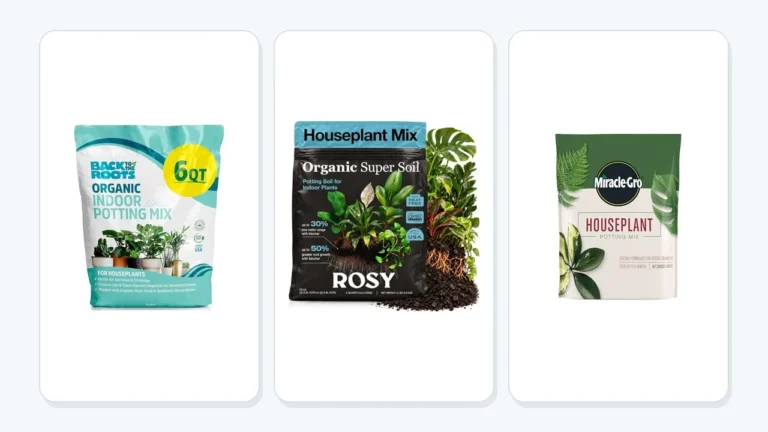
Back to the Roots Indoor Soil is a general-purpose indoor potting mix for a grower who wants a larger 6-quart bag and doesn’t specifically need a coarse aroid blend. Its listed features include organic yucca extract, mycorrhizae, and dolomitic limestone, and the description says it is made without bark or compost.
The yucca extract is included to help the soil retain moisture. That may be useful if a fine mix in your home dries quickly, but moisture retention also means you should take care not to water on autopilot. Pink princess philodendrons still need a potting setup that doesn’t stay saturated, so check the soil below the surface before watering rather than relying on a fixed calendar.
Mycorrhizae are beneficial fungi that can form associations with plant roots and are included here for root development and nutrient uptake. Dolomitic limestone is listed as a material for balancing acidity and alkalinity in the mix. Those ingredients may appeal if you prefer a general indoor blend with stated additives, but the provided description doesn’t give a particle-size breakdown or specific drainage rate.
Because this mix is not described as chunky and contains no bark, it may feel more like conventional potting soil than the aroid-focused options above. That doesn’t automatically make it unsuitable, but it does mean you should assess how the mix behaves in your pot and avoid a container that stays wet for too long.
Pros:
- Six-quart bag offers more soil than the smaller aroid mix.
- Yucca extract is included to help retain moisture.
- Mycorrhizae are included for root development and nutrient uptake.
- Dolomitic limestone is listed as a soil-balancing ingredient.
- Description states the mix is made without bark or compost.
Cons:
- Not described as a chunky or aroid-specific blend.
- Moisture retention calls for careful checks before watering.
- Particle size and exact drainage behavior are not specified.
Buy it if: you prefer a general indoor mix with moisture-retaining yucca extract, because the 6-quart bag gives you more material for a larger repot.
Skip it if: your main concern is a loose, bark-heavy texture, because this blend isn’t described as chunky, and an aroid-specific mix would suit you better. If those trade-offs rule it out, Rosy or Grow may suit you better.
I’d consider Back to the Roots Indoor Soil when bag volume and a general indoor-plant formula matter more than a clearly coarse texture. The stated moisture-retaining ingredient is worth considering if your space dries soil quickly, but it also makes careful watering important. Check the ingredient details and compare the texture with what your plant needs before choosing.
This mix is best for someone who wants a broader indoor soil and is willing to monitor moisture closely.
4. Soil Sunrise Aroid Plant Potting Soil Mix
The catalog lists Perfect for Aroids: Ideal blend created for aroid plants including Monstera Deliciosa, Heartleaf Philodendron. Compare fit and care needs before choosing.
- Size8 Quarts
- Number Of Items1
- WeightNot listed; check details
- DimensionsNot listed; check details
Soil Sunrise Aroid Mix is an 8-quart blend for a grower who needs more soil and wants ingredients intended for aroids. The listed ingredients are coconut coir, pine bark, perlite, worm castings, and horticultural charcoal, and the mix is described as suitable for philodendrons.
The perlite is a lightweight, porous material that helps open up soil and support drainage. Pine bark and charcoal also contribute structure, while coconut coir can hold some moisture. In everyday terms, the blend combines ingredients that can create air spaces with a fiber that helps keep the mix from becoming dry too quickly.
That mix of roles is useful to understand before you change how often you water.
Worm castings are included as a source of nutrients, but the description doesn’t provide a precise feeding schedule or ingredient ratios. The 8-quart size is described as enough for a big 12-inch pot, which makes the volume more suitable for a larger repot than a one-plant, small-bag purchase. Check your container’s actual size and the amount of old root mass before assuming you’ll use the full bag.
The main caution is that a large bag can leave a lot of leftover mix if your plant only needs a small pot. Store any remaining soil as directed on its packaging, and keep it dry and closed rather than leaving an open bag on a damp floor.
Pros:
- Eight-quart size suits a larger repotting job.
- Pine bark and perlite add structure and air spaces.
- Coconut coir can help the mix retain some moisture.
- Worm castings and charcoal are included in the blend.
- Description names philodendrons among suitable aroid plants.
Cons:
- The large bag may be excessive for a small plant.
- Ingredient proportions and particle sizes are not provided.
- No specific pH or feeding schedule is stated.
Buy it if: you’re repotting into a larger container, because the 8-quart bag is described as enough for a big 12-inch pot.
Skip it if: you’re only refreshing a small nursery pot, because you may have substantial soil left over, and a smaller bag would suit you better.
What I like about Soil Sunrise Aroid Mix is that its ingredient list explains the basic texture choices: bark and perlite for structure, coir for some moisture, and castings in the blend. The generous volume makes more sense for a substantial repot than for a tiny plant on a windowsill. Before buying, check that the 8-quart amount and listed ingredients fit your container and routine.
Soil Sunrise is for growers who need a larger supply rather than just a handful of fresh soil.
5. AROID Potting Mix/Premium Soil for Monstera, Philodendron,
The catalog lists ✔ Specifically formulated for aroids including Monstera, Philodendron, Alocasia, Anthurium, Rhaphidophora and . Compare fit and care needs before choosing.
- Size4 QTS
- ColorOrganic
- Number Of Items1
- WeightNot listed; check details
ARIOID Potting Mix is a ready-to-use aroid blend for someone who wants a 4-quart bag and a combination of chunky materials with moisture-holding fiber. The listed ingredients include orchid bark, coco husk, pumice, coco coir, worm castings, mycorrhizae, and biochar.
Orchid bark is a coarse woody ingredient that helps create larger gaps in potting media. Here, it is combined with pumice and coco husk, which the description says contribute drainage and airflow. That open texture is meant to help prevent compaction, so the roots have more room for air than they might in a fine, dense mix.
It can be a practical change if your current potting soil feels heavy and stays wet.
Coco coir and coco husk also help the mix hold moisture, while worm castings and mycorrhizae are included in the blend. This combination can feel different from a soil made mostly of bark and stone, so take a moment to check moisture before setting a new watering routine. The brand describes the mix as ready to use, which means there’s no required blending step stated in the product details.
The listing doesn’t specify ingredient proportions, particle sizes, or a pot-size yield. If you’re particular about how coarse a mix should be, look closely at the package information before purchase rather than assuming every bag of aroid soil has the same texture.
Pros:
- Orchid bark, coco husk, and pumice add chunky structure.
- Coco coir can help hold moisture between waterings.
- Biochar, worm castings, and mycorrhizae are included.
- Ready-to-use description means no mixing step is stated.
- Four-quart size is a moderate amount for a repot.
Cons:
- No exact ingredient ratios or particle sizes are given.
- The bag’s stated pot-size yield is not provided.
- Chunky media still needs moisture checks before watering.
Buy it if: you want a ready-to-use aroid mix with both airy pieces and coco fiber, because that combination offers structure with some moisture retention.
Skip it if: you need a clearly stated yield for a specific pot, because the volume guidance isn’t detailed, and a mix with a stated pot-size estimate would suit you better.
I’d put AROID Potting Mix on the list for someone who wants a blend that includes both coarse bark and moisture-holding coco materials. That combination gives a beginner a useful starting point without requiring a separate mixing project. The missing detail I’d check is the actual texture and how much of the bag your container may use.
AROID Potting Mix suits a grower who wants a ready-to-use blend and is comfortable learning its drying pattern after repotting.
How to Choose the Best Potting Soil for Pink Princess Philodendron
Choose a mix that lets water pass through while keeping a little moisture available around the roots. For the best potting soil for pink princess philodendron, ingredient names, texture, pot size, and your watering habits are more helpful than a broad claim that a mix is “ideal.”
Check the texture, not just the label
A chunky mix has visible pieces of bark or other coarse material, while a fine mix feels more uniform and dense. Chunkier texture can leave air spaces and reduce compaction, but it may also dry differently from ordinary indoor soil. If you’re comparing potting mixes for tropical plants, look at the ingredients and texture rather than assuming every tropical blend has the same proportions.
For a beginner, a mix with bark and porous stone is often easier to assess visually than a very fine blend. You should be able to see the larger pieces in the bag, but the description of these products doesn’t give exact particle sizes. If you can’t tell how chunky it is from the package details, don’t guess about the texture; be ready to inspect the mix when it arrives.
Balance drainage with moisture retention
Drainage means water can move through the pot instead of sitting around the roots. Coco coir, coco husk, and other fibers can hold some moisture, while bark and porous stone help create space in the mix. You want a balance that suits your home, because a warm, bright room and a cool, dim corner won’t dry soil at the same rate.
When comparing tropical soil and potting soil, remember that the names alone don’t tell you how a blend will behave. Read the ingredient list and consider whether the mix has both open structure and some material that holds moisture. A drainage hole in the pot also matters: soil cannot drain freely from a container that traps excess water at the bottom.
Match the ingredients to your plant and routine
Aroid blends are formulated for plants such as philodendrons, but the phrase “for aroids” doesn’t guarantee a specific recipe. Bark, pumice, perlite, lava rock, charcoal, and coco fiber all affect texture in different ways. A grower who checks soil before watering may be comfortable with a chunkier mix, while someone who waters on a strict schedule should take extra care not to follow the calendar blindly.
If you’re comparing other philodendron soil choices, use the same checks: how open the mix is, what holds moisture, and whether the ingredients are clearly named. Pink princess philodendron is a philodendron, so related guidance can help you think through texture, but it doesn’t replace checking the needs of your own plant and space.
Buy enough, but not far too much
Estimate the amount from the pot you plan to fill, not just the size of your plant’s leaves. A bag’s quart volume gives you a starting point, but root-ball size and pot dimensions affect how much mix goes in. If you’re repotting one small plant, a 2-quart bag may be easier to use up; for a larger container, a bigger bag may make more sense.
Also consider what you’ll do with leftovers. Keep the bag closed and store it in a dry place, following the package directions. A large bag isn’t a bargain if you have nowhere suitable to keep the remainder or if it makes the repot harder to manage.
Consider the pot and drainage holes
The soil is only one part of the root environment. Use a pot with drainage holes so extra water can escape, and avoid moving a small root ball into a container that holds far more soil than the roots can use. A pot that is too large can leave unused mix damp for longer, particularly if light and warmth are limited.
Look at the root ball and choose a container only modestly larger if a larger pot is needed. If your current pot has no drainage hole, solve that issue before expecting a new mix to fix poor drainage. A breathable soil blend cannot make standing water disappear from a sealed container.
Decide whether a general indoor mix is enough
A general houseplant mix can work for some growers, but it may not have the coarse texture described in a dedicated aroid blend. Check whether the bag lists bark, perlite, pumice, or similar materials, and consider the amount of moisture-holding fiber. For a plant such as a philodendron birkin, the same basic questions about airflow, water movement, and pot size still matter; see soil options for Philodendron Birkin as a related comparison.
The label is a starting point, not a promise that the soil will suit every room or watering style. If you choose a general mix, monitor it after the repot and make changes only when you have a clear reason. Avoid adding several amendments at once, since then it becomes hard to tell which change affected drying or drainage.
How to Use Potting Soil for the Best Results
Start with a clean work area, a pot with drainage holes, and enough soil to support the roots without packing the container full. After repotting, water carefully and use the plant’s actual moisture level to guide later watering.
- Check the root ball. Remove loose, old soil gently, and look for roots that are damaged or mushy. Don’t pull healthy roots apart just to remove every crumb of old mix.
- Choose a suitable pot. Use a pot that fits the root mass without leaving a large empty ring of soil around it. Confirm that water can escape through the drainage holes.
- Prepare the mix. Read the bag directions and check whether the soil is already moist. Grow Queen is described as pre-moistened, so don’t soak it before use without a reason.
- Set the plant at the right height. Add a little mix beneath the roots so the plant sits at a similar depth to before. Burying the stem deeper than it was can create new problems, so keep the crown and stem position in view.
- Fill around the roots. Add soil in small amounts and tap the pot gently to settle it. Pressing hard can squash the open spaces you want to keep.
- Water in a controlled way. If the mix is dry and the package doesn’t say otherwise, water slowly until some drains from the bottom. Empty water from the saucer rather than letting the pot sit in it.
- Recheck before watering again. Feel the soil below the surface and note how long the pot takes to dry in your home. Don’t use a fixed number of days as a substitute for checking.
A new mix can settle after watering, so look at the soil level over the next few days. If roots become exposed, add a little mix around them without burying the stem. Pink princess philodendron care can vary with light and room temperature, so let the pot’s moisture pattern guide your routine rather than trying to copy someone else’s calendar.
How to Make Your Potting Soil Last Longer
Store leftover soil closed, dry, and away from standing water or damp floors. Keeping the bag sealed helps limit spills and prevents the unused mix from getting wet before you need it again.
Use clean tools and avoid returning old soil from a plant pot to the fresh bag. Old mix can contain roots, debris, or pests, and mixing it back in makes the remaining soil harder to manage. If you see an unusual smell or unexpected contamination, set that material aside instead of spreading it through your other pots.
Don’t reuse soil just because it looks dark and usable. A mix that has been in a pot may have compacted, lost its open structure, or accumulated old roots and other debris. For a new repot, fresh mix is easier to judge, especially when you’re still learning how quickly your pink princess dries out.
Keep the potting mix out of direct weather and follow any specific storage advice on its bag. Don’t leave a partly opened sack outdoors where rain can soak it or wind can spill it. When you finish potting, close the bag promptly and clean loose soil from the work surface and tools.
For the plant itself, avoid pressing down hard every time you add soil. Compaction can reduce the air spaces that chunky ingredients are meant to provide. If the surface settles, top it up lightly; don’t keep adding new layers without checking whether the root ball is already at the right height.
Common Mistakes to Avoid When Buying and Using Potting Soil
Small changes in pot size, soil texture, or watering habits can affect how long a pot stays damp. These are common mistakes worth avoiding:
- Choosing by the word “aroid” alone: Blends vary, so read the ingredient list and look for the texture you want.
- Buying more soil than the job needs: Estimate the pot volume first, then choose a bag size you can store.
- Assuming chunky soil cannot be overwatered: Water can still collect in a poorly drained pot; check the holes and the soil.
- Using a pot that is much too large: Extra unused soil can stay wet longer; size the container to the root ball.
- Watering on the same weekday every time: Room conditions change how quickly soil dries; check below the surface first.
- Packing the mix tightly around roots: Heavy pressure can collapse open spaces; settle soil gently instead.
- Adding amendments without a clear reason: Too many changes make the mix harder to judge; start with the blend as directed.
It’s also easy to mistake a dry-looking surface for a dry root zone. A quick check a little below the top gives you more useful information than looking at the surface alone. If you’re unsure, wait and check again rather than adding water simply because the calendar says it’s time.
How to Set Up a Pink Princess Philodendron Repot
A repot doesn’t need special equipment, but planning the order makes the job less messy. Set out the pot, mix, and a place to catch spilled soil before removing the plant from its current container.
- Pick a work surface. Use a tray or washable surface, and keep the new soil away from pets and food-preparation areas.
- Check the new pot. Confirm it has drainage holes and isn’t much larger than the root ball. If water has nowhere to escape, choose a different pot before repotting.
- Read the soil bag. Check its directions, volume, and whether it arrives moist. This avoids the common mistake of watering a mix that is already damp.
- Loosen the old pot. Squeeze a flexible pot or ease soil from the sides. Pulling on the plant’s stem can damage it, so support the root ball instead.
- Inspect the roots. Remove loose material and trim only roots that are clearly damaged, using clean scissors. If you’re uncertain about a root, avoid cutting it just to make the root ball look tidy.
- Position the plant. Add a base layer of mix and set the plant at its previous depth. Check the height before filling around the sides.
- Fill and settle gently. Add mix around the root ball, then tap the pot to help it settle. Don’t compress it with your fingers.
- Water and clean up. Water according to the mix’s starting moisture and let excess drain away. Wash tools and close the remaining soil bag.
The most likely beginner snag is trying to force a large root ball into a pot that is too small or burying the plant while filling gaps. Pause to check the plant’s height before you add the final soil. If the roots do not fit comfortably, reassess the container rather than pushing them into a tight space.
Common Questions About Potting Soil for Pink Princess Philodendron
What kind of potting soil does a pink princess philodendron need?
A pink princess philodendron needs a mix that drains freely while leaving some moisture around the roots. Many growers look for an airy aroid blend with ingredients such as bark and porous stone, but the right balance also depends on the pot and room. Check that the container has drainage holes and adjust watering to the mix’s drying pattern.
Can I use regular indoor potting soil for a pink princess?
Yes, a general indoor mix may be usable, but check its texture and how it holds water. A fine mix without coarse ingredients can behave differently from an aroid blend, especially in a pot with limited drainage. If you use general soil, monitor moisture carefully and don’t assume the surface tells you what is happening near the roots.
Should pink princess philodendron soil be chunky?
A somewhat chunky mix can help create air spaces and reduce compaction around roots. Chunky does not mean the plant can never be overwatered, and very coarse soil may dry sooner in some homes. Look for a blend that balances open structure with some moisture retention, then watch how it behaves in your pot.
How much potting soil do I need for one plant?
The amount depends on the container and the size of the root ball, not only on the plant’s leaves. A small repot may use less than a 2-quart bag, while a large container may need more than a small bag provides. Compare the bag’s volume with your pot and leave room for the root ball rather than filling the container in advance.
How often should I water after repotting?
There isn’t one reliable watering interval for every home. Check the soil below the surface and consider the pot’s weight, drainage, light, and temperature before watering again. A newly repotted plant may need a different routine from the one it had in its old soil, so use the actual moisture level rather than a fixed weekly schedule.
Do I need to add fertilizer to a potting mix?
Not automatically. These blends list different ingredients, including castings and other materials, but the product descriptions don’t provide a universal feeding schedule for your plant. Read the bag directions and avoid adding fertilizer right away without checking what the mix contains and what your plant’s care routine calls for.
Before You Repot, Check These Three Things
Before choosing a bag, look at the root ball, the pot’s drainage holes, and the mix texture you want to manage. Then match the bag volume to the job and plan to check soil moisture after repotting, rather than watering by habit.

I’m Maya L. Greenwood, a lifelong plant lover who believes anyone can grow something beautiful with the right guidance. After years of testing soil mixes, pruning methods, irrigation tricks, and pest-safe solutions, I started EasyGardenTips.com to turn hard-won lessons into step-by-step advice. From seed starting and container gardens to composting and seasonal checklists, my goal is to make gardening simple, sustainable, and fun.