
Seedling Mix vs Potting Soil: What Your Young Plants Really Need
Seedling mix is usually the better choice for starting seeds because its fine texture helps tiny roots grow and gives water room to drain. Potting soil is generally better for transplanting established seedlings into larger containers, though some products work for both jobs.
Are your seeds sprouting unevenly, or are seedlings flopping over just as you start to feel hopeful? The mix can make a difference, but so can watering, container drainage, and light.
I once used a chunky potting mix to start seeds because it was already open and seemed close enough. Some seeds sprouted, but a few washed into gaps between the larger pieces when I watered, and I had to start over. It’s a common shortcut, not a dumb mistake.
I wrote this to help you pick a growing medium for each stage, without getting tangled up in labels that can mean different things from one bag to the next. You’ll also get practical ways to check a mix before sowing.
Choose well, and you’ll give young roots a more even start and cut down on soggy trays or dried-out cells. Choose poorly, and you may spend extra time correcting watering problems or replanting seeds.
This takes about 10 minutes to read. By the end, you’ll know how to:
- Pick a mix for seeds, seedlings, or transplants.
- Check texture and drainage before filling a tray.
- Handle feeding and watering without stressing young roots.
- Adjust your choice for herbs, vegetables, flowers, and tree seedlings.
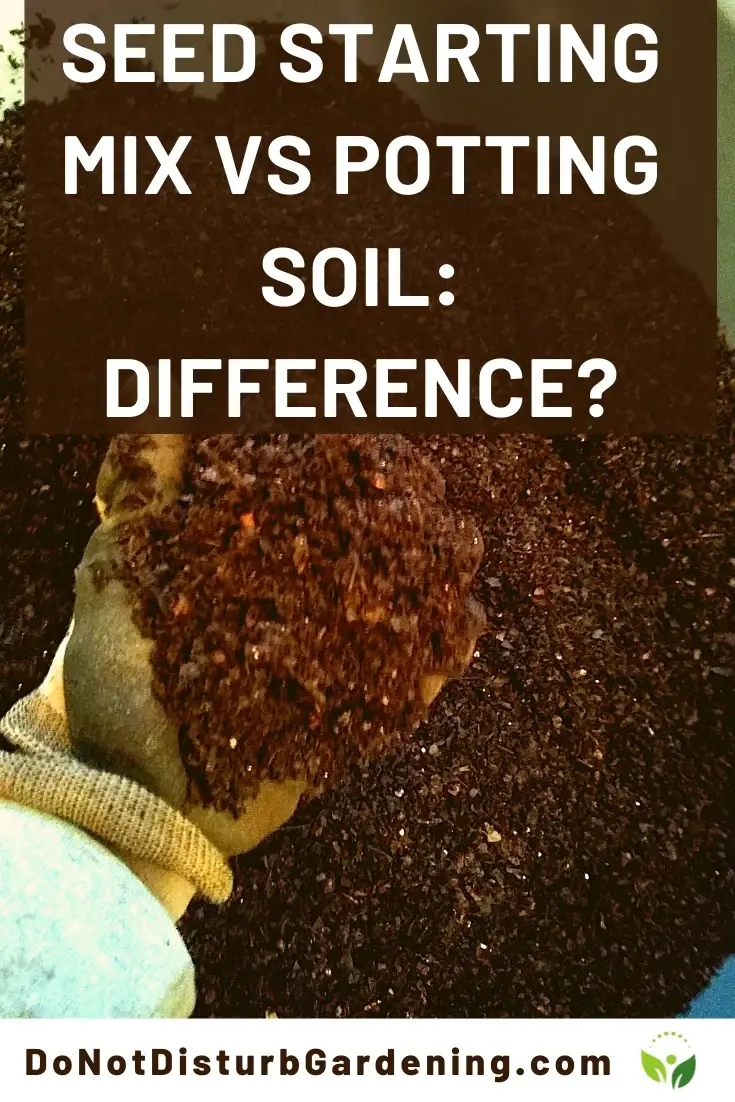
Seedling Mix vs Potting Soil: Which Should You Use?
Use seedling mix to sow small seeds and raise seedlings in small cells; use potting soil or potting mix to grow larger plants in containers. A fine seedling mix helps seeds stay in place, while a potting mix often has a chunkier structure and more nutrients for plants that have already sprouted.
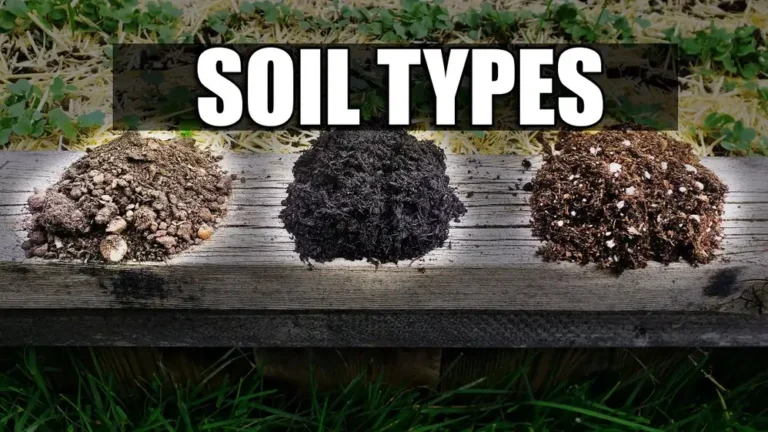
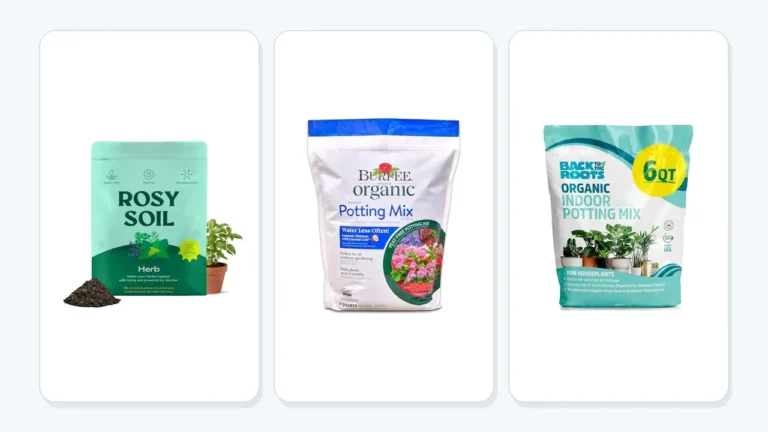
The names on bags aren’t perfectly consistent. Seedling mix usually means a fine-textured medium made for starting seeds, while potting mix means a container medium designed to support plant growth. Some labels use “potting soil” for a similar product, even though bagged mixes often contain little or no actual soil from the ground.
| Growing job | Better starting choice | What to check |
|---|---|---|
| Tiny seeds in a tray | Seedling mix | Fine, even texture that holds seeds near the surface |
| Larger seeds in deep cells | Seedling mix or a fine potting mix | Pieces shouldn’t leave large gaps around seeds |
| Young seedlings after sprouting | Potting mix or seedling mix | Check the label for nutrients and feeding directions |
| Transplanting into a larger pot | Potting mix | Drainage, container suitability, and fertilizer content |
| Long-term container growing | Potting mix | A structure that stays open as roots grow |
For a practical routine, follow these steps:
- Read the bag. Check whether the mix is meant for starting seeds, general container growing, or a specific group of plants. Look for nutrient or fertilizer information, too.
- Check the texture. Rub a little between your fingers. Seed-starting mix should feel fairly fine and even, without big bark pieces that can crowd small seeds.
- Dampen before filling. Add water gradually and mix it through until the medium feels evenly moist, not muddy. Dry mix can be slow to wet and may float or shift when water hits it.
- Fill containers loosely. Add the mix without packing it down hard. Gently tap the tray to settle it, then leave enough surface space for watering and sowing.
- Sow at the depth on the seed packet. Some seeds need light to germinate, while others need covering. The packet’s instructions matter more than a general rule.
- Water gently and drain excess. Use a fine spray or water from below, then empty standing water from the tray. The mix should stay moist, not waterlogged.
This is the basic split: fine, even medium for sowing; a container mix for ongoing growth. If you’re moving a sprout from a tray into a pot, a general mix labeled for containers is often the sensible next step.
Pro Tip: If you’re unsure about a bag, moisten a small handful and squeeze it gently. A good starting medium should hold together briefly, then crumble apart without dripping water.
Why Seedling Mix and Potting Mix Behave Differently
Seedling mix and potting mix behave differently because they’re built for different root sizes, watering patterns, and stages of growth. Texture, air space, water retention, and added nutrients all affect how a young plant grows.
Growing medium is the material around a plant’s roots. The medium supports roots, holds some water, and leaves air spaces that roots need. A mix that stays soggy can limit that air; one that dries too quickly can leave delicate roots short on water.
Texture and drainage affect tiny roots
Seedling mix is commonly finer than general potting mix. That helps small seeds make contact with the medium and gives new roots a less obstructed path through the tray.
Potting mix may contain materials such as perlite, a lightweight mineral that creates air spaces, or bark pieces that add structure. Those ingredients can suit a larger pot, but coarse bits may create awkward gaps in small cells. In a shallow seed tray, that can make moisture less even from one spot to the next.
Drainage doesn’t mean the mix should dry out right away. It means extra water can move through and leave air in the root zone. If a container has no drainage holes, even a well-draining mix can stay too wet because excess water has nowhere to go.
If your main problem is water sitting around roots, ingredient size and container drainage deserve a closer look. A guide to better-draining potting soil can help you compare the features that matter for plants in containers.
Nutrients matter, but timing matters more
Many seed-starting mixes contain little fertilizer, while potting mixes may include nutrients or a starter fertilizer. That difference is useful, but it doesn’t mean fertilizer should go on every sprout right away.
A seed contains stored energy that supports early growth. After a seedling develops its first true leaves, the leaves that look more like the mature plant’s leaves, it begins relying more on light and nutrients from its growing conditions. The right feeding time depends on the plant, mix, and label directions.
Overfeeding a small seedling can harm roots or leave fertilizer salts in a small cell. On the other hand, a seedling kept in a low-nutrient mix for too long may need a gentle, suitable feed as it grows. The mix label and plant response are better guides than a one-size-fits-all schedule.
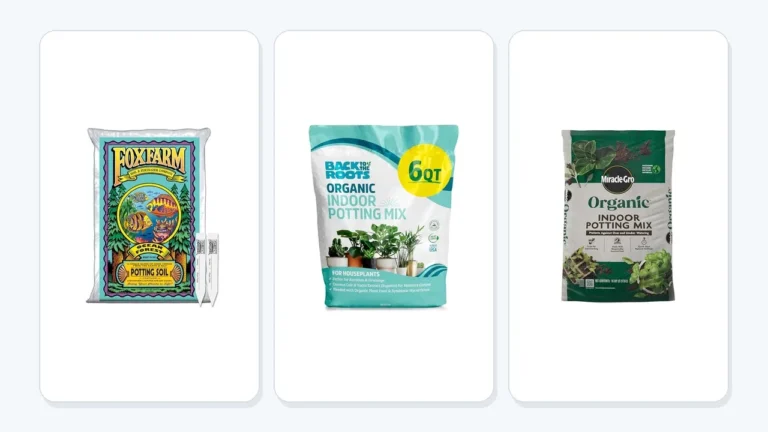
Want to grow without synthetic fertilizers? Compare the ingredient list and feeding guidance before choosing a seedling mix with organic ingredients. Organic doesn’t automatically mean nutrient-rich or ready to feed seedlings, so the label still matters.
A simple hand test tells you a lot
When I started paying attention to how a mix felt after watering, I caught a problem I’d been blaming on my seed tray. The medium was crusting on top while staying wet below, so I loosened it and changed how I watered. That small check taught me to judge the mix in the container, not just by the name on the bag.
Moisten a small amount and press it lightly between your fingers. If it forms a dense, sticky clump, it may hold too much water for your setup; if it falls apart instantly and sheds water, it may need more even wetting before you sow.
Use the test as a clue, not a lab result. Different ingredients and plant needs call for different moisture levels, and a mix that works in a deep pot may behave differently in a shallow cell.
How to Choose, Prepare, and Use the Right Mix
Choose a mix based on the plant’s stage, the container, and how you water. Prepare it evenly before filling containers, then adjust your routine if the surface dries quickly or the root zone stays wet.
Match the mix to the plant’s stage
For sowing, fine texture and steady moisture matter most. For a growing seedling, space for roots and an appropriate supply of nutrients matter more. Many gardeners start in seedling mix, then pot up into a container mix once the plant has roots and true leaves.
The switch doesn’t need to happen on a fixed day. Look for roots reaching the edges or bottom of the cell, a plant that’s large for its container, or a root ball that holds together when lifted gently. If roots are still tiny and the seedling has plenty of room, moving it can cause needless stress.
Small vegetable and flower seedlings usually do well in a suitable general potting mix after transplanting. Tree seedlings may stay in containers longer and need a mix that supports continued root growth, so check guidance for the tree species and container size before choosing a potting mix for tree seedlings.
Prepare the mix without compacting it
A bagged mix can be dry, compressed, or unevenly moist after storage. Lightly loosening it and adding water in stages can make filling more consistent, especially when you’re working with tiny cells.
- Break apart compressed clumps by hand.
- Add water a little at a time, mixing as you go.
- Let the mix sit briefly so moisture spreads through it.
- Fill clean containers loosely, then settle the surface with a light tap.
- Sow or transplant, and water gently until the medium is evenly moist.
Don’t press hard to make a tray look tidy. Compaction squeezes out air spaces and can make water move unevenly. If you’re preparing a larger batch, the steps in preparing potting soil for planting can help you plan for the container and plant before you fill it.
Important Tip: Dampen dry mix before handling it, especially if it contains dusty ingredients such as perlite. Work in a ventilated area, avoid breathing dust, and follow any handling directions on the bag.
Water according to the container, not the calendar
A seedling tray can dry faster than a large pot, while a cool room can slow drying. Check the medium with a fingertip rather than watering on a rigid schedule. The surface may look dry while the root zone still feels moist, so check a little below the top.
Water gently around the seedling instead of blasting the stem with a strong stream. Bottom watering can help moisten cells evenly, but remove leftover water after the medium has absorbed what it needs. Letting a tray sit in standing water can leave roots short on air.
If the mix beads water instead of absorbing it, it may be very dry or unevenly wet. Add water in small amounts and give it time to spread through the medium. A sudden flood can carry seeds out of place or leave a wet, packed layer at the bottom.
Feed only when the plant and mix call for it
Check the bag to learn whether the mix contains fertilizer and how long the label says it should support plants. If a seedling has outgrown a low-nutrient medium, a suitable fertilizer may help, but use directions meant for seedlings and avoid guessing at a strong dose.
A common mistake is treating pale leaves as proof that a plant needs fertilizer. Too much water, poor light, cold conditions, or root damage can also affect leaf color and growth. Fix the growing condition before adding nutrients, or the extra fertilizer may make matters worse.
For a fuller look at safe feeding choices, use guidance on fertilizing container potting mix alongside the product label. I’d rather feed cautiously and watch new growth than try to rescue a stressed seedling with a heavy dose.
Read the common problems before changing the mix
| What you notice | Possible cause | What to try |
|---|---|---|
| Seeds wash into corners | Strong watering or very loose surface | Use a gentle spray or bottom watering |
| Surface dries quickly | Small cells, warm air, or mix that wets unevenly | Check below the surface and moisten gradually |
| Seedlings lean or look weak | Low light, crowded growth, or poor airflow | Improve light and spacing before changing fertilizer |
| Mix stays wet for days | Excess watering, poor drainage, or a dense medium | Clear standing water and check container holes |
| Growth slows after true leaves appear | Crowded roots or low available nutrients | Check the label and consider potting up or feeding appropriately |
A seedling that collapses at the soil line may have damping-off, a group of problems linked to fungi or fungus-like organisms in damp conditions. Remove affected seedlings, improve airflow, avoid keeping the surface constantly wet, and use clean containers and fresh mix for the next sowing.
Don’t reuse old mix from diseased seedlings in a new seed tray. Also avoid using garden soil in small indoor seed cells; it can compact and may bring unwanted organisms into the tray.
- Use fine seedling mix for sowing, especially with small seeds and shallow cells.
- Use a container potting mix when seedlings need more room to grow.
- Check drainage, moisture, and label directions before changing fertilizer or watering.
FAQs About Seedling Mix vs Potting Soil
Can I use potting soil to start seeds?
Yes, if the potting soil has a fine, even texture and the label allows seed starting. Coarse bark or large pieces can leave gaps around small seeds, and a mix with fertilizer may not suit every seedling. Check the seed packet and product directions before sowing.
Is seedling mix the same as seed-starting mix?
Usually, yes. Seedling mix and seed-starting mix both refer to products intended for sowing seeds and supporting early growth, but ingredients vary by brand. Read the bag instead of assuming the name guarantees a certain texture, fertilizer level, or ingredient list.
When should I move seedlings into potting mix?
Move seedlings when they have enough growth and roots to handle transplanting, often after true leaves appear or roots begin filling the cell. The right timing varies by plant. Handle seedlings by a leaf rather than pinching the stem, which can be easily damaged.
Do seeds need fertilizer to germinate?
No, most seeds can germinate using stored energy inside the seed. A seedling may need nutrients later as it grows, especially if the growing medium contains little fertilizer. Follow the mix label and the plant’s needs instead of adding fertilizer to every newly sown tray.
Can I reuse seedling mix?
Sometimes, but don’t reuse mix from plants that had disease, pests, or unexplained collapse. Old mix may also be depleted or compacted, and fresh mix is a safer choice for starting valuable seeds. Clean reusable containers before filling them again.
Make the Mix Match the Job
For most home gardeners, seedling mix is the easier choice for sowing seeds, while potting mix is the practical choice once seedlings need room to grow. The product name is only a starting point; texture, drainage, fertilizer content, and the label tell you whether a bag suits your setup.
I wouldn’t buy several specialty mixes before checking what you already have. If a potting mix is fine enough for your seeds and its label allows seed starting, it may do the job. If seeds are tiny or your tray dries unevenly, a dedicated seedling mix can make the work less frustrating.
Start by checking the bag and the container you plan to use. Then moisten a small amount and test how it feels. That simple first check can save you from chasing problems after the seeds are already in the tray.

I’m Maya L. Greenwood, a lifelong plant lover who believes anyone can grow something beautiful with the right guidance. After years of testing soil mixes, pruning methods, irrigation tricks, and pest-safe solutions, I started EasyGardenTips.com to turn hard-won lessons into step-by-step advice. From seed starting and container gardens to composting and seasonal checklists, my goal is to make gardening simple, sustainable, and fun.

One Comment