How to Fertilize Potting Soil: Feed Plants Without Overdoing It
To fertilize potting soil, match a complete fertilizer to your plant, follow the product label, and feed only while the plant is actively growing. Start with less rather than more, since fertilizer salts can damage roots in a pot.
Are you trying to work out whether that pale, slow-growing plant needs food, or just a better spot by the window? And how do you feed it without ending up with crispy leaf tips or a crust of white salts on the soil?
I once added fertilizer to a houseplant that looked tired, then realized its potting mix was bone-dry and pulling away from the edges. The plant needed water, not a stronger meal, and I made a simple problem harder to fix. That mix-up is common, not dumb.
I wrote this for anyone who wants a clear feeding routine without getting lost in fertilizer numbers or conflicting advice. You’ll learn how to choose a fertilizer, when to apply it, and how to tell a feeding problem from a watering or light problem.
Get the timing right and you can support steady leaves, flowers, or fruit while avoiding wasted product and root damage. Skip the label or feed a stressed plant, and you may create burned roots, weak growth, or a salty mess in the pot.
This takes about 10 minutes to read. By the end, you’ll be able to:
- Pick a fertilizer that fits your plant and potting mix.
- Set a safe schedule based on growth and product directions.
- Spot likely fertilizer trouble and know what to do next.
- Decide when a soil or watering problem needs fixing first.
How to Fertilize Potting Soil with a Simple Feeding Plan
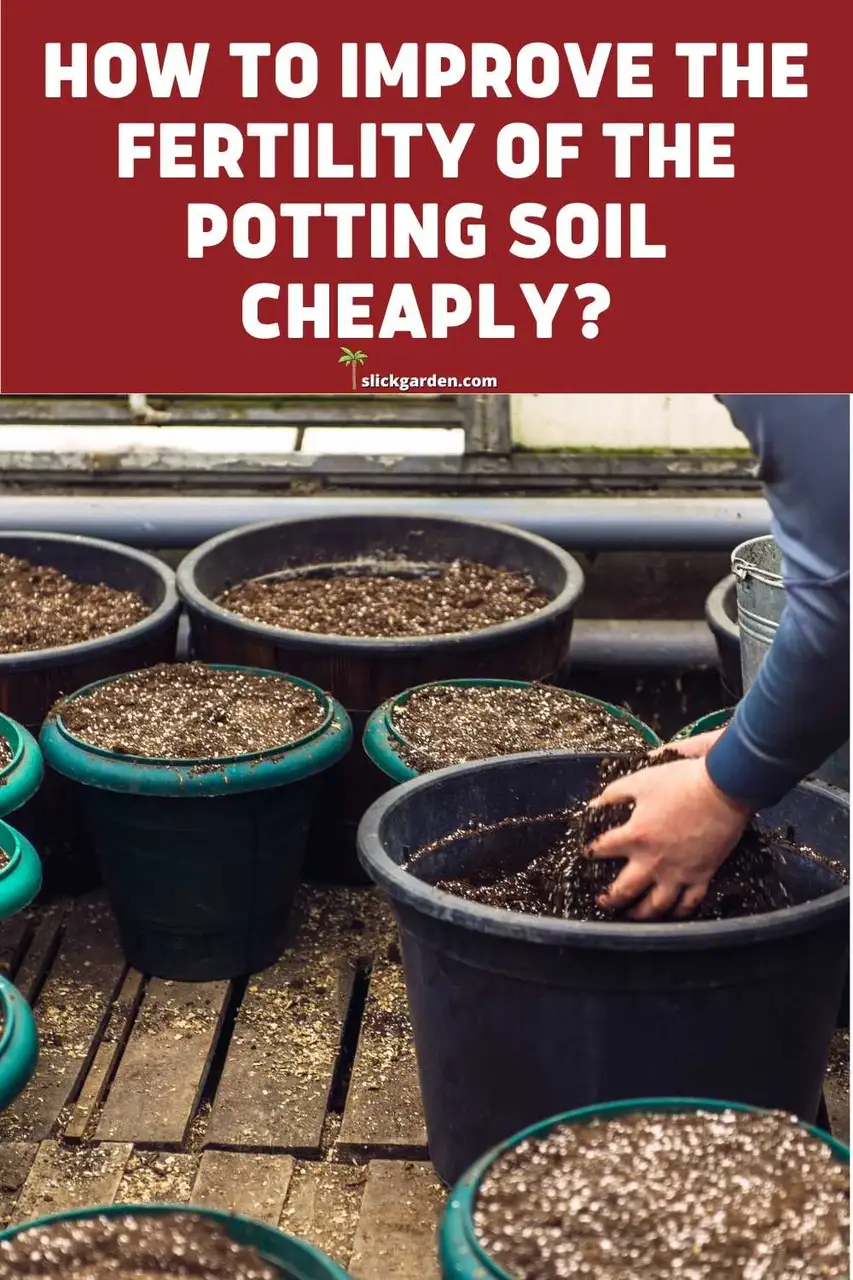
Most potted plants need fertilizer only during active growth, at the rate and frequency on the product label. Use a fertilizer made for container plants, apply it to evenly moist potting mix, and stop or reduce feeding when growth slows.
Start by checking the potting mix bag or the fertilizer label. Some mixes contain a starter charge, a small amount of fertilizer meant to feed plants for a limited period; the label may give a feeding window, but the exact duration varies by product. If the mix is already feeding the plant, adding fertilizer right away can push the dose too high.
Follow this basic process:
- Check the plant and mix. Look for active new growth, and check whether the mix says it contains fertilizer.
- Choose a suitable product. A complete fertilizer contains nitrogen, phosphorus, and potassium, shown as N-P-K on the label. Pick a product labeled for your type of plant or its growth needs.
- Read the directions. The label tells you how much to use, how to mix it, and how often to apply it. Don’t guess based on the size of the pot.
- Water dry potting mix first. Apply fertilizer to damp soil unless the product label says otherwise. Feeding a thirsty plant through dry mix can add stress to already-dry roots.
- Apply evenly and record the date. Pour liquid fertilizer over the mix, or place slow-release granules as directed. A note on your calendar can prevent an accidental second feeding.
- Watch the plant’s response. New growth can take time. Don’t add another dose just because older leaves haven’t changed color.
A balanced fertilizer isn’t automatically the right choice for every plant. Flowering plants, leafy houseplants, and edible crops can have different feeding needs, so I’d choose by plant type and label directions rather than by a flashy number on the package.
When the plant grows in a small pot, the mix can lose nutrients through regular watering. But more fertilizer doesn’t make up for poor light, compacted mix, or roots sitting in water. Get those basics right first.
A helpful starting point is to use potting mix as intended and keep its structure suited to the plant. If you’re new to containers, the basics of using potting soil correctly help you avoid common setup mistakes that fertilizer can’t fix.
Choose Fertilizer That Fits Your Plant and Pot
A suitable fertilizer supplies nutrients without asking the roots to handle more than they need. For most beginners, a product labeled for houseplants or container plants is easier to use than a specialized blend with directions meant for a different growing setup.
Liquid fertilizer mixes with water and gives you control over each feeding. That control is handy when you’re following a light schedule, though it also makes measuring errors easy.
Slow-release fertilizer comes as granules or pellets that release nutrients over time. It can save repeated mixing, but the release rate depends on the product and conditions such as temperature and moisture, so the label matters here too.
Water-soluble fertilizer dissolves in water and is applied as a liquid. Some products are intended for regular feeding at a reduced concentration, while others have different directions; don’t assume all water-soluble products use the same routine.
| Fertilizer type | How it’s applied | What to check |
|---|---|---|
| Liquid | Mixed with water and poured onto damp mix | Dilution, frequency, and plant type |
| Slow-release | Granules or pellets placed as directed | Release period and whether the mix already contains fertilizer |
| Water-soluble | Dissolved in water before application | Mixing instructions and feeding interval |
| Organic | Product form and application vary | Whether it’s labeled for containers and how it affects the mix |
A fertilizer’s N-P-K ratio lists the relative amounts of nitrogen, phosphorus, and potassium. Nitrogen supports leafy growth, phosphorus has roles in plant growth and reproduction, and potassium helps with functions such as water regulation; a larger number isn’t a shortcut to a healthier plant.
I once switched between two products without checking whether the potting mix already had a feeding charge. I couldn’t tell which source was doing what, and the plant’s leaf tips started looking rough. Now I change one part of the routine at a time, which makes cause and effect much easier to spot.
If you’re growing several kinds of plants, don’t assume one mix or fertilizer suits every pot. A quality soil for potted plants should match the plant and the container, while the fertilizer label should match the job you’re asking it to do.
For a patio full of containers, the mix itself can affect how often nutrients and water need attention. A potting mix for container gardening is made for container use, while garden soil can compact in a pot and make root conditions harder to manage.
Pro Tip: Keep the fertilizer label with your gardening supplies, or take a photo of its directions. That small habit saves you from guessing the dilution after the package gets dusty or the scoop goes missing.
Time Feedings Around Growth, Water, and Season
Feed a potted plant when it’s growing actively and the fertilizer label allows it. Many houseplants grow more slowly during darker, cooler months, so they may need less or no fertilizer then; follow the plant’s growth and the product directions rather than a fixed calendar alone.
New leaves, stems, or flowers can signal active growth. A plant that has stopped growing because of low light, cold conditions, recent repotting, or stress may not use extra nutrients well.
Watering comes first if the mix is dry. Potting soil can shrink from the sides of a container when it dries, and some mixes become harder to wet again; learn how to rehydrate dry potting soil before adding fertilizer to a plant that may simply be thirsty.
How often should you feed? The answer depends on the fertilizer’s strength and release style, the plant, and how fast the plant is growing. Follow the label’s interval, and don’t combine a slow-release product with frequent liquid feeding unless the directions or a reliable plant-specific plan call for both.
A simple schedule helps prevent double feeding:
- Check new plants and fresh potting mix before their first dose.
- Feed only during the growth period named by the plant’s needs and product directions.
- Pause feeding when the plant is dormant or clearly stressed.
- Reassess after repotting, since fresh mix may contain nutrients.
The root zone is the area of mix where the roots take up water and nutrients. If that zone stays soggy, roots can struggle even when fertilizer is present; a well-draining potting soil helps water move through the pot rather than sit around the roots.
A plant needs light to use the nutrients it takes up. If a plant is stretched, pale, or barely growing, check its light and watering before reaching for fertilizer. A stronger feed won’t fix a window that’s too dim or a pot without drainage.
Avoid Fertilizer Burn and Troubleshoot Problems
Fertilizer burn happens when excess fertilizer salts damage roots or leaf tissue. Common signs include brown leaf tips or edges, a white crust on the mix or pot rim, and sudden decline after a feeding, but those signs can also come from other care problems.
Check the pattern before you act. If only older leaves are fading slowly, that may be normal aging; if several leaves develop dry edges after feeding, review the product amount and timing. Don’t diagnose a nutrient shortage from one yellow leaf.
| What you notice | Possible cause | A sensible next step |
|---|---|---|
| Brown tips after feeding | Too much fertilizer or salt buildup | Pause feeding and check the label rate |
| White crust on the mix or rim | Fertilizer or mineral salts | Remove visible crust and review watering and feeding |
| Pale new growth | Light, roots, watering, or nutrient issue | Check light and root conditions before adding fertilizer |
| Slow growth in dry mix | Dryness, stress, or poor growing conditions | Rehydrate and assess the plant before feeding |
| Yellowing with soggy mix | Waterlogged roots or poor drainage | Let the mix drain and check the pot’s drainage holes |
If the plant was recently overfed and the pot drains freely, running plain water through the mix can help wash out some soluble salts. Don’t flood a pot that drains poorly or leave it sitting in runoff; fix drainage first, and get advice from a local garden professional if the plant keeps declining.
When a plant shows persistent yellowing or weak growth despite sound watering and light, check the pH, a measure of how acidic or alkaline the growing mix is. Soil pH can affect nutrient availability, so changing fertilizer without checking the cause may not help; a simple guide to checking potting soil pH can help you choose a sensible next step.
Don’t apply fertilizer to a plant with dry, damaged roots or fresh transplant shock. Let the plant settle, keep watering steady, and wait for signs of renewed growth before restarting a feeding routine.
Important Tip: Store fertilizer in its original container, away from children and pets, and follow its handling directions. Wash your hands after use, and don’t put extra product down a drain or outdoors unless the label says that’s safe.
- Use the product label as your rate and schedule, not a guess.
- Feed actively growing plants in damp potting mix.
- Check water, light, drainage, and mix condition before treating weak growth as a fertilizer problem.
FAQs About How to Fertilize Potting Soil
How often should I fertilize potted plants?
There isn’t one feeding interval that fits every fertilizer and plant. Follow the product label, then adjust for the plant’s growth and the mix’s existing fertilizer charge. A slow-release product and a liquid product can have very different schedules, so don’t copy one plant’s routine for every pot.
Should I fertilize potting soil after repotting?
Usually, wait until you’ve checked whether the fresh potting mix contains fertilizer and read the fertilizer directions. A new mix may already supply nutrients for a limited time. Adding another dose immediately can be unnecessary, especially if the plant is stressed from moving into a new pot.
Can I use garden fertilizer on indoor plants?
Only if the fertilizer label says it’s suitable for the plant and container use. Garden products may have rates or directions intended for outdoor beds, not a small pot. A container confines the roots, so an amount that seems modest in a garden can be too much in a houseplant’s mix.
Should I fertilize a plant with yellow leaves?
Not until you’ve checked the growing conditions. Yellow leaves can come from overwatering, underwatering, low light, root trouble, or normal aging, as well as a nutrient issue. Fix the likely cause first, then feed only if the plant is growing and the fertilizer instructions fit.
Can I mix fertilizer into potting soil before planting?
Follow the fertilizer label, because some products are designed to be mixed into the growing medium while others are meant to be applied after planting. Don’t add extra to a mix that already contains fertilizer unless the directions support it. Even distribution matters, since concentrated fertilizer can harm roots.
Build a Feeding Routine You Can Trust
Fertilizing potting soil works best when it’s a measured part of plant care, not a rescue move every time a leaf looks off. Choose a container-safe product, follow its label, and feed during active growth when the mix is damp. If the plant is struggling, check light, watering, drainage, and the potting mix before adding nutrients.
I’d rather see you use a modest, repeatable routine than chase quick results with extra fertilizer. Your next step is simple: check the mix and product labels for the plant you’re feeding, then write down the date of its next allowed feeding. That gives you a clear starting point and helps you spot what’s working without turning plant care into guesswork.

I’m Maya L. Greenwood, a lifelong plant lover who believes anyone can grow something beautiful with the right guidance. After years of testing soil mixes, pruning methods, irrigation tricks, and pest-safe solutions, I started EasyGardenTips.com to turn hard-won lessons into step-by-step advice. From seed starting and container gardens to composting and seasonal checklists, my goal is to make gardening simple, sustainable, and fun.