Soil Conditioner vs Potting Mix: What Each One Actually Does
Soil conditioner improves existing garden soil, while potting mix is a growing medium made for plants in containers. Use conditioner to amend in-ground soil, and choose potting mix to fill a pot.
Have you ever opened a bag, read the label, and wondered if the two products are basically the same? Or watched a container plant struggle after you filled its pot with something that seemed close enough?
I once added a rich soil amendment to a container because its texture looked wonderfully loose and crumbly. After watering, the mix settled more than I expected, and the plant’s roots had less room for air than I’d planned. It’s a common mistake, not a dumb one; the bags can look surprisingly alike.
I wrote this to help you pick the right material for the job, whether you’re fixing a garden bed or planting a patio pot. You don’t need a fancy recipe, just a clear sense of what each product is built to do.
Choose well, and you’ll give roots the right balance of support, air, water, and nutrients. Choose poorly, and you may end up with soggy containers, compacted soil, or a garden bed that still needs work.
This takes about 10 minutes to read. By the end, you’ll know how to:
- Tell soil conditioner and potting mix apart by their purpose and ingredients.
- Choose the right product for garden beds, raised beds, and containers.
- Use amendments without burying roots or creating a drainage mess.
- Spot common label and watering problems before they trip you up.
Soil Conditioner vs Potting Mix: Which One Should You Use?
Soil conditioner goes into existing ground to improve its texture or organic content; potting mix fills containers and gives roots a place to grow. If you’re planting a tomato in a patio pot, use a potting mix, while a dense garden bed may benefit from a suitable soil conditioner.
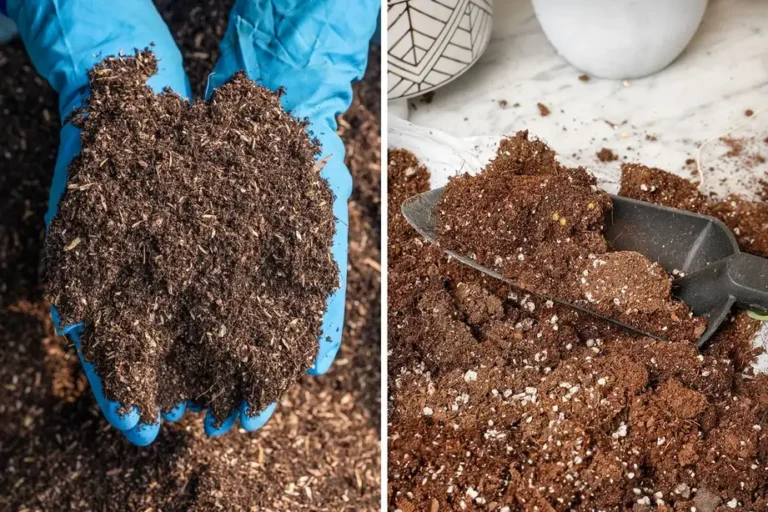
The biggest difference is the job each product is designed to do. A conditioner is an amendment, meaning you mix it into soil that’s already there; potting mix is the main growing material in a container.
| Feature | Soil conditioner | Potting mix |
|---|---|---|
| Main job | Improve existing soil | Support plants in containers |
| Typical use | Garden beds and some raised beds | Pots, planters, and containers |
| Common contents | Compost, aged bark, or other organic matter | Peat or coir, bark, perlite, or similar ingredients |
| Used by itself? | Usually no, unless the label says otherwise | Usually yes, for the plants listed on the bag |
| Key concern | Too much can change soil balance or texture | Wrong mix can hold too much or too little water |
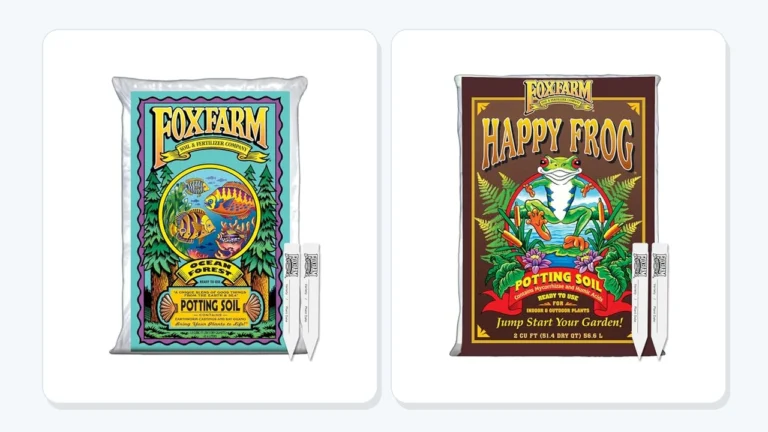
Potting mix is often called potting soil, though many mixes don’t contain field soil. The label matters more than the casual name, and a mix’s ingredients can tell you whether it’s suited to a particular plant or container.
If you’re also sorting out why bags labeled “soil” and “mix” differ, potting mix versus potting soil is a useful distinction. In containers, a lightweight mix is often made to keep air spaces open around roots, while garden soil can compact when packed into a pot.
So, what if both bags say they improve soil? Check the intended use, ingredients, and directions rather than relying on a broad claim on the front. Products can share ingredients and still behave differently because of their proportions and intended setting.
For a garden bed, work conditioner into the existing soil as the label directs, then plant into the amended bed. For a container, fill it with a mix made for pots; don’t treat an amendment as a full replacement unless its label clearly says it’s suitable as a growing medium.
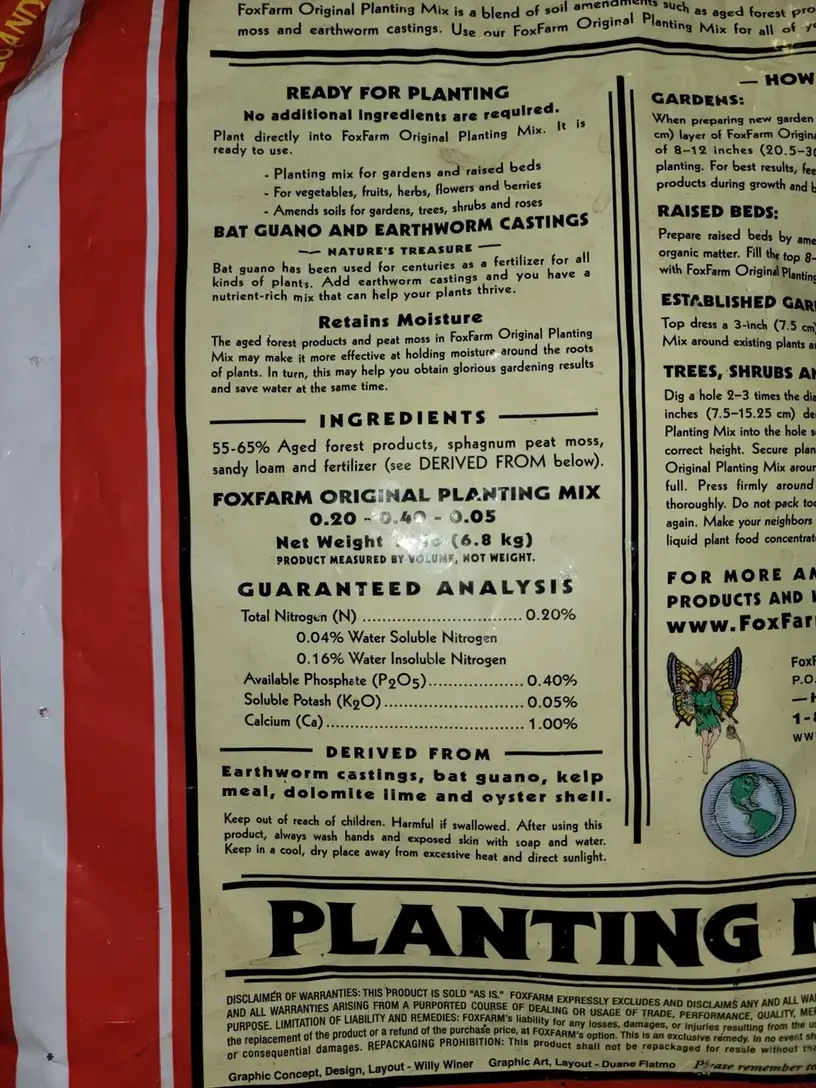
The names won’t tell you everything. A bag of compost may be sold as a conditioner, while another product may combine compost with ingredients meant to create a container mix.
- Use conditioner to improve existing ground, not as a default pot filler.
- Use potting mix as the main growing medium in most containers.
- Read the label because products with similar ingredients may have different intended uses.
How to Choose and Use Each Material
Match the product to the place your plant will grow, then follow the bag’s directions for how much to use. Garden beds already contain soil to amend; containers need a material that can hold roots while letting excess water drain.
Start with where you’re planting:
- For in-ground beds, check the existing soil’s texture and condition. Use a conditioner that suits the problem and follow the label’s application rate.
- For containers, choose a potting mix labeled for the type of plant or general container use.
- For raised beds, read the product directions and the bed’s planting plan. A raised bed may contain a mix of materials, so don’t assume a conditioner alone is a complete fill.
- For specialty plants, choose a mix suited to their needs. Seed-starting mix, cactus mix, and orchid mix can differ from general potting mix.
Think about the container’s job, too. A large pot on a sunny porch may dry faster than a small pot in a cool room, so plant choice, pot size, weather, and watering habits all affect how a mix performs.
When comparing bags, check for ingredient names and directions rather than choosing by color or texture alone. Perlite is a light, porous material often added to mixes; bark and coir can also affect how water moves and how the mix feels.
Does a darker, richer-looking bag always mean better growing conditions? No, color doesn’t tell you whether a product drains well or suits your plant. A mix that works for a leafy houseplant may not be the right pick for a cactus that needs the root zone to dry more quickly.
I once focused on how fluffy a bagged mix felt before I checked what the label said about use. The texture looked right in my hand, but I’d skipped the more useful clue: the product’s intended setting.
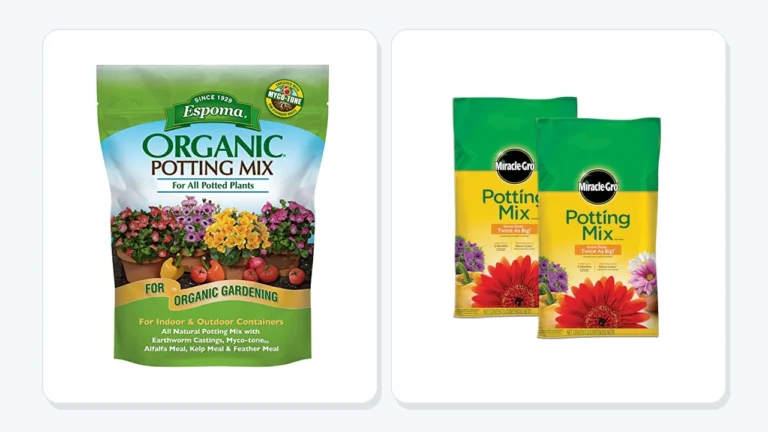
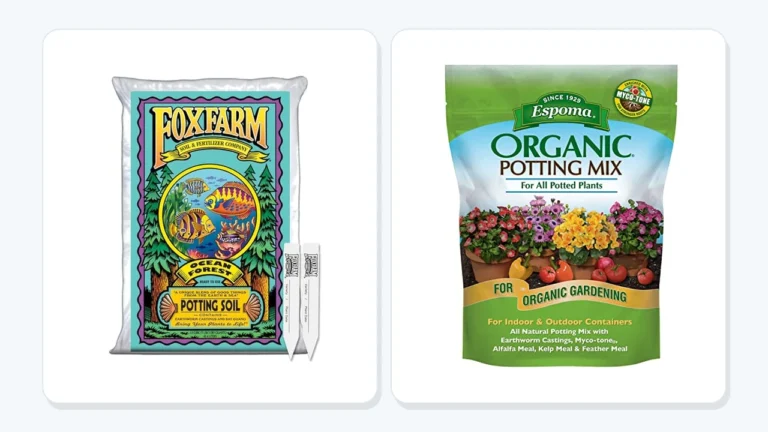
If you’re comparing container options, potting mix choices for healthy growth can help you think through what a plant needs from its growing medium. For an organic option, organic potting mix choices are a starting point, but check the ingredient list and label just as carefully.
Organic doesn’t automatically mean a mix is right for every container or plant. The term describes an approach to ingredients, not a promise that the mix has a particular texture, drainage rate, or nutrient level.
And what about feeding a plant after potting? Potting mix and fertilizer do different jobs: a mix supports roots and water movement, while fertilizer supplies plant nutrients. Some mixes include fertilizer, so check the bag before adding more; too much can stress roots.
For garden beds, a conditioner is usually one part of improving the soil, not a complete planting plan. If you’re unsure what your soil needs, start with the visible problem: heavy, clumpy soil may need a different approach than soil that drains quickly and dries out.
A container needs drainage holes as well as an appropriate mix. Without holes, excess water can collect at the bottom even if the bag says “well-draining,” leaving roots sitting in soggy conditions.
Pro Tip: Write the product name and planting date on a small label near the pot. If watering or plant growth becomes a puzzle later, you’ll know what went into the container.
Mistakes, Safety, and Troubleshooting
Most problems come from using a product in the wrong setting, applying too much, or expecting the bag to solve a separate issue. A little label-checking and a close look at your plant’s growing conditions can prevent a lot of frustration.
One common mistake is filling a container with conditioner alone. A product intended to amend garden soil may settle, hold water differently, or lack the structure needed for container roots; if you’re asking whether conditioner can replace potting soil, the safe answer is to follow the label and not assume it can.
Another misstep is adding more conditioner without knowing what the bed needs. Organic matter can help improve soil, but the right amount depends on the product and existing ground. Follow the rate on the bag rather than piling on a thick layer because the soil looks tired.
Watch for these signs and likely next steps:
| What you notice | Possible reason | What to check |
|---|---|---|
| Water sits on top of a container | Mix is compacted, dry and resistant to wetting, or the pot lacks drainage | Check drainage holes and the mix’s condition |
| Potting mix dries very quickly | Small container, warm conditions, or a mix that holds little water | Check pot size and watering frequency |
| Plant wilts in wet soil | Roots may be short of air or affected by excess moisture | Check the drainage holes and watering routine |
| Garden soil stays clumpy | The soil may need a suitable amendment or a different management approach | Check the conditioner’s directions and soil condition |
Don’t assume that wilting means a plant needs more water. If the soil feels wet, more water can make the root zone harder to recover; check moisture before reaching for the watering can.
Bagged products can also be dusty. Avoid breathing in dust when handling dry materials, work in a spot with good airflow, and follow any handling or protective-gear directions printed on the bag. Keep products away from children and pets, and don’t use a product on edible crops unless the label allows that use.
For plant-specific container recommendations, start with a mix labeled for the plant you’re growing. soil for potted plants can vary because a cactus, an orchid, and a leafy houseplant don’t all need the same balance of air and moisture.
If a plant is struggling after repotting, check the simple things first: drainage holes, soil moisture, light, and whether the mix suits the plant. Changing the whole setup at once makes it harder to tell what helped, so adjust one problem at a time.
Important Tip: Don’t mix fertilizer into a container just because the plant looks pale. Check the potting mix label and the plant’s watering and light conditions first, since stress can look a lot like a nutrient problem.
FAQs About Soil Conditioner vs Potting Mix
Can I use soil conditioner in a pot?
Usually, soil conditioner shouldn’t be the only material in a pot unless the label says it’s suitable as a growing medium. Conditioners are commonly intended to amend existing soil, while container plants need a medium suited to pots. Use a labeled potting mix if you’re unsure.
Is potting mix the same as potting soil?
Not always. Potting mix often contains lightweight ingredients such as coir, bark, or perlite, and may contain little or no field soil. “Potting soil” is a broad label, so check the ingredients and directions to learn what’s actually in the bag.
Can I mix soil conditioner with potting mix?
A gardener can combine materials only when the product labels and plant needs support that use. A conditioner meant for garden beds may change a potting mix’s texture or water behavior. For a container, use a potting mix suited to the plant unless its label recommends an amendment.
Does potting mix contain fertilizer?
Some potting mixes include fertilizer, and others don’t. Check the bag for the ingredients, feeding directions, and how long any included nutrients are intended to last. Adding fertilizer without checking can give a plant more than it needs, especially after fresh repotting.
Should I use soil conditioner for a raised bed?
It depends on what the raised bed already contains and what the conditioner’s label allows. A conditioner is generally an amendment, not automatically a complete planting medium. Check the bed’s existing material and product directions before deciding whether it belongs in the mix.
Choose the Material That Fits the Planting Spot
The easiest way to choose is to start with the planting spot, not the bag’s appearance. A garden bed has soil that may need amending; a container needs a suitable potting mix that can support roots and manage water.
I’d choose a product with clear directions over one with a more impressive-sounding label. That small habit makes it easier to avoid compacted pots, excess water, and unnecessary amendments.
If you’re planting in a pot today, pick a mix labeled for containers and your plant type, then confirm the pot has drainage holes. If you’re working on a bed, check the existing soil and use conditioner only as directed. That’s a straightforward start, and your plants will have a better shot at settling in.

I’m Maya L. Greenwood, a lifelong plant lover who believes anyone can grow something beautiful with the right guidance. After years of testing soil mixes, pruning methods, irrigation tricks, and pest-safe solutions, I started EasyGardenTips.com to turn hard-won lessons into step-by-step advice. From seed starting and container gardens to composting and seasonal checklists, my goal is to make gardening simple, sustainable, and fun.