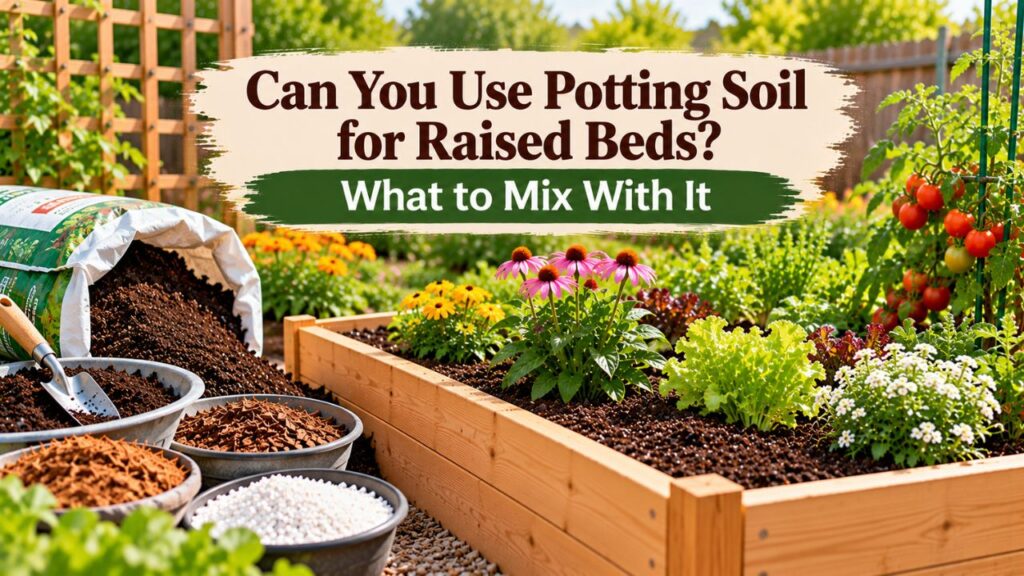
Can You Use Potting Soil for Raised Beds? What to Mix With It
Yes, you can use potting soil for raised beds, but it generally isn’t the best choice for filling a traditional open-bottom raised bed by itself. Most commercial potting soils are lightweight, soilless growing mixtures designed for containers. They provide good aeration but may dry out quickly, require additional nutrients, and settle over time when used in large outdoor garden beds.
The best approach depends on the raised bed’s design. For beds installed directly over garden ground, a mixture of quality topsoil and finished compost usually provides a more stable growing environment. For raised planters on concrete or other hard surfaces, a soilless potting mix combined with compost can be appropriate.
The ingredients inside the bag also matter. Some potting soils contain peat moss, coconut coir, perlite, and fertilizer, while others include compost or additional organic materials.
Understanding these differences helps prevent unnecessary spending, excessive watering, and problems with soil structure.
This guide explains when potting soil works in raised beds, which mixtures are suitable, how to combine different growing materials, and how to avoid common soil-related problems.
Can You Use Potting Soil for Raised Beds Without Mixing It?
You can grow plants in a raised bed filled entirely with potting soil, provided the product is suitable for the plants and the bed has adequate drainage. However, using only potting soil is generally less practical for a large, permanent, open-bottom garden bed.
The main concern is that potting soil is designed for a different growing environment.
Container plants depend on a relatively small amount of growing medium. Potting mixes are therefore formulated to provide a balance of air spaces, moisture retention, and drainage inside enclosed containers.
A conventional raised bed has different conditions. It is exposed to rainfall, changing temperatures, and repeated wetting and drying cycles. Its growing medium also needs to remain suitable for multiple planting seasons.
According to the University of Minnesota Extension’s raised-bed gardening recommendations, potting soil can dry out too quickly in raised beds. The guidance favors a mixture containing approximately one-half to two-thirds topsoil and one-third to one-half plant-based compost.
That doesn’t mean potting soil will immediately harm your vegetables. Plants can grow in suitable potting mixes, but moisture management, nutrient supply, material breakdown, and long-term cost may require more attention.
Key Takeaway: Use a topsoil-based mixture for most open-bottom raised beds. Reserve lightweight soilless mixes for situations where their container-growing properties are genuinely useful.
What Is the Difference Between Potting Soil and Raised Bed Soil?
Potting soil and raised-bed soil are both used to support plant growth, but their ingredients and intended growing conditions can differ considerably.
The term potting soil can be misleading because many products sold under that name contain little or no actual mineral soil.
Potting Soil Ingredients and Their Functions
Most commercial potting mixes contain combinations of the following materials:
- Peat moss: Holds moisture and contributes a lightweight growing structure.
- Coconut coir: A plant-based fiber that helps retain moisture and maintain air spaces.
- Perlite: Lightweight expanded volcanic glass that helps improve aeration.
- Vermiculite: A mineral material that holds moisture and some nutrients.
- Aged pine bark: Adds structure and creates spaces for air and water movement.
- Compost: Supplies organic matter and may contribute plant nutrients.
- Fertilizer: Some products contain added nutrients for initial plant growth.
Not every potting soil contains all these ingredients.
A mixture based largely on peat, coir, and bark behaves differently from a mineral garden soil, particularly when exposed to outdoor weather for extended periods.
Potting Soil vs. Raised Bed Soil vs. Garden Soil
| Growing material | Typical composition | Best application |
| Potting soil | Peat or coir, bark, perlite, sometimes compost and fertilizer | Pots, planters, and some contained raised beds |
| Raised-bed soil | Mineral soil, compost, and sometimes other organic materials | Raised garden beds |
| Garden topsoil | Sand, silt, clay, and naturally occurring organic matter | Ground-level gardens and raised-bed mixtures |
| Finished compost | Decomposed plant and other organic materials | Improving soil structure and organic matter |
These descriptions are general because product labeling is not standardized across all manufacturers.
Some bagged raised-bed soils are mostly organic growing media rather than mineral topsoil. Likewise, certain products labeled potting soil may contain ingredients not usually associated with conventional soilless mixes.
Always check the ingredient list rather than relying only on the product name.
When Is Potting Soil Suitable for Raised Garden Beds?
Potting soil can be useful in raised beds when the growing conditions resemble those of containers or when it serves as one component of a larger soil mixture.
The most appropriate use depends on the bed’s bottom, depth, and existing soil.
Raised Beds With Enclosed Bottoms
A raised bed with a solid or contained bottom functions more like a large planter than a conventional garden bed.
Plant roots cannot extend into the ground underneath, so the growing medium must supply their entire rooting environment.
A lightweight soilless potting mix can be useful because it generally provides better aeration than dense garden soil inside a container.
However, the structure still needs adequate drainage openings.
If the mixture contains little compost or fertilizer, additional nutrients may be necessary as plants grow.
For larger enclosed planters, using a growing medium formulated for outdoor container gardening is generally more practical than using a basic seed-starting mix.
Raised Beds Installed on Concrete or Pavement
Potting mix can also be suitable for raised beds installed on hard surfaces.
In this situation, roots cannot access the soil below the structure. The bed must therefore provide sufficient growing depth, drainage, and moisture retention.
The University of Maryland Extension’s guidance on growing vegetables in raised beds recommends a mixture of equal parts finished compost and soilless growing medium for raised beds on hard surfaces.
It also advises that topsoil can make up as much as 20% of the mixture in beds at least 16 inches deep.
This approach differs from the topsoil-based mixtures commonly used in open-bottom beds.
For hard-surface raised beds, the depth should also suit the crop. Leafy greens can grow with less rooting depth than larger plants such as tomatoes and peppers.
Improving an Existing Raised Bed
Potting soil can sometimes be added to an existing raised bed when the growing medium needs additional volume or organic material.
For example, if you have a small quantity of unused potting mix left after planting containers, it can be incorporated into a suitable mineral-soil-based raised bed.
Distribute it evenly rather than leaving a thick, separate layer.
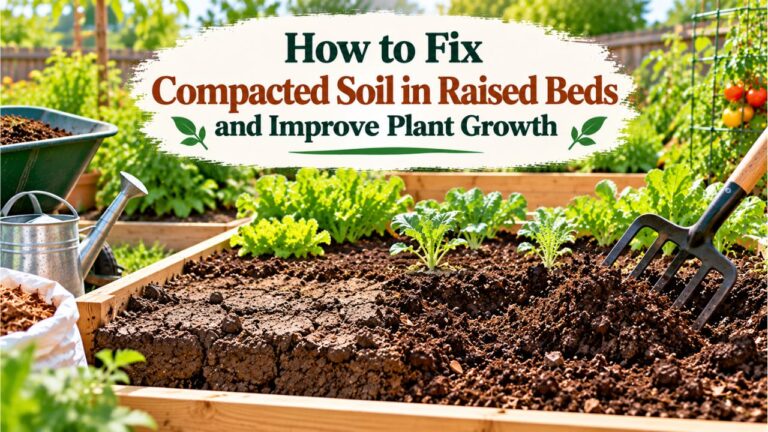
However, potting soil is not a universal solution for compacted soil. Adding lightweight organic ingredients may temporarily alter the texture without correcting underlying drainage or structural problems.
If the existing soil is already rich in organic matter, more potting mix may offer little benefit.
What Should You Mix With Potting Soil for Raised Beds?
The materials you combine with potting soil should depend on whether the raised bed is open to the ground or functions as a large container.
There is no single potting-soil ratio that works best for every raised garden bed.
Best Mixture for Open-Bottom Raised Beds
For an ordinary raised bed installed over suitable garden ground, a practical starting mixture is:
- Approximately 67% quality topsoil
- Approximately 33% finished compost
This is equivalent to two parts topsoil and one part compost.
Topsoil supplies mineral particles that help maintain a more stable growing medium. Finished compost adds organic matter and can improve soil structure.
If you also want to use leftover potting soil, incorporate a modest quantity into the prepared mixture rather than automatically replacing most of the mineral soil.
The appropriate amount depends on the potting mix’s ingredients, the existing soil’s texture, and its organic matter content.
For example, a raised bed already containing substantial compost may not benefit from adding more peat-based or compost-rich material.
Important: Avoid adding large amounts of compost without considering existing nutrient levels. Excess compost can contribute to elevated phosphorus concentrations and other nutrient imbalances.
Best Mixture for Raised Beds on Hard Surfaces
For a raised planter on concrete, a suitable starting mixture is:
- 50% finished compost
- 50% soilless growing medium
This is consistent with the University of Maryland Extension guidance referenced earlier.
A soilless mix containing peat or coir, aged bark, and aeration materials can provide the physical structure needed for container-style growing.
The finished compost contributes organic matter and some nutrients.
Check the compost’s quality and the potting mix’s fertilizer content before making further additions.
This mixture requires consistent moisture monitoring because plants cannot draw water from native soil underneath the bed.
Can You Mix Potting Soil With Regular Garden Soil?
Yes, potting soil can be mixed with suitable garden soil, particularly when preparing an open-bottom raised bed.
However, the quality of the garden soil matters more than simply adding lightweight material.
If the native soil is loose, well-draining, and reasonably fertile, it may already provide a useful foundation.
If the soil contains excessive clay or becomes waterlogged, adding a little potting soil will not necessarily correct the problem.
Assess the soil’s texture and drainage before deciding how much amendment to incorporate.
Avoid using potentially contaminated soil in vegetable beds. When the property’s history is uncertain, laboratory testing can help identify concerns before food crops are planted.
How to Use Potting Soil in a Raised Bed
If you already have potting soil available, incorporating it appropriately can reduce waste while helping create a suitable growing medium.
The process depends on the amount of potting soil, the raised bed’s existing contents, and the intended crops.
Step 1: Check the Potting Soil Ingredients
Read the packaging before adding the material.
Look for ingredients such as peat moss, coconut coir, bark, compost, perlite, and fertilizer.
Also check whether the product contains moisture-control additives or slow-release fertilizers.
These ingredients can affect watering and nutrient management.
For edible crops, choose a growing medium labeled as appropriate for vegetables or general edible gardening.
Step 2: Examine the Existing Raised-Bed Soil
Before adding potting soil, check the condition of the growing medium already inside the bed.
Take a handful of moist soil and gently squeeze it.
Healthy garden soil typically holds together loosely but breaks apart with light pressure.
If it forms a dense, sticky mass, it may contain excessive clay or be overly wet.
If it falls apart immediately and dries very quickly, it may contain a high proportion of coarse materials or lack adequate moisture retention.
This simple observation does not replace laboratory soil testing, but it helps identify obvious texture and moisture problems.
Step 3: Choose an Appropriate Soil Mixture
For an open-bottom raised bed, use suitable topsoil and finished compost as the main materials.
Add existing potting mix only when its composition complements the growing medium.
For a raised bed on concrete or another hard surface, use a well-draining soilless mixture combined with finished compost.
Avoid automatically adding extra fertilizer until you know what nutrients are already present.
Step 4: Mix the Materials Evenly
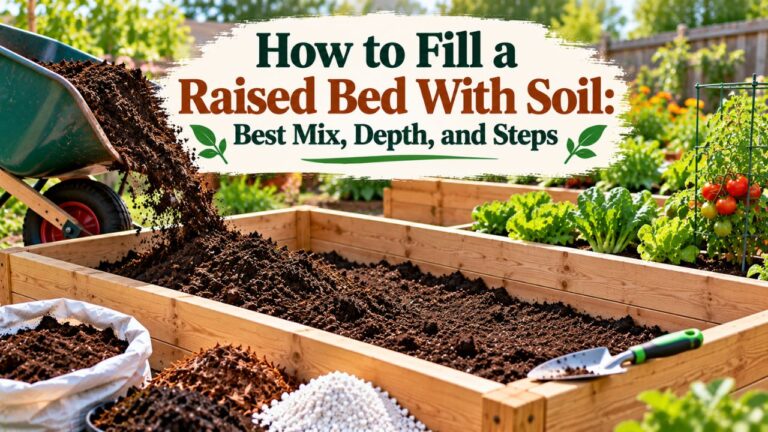
Spread the selected materials over the raised bed in manageable portions.
Use a garden fork or shovel to distribute them throughout the intended growing layer.
Break apart compacted clumps and remove large pieces of unwanted debris.
Avoid creating sharply separated layers of potting mix and dense topsoil.
Abrupt changes in soil texture can affect how moisture moves through the growing medium.
For an established bed, work carefully around existing roots rather than aggressively disturbing the entire planting area.
Step 5: Water the Soil Thoroughly
After mixing, water the raised bed slowly.
Some peat-based potting mixtures are difficult to wet evenly after becoming extremely dry.
If water runs across the surface without soaking in, apply it gradually in several passes.
Allow the first application to penetrate before adding more.
The goal is to moisten the root zone without producing prolonged standing water.
Step 6: Check Settling Before Planting
Lightweight growing materials can settle after watering.
Check the soil level and add more suitable growing medium if necessary.
Leave approximately 1–2 inches between the soil surface and the top of the bed to allow room for irrigation and mulch.
Avoid compressing the mixture firmly to prevent settling.
Planting can begin once the soil is properly prepared, evenly moist, and suitable for the chosen crops.
Problems With Filling a Raised Bed Entirely With Potting Soil
Using only potting soil is possible, but several practical limitations become more noticeable in larger outdoor raised beds.
Potting Soil May Dry Out Too Quickly
Potting mixes are formulated to balance moisture and air movement in containers.
In large raised beds exposed to sun and wind, some mixtures lose moisture quickly, particularly when they contain substantial amounts of coarse bark or other lightweight materials.
Peat-based mixtures can also become difficult to rewet after drying excessively.
The problem is often more noticeable during hot weather.
To manage moisture:
- Check the growing medium below the surface rather than judging only the top layer.
- Water slowly enough to wet the root zone.
- Use an appropriate layer of organic mulch around established plants.
- Consider drip irrigation for beds that dry quickly.
Avoid watering on a fixed schedule without checking soil moisture.
Potting Soil May Not Supply Enough Nutrients
Many soilless potting mixes contain little naturally available plant nutrition.
Some products include starter fertilizers or compost, while others require supplemental feeding.
This difference becomes important when growing nutrient-demanding vegetables such as tomatoes, peppers, and squash.
Check the fertilizer information on the package.
If the growing medium has been used for a season, a suitable soil or growing-media test can help determine whether additional nutrients are needed.
Adding fertilizer without assessing the existing nutrient supply may create unnecessary salt buildup or nutrient imbalances.
Organic Ingredients Can Decompose and Settle
Potting mixes often contain bark, peat, compost, and other organic materials.
As these materials break down, the volume and physical structure of the growing medium can change.
A raised bed filled primarily with organic potting mix may lose noticeable height over time.
This can require additional material before the next growing season.
A suitable mineral-soil component generally provides a more persistent foundation for permanent open-bottom raised beds.
Filling Large Beds With Potting Soil Can Be Expensive
Bagged potting soil is convenient for small containers but can become costly when used in large quantities.
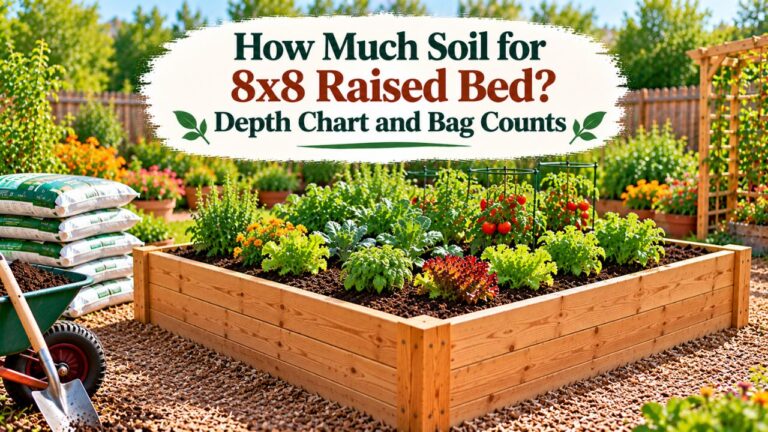
Consider a raised bed measuring 4 feet wide, 8 feet long, and 12 inches deep.
The volume calculation is:
4 × 8 × 1 = 32 cubic feet
That requires sixteen bags containing 2 cubic feet each.
For several raised beds, purchasing quality topsoil and compost in bulk may be substantially more economical, depending on local prices and delivery charges.
Is Potting Soil or Raised Bed Soil Better for Vegetables?
For a conventional open-bottom vegetable bed, a well-prepared raised-bed mixture containing mineral soil and compost is generally the more practical long-term choice.
For an elevated planter with an enclosed, draining base, an appropriate soilless growing medium may be preferable.
The vegetables themselves do not require a product with a particular marketing label. They need a growing environment that provides oxygen, moisture, nutrients, and enough space for roots.
Choosing Soil for Common Raised-Bed Vegetables
| Vegetable | Recommended approach | Main consideration |
| Lettuce and spinach | Suitable raised-bed mix or compost-soilless mix | Consistent moisture |
| Carrots | Loose, stone-free growing medium | Adequate root depth |
| Tomatoes | Deep, balanced growing medium | Root space, moisture, and nutrients |
| Peppers | Well-draining, fertile mixture | Avoiding waterlogged roots |
| Radishes | Fine-textured, loose soil | Even moisture and low compaction |
| Bush beans | Well-drained growing medium | Adequate aeration |
Both mineral-soil-based and soilless systems can support these crops when properly managed.
The distinction is in how each growing medium stores moisture, supplies nutrients, and behaves over time.
Keep in Mind: Potting soil isn’t automatically unsuitable for vegetables. Its effectiveness depends on the ingredients, bed design, watering practices, and nutrient management.
Can You Reuse Old Potting Soil in Raised Beds?
Old potting soil can sometimes be reused in a raised bed, but inspect it carefully before adding it to your garden.
Previously used potting mix may have lost nutrients or changed structure through decomposition.
It may also contain pests, weed seeds, fertilizer salts, or disease-causing organisms, depending on how it was used.
When Reusing Potting Soil Is Reasonable
Reuse may be appropriate when the material:
- Came from healthy plants without significant disease problems.
- Has no signs of persistent pest infestation.
- Does not contain unwanted chemical residues.
- Has a reasonable texture and no unusual odor.
- Can be incorporated into a suitable existing growing medium.
Remove old roots and plant debris before mixing the material into the bed.
If the potting soil has become extremely dry, moisten it gradually before use.
Do not assume the old fertilizer charge will support another full growing season.
When You Should Avoid Reusing It
Avoid transferring potting soil from containers that experienced serious soilborne disease problems.
Also avoid material contaminated with herbicides, unknown chemicals, or excessive fertilizer salts.
If its origin or condition is uncertain, using fresh, suitable growing materials is a safer choice for vegetable production.
Reusing healthy potting mix can reduce waste, but it should not replace the need for appropriate soil structure and nutrient management.
How to Maintain a Raised Bed Containing Potting Soil
A raised bed containing a substantial amount of potting mix may need different maintenance from one filled primarily with mineral soil.
The main priorities are moisture, nutrient availability, and physical structure.
Monitor Moisture More Frequently
Check soil moisture regularly during warm or windy weather.
Insert a finger a few inches into the growing medium near the plants.
If the active root zone is becoming dry, water slowly and thoroughly.
A mulch layer can help reduce moisture loss, although its thickness should suit the crops and stage of growth.
Avoid keeping the soil constantly saturated. Roots need both moisture and oxygen.
Check Nutrients Before Adding Fertilizer
Different potting soil products contain different amounts and types of nutrients.
A newly purchased mix with added fertilizer may initially need little supplemental feeding.
Older or unfertilized growing media may require additional nutrients.
Follow crop-specific fertilizer recommendations and use soil testing where appropriate.
Do not add large amounts of compost or fertilizer simply because the bed contains potting mix.
Replace Lost Soil Volume When Necessary
Check the bed’s soil level before each growing season.
If the surface has dropped, add a suitable growing medium to restore the intended depth.
For an open-bottom raised bed, consider whether a topsoil-based mixture would provide a more stable long-term structure than repeatedly adding lightweight potting soil.
For enclosed planters, maintain a growing medium appropriate for container conditions.
Avoid heavy foot traffic inside the bed so the mixture remains loose and well-aerated.
Conclusion
The answer to can you use potting soil for raised beds is yes, but the most suitable approach depends on the type of bed and how the growing medium will be managed.
Potting soil can support vegetables and flowers, especially in raised planters that function like large containers. However, filling a permanent open-bottom raised bed entirely with lightweight potting mix is generally less practical because of moisture management, settling, nutrient requirements, and cost.
For beds resting on garden ground, a mixture of quality topsoil and finished compost is a dependable starting point. For beds on concrete or with enclosed bottoms, a suitable soilless growing mix combined with compost can work well when drainage is adequate.
Choose the growing medium based on the bed’s design and the plants’ needs rather than relying on the product name alone.
FAQs About Can You Use Potting Soil for Raised Beds
Can I Mix Potting Soil With Raised Bed Soil?
Yes, potting soil can be mixed with raised-bed soil when the ingredients are compatible and the resulting growing medium provides suitable moisture retention and drainage.
For open-bottom beds, retain an appropriate mineral-soil component rather than replacing most of the mixture with lightweight potting media.
Can I Use Miracle-Gro Potting Mix in Raised Beds?
You can use an appropriate Miracle-Gro potting mix in a raised bed, particularly one functioning as a large planter.
However, product formulations vary, and a potting mix designed for containers is not automatically the most suitable material for filling a permanent open-bottom bed.
Check the product label for intended uses, ingredients, and fertilizer content.
Can You Grow Tomatoes in a Raised Bed Filled With Potting Soil?
Yes, tomatoes can grow in a suitable potting mix if the bed provides enough rooting space, drainage, moisture, and nutrients.
However, a large bed filled entirely with lightweight potting mix may need frequent moisture checks and additional feeding.
For a conventional open-bottom raised bed, a balanced topsoil-and-compost mixture is usually more practical.
Can You Use Potting Soil Instead of Topsoil in Raised Beds?
Potting soil can replace topsoil in some enclosed or hard-surface raised planters, but it isn’t generally the preferred substitute in large open-bottom beds.
Mineral topsoil provides a more stable long-term foundation, while soilless potting media are formulated primarily for container conditions.
The correct choice depends on the raised bed’s design.
Should I Add Compost to Potting Soil for a Raised Bed?
Compost can be beneficial, particularly when using a basic soilless growing medium without much organic nutrient content.
However, some commercial potting soils already contain compost and fertilizer.
Check the ingredients before adding more, since excessive compost can contribute to moisture and nutrient-management problems.
Will Potting Soil Drain Well in a Raised Bed?
Many potting mixes drain well because they contain ingredients such as perlite, bark, or other materials that maintain air spaces.
However, drainage also depends on the bed’s construction and the surface underneath.
A poorly drained or sealed raised bed can retain excess water even when filled with a lightweight growing medium.
Can I Use Potting Soil for a Raised Bed Every Year?
You can continue using a suitable potting-soil-based growing medium in a raised planter, provided you maintain its structure, moisture, and nutrient supply.
Over time, organic ingredients may decompose and the soil level may decrease.
For permanent open-bottom raised beds, incorporating quality mineral soil generally provides a more stable long-term growing environment.

I’m Maya L. Greenwood, a lifelong plant lover who believes anyone can grow something beautiful with the right guidance. After years of testing soil mixes, pruning methods, irrigation tricks, and pest-safe solutions, I started EasyGardenTips.com to turn hard-won lessons into step-by-step advice. From seed starting and container gardens to composting and seasonal checklists, my goal is to make gardening simple, sustainable, and fun.