5 Best Self Propelled Lawn Mower for Tall Grass: Buying Guide
Finding the best self propelled lawn mower for tall grass means looking beyond engine size or a wide cutting deck. Thick, overgrown turf demands traction, adjustable cutting height, dependable power, and a mowing system that does not bog down when conditions become difficult.
My first choice is SENIX 201cc 22″ 3-in-1 Variable Speed Self Propelled Gas Lawn Mower. It stands at the top of this 5-product list because it offers the strongest overall fit for the buying priorities covered below.
Greenworks 80V 21in Self-Propelled Lawn Mower 4.0 Ah Battery is my second choice and the strongest cordless alternative for buyers who want substantial cutting power without gas or routine engine starting. It offers rear-wheel drive, variable speed, a brushless motor, and a battery rated for up to one-half acre under stated conditions.
My third choice is EGO Power+ 21″ Cordless Electric Lawn Mower Kit. It rounds out my top three with a useful alternative for buyers whose priorities differ from the first two choices.
This guide compares all five recommended mowers by power source, traction, cutting flexibility, runtime, and ownership demands. You will also find practical advice for choosing a mower, handling tall grass safely, setting the deck correctly, maintaining gas and cordless models, and avoiding common buying mistakes.
.amz-product-card:hover{transform:translateY(-3px)!important;box-shadow:0 10px 26px rgba(20,70,110,.12)!important;border-color:#bdd7ea!important;}
Best Self Propelled Lawn Mower for Tall Grass
I selected these models for their direct usefulness in demanding mowing conditions, including strong power systems, self-propelled traction, high cutting adjustments, and broad cutting decks. I also considered available customer-feedback evidence, practical ownership features, and brand diversity so the list includes both gas and cordless options without claiming hands-on testing.
| # | Image | Product | Price on Amazon |
|---|---|---|---|
| 1 |  |
SENIX 201cc 22″ 3-in-1 Variable Speed Self Propelled Gas Lawn Mower | Check Price |
| 2 | 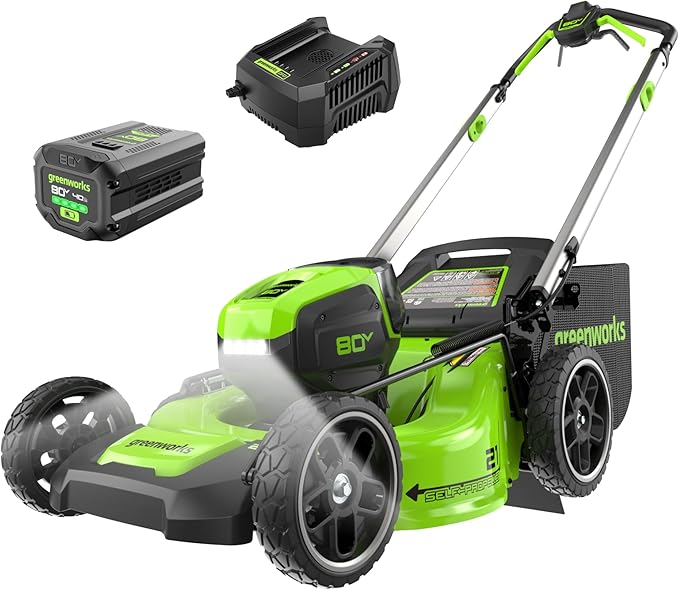 |
Greenworks 80V 21in Self-Propelled Lawn Mower | Check Price |
| 3 |  |
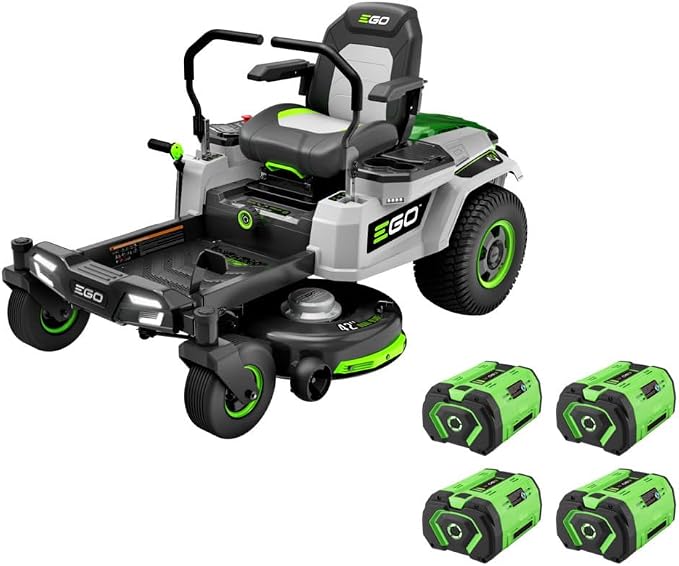
EGO Power+ 21″ Cordless Electric Lawn Mower Kit | Check Price |
| 4 |  |
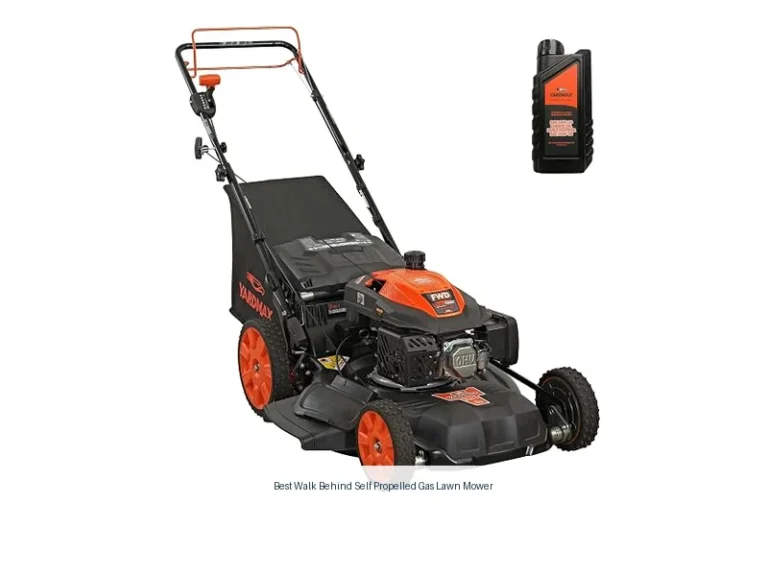
YARDMAX 22 In. 201cc Select PACE 6 Speed CVT High Wheel FWD | Check Price |
| 5 |  |
PowerSmart 22-Inch 170cc Self Propelled Gas Lawn Mower | Check Price |
SENIX 201cc 22″ 3-in-1 Variable Speed Self Propelled Gas Lawn Mower
The SENIX stands out as the most balanced option in this group for lawns where tall, dense grass is a recurring problem. Its 201cc four-cycle OHV engine supplies the kind of gas-powered output many buyers prefer when grass has become thick or mowing has been delayed. A 22-inch steel deck also covers more ground per pass than a typical 20-inch mower, which can reduce the number of rows needed on a larger property.
Rear-wheel drive and 11-inch rear wheels are meaningful advantages on uneven ground. The larger wheels can help the mower roll over rougher areas, while rear drive generally gives better traction when the mower is climbing or the grass is resisting forward movement. Variable self-propelled speed lets the operator choose a pace that matches the conditions rather than being forced to walk at one fixed speed.
The six-position height adjustment spans 1.25 to 4 inches. That upper setting is particularly useful when bringing back an overgrown lawn because removing too much grass in one pass can stress the turf and overload the mower. Bagging, mulching, and side discharge provide flexibility, although the best choice depends on how long and damp the clippings are.
Pros
- 201cc OHV engine provides strong gas-powered cutting capability.
- 22-inch steel deck and 11-inch rear wheels suit larger, uneven lawns.
- Rear-wheel drive and variable speed improve control on demanding terrain.
- Three cutting modes and a 4-inch maximum height add versatility.
Cons
- Gas ownership requires fuel and routine engine maintenance.
- The larger deck may feel less nimble in narrow spaces.
My Opinion
This is the most complete match for buyers who regularly face tall grass, slopes, or uneven ground and do not mind gas-powered ownership. The SENIX is my top overall pick because its power, traction, deck size, and height range work together instead of relying on one standout specification.
Greenworks 80V 21in Self-Propelled Lawn Mower
Greenworks gives cordless buyers a notably capable alternative to gas. Its 80V platform and brushless motor are intended to provide high torque while keeping operation quieter than a gas mower. That combination is appealing for suburban neighborhoods, early morning mowing, or anyone who wants to avoid fuel, oil, and engine-starting routines.
The 21-inch steel deck is slightly narrower than the SENIX deck but remains a useful size for medium and larger lawns. Rear-wheel drive and variable speed help the operator maintain traction and adjust the pace around trees, borders, and uneven sections. The mower is rated to cut up to one-half acre on a fully charged 4.0Ah battery, although the supplied information appropriately notes that grass conditions and operator technique affect that figure.
An LED headlight adds practical flexibility for early or late mowing. The included battery and charger make this a complete kit rather than a bare tool, and the four-year limited warranty applies to both the tool and battery. Buyers already using Greenworks 80V equipment may get additional value because the battery works with more than 75 tools in that platform. The main limitation is planning around charge availability when tall, wet, or especially dense grass consumes more energy.
Pros
- 80V brushless system offers strong cordless performance and quiet operation.
- Rear-wheel drive and variable speed support control on uneven lawns.
- Battery and charger are included, with a stated four-year limited warranty.
- Battery compatibility extends across the Greenworks 80V tool range.
Cons
- Actual mowing coverage can decrease in difficult grass conditions.
- Battery charging becomes important for larger or repeatedly overgrown lawns.
My Opinion
This is my preferred cordless choice for buyers who want substantial power and a quieter mowing experience. It makes the most sense for a property within its practical battery range or for households already invested in Greenworks 80V tools.
EGO Power+ 21″ Cordless Electric Lawn Mower Kit
The EGO LM2114SP takes a different cordless approach, pairing a high-efficiency brushless motor with a 56V 6.0Ah ARC Lithium battery. Its stated cutting torque of up to 6.0 ft-lbs gives this model a strong position for thick grass, while the battery is rated for up to 50 minutes of operation on a charge. Runtime will naturally vary with grass height, moisture, slope, and how heavily the self-propel function is used.
Seven cutting-height positions from 1.25 to 4 inches make it easier to adapt the mower to seasonal conditions. Raising the deck first is important when tackling tall growth; after the lawn is under control, the height can be reduced gradually rather than forcing the mower to remove too much material at once.
The dual-toggle handleset is a useful ergonomic detail. Either hand can engage the self-propel system, which may feel more natural when turning or switching grip. Push-button starting eliminates the pull-start routine associated with gas equipment, and the three-in-one setup supports mulching, bagging, or side discharge. While the EGO offers a convenient and low-vibration ownership experience, buyers with very large or persistently overgrown lawns should consider whether a 50-minute maximum runtime is sufficient without a charging break.
Pros
- Up to 6.0 ft-lbs of stated cutting torque suits demanding grass.
- Included 56V 6.0Ah battery provides up to 50 minutes of stated runtime.
- Seven height settings reach 4 inches for a cautious first pass.
- Dual-toggle controls, push-button start, and three cutting modes improve usability.
Cons
- Runtime can be reduced by tall grass, slopes, and frequent self-propel use.
- Large properties may require charging management or additional battery planning.
My Opinion
The EGO is a well-rounded cordless pick for buyers who value quiet, simple operation but still want meaningful cutting torque. It ranks behind Greenworks mainly because the stated coverage information is less expansive, not because it lacks useful power or adjustment range.
YARDMAX 22 In. 201cc Select PACE 6 Speed CVT High Wheel FWD
YARDMAX focuses on pace control and traction rather than simply adding engine displacement. Its 201cc engine supports the demands of thicker grass, while the six-speed continuously variable transmission lets the operator select a walking speed that feels appropriate for the terrain. That is helpful when a mower moves too quickly at a fixed speed or when slower progress is needed through heavy growth.
The aggressive spiked tread on the rubber tires is aimed at improving grip and maneuverability. This model uses front-wheel drive, unlike the rear-wheel-drive options higher on the list, so buyers should think about how they mow slopes and turns. Front drive can be convenient for lifting the drive wheels slightly during tight turns, but rear drive is often preferred when maximum traction is needed while climbing.
Automatic choke operation simplifies starting by removing the need to prime or manually set a choke. The deck cleanout port also supports easier underside cleaning, which matters because packed clippings can interfere with airflow and cutting performance. A single-lever deck adjustment makes height changes quick, although the supplied data does not state the exact height range. That missing detail is worth confirming before purchase if a high first-pass setting is essential for severely overgrown grass.
Pros
- 201cc engine provides substantial gas-powered capacity.
- Six-speed CVT allows close matching between mower pace and walking speed.
- Spiked tread supports traction and maneuverability.
- Automatic choke and deck cleanout port simplify ownership.
Cons
- Front-wheel drive may be less suitable than rear-wheel drive for some slopes.
- The available data does not specify the full cutting-height range.
My Opinion
YARDMAX is a strong candidate for buyers who care about precise speed control and easy deck cleanup. I would confirm its height range and consider the direction and steepness of the lawn before choosing it for regularly severe overgrowth.
PowerSmart 22-Inch 170cc Self Propelled Gas Lawn Mower
PowerSmart offers a straightforward gas-powered package with a 170cc four-stroke OHV engine, rear-wheel drive, and a 22-inch steel cutting deck. The engine is positioned for thick grass and larger yards, while the wide deck can shorten mowing time by covering a broad strip in each pass. It is a practical format for buyers who want conventional gas power without moving to a more specialized transmission system.
Rear-wheel drive helps reduce pushing effort on slopes and uneven sections. The six-position height adjustment runs from 1.5 to 3.9 inches, giving enough flexibility to leave taller grass during a recovery cut or raise the deck in hot, dry conditions. Since the maximum setting is just under 4 inches, buyers with severely overgrown turf should still plan to mow gradually rather than expecting one aggressive pass to solve everything.
Its three-in-one arrangement supports mulching, rear bagging, and rear discharge. The 60-liter bag can hold more clippings before emptying, which is convenient when collecting heavy growth, though a full bag adds weight and may make maneuvering more tiring. Auto choke and recoil start simplify the starting process, but this remains a gas mower, so fuel storage and seasonal maintenance are part of ownership.
Pros
- 170cc OHV engine and steel deck suit thick grass and larger yards.
- Rear-wheel drive helps on slopes and uneven terrain.
- 22-inch cutting path and 60-liter bag reduce mowing interruptions.
- Three cutting modes and six height positions offer useful flexibility.
Cons
- Recoil starting and gas maintenance are less convenient than cordless operation.
- A full 60-liter bag can add handling weight.
My Opinion
PowerSmart is a sensible value-oriented format for someone who wants a wide deck, rear-wheel drive, and a large collection bag. It is less powerful on paper than the 201cc gas models, but its nearly 4-inch height setting and practical cutting options keep it relevant for ordinary tall-grass cleanup.
How I Selected These Mowers for Tall Grass
The central question was not simply which mower has the largest engine or highest voltage. For the best self propelled lawn mower for tall grass, I looked for a useful combination of cutting power, self-propelled traction, deck width, height adjustment, discharge choices, and ownership practicality. Customer-feedback volume and ratings supplied with the product data helped provide additional context, but they were not treated as proof of identical performance in every lawn.
For overgrown turf, a high cutting setting is just as important as power. The first pass should remove a manageable amount of grass, not force the mower to cut the lawn extremely short in one attempt.
I also included different power systems because the right answer depends on the property and the owner. Gas models can be convenient for long sessions without charging, while cordless models offer push-button starting, less routine engine care, and quieter operation. Within each category, I gave extra attention to traction, speed control, and features that make ownership easier after the mowing is finished.
Battery range is not a fixed promise in difficult grass. Tall, wet growth, slopes, and extended use of the self-propel drive can all reduce the area covered per charge.
How to Choose a Mower for Tall Grass
Choosing the best self propelled lawn mower for tall grass starts with the condition of the lawn, not the advertised power number alone. Think about how often the grass becomes overgrown, whether the property slopes, how much area must be covered, and whether fuel or battery charging better fits your routine.
- Choose a higher cutting range when the lawn is frequently overgrown.
- Favor rear-wheel drive for slopes, uneven ground, and difficult traction.
- Match battery capacity or fuel convenience to the size of the property.
- Use a wide steel deck when faster coverage matters more than tight maneuverability.
- Confirm the cutting-height range before buying for severe overgrowth.
Engine power and cutting torque
Gas engine displacement gives a general indication of capacity, but it does not tell the entire story. The SENIX and YARDMAX both use 201cc engines, while PowerSmart uses a 170cc engine. Cordless models express their capability differently: Greenworks uses an 80V brushless system, and EGO states up to 6.0 ft-lbs of cutting torque. These numbers should be considered alongside deck design, blade condition, grass moisture, and mowing speed.
A mower can struggle even when its power system is capable if the grass is wet, the blade is dull, or the deck is set too low. For an overgrown lawn, take a slower first pass with the deck high. If the mower still bogs down, use side discharge rather than forcing a heavy layer of clippings into a bag or under the deck.
Drive type and speed control
Self-propelled drive reduces the physical effort required to move a mower, but the drive configuration still matters. Rear-wheel drive generally helps when the mower must push forward up a slope or maintain grip across uneven ground. Front-wheel drive can make turning easier because lifting or shifting the front end can disengage traction at the wheels.
Variable speed is especially useful when grass density changes across the yard. The SENIX offers variable speed, Greenworks provides variable speed control, and YARDMAX adds a six-speed CVT. If a mower moves faster than you can safely manage, or if you need to slow down through thick patches, adjustable pace is worth prioritizing.
Deck width and maneuverability
A 22-inch deck can shorten the mowing session by covering more ground per pass, but the extra width may be inconvenient around narrow gates, garden beds, or closely spaced trees. A 21-inch mower remains broad enough for many residential properties and may feel easier to guide through tighter areas. Measure storage openings and access paths before buying rather than assuming every walk-behind mower will fit.
Battery planning versus gas ownership
Cordless mowers avoid gasoline handling and usually start with a button, but the available mowing area depends on charging and grass conditions. Greenworks states up to one-half acre with its fully charged 4.0Ah battery, while EGO states up to 50 minutes with its included 6.0Ah battery. Neither figure should be treated as a guarantee for tall, wet, or sloped grass.
Gas mowers can keep working as long as fuel is available, making them attractive for large properties or irregular mowing schedules. In exchange, the owner must manage fuel, starting, and engine care. The better power source is the one that fits the actual mowing session rather than the one that sounds strongest on paper.
How to Mow Tall Grass Without Overloading the Mower
When grass has grown far beyond its normal height, mowing technique matters as much as mower selection. Start with a dry lawn if possible, clear branches and debris, raise the deck, and move at a controlled pace. The goal is to reduce the height gradually while keeping airflow and blade speed from collapsing.
Use a high first pass
Set the deck near its upper range before entering the tallest section. SENIX, Greenworks, and EGO reach 4 inches, while PowerSmart reaches 3.9 inches. YARDMAX’s supplied information confirms single-lever adjustment but does not state the complete range, so check its setting before tackling very tall growth.
After the first pass, inspect the lawn. If large clumps remain or the mower labored heavily, wait for the clippings to dry and make a second pass later. Avoid taking off more than roughly one-third of the grass height at a time when lawn health is a priority.
Choose the right discharge mode
Bagging gives a clean finish but can fill quickly when grass is long. A full bag also makes the mower heavier to maneuver. Mulching is useful when clippings are short and dry enough to circulate beneath the deck, but thick wet material can clog the chamber. Side or rear discharge is often the most practical first-pass choice for heavy growth, provided clippings are directed away from walkways and gardens.
Control the pace
Self-propel drive should assist walking rather than pull the operator forward. Slow down in dense patches, around turns, and on slopes. If the mower allows variable speed, reduce it before entering tall grass. A slower pace gives the blade more opportunity to process material and makes it easier to stop if the deck begins to clog.
Setup and First-Use Tips
Read the supplied instructions before starting, especially for assembly, handle controls, battery insertion, and safety procedures. A few minutes of preparation can prevent poor cutting performance and unnecessary strain on the mower.
- Confirm the handle, discharge parts, bag, and height control are installed securely.
- Charge a cordless battery fully before the first substantial mowing session.
- For gas models, use the specified fuel procedure and check the oil requirement in the manual.
- Inspect the lawn for stones, toys, wire, branches, and other hidden objects.
- Test the self-propel control in a clear, level area before approaching a slope.
- Begin with a high deck setting when the grass is unusually tall.
Check access and storage space
A 21- or 22-inch deck is manageable for many yards, but the mower still needs a clear route from storage to the lawn. Measure gates, shed doors, and narrow passages. Cordless models also need a dry, suitable location for the charger and battery. Gas models need safe fuel storage and should not be left where fumes or spills can create a hazard.
Maintenance and Long-Term Ownership
Good maintenance protects cutting performance, especially when the mower frequently handles thick grass. Always stop the mower, remove the battery or disconnect the spark-plug connection as directed, and follow the manufacturer’s safety instructions before inspecting underneath the deck.
Keep the deck and blade clear
Grass packed beneath the deck can restrict airflow and reduce discharge performance. Clean the underside after heavy mowing, using the method specified for the particular mower. The YARDMAX includes a deck cleanout port, which can simplify this task. Do not work beneath a mower that could start or move unexpectedly.
Inspect the blade regularly for damage or dullness. A dull blade tears grass and makes the mower work harder. Sharpening or replacement should follow the manufacturer’s instructions, and the blade must be secured correctly before use.
Gas mower care
SENIX, YARDMAX, and PowerSmart owners should follow the manual for oil checks, fuel handling, air-filter care, and seasonal storage. Automatic choke systems can make starting easier, but they do not eliminate the need for proper fuel and engine maintenance. Empty or stabilize fuel according to the instructions before storing the mower for an extended period.
Cordless mower care
Greenworks and EGO owners should keep batteries and chargers dry, use the correct charger, and store them according to the supplied guidance. Avoid leaving a battery in extreme conditions or placing it where metal objects can contact the terminals. Runtime concerns should be addressed by charging ahead of time and mowing before the grass becomes excessively tall, not by repeatedly forcing the mower through material beyond its practical capacity.
Common Mistakes to Avoid
Many cutting problems come from using a capable mower in the wrong way. These mistakes can create clumps, shorten battery runtime, increase physical effort, or place unnecessary stress on the engine and drive system.
- Cutting too low immediately: Raise the deck for the first pass through overgrown grass.
- Mowing wet, matted turf: Wait for drier conditions when possible to reduce clogging.
- Moving too quickly: Slow the self-propel pace in thick sections so the blade can keep up.
- Ignoring the blade: A dull or damaged blade can make any mower perform poorly.
- Overfilling the bag: Empty it before it becomes so heavy that steering and traction suffer.
- Assuming battery estimates are universal: Treat stated runtime and acreage as condition-dependent.
- Skipping access measurements: Confirm that the deck and folded handle fit through storage routes.
Never reach beneath the deck to clear a clog while the mower could start, roll, or engage its blade. Follow the product instructions for disconnecting power and clearing debris safely.
FAQ: Choosing a Mower for Tall Grass
Is rear-wheel drive better for tall grass?
Rear-wheel drive is often helpful when mowing slopes or uneven ground because the driven wheels remain at the back as the mower moves forward. It is not the only factor that determines performance, though. Engine or motor capacity, blade condition, deck height, tire tread, and mowing speed also matter.
What cutting height should I use for overgrown grass?
Begin near the mower’s highest available setting, particularly when the lawn has been neglected. A high first pass reduces the amount of material removed at once. After the clippings are cleared and the lawn has recovered, lower the deck gradually if a shorter finish is desired.
Are cordless mowers powerful enough for thick grass?
Some cordless models can handle thick grass, especially those with high-voltage brushless systems or substantial stated cutting torque. Greenworks 80V and EGO 56V are the cordless examples in this list. Performance and coverage still depend on grass height, moisture, slope, battery charge, and operator pace.
Should tall grass be bagged or discharged?
Side or rear discharge is often easier for a heavy first pass because long clippings can fill a bag quickly. Bagging gives a neater result but may require frequent emptying and makes the mower heavier. Mulching is generally better reserved for shorter, reasonably dry clippings that can circulate without clogging.
Is a 22-inch deck useful for a large lawn?
A 22-inch deck covers a broad strip and can reduce the number of passes across a medium or large lawn. The trade-off is slightly less maneuverability in narrow spaces. Measure gates, storage doors, and tight landscaping areas before choosing a wider mower.
Can one pass handle severely overgrown grass?
Sometimes, but a gradual approach is safer for the lawn and easier on the mower. Use the highest setting first, mow slowly, and make another pass later if needed. Trying to cut very tall growth short in one pass can cause clogging, heavy bag filling, and unnecessary strain.
Final Thoughts
The best self propelled lawn mower for tall grass depends on the lawn’s size, slope, mowing frequency, and preferred power source. SENIX 201cc 22 3-in-1 Variable Speed Self Propelled Gas Lawn is my overall choice for its balanced power, traction, and height range; Greenworks 80V 21in Self-Propelled Lawn Mower 4.0 Ah Battery is the strongest quiet cordless alternative; and EGO Power+ 21 Cordless Electric Lawn Mower Kit Self-Propelled LM2114SP is a compelling third choice for torque, runtime, and easy operation.

I’m Maya L. Greenwood, a lifelong plant lover who believes anyone can grow something beautiful with the right guidance. After years of testing soil mixes, pruning methods, irrigation tricks, and pest-safe solutions, I started EasyGardenTips.com to turn hard-won lessons into step-by-step advice. From seed starting and container gardens to composting and seasonal checklists, my goal is to make gardening simple, sustainable, and fun.